Reclaiming Pace: Why Slowness Feels Radical
Slow living and mindfulness are often treated as parallel trends, like matching ceramics on an open shelf. In fact, they are different doors into the same room: a life governed less by reaction and more by attention. One leans into the structure of your days and your home, the other into the structure of your mind. When they meet, the spaces you inhabit begin to mirror the inner climate you are cultivating.Slow living begins as a refusal to accept the default tempo. You notice how much of modern life is designed for frictionless speed: one-click orders, instant replies, furniture that arrives flat and forgettable. The slow approach does not wage war on technology or convenience; it simply asks whether speed is serving you in this moment. It privileges depth over efficiency, savoring over stacking. You are not trying to fit more into the day; you are trying to feel more of the day you already have.
Mindfulness, by contrast, is less concerned with your schedule than with the quality of your presence. You might still cross the same number of items off your list, but you are training yourself to notice the texture of each task, the way your shoulders rise as you check your phone, the quick surge of irritation when you see a cluttered countertop. In a mindful frame, these sensations are not problems to swat away but information about how you are meeting your life.
The connection is subtle but consequential. Slow living widens the gaps between moments; mindfulness allows you to inhabit those gaps fully. If slowness lowers the volume on external demands, mindfulness helps you hear the quieter signals inside. Together they tilt your days away from a posture of constant catching up and toward a state that feels more like continuous arrival. In that shift, design choices in your home stop being purely aesthetic judgments and become tools for training attention.
A simple example: you choose to make coffee without the single-serve machine. Slowness is the decision to grind beans, boil water, wait for the bloom. Mindfulness is what you do with those extra minutes. Do you reach for your phone or your breath, your to-do list or the swirl of steam. The same sequence, repeated daily, can become a background chore or a tiny ceremony that quietly orients the rest of the morning.
This is where the home enters as both stage and collaborator. The objects and arrangements around you either tug you toward automatic behavior or gently invite you back to attention. Over time, the difference becomes less about style and more about what your environment is training you to value.
Designing Rooms That Slow You Down
To connect slow living and mindfulness in your home, begin not with a shopping list but with an honest inventory of your energy. Notice the rooms that speed you up. It may be the kitchen counter where paper piles accumulate, or a living room where the television is always the visual anchor. Speed often hides in clutter, not just in the number of objects but in the number of competing stories they tell.A slow room does not have to be sparse or ascetic. It simply needs a clear intention. Ask each area of your home a simple question: what is this space for at its best. A dining table can be a remote office, craft station, and homework desk, but it cannot invite lingering conversation if it is perpetually bristling with unrelated tasks. Decisions about storage are, in this sense, decisions about what kind of time you want to have.
One way to encourage mindfulness is to create what might be called "landing zones" for your attention. A chair by a window with a small side table and a single book in rotation becomes an invitation to pause because the options are deliberately limited. The more clearly a space suggests a specific use, the easier it is for your mind to settle.
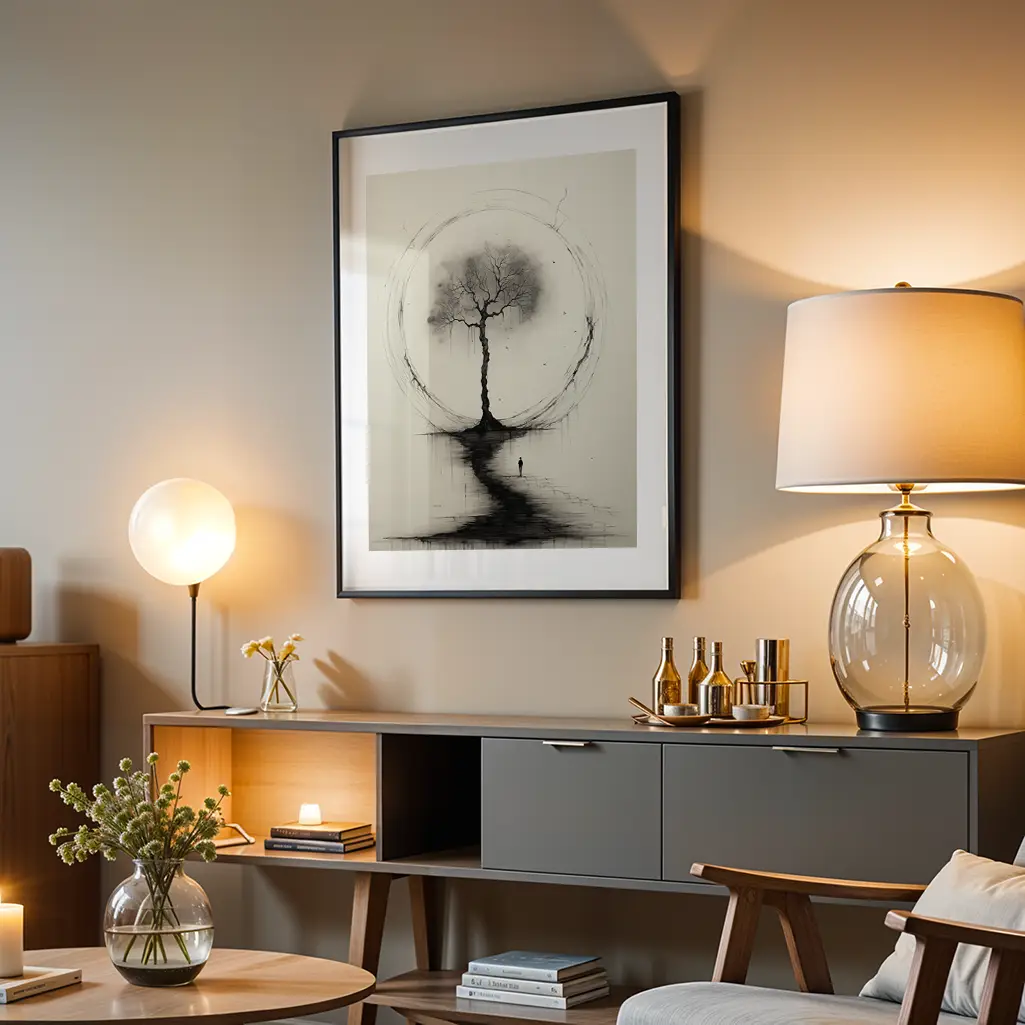
Light is another quiet collaborator. Harsh overhead lighting keeps the body on alert, signaling productivity more than presence. Warmer, layered light from floor or table lamps softens edges, making it easier to register subtler internal states. You begin to notice, for instance, how your breathing changes when the room shifts from daytime brightness to evening glow. In that noticing, you have already crossed into mindfulness.
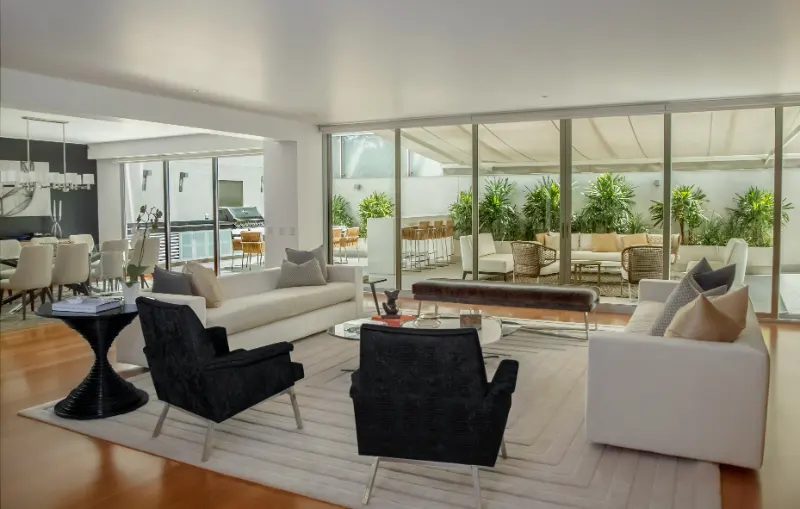
Texture also matters. Smooth, reflective surfaces bounce light and motion, amplifying visual noise. Natural materials like wood, linen, wool, or clay absorb some of that sensory chatter. They age, gather patina, show small imperfections. Living with such materials is a daily reminder that change over time is not a flaw but a feature, that "new" is not the only form of beauty worth paying for.
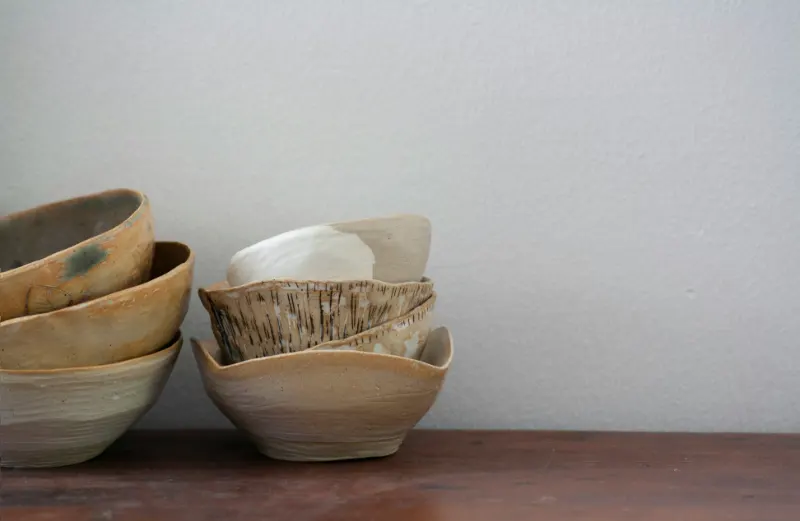
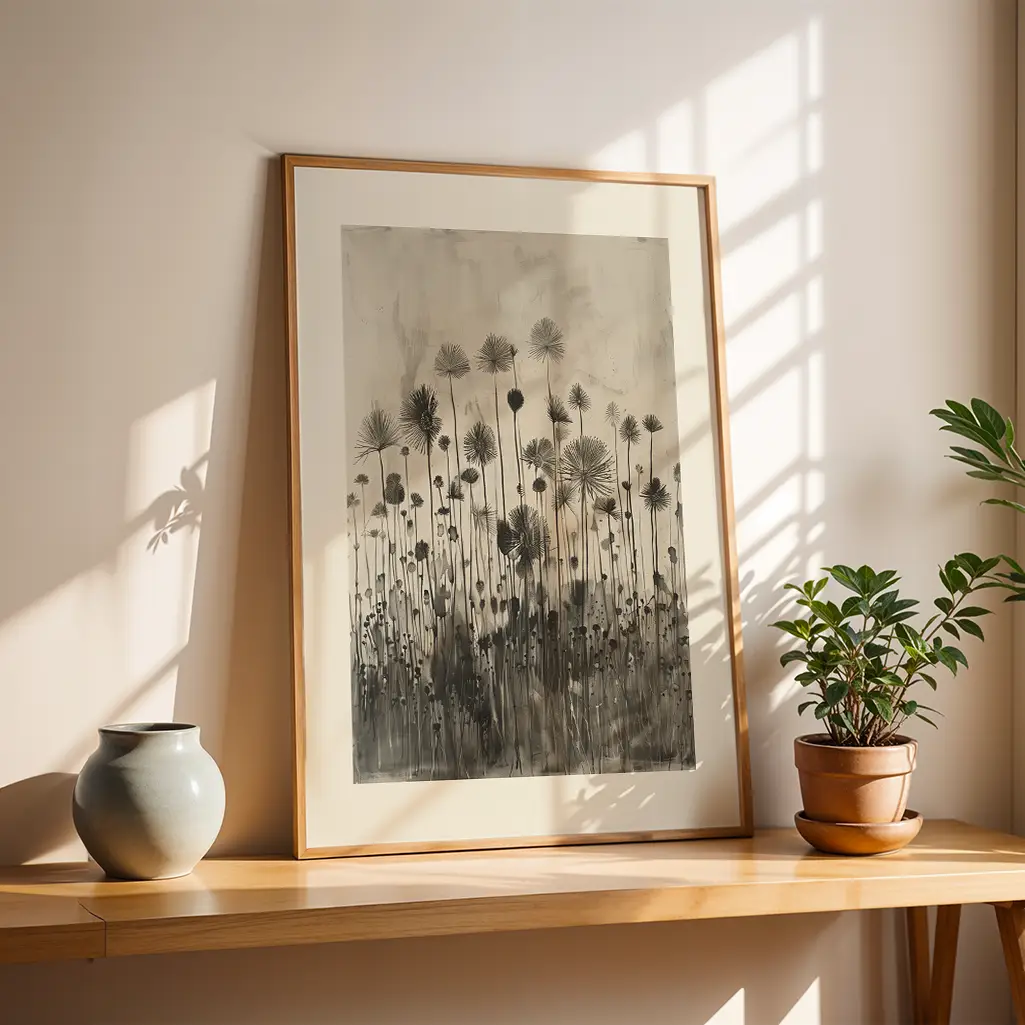
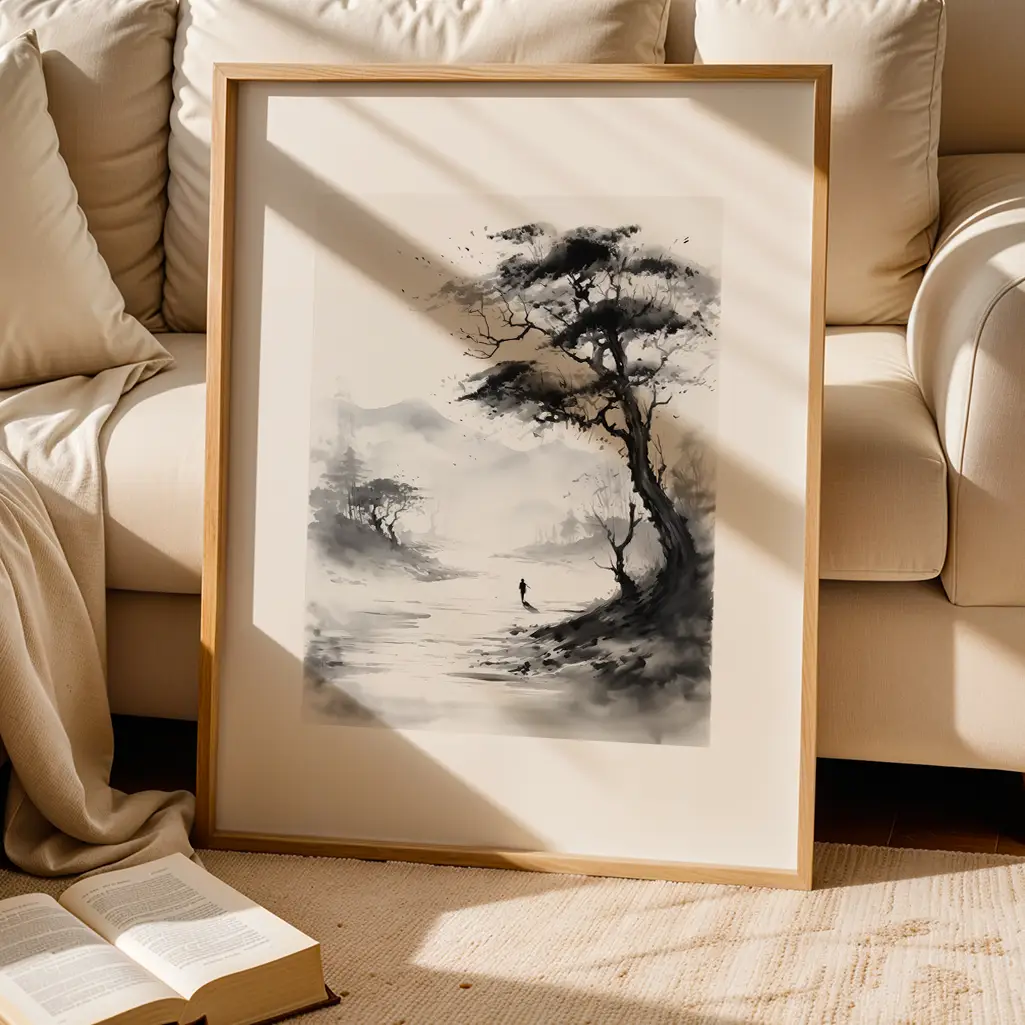
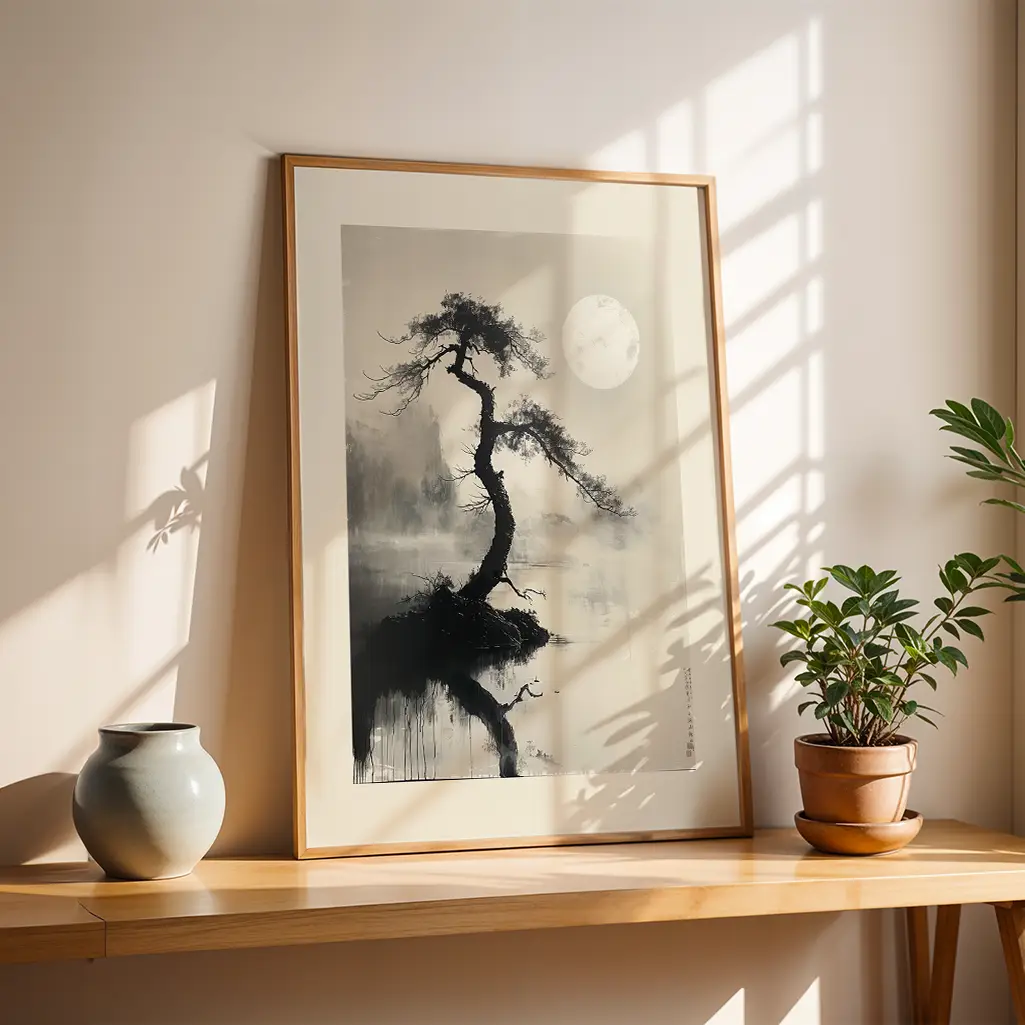
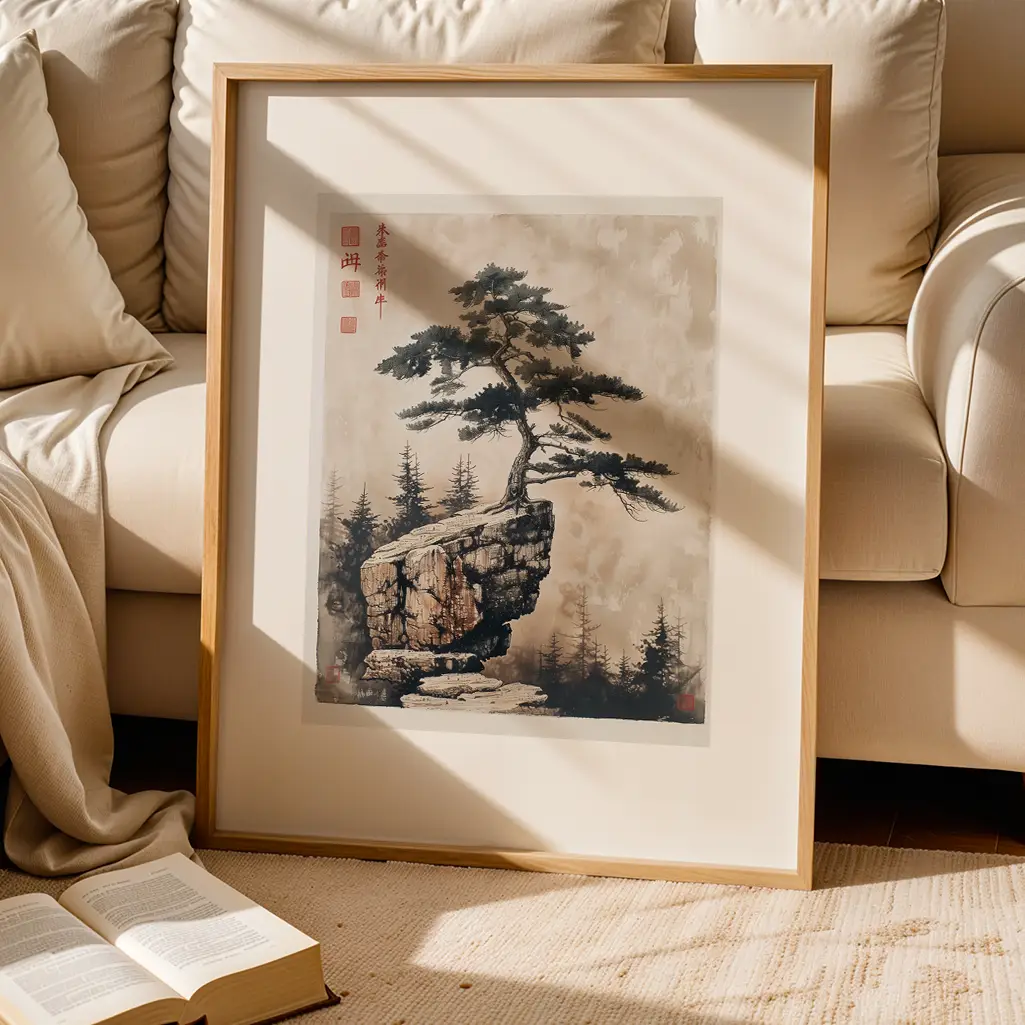
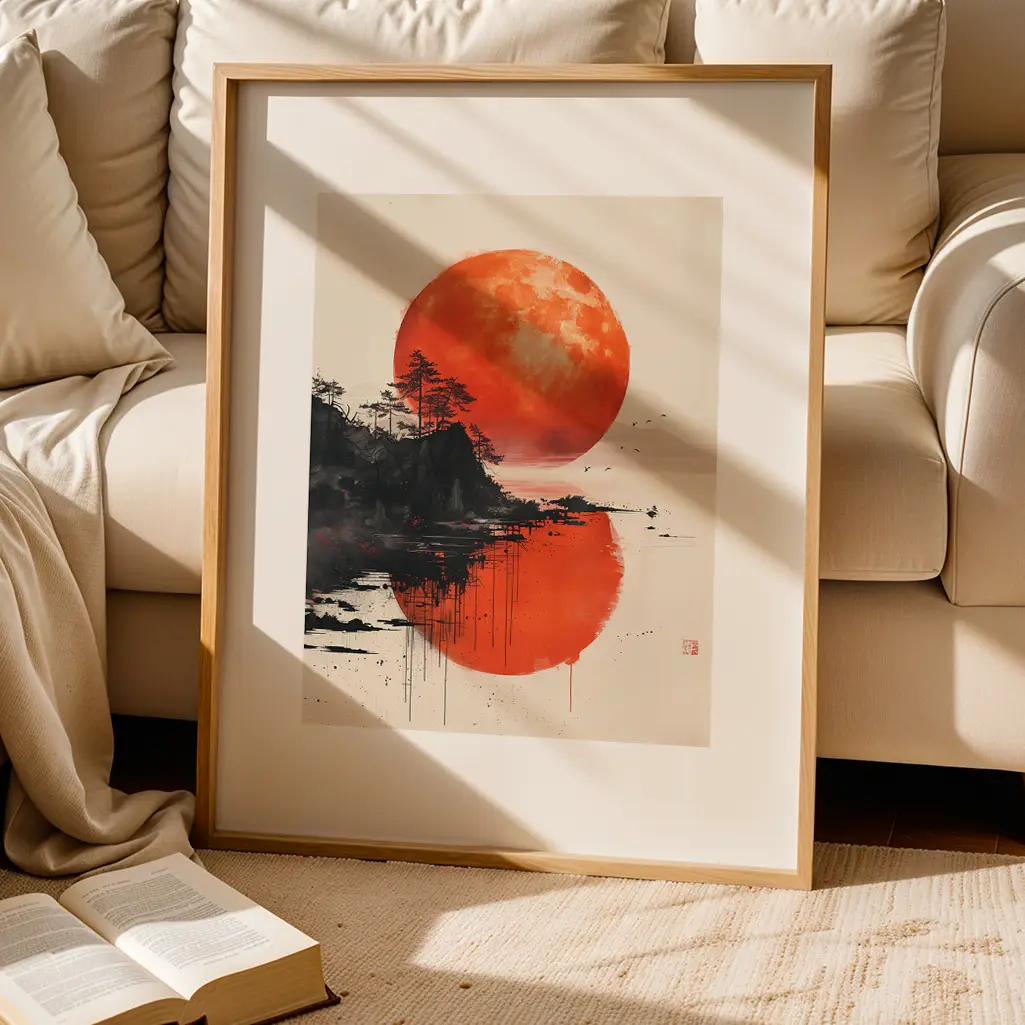
Even art and objects can be chosen with slowness in mind. Instead of filling every blank wall quickly, allow some emptiness while you wait for pieces that genuinely ask you to linger. A hand-thrown bowl, slightly irregular, can do more to connect you to your morning than a dozen identical mugs. When you reach for it daily, your fingers learn its contours, transforming a utilitarian object into a touchstone of continuity.
Ultimately, a home that supports slow living and mindfulness does not shout its philosophy. It does not need slogans on the wall. It simply makes the mindful choice the easiest choice: the comfortable seat facing a view rather than a screen, the uncluttered bedside table with one glass of water instead of a crowd of half-finished items. In these quiet nudges, design becomes a partner in shaping attention.
Rituals, Not Resolutions
The temptation with any lifestyle ideal is to turn it into a project with metrics. How many mindful minutes, how many possessions edited out, how many screens banished from the bedroom. Yet the deeper connection between slow living and mindfulness emerges not in grand overhauls but in small, repeated gestures that gradually reshape your default settings.Think in terms of rituals rather than resolutions. A ritual is anchored in place and time, and its value lies less in outcome than in the quality of participation. You might decide that the corner of your kitchen nearest the window is the site of an everyday pause. Each afternoon, you put the kettle on, clear a single square of counter, and stand or sit there without multitasking. The space itself becomes imbued with the memory of these pauses, so that simply entering it signals your nervous system to downshift.
Another ritual might involve how you transition between modes of the day. Instead of collapsing onto the sofa with your phone after work, you might pass through a kind of "threshold" space. Perhaps a small console near the door holds a tray where the phone rests for the first half hour at home. Nearby, a lamp and a low arrangement of branches create a tiny visual sanctuary. Over time, this micro-architecture tells a story: arrival here means returning to yourself before returning to the world on your screen.
Crucially, these rituals are forgiving. Slow living is not about always moving slowly, and mindfulness is not about never drifting off. There will be rushed mornings, chaotic rooms, weeks when the carefully chosen reading chair becomes a laundry station. The connection you are cultivating is not perfection but the capacity to notice when you have drifted and to gently steer back.
In that sense, your home does not need to be magazine-ready to support a slower, more mindful life. It only needs a few honest places where your attention can land without being immediately recruited into the next obligation. A cleared tabletop, a quiet corner, a well-lit sink where washing a single plate can feel momentarily like enough. These are not decorative gestures; they are structural elements in a different relationship to time.
When slow living and mindfulness converge, your home becomes less like a storage container for your things and more like a landscape for your awareness. You move through it a bit more deliberately, touch objects a bit more consciously, look out the window a bit more often. You are still participating in the modern world, but you are doing so from a place paced by your own breath rather than by your notifications. Over days and months, that difference accumulates, leaving not just a calmer space, but a life that feels increasingly lived from the inside out.
.webp)