When Words Become Walls, Tables and Mornings
Slow living is often sold as a mood board: linen curtains, handmade mugs, maybe a sprig of eucalyptus pressed into a frame. The quotes that float around it can feel equally airbrushed, like “live simply” printed on a cushion that never gets used. Yet the most enduring slow living quotes were never meant to sit on a wall; they were meant to reorganize how time and space feel inside a home.
To make them useful, you have to treat each quote less like decoration and more like a design brief. Ask what it suggests you change about your calendar, your shelves, your lighting, your expectations. In that translation from language to layout, a home stops performing “calm” and begins to support it.
“Slow living” is not about doing everything at a glacial pace. It is about noticing what actually matters in your day and then quietly designing your surroundings so those things are easier to reach, easier to repeat, and easier to savor. The quotes that help are the ones you can test against your floor plan and your habits. They will sometimes make you rearrange a room, and sometimes rearrange a story you tell yourself.
Quote 1: “Less, but better” — Editing as Interior Practice
Dieter Rams’s famous line, “Less, but better,” is not a morality tale about owning as little as possible. It is a design principle: reduce until what remains can function more beautifully. Interior designers and Zen practitioners quietly agree on this. A room with too many visual demands is like a paragraph with too many adjectives; the meaning blurs.
Taken seriously, the quote invites a small, precise experiment. Instead of emptying a closet in a single heroic purge, choose one surface you see every day: the entry console, the bedside table, the kitchen counter. Remove everything that is not used daily or loved frankly. Then live with that space for a week. Notice whether getting your keys, your book or your coffee becomes simpler. Notice whether your shoulders drop a few millimeters when you enter.
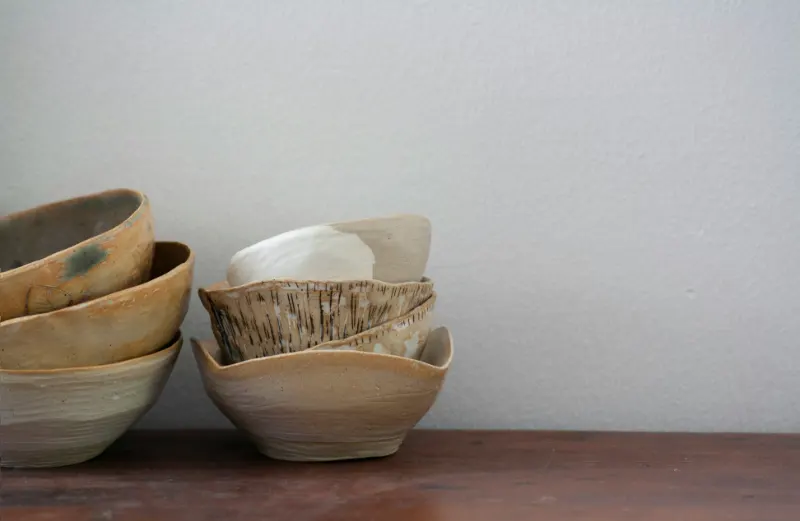
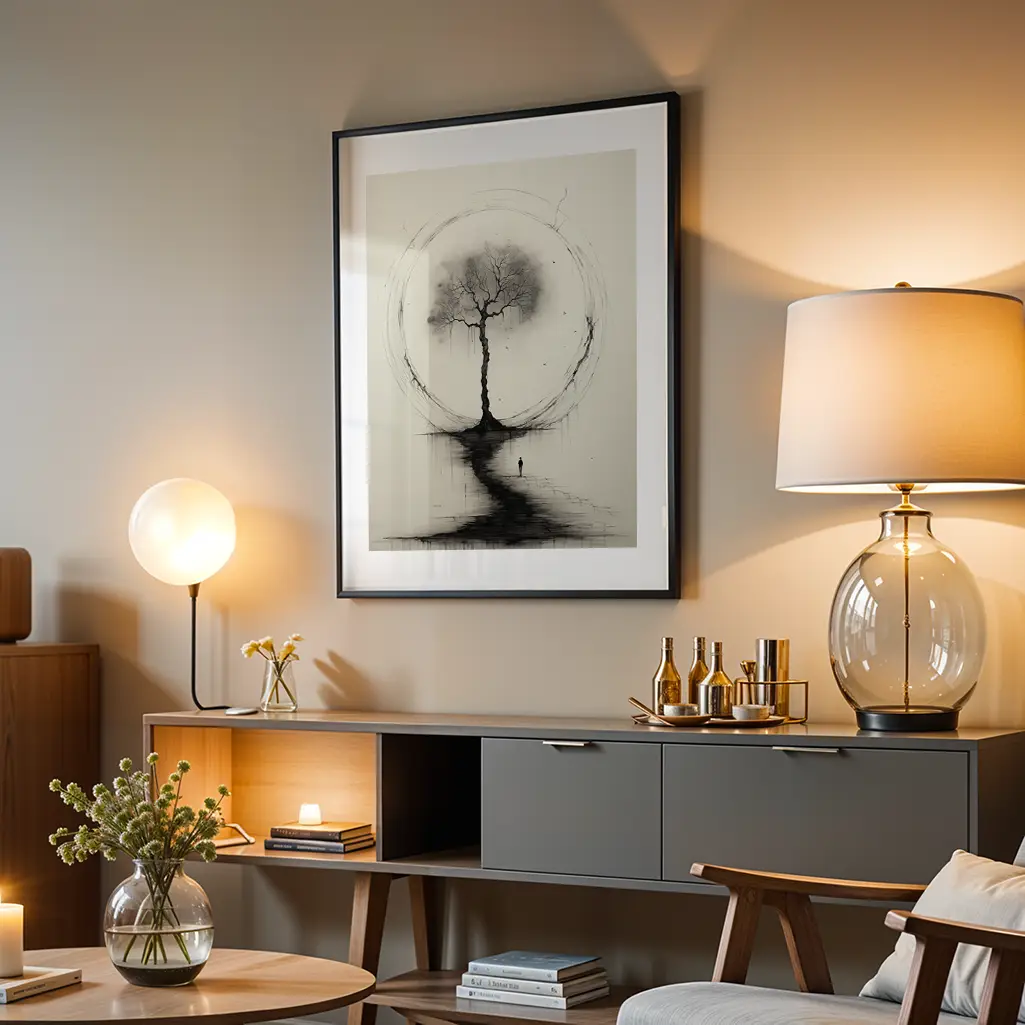
The point is not the emptying. It is the new ratio between object and attention. A single useful bowl by the door might quietly replace a chorus of tiny trays and forgotten mail. A lamp that casts warm, clear light over a reading chair may do more for your evenings than five decorative pieces arranged nearby. “Less, but better” translated into a room means giving your best pieces room to breathe and your best rituals room to happen.
As you apply the quote, be suspicious of deprivation. If removing something makes the space feel anxious or thin, the edit is not “better” yet. You are listening for quiet satisfaction, not performing restraint. True slow living feels supported, not starved.
Quote 2: “There is more to life than increasing its speed” — Designing for Pace
Gandhi’s observation, “There is more to life than increasing its speed,” often ends up as a screensaver. It becomes genuinely useful when you let it rearrange the choreography of your day at home.
Speed creeps into domestic life in subtle ways: the phone face down but never quite off, the laptop open on the dining table, the hallway that funnels you directly from front door to screen. If your rooms are designed like runways, you will always land in the same rushed habits. Slowing down, then, is partly an architectural question: where does your body naturally go, and what does it meet first.
Experiment with creating one “friction point” where speed gently breaks. It might be a small chair or bench just inside the door, with enough light to feel welcome. The presence of a low surface for a bag, a peg for a coat, and a simple tray for keys creates a micro-ritual: sit, set down, arrive. This is not nostalgia; it is psychology built into wood and fabric.
Similarly, if every surface in your living room is optimized for multitasking, the room will never feel truly slow. Consider dedicating one corner where no device lives by default. A narrow bookcase, a plant that genuinely needs light, a comfortable seat with a side table and a soft throw can reset the purpose of that slice of floor. The quote becomes literal: there is more to this room than increasing your productivity.
Slow living in practice is less about banning technology and more about offering attractive alternatives. If an open book and a cup already have a place set for them, your evening choice feels less like discipline and more like gravity.
Quote 3: “Live by a compass, not a clock” — Aligning Space with Values
Stephen Covey’s line, “Live by a compass, not a clock,” is often used to organize to-do lists, but it is just as potent for organizing a home. The “compass” is whatever you claim matters most: connection, rest, making, learning, beauty, faith. If your rooms do not make those values easier, the quote reveals the mismatch.
Begin with an uncomfortable but clarifying question. If a stranger walked through your home for five minutes with no context, what would they assume you value. The biggest furniture pieces and clearest sight lines tend to get the answer. A television as focal point, a dining table collapsed under mail, or a desk exiled to a dim corner each quietly vote for a different priority.
Choose one value as your compass for the next season and adjust just one area of your home to match. If you say you value shared meals, let the dining surface clear its throat; remove permanent clutter, adjust the chairs so faces meet easily, and consider hanging a warm, diffused light source low enough to make the table feel like a stage for conversation. If you say you value rest, look at your bedroom and ask whether anything about it currently advertises alertness: harsh light, active colors, unfinished tasks in plain view. Tuck work materials into closed storage, soften the palette, let the bed become visually dominant.
The quote does not demand perfection. It suggests direction. A compass implies gentle course corrections, not dramatic renovations. As your life shifts, you can let your rooms shift as well, moving objects, functions and attention to stay oriented toward what matters now. Over time, this alignment becomes palpable; guests feel it, and you feel it most on difficult days.
When slow living quotes are used this way, they stop being ornamental wisdom. They become quiet instructions you can test with your own hands, morning after morning, room by room.