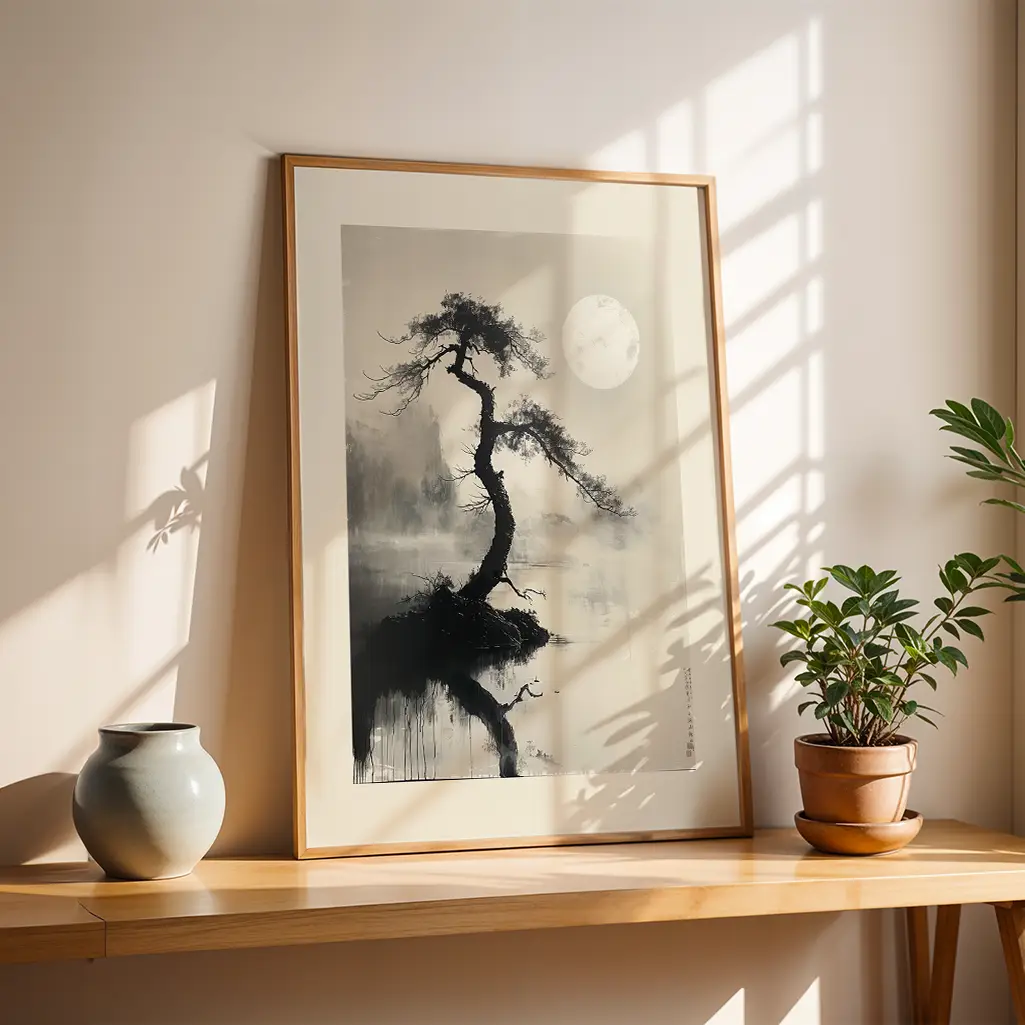

Why Slowing Down the First Hour Changes the Whole Day
Slow mornings are less about moving in actual slow motion and more about refusing to begin the day in emotional overdrive. They are a deliberate edit of your first waking hour, a choice to trade reactivity for intention. For people who feel they have no time, this can sound like a luxury. Yet the logic is almost architectural: the first moments of the day are the foundation that has to carry the weight of everything that follows.Most of us wake into a small storm. The phone glows, headlines shout, messages ask for answers. The nervous system reads every notification as a tiny alarm, quietly raising your heart rate before your feet touch the floor. A slow morning interrupts that script. It creates a buffer that protects your attention, and it begins with the space right around your bed.
Think of your bedroom as a soft landing pad instead of a launchpad. Visual noise works the same way as audible noise; piles, open closets and scattered cables keep your brain partly on alert. Simply reducing visual clutter within your first field of view can drop your sense of urgency. A low, steady lamp instead of harsh overhead light signals the body that it is safe to arrive gradually. A single chair free of laundry can become a cue that this is a place for a brief pause, not a command center. None of this takes extra time, but it changes the psychological temperature of the morning.
Design details become forms of quiet choreography. Place a carafe of water and a glass on the nightstand so the first gesture of the day is replenishing rather than reaching for a screen. Keep your phone in another room and use a minimalist alarm clock that does one thing well. The small friction of having to walk to your phone can be enough to keep your first minutes unscrolled. Your environment becomes an ally in the effort to move gently, even if your schedule later is anything but gentle.
Building a Slow Routine That Still Fits a Busy Life
The paradox of slow mornings is that they matter most for people who feel they cannot possibly spare the time. The solution is not to create an elaborate ritual, but to reimagine the existing one. You already have a sequence: wake, wash, dress, eat, leave. The work is to sand down the frantic edges and insert two or three small anchors of calm.Start with time, not tasks. Instead of asking what you should add, decide how many minutes you can protect. Ten honest minutes are more powerful than a fragile plan for an hour you never get. Within that modest window, choose one sensory ritual, one orienting pause and one act of preparation that makes the rest of the day lighter.
A sensory ritual is a way of waking up your body before your inbox. This could be as simple as standing by a window and letting natural light find your face, or placing both feet on the floor and taking a full breath before standing. Some people find that brewing coffee or tea by hand, rather than at the press of a button, slows them just enough. Measure the grounds, pour the water in circles, listen to the faint hiss as it blooms. It is domestic choreography that tells your nervous system the day can start with craft instead of crisis.
An orienting pause is a brief check-in with your own mind before it is filled with everyone else’s demands. This might look like writing three lines in a notebook at the table, or simply naming out loud what kind of day you want to have. You do not need perfect language. Even a sentence as plain as today I will move steadily, not frantically can act like a quiet instruction to yourself. When later decisions crowd in, you have a reference point: is this choice aligned with the tone I intended for the day.
Then there is preparation, which is often the unglamorous heart of a calm morning. The most peaceful routines are staged the night before. Set out a single outfit on a hook instead of negotiating with your closet at 7 a.m. Place keys, headphones and transit cards in one small tray by the door to eliminate last minute searches. Prep a simple breakfast component, even if it is only a jar of oats or washed fruit waiting in the fridge. You are not aiming for perfection, but for removing a handful of future decisions so that your early minutes are not crammed with small negotiations. Slowness is often what you no longer have to do fast.
Designing Your Home to Protect Slow, Even When Time Is Short
A truly slow morning is supported as much by spatial design as by intention. The way you arrange light, surfaces and circulation at home can either compress you into urgency or give you a sense of spaciousness inside the same thirty minutes.Begin with light. Whenever possible, let natural light be the opening cue of the day. Keep window treatments simple enough that you can draw them open in one smooth gesture. If your home faces a cityscape or neighboring walls, borrow nature indirectly. A small plant on the sill, a bowl of stones by the sink, even a framed photograph of a landscape gives the eye a calm horizon to rest on. The point is not to imitate a spa, but to insert something unhurried into your first sights.
Surfaces are your next design tool. Give every frequently used object a clear home, and keep those homes visually quiet. A narrow tray by the bathroom basin, a small ceramic bowl near the entry, a simple hook rail; these are modest architectural decisions that keep mornings from dissolving into scavenger hunts. When the kitchen counter holds only what is needed for your first cup and first meal, it reads as an invitation rather than a demand. You are less likely to spiral into multitasking when the environment shows you, silently, what matters right now.
Think, too, about the path you walk each morning. From bed to bathroom to kitchen to door, you trace a habitual route. Editing that route is like editing a sentence for clarity. Remove the trip hazards, literal and psychological. Relocate the laundry basket that blocks the closet door. Move the mail pile away from the breakfast table so that you are not opening bills with your first sip of coffee. If children or roommates share the space, a small bench by the door can become a collective landing zone, reducing the pre-departure scramble that can undo an otherwise gentle start.
Finally, protect the soundscape. What you hear in the first twenty minutes colors your sense of pace. Instead of news headlines blaring before dawn, consider a quiet playlist that does not demand attention, or even a few minutes of unfilled silence. Let faucets, chair legs and the clink of dishes be the first notes of the day. The home becomes an instrument you play softly at first, then with more volume as the day requires. Slow mornings are not an escape from a busy life; they are a way of scoring it, so that even the busiest days begin with a deliberate, human tempo.
.webp)