
Why a Cup of Tea Feels Like Time Itself Slowing Down
In a culture where productivity is treated as the highest proof of worth, the act of waiting for water to boil can feel almost radical. A tea ritual is deceptively simple. You heat water, choose leaves, pour, wait, sip. But as many contemplative traditions from Japan to Morocco have long understood, repeating simple gestures with intention reshapes how we experience time, space and even ourselves. "Slow living" can sound like a marketing slogan. Tea gives it a body, a temperature, a place at your own table.
Slowness is not a speed so much as an attitude. It asks how fully you can inhabit a moment, rather than how much you can fit into it. A tea ritual becomes a small, livable experiment in this change of perspective. Instead of scrolling while the kettle heats, you attend to small, nearly invisible details: how the light catches steam, how ceramic warms, how scent rises before flavor. You are not trying to achieve anything beyond this very cup, which is precisely what makes the practice quietly transformative.
There is a reason so many design traditions have wrapped themselves around tea. The Japanese tearoom, for example, is famously humble, sometimes with a low door that requires a bow to enter. This architecture is not an aesthetic flourish but a teacher. It compresses the outside world so that "inside" can feel both smaller and more expansive. At home, you do not need tatami mats or a tokonoma alcove. You need only to choose, carefully and consistently, where your ritual begins. A corner of a kitchen counter cleared of mail, a chair pulled near a window, a small tray on a bedside table. The point is not perfection but repetition. When a space sees the same caring gestures over and over, it begins to feel different, even before you pour the next cup.
Interior design, at its most thoughtful, is an arrangement of cues: soft light that signals evening, a particular texture that signals rest, the sound of a kettle that signals it is permissible to pause. A tea ritual works with these cues instead of against them. You might choose one cup that is only for tea, so your hand starts recognizing its weight as a bodily invitation to slow down. You might keep the tea itself in a jar you like to see, on a shelf you actually reach for. Over time, the ritual shifts from something you do to something that meets you halfway, a pattern held not only in your mind but in your objects and rooms.
Designing a Small Daily Ceremony at Home
Designing a tea ritual is less about buying things than about arranging attention. Begin with the path your body will take through your home. You walk from sink to stove to counter every day; the ritual simply asks that you do so awake. When you fill the kettle, feel the weight of the water. When you set it down, listen for the quiet knock. As the water heats, resist the urge to fill the gap with your phone. Instead, let your eyes rest on surfaces you usually ignore: the texture of tile, the way a plant leans toward a window, a beam of afternoon light sliding down a wall. This is design in real time, the room revealing itself as you slow down enough to see it.
You can deepen the ritual by choosing a specific sequence. Maybe every evening follows the same arc: clear a small area, set down a tray, place cup, teapot and a folded cloth. Sequence matters because the body remembers it even on days when the mind is crowded. Think of the calm that arrives not from a dramatic makeover but from rearranging a few items so that their use becomes more graceful. A frequently used cup within easy reach, a tin of tea placed where your hand naturally goes, a lamp with a warm bulb set to illuminate just this corner. These are the quiet edits that shift a kitchen from a site of tasks to a site of care.
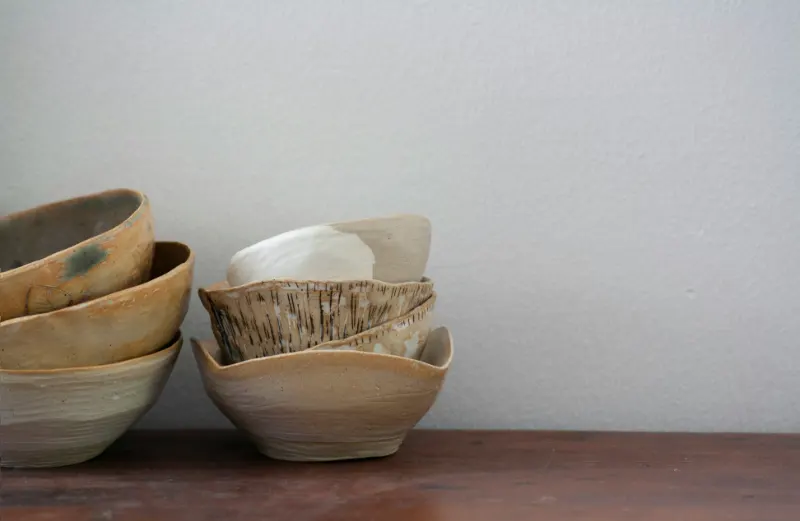
The materials you choose can reinforce this shift. Clay, glass, porcelain and enamel all register temperature differently in the hand. Taking a moment to notice that difference turns an ordinary mug into an instrument of attention. The sound design of your ritual also matters more than most of us admit. The whistle of a kettle, the soft rattle of a lid, the plunge of water into leaves, even the small clink of cup on saucer form a kind of domestic music. When repeated daily, this soundtrack becomes a cue that you have stepped, briefly, outside of urgency.
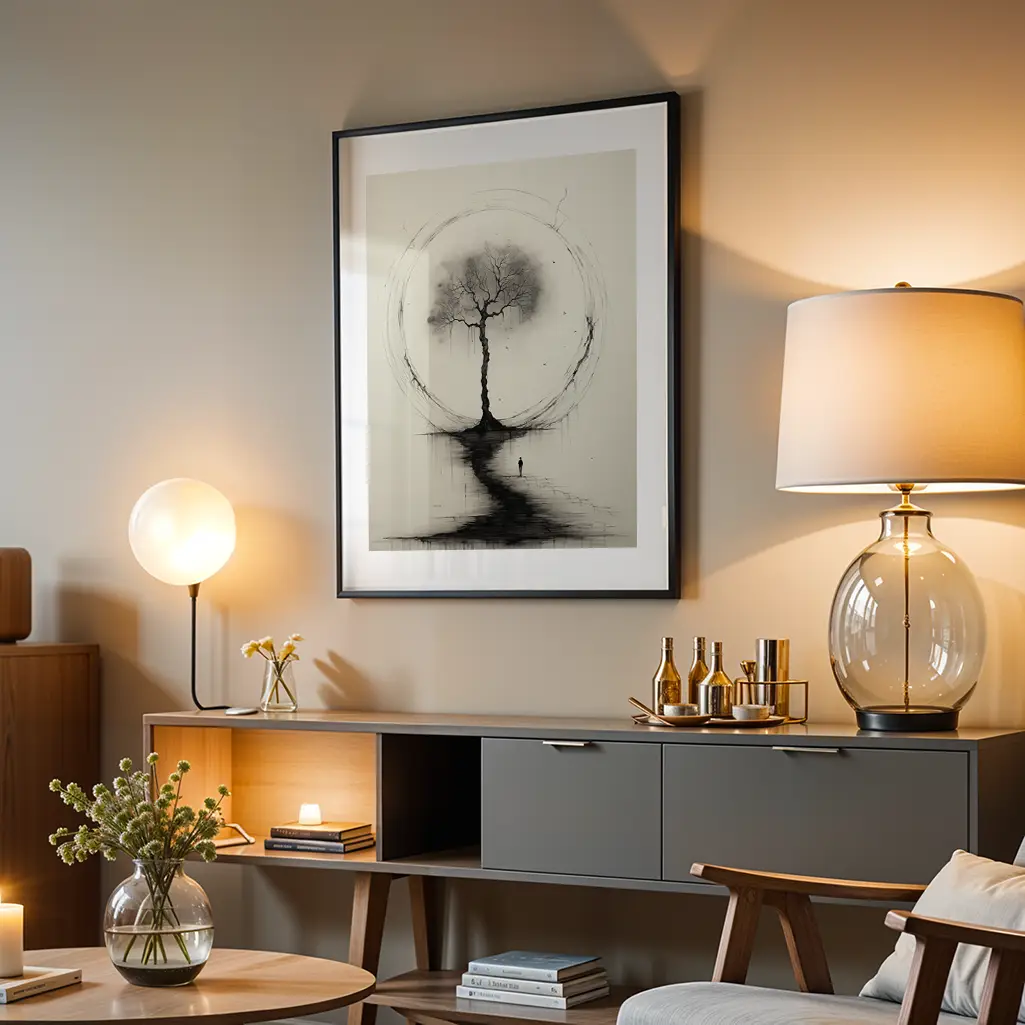
Lighting is the most underrated collaborator in slow living. Try dimmer, localized light for evening tea, especially if the rest of the house remains in partial shadow. A single shaded lamp over a small table can create a "room within a room," setting your ritual apart without any construction at all. Morning tea, by contrast, can be oriented toward natural light, with a seat that catches the first brightness you see that day. The ritual then becomes a way to greet the changing qualities of light across seasons, not as background but as the main event.
Living with the Afterglow of a Daily Tea Ritual
The impact of tea rituals extends beyond the minutes you spend with the cup in your hand. When you adopt a regular moment of slowness, the rest of your day rearranges subtly around it. The pause creates a reference point, and your body begins to notice, by contrast, how frenzied everything else can feel. This noticing is not an indictment of your life but a new kind of literacy. Once you recognize the texture of calm, it becomes easier to seek it again, in other corners and at other times.
A consistent tea ritual also accumulates memory. The same table that holds your cup will, over months and years, hold particular seasons of your life: a difficult winter, a slow summer, a period of doubt, a stretch of contentment. The ritual acts as a thread running through all of them, a daily vote in favor of continuity. From an interior design perspective, this continuity is as important as color or proportion. Rooms feel most alive when they can hold the story of how they are used. A surface that is wiped, arranged and sat at every day gains a patina no designer can manufacture.
There is also the question of limits. Slow living does not demand that you become passive or unambitious. It simply asks that not every corner of your home, or your schedule, be optimized for speed. By carving out a small, consistent time for tea, you draw a line around at least one part of your day and say, "this is not for efficiency." Paradoxically, this small border can make the rest of your time feel less compressed, because you have proof that not every minute must justify itself to a clock.
Finally, a tea ritual is a way of practicing hospitality, both to yourself and to others. When guests arrive, offering tea within a familiar ritual extends the calm you have been cultivating alone. You are not rushing to assemble something impressive but inviting them into a pattern that already exists. For yourself, even on days when you feel you do not deserve a break, the ritual is non-negotiable. You keep the appointment because it is simple, because it is there and because your home has been quietly designed to support it. Over time, your rooms and your routines begin to say the same thing in unison: there is enough time, at least, for this one mindful cup.
.webp)