Silence You Can See
Walk into a room where every surface is filled and you feel it before you understand it. Your eyes keep searching for a place to land, your breath thins a little, and the room seems louder than it actually is. Now picture a space with fewer objects, generous stretches of bare wall, a table that is mostly clear. The sound level hasn’t changed, but the room feels quieter. This is the power of empty space: silence made visible.
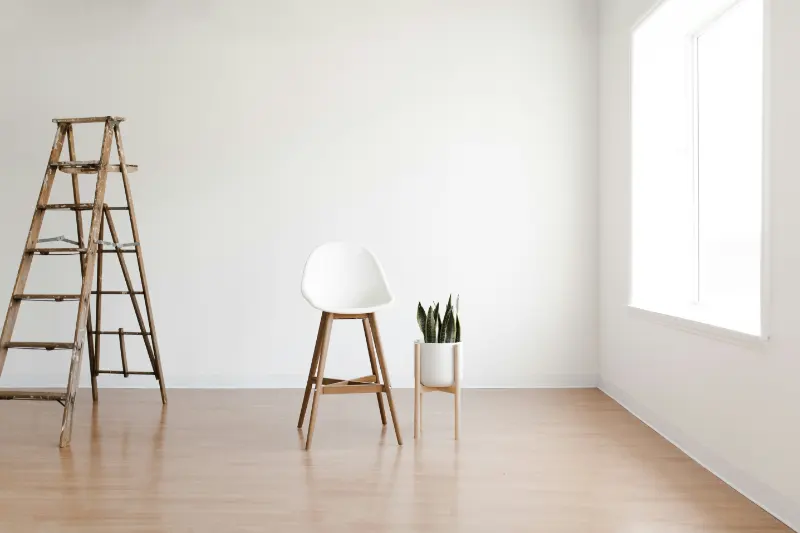
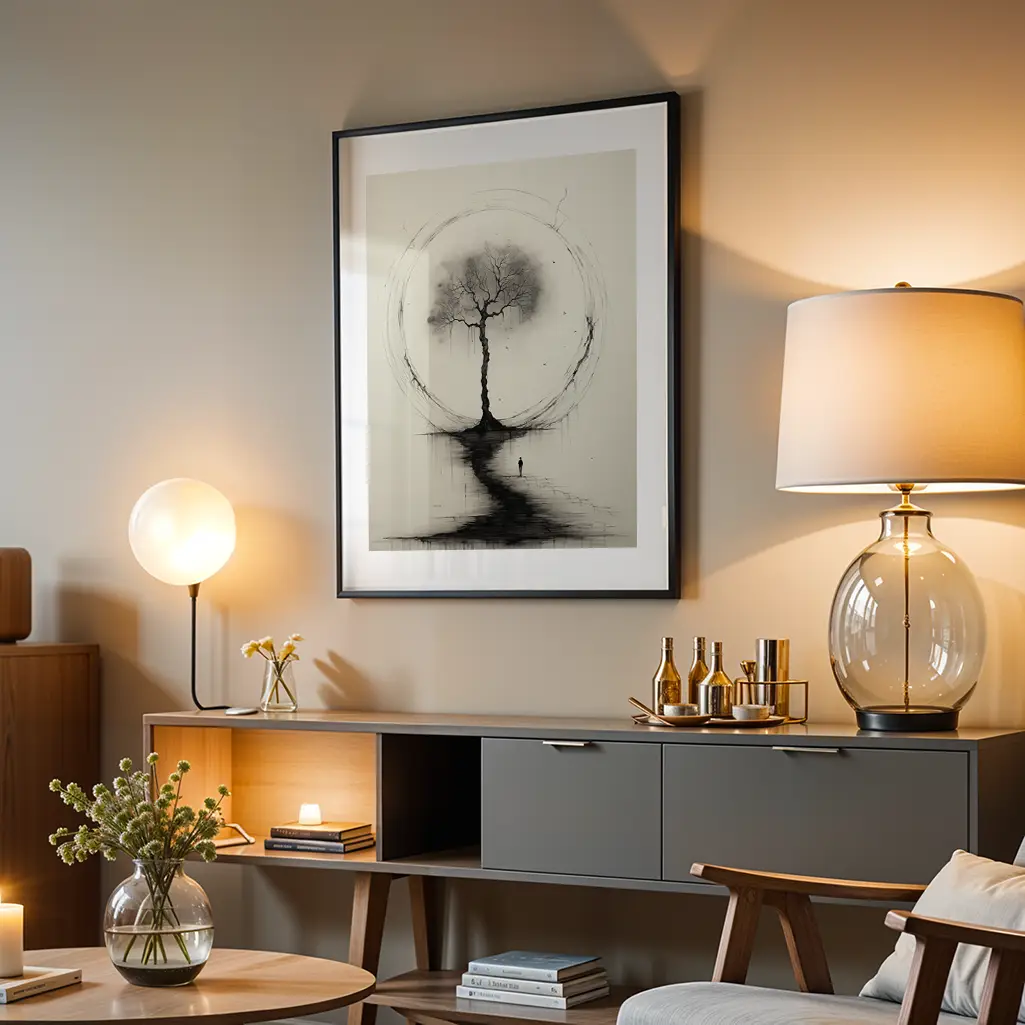
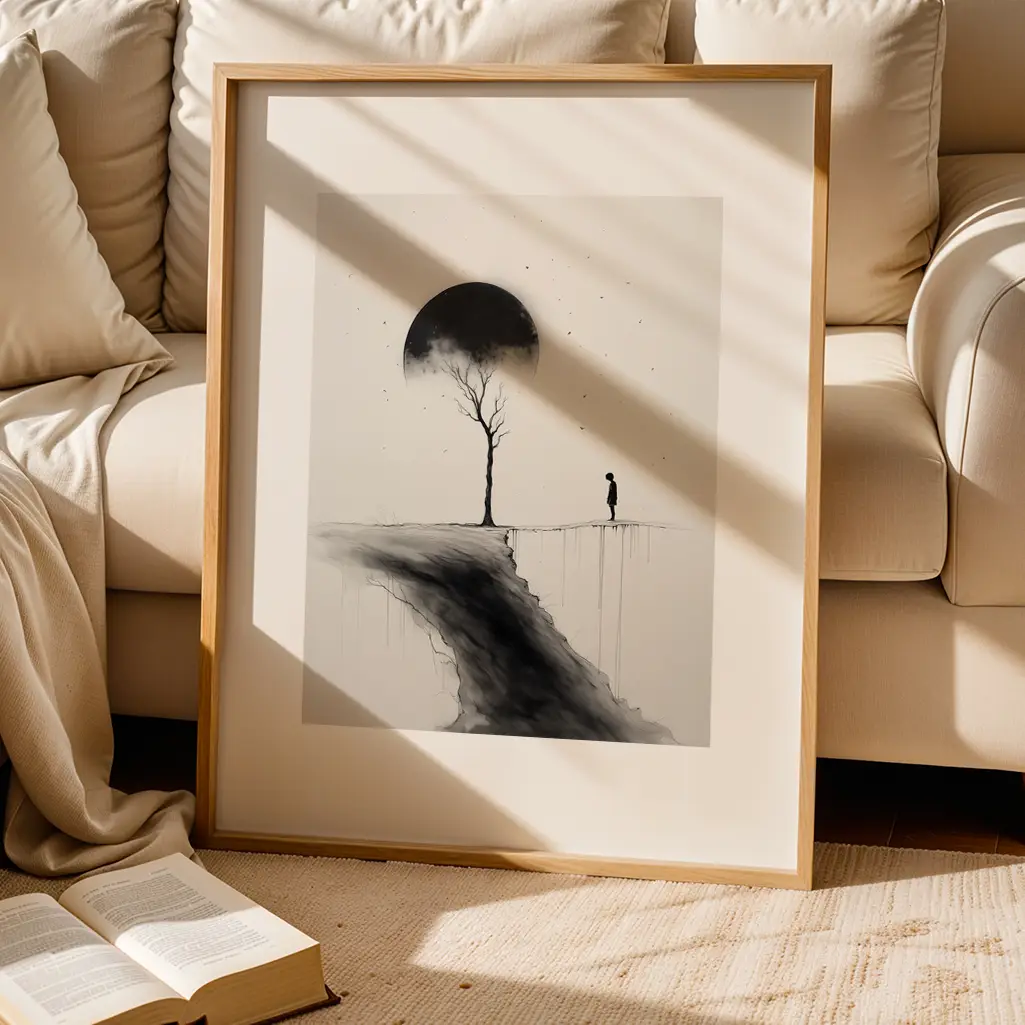
In design language, that silence is called negative space, but the term is slightly misleading. It is not the absence of meaning, just the absence of stuff. Empty space is what allows the rest of your home to speak. A painting gains intensity because there is blank wall around it. A single plant in a corner feels sculptural because it has room to breathe. A well-chosen chair looks almost important when it is not crowded by others.
In many Western homes, space is treated like a container to be filled, a void that demands decoration. Yet in Japanese aesthetics, the concept of "ma" treats emptiness as an active ingredient. Ma is the pause between notes that makes melody possible, the gap between objects that gives them clarity. The same principle exists in music, in poetry, in the way a skilled orator lets a sentence hang. Silence is not a break from the message; it is part of the message.
Your home works the same way. The spaces you leave deliberately empty are not lost opportunities to display more, but conscious choices that sharpen what remains. In a world of constant visual and digital noise, cultivating emptiness in your rooms is a way of reclaiming calm. It gives your attention somewhere soft to rest. It lets your nervous system downshift without you needing to know why.
This is not an argument for sterility or an all-white, gallery-like life. Warmth can live alongside emptiness. A well-loved wooden table with just a ceramic bowl at its center has more emotional gravity than the same table crowded with objects you barely see anymore. By learning to work with empty space, you are not denying your possessions; you are allowing them to step into the light.
How Space Shapes Feeling
Most of us think of design as a question of style: colors, textures, objects, the right lamp. But the most powerful part of any room is often what is not there. The mind processes clutter as unfinished business. Each visible object is a small cognitive tab left open. The more tabs, the more mental bandwidth quietly drains away.
Empty space, by contrast, reduces what you need to constantly interpret. When your eye can glide across a wall without crashing into a shelf at every step, your body unwinds a little. This is partly practical and partly psychological. Practically, less visual density makes it easier to navigate a room, put things away and find them again. Psychologically, a clearer environment whispers that there is less to manage, fewer demands waiting.
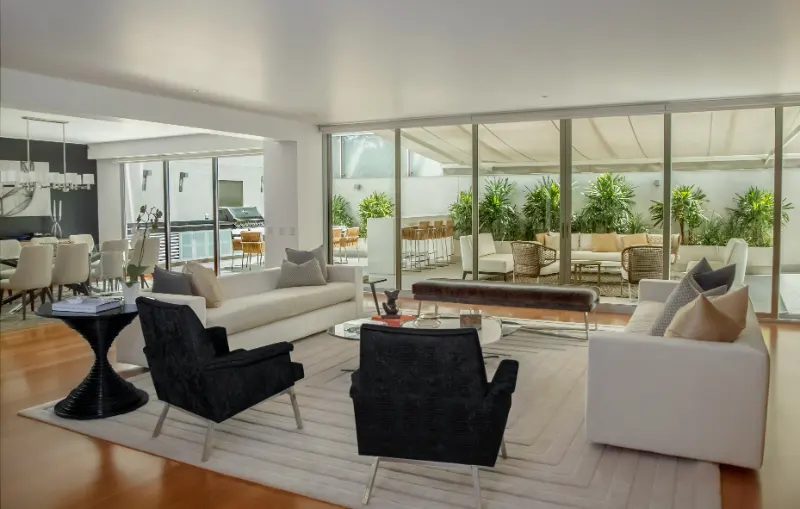
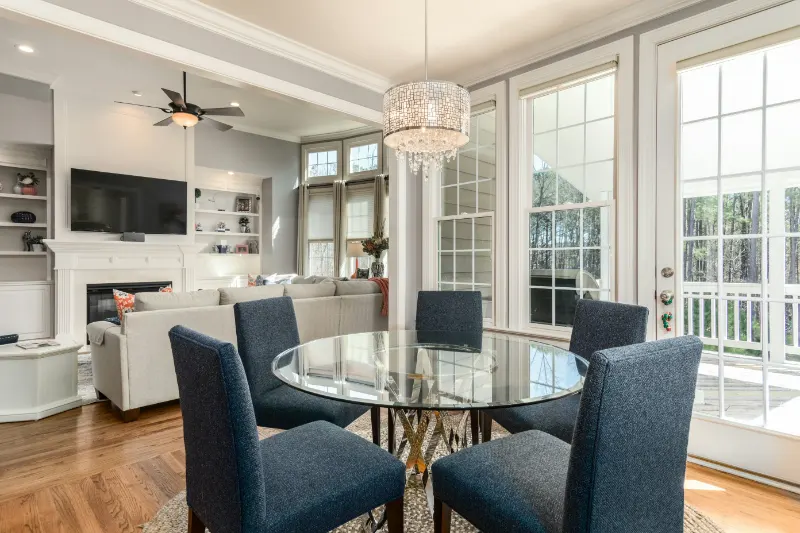
Think of a living room with books stacked on the floor, trinkets on every surface and art hung in a restless grid. Each object might be meaningful, but together they form a kind of visual static. Now remove a third of what is there. Leave generous gaps between frames, a margin of bare table around the lamp, one shelf intentionally empty. Suddenly you can perceive the individuality of each piece. The silence between them lets your gaze rest, then move on with intention.
Designers and architects often describe this as giving a space "room to read." Just as a page of text becomes tiring when there are no margins, a home without emptiness asks too much of your attention. White space on the page invites you to keep reading; empty space in a room invites you to keep living there, instead of just orbiting your belongings.
There is also a temporal dimension to emptiness. A bare corner is not a failure to decorate; it can be a promise that not everything in your life needs to be decided at once. A blank stretch of wall can hold your future discoveries. Instead of rushing to fill every inch, you leave a pause in your narrative, the possibility of change. In this way, empty space becomes a quiet confidence in your evolving taste.
Designing With What You Leave Out
Working with empty space is not about subtracting at random. It is closer to editing a sentence until the meaning becomes precise. You look for what supports the feeling you want, and you give that feeling room around it.
Begin by choosing a single surface in your home: a coffee table, a dresser, the kitchen counter you never actually see because it is covered. Clear it completely, then stand back. Notice how much calmer the room feels when that one plane is quiet. From there, add back only what truly earns its place, object by object, pausing each time to see when the sense of calm begins to fray.
Arrangement matters as much as quantity. If you cluster several items together and leave the rest of the surface empty, you create a deliberate composition instead of a scattered one. The cluster becomes the sentence; the empty area is the margin that makes it legible. The same is true on your walls. Hanging one piece of art slightly lower, with ample breathing room around it, can make it feel more grounded than a high, crowded gallery wall.
Pay attention to pathways as a kind of moving emptiness. The space you walk through holds as much emotional weight as the furniture you walk past. A narrow, obstructed path makes your body tense in micro ways: a shoulder twist here, a sideways shuffle there. Clearing these paths, even if it means owning one less chair, releases a physical ease that registers as a quieter mind.
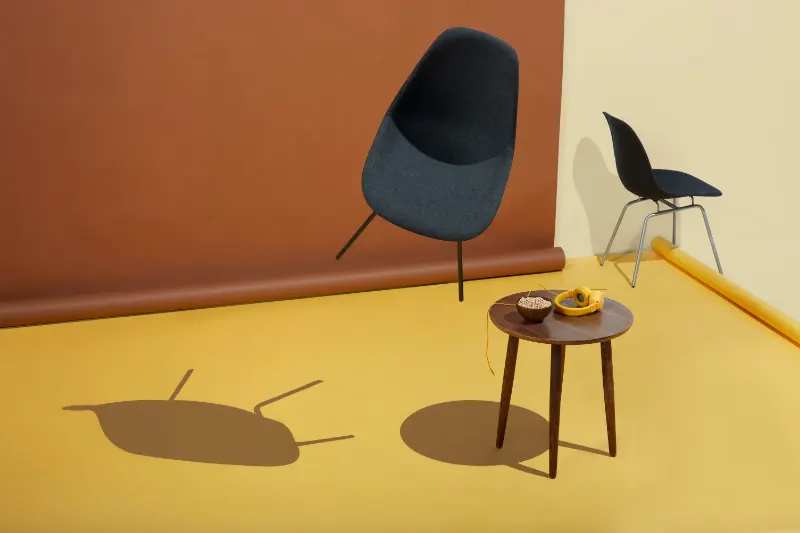
Light, too, is a form of empty space. When a window is not blocked by heavy objects or overstuffed drapery, daylight can wash the room clean several times a day. Shadows become part of the composition, shifting with the hours. In the evening, a single lamp casting a pool of warm light into an otherwise dim room can define an island of attention, a place where reading or talking or simply sitting becomes the natural thing to do.
In the end, the power of empty space is less about a visual doctrine and more about self-knowledge. When you choose to leave certain areas open, you are quietly deciding what deserves to be amplified in your life. You are granting silence a seat at the table, not as a lack but as a presence. In a home that honors emptiness, you do not have to fight for a moment of peace. It is woven into the way the rooms are shaped, waiting in the spaces between your things.