The rhythm of the wall: why trends matter at all
Styling your walls is one of the quickest ways to tune the emotional volume of a room. A blank wall can feel like a held breath; add the right piece of art and suddenly the space exhales. Trends in wall art are, in a sense, collective experiments. They reveal what we’re craving at a given moment: calm, nostalgia, boldness, or a sense of play. But if you commit to every passing look, your home can feel dated as quickly as a social feed scrolls by.So the real question is not whether trends are bad or timeless art is good. It is more subtle: how do you let contemporary ideas refresh your home without surrendering its long-term character? The most livable spaces treat trends as accents and timelessness as the underlying architecture. Think of the walls as a visual diary: some pages are permanent chapters, others are loose notes that can be swapped as you grow.
Right now, several currents are shaping what we hang. Large-scale photography, often softly desaturated, is standing in for the window we wish we had. Graphic line drawings and gestural abstracts are offering an almost meditative simplicity. Digital prints make it possible to try these moods cheaply and at scale. At the same time, people are leaning into deeply personal work: children’s drawings gracefully framed, inherited textiles stretched like canvases, and vintage film posters that wear their creases like wrinkles on a beloved face.
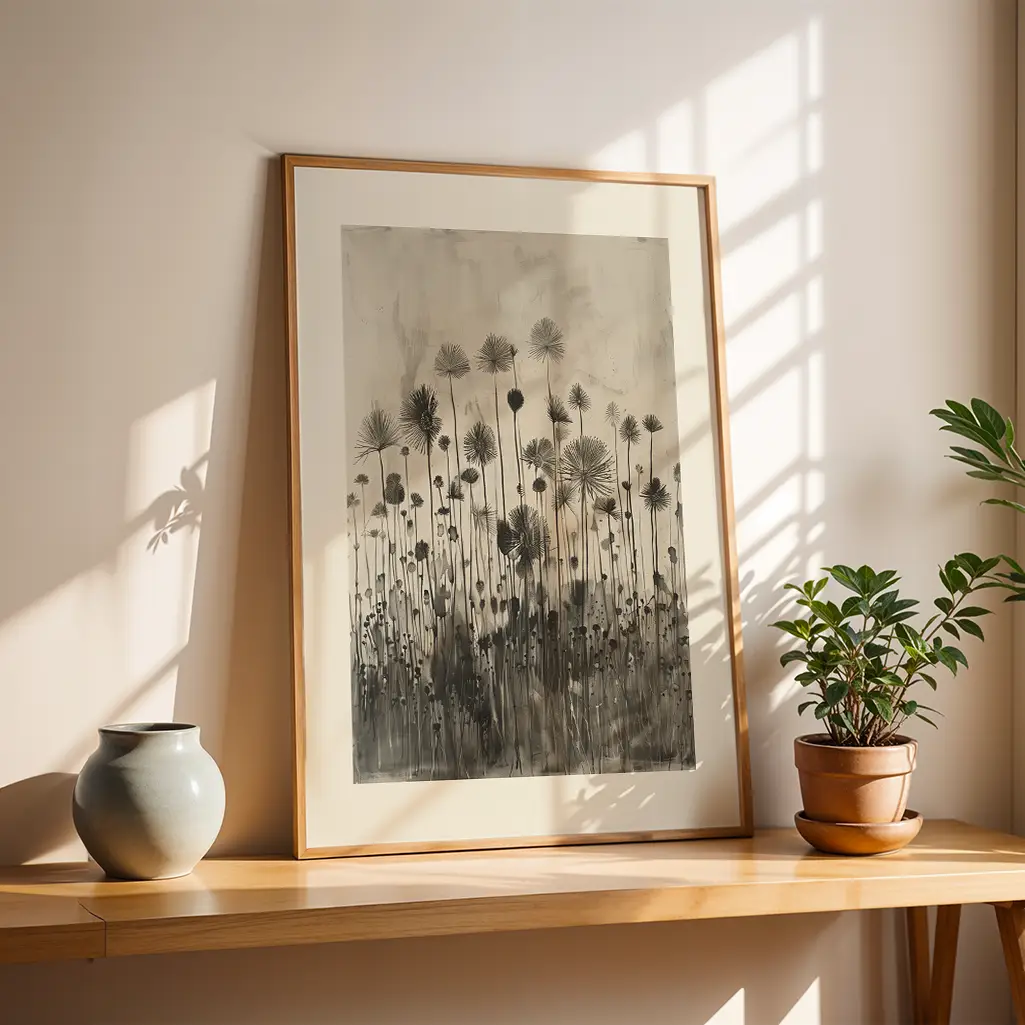
Trends, in other words, are not only about the image; they are about format, scale, and how casually or formally we present things. Oversized canvases are replacing busy gallery walls in smaller rooms, as if one strong sentence is easier to live with than twenty clever ones. Lightweight frames, or even frameless hangings with visible edges, give work a more “studio fresh” feel. The trend toward leaning art on mantels or shelves instead of nailing it up reflects a culture that knows it will move, change jobs, rearrange.
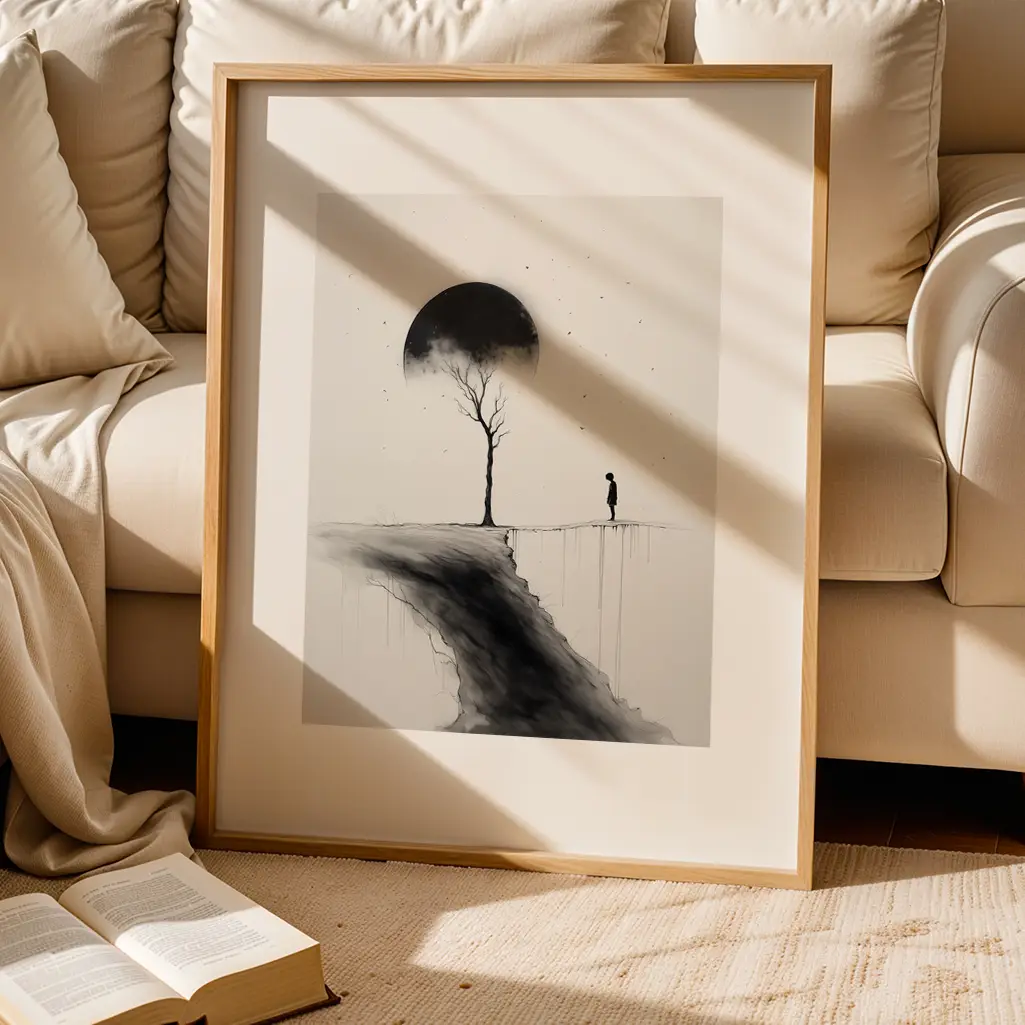
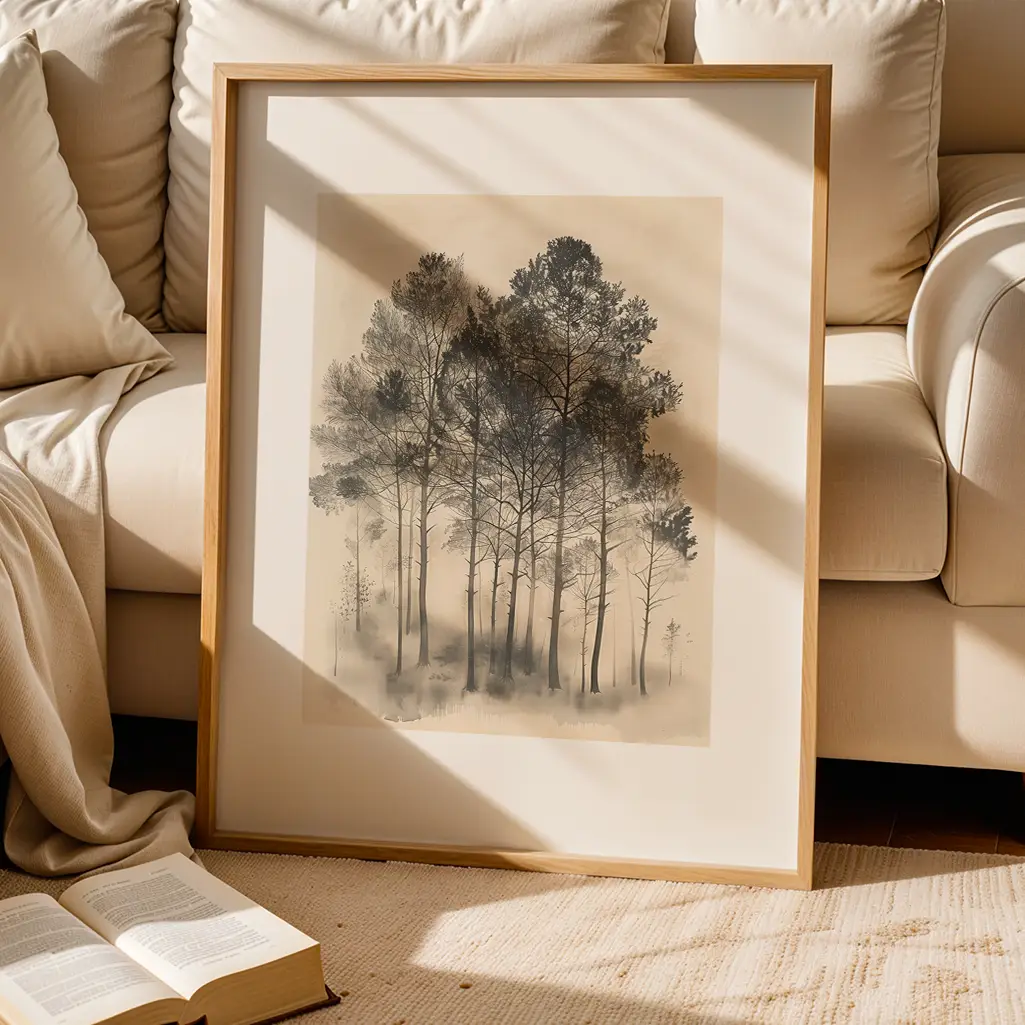
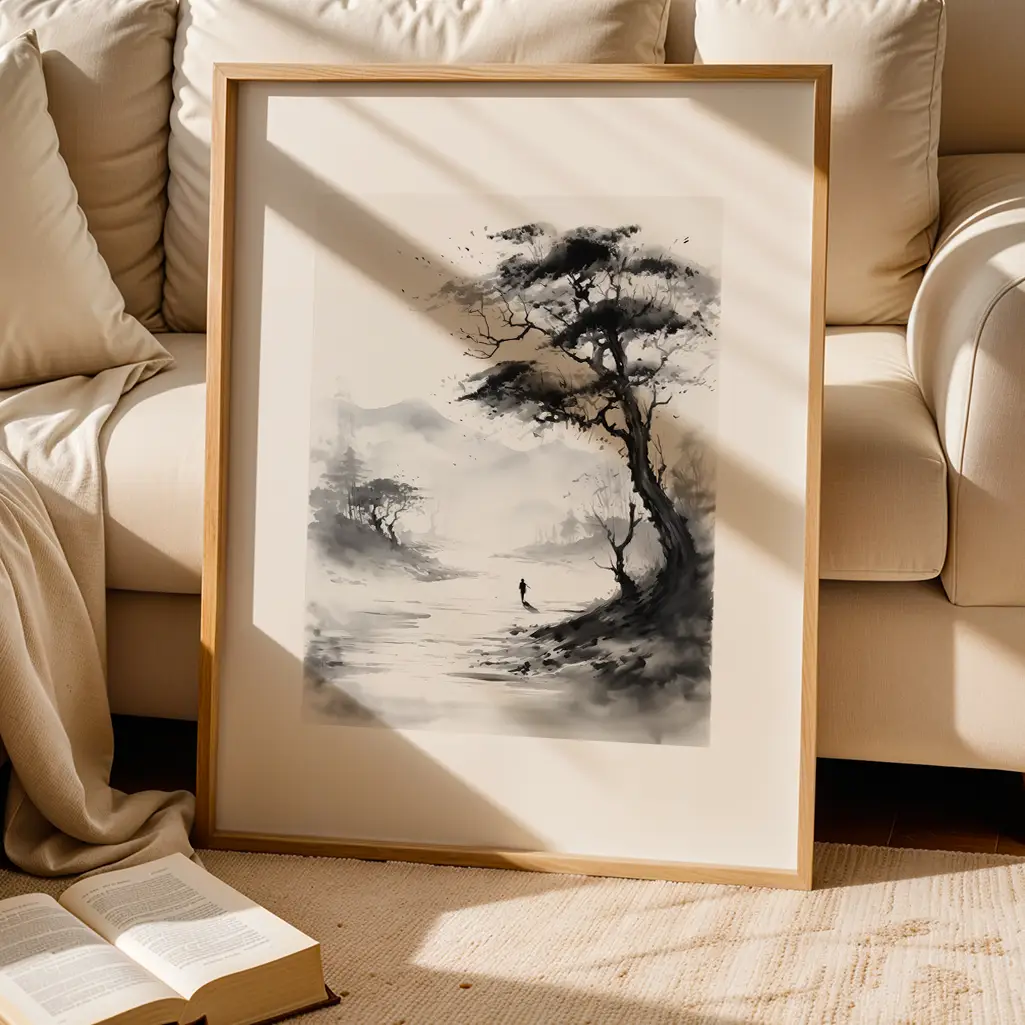
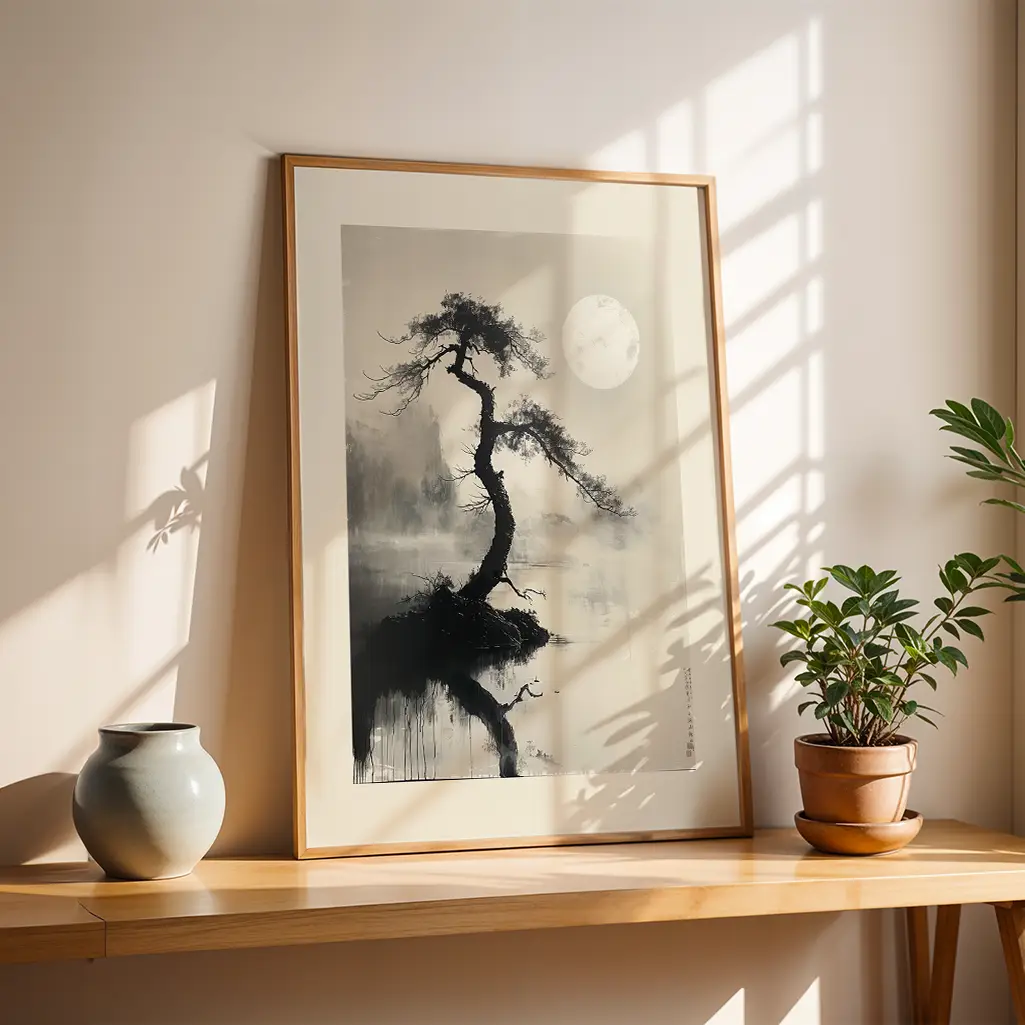
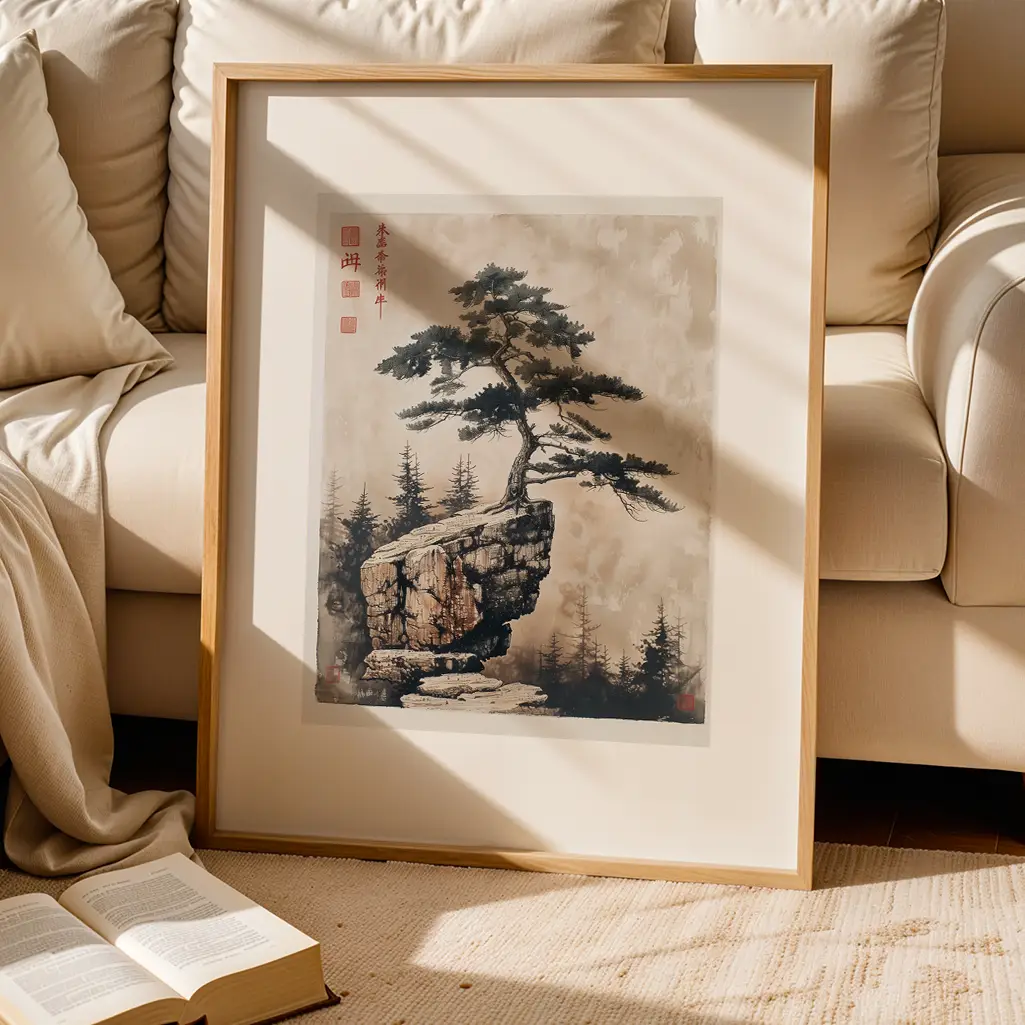
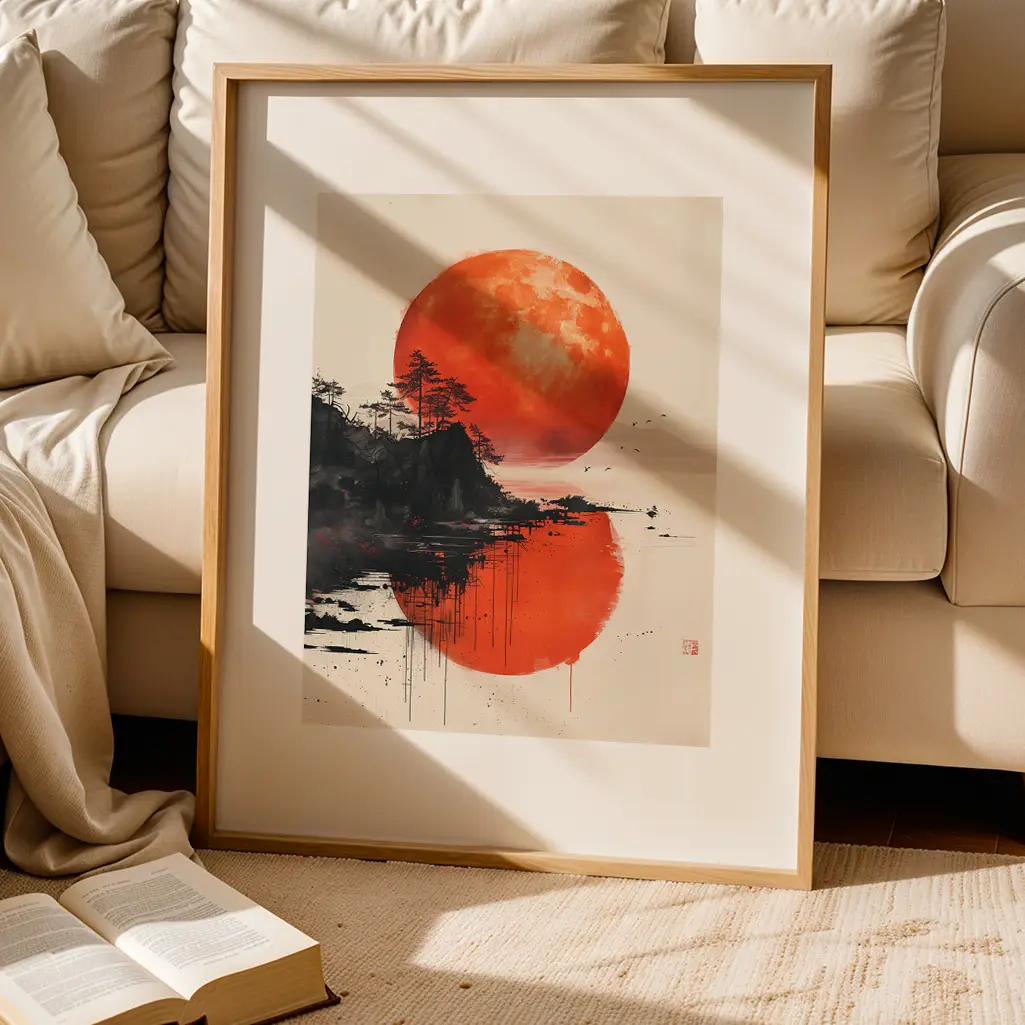
Yet if you zoom out, much of this is simply a remix of old ideas. The urge to surround ourselves with narratives and symbols is as old as cave painting. Today’s minimalist line art echoes East Asian ink landscapes; our fondness for tonal, foggy photography mirrors 19th-century pictorialist experiments. Understanding that lineage can calm the anxiety of trend chasing. You are not reinventing the wheel every time you hang a new print; you are joining a long conversation about how humans make rooms feel like they belong to them.
What feels “now”: using trends without dating your space
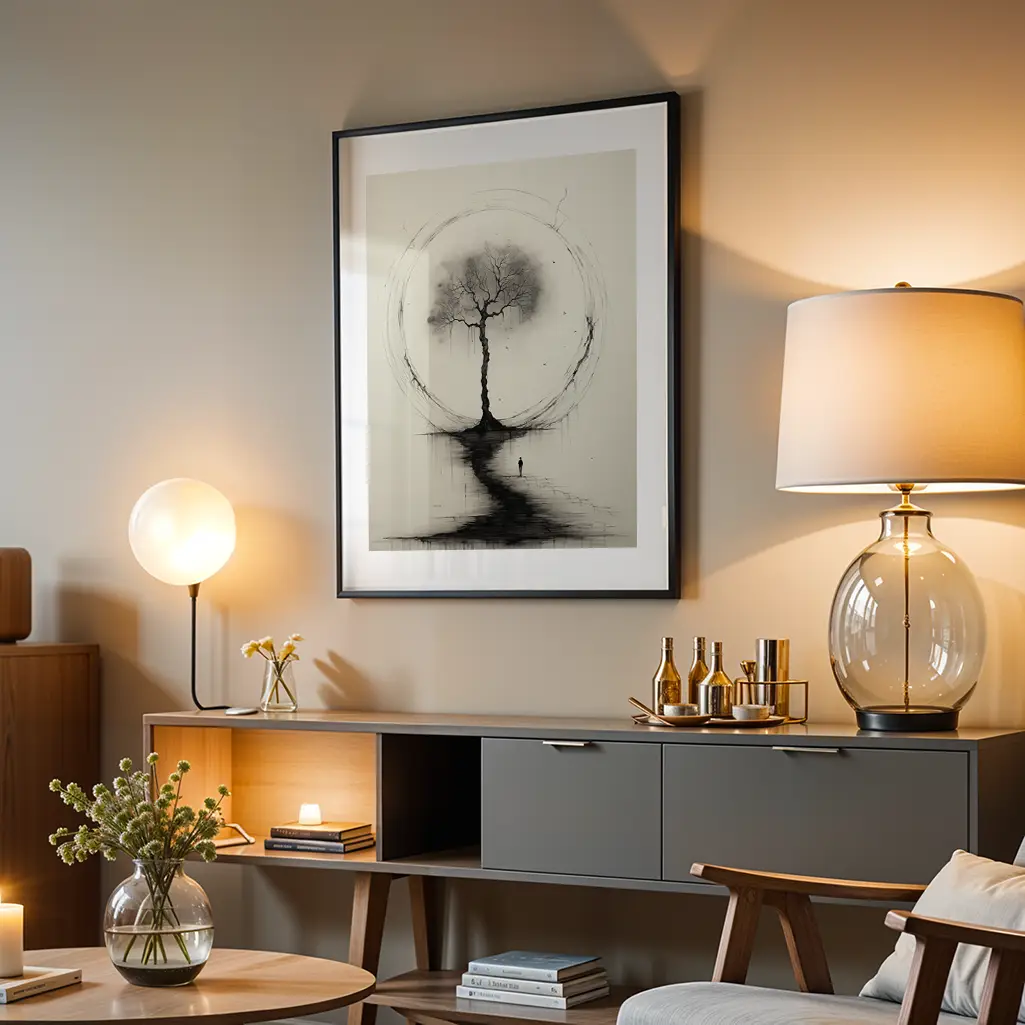
Contemporary wall art trends tend to fall into a few emotional categories. There is the quest for serenity: pale abstracts, blurred seascapes, and color fields that function almost like visual white noise. There is the hunger for texture: plaster relief pieces, woven wall hangings, and sculptural ceramics that treat the wall less like a page and more like low-relief architecture. And there is the appetite for irony and pop: cheeky typography, reimagined vintage advertisements, and bold, flat-color graphics.Each of these trends can beautify a home when used with intention. The trick is to ask what role a piece will play before it goes up. Is this meant to calm, to energize, to provoke a smile, or to anchor an otherwise neutral room? For example, a large, tranquil abstract over the sofa can keep a small living room from feeling fragmented. A tighter cluster of smaller, more graphic works might suit a hallway where you only ever pass through briefly but appreciate a flicker of personality.
Another dimension of “now” is how we source art. Downloadable prints, small-batch screenprints from independent makers, and even AI-assisted imagery have flattened the distance between creator and wall. This abundance can feel liberating or overwhelming. A useful filter is to choose pieces that tell some part of your own story rather than simply echoing what a trend roundup suggests. A photograph from a place that changed you, a print by a local artist you met at a market, or a playful poster from a favorite band turns a trend into a chapter of your life rather than just a look.
Scale and negative space are just as important as the images themselves. The modern instinct is to go larger than you think you should. One commanding work above a bed or dining table often feels calmer and more intentional than a scattering of smaller frames. At the same time, leaving breathing room around that piece is what keeps it from feeling like visual shouting. A trend can be adopted simply through proportion: an oversize botanical drawing on cream paper can feel current even if the subject matter is centuries old.
Try treating obviously trendy pieces as temporary guests. Use more affordable prints or posters for these, and give them the spots that are easiest to change, like above a desk or in a hallway. Reserve the most prominent walls for work that feels like it could travel with you from one home to the next, even if your furniture and paint colors change.
What lasts: building a timeless backbone for your walls
Timeless wall art is less about a particular style and more about enduring relationships. Certain themes repeat across cultures and centuries because they carry flexible meaning: landscapes, portraits, abstractions of light and color, and quiet domestic scenes. A small still life of a bowl of fruit, painted a hundred years ago, can feel unexpectedly modern in a spare, contemporary room because it speaks in the simple language of shape, light, and intimacy.Materials also contribute to a sense of permanence. Oil on canvas, ink on paper, woodblock prints, and handwoven textiles have a tactility that rewards long looking. When you invest in one or two pieces made with care, they become visual anchors you can design around. Even if your surrounding furniture shifts from midcentury to something softer, the art maintains the thread of continuity that makes the space feel like yours.
One practical way to test for timelessness is to imagine a piece in three different settings: your current home, a completely different style of interior, and a hypothetical future space five or ten years from now. If the work still feels itself and still makes sense, it likely has staying power. Works that rely heavily on niche cultural references, hyper-specific color palettes, or meme-like humor tend to expire faster. They can still be delightful; they just belong in the more flexible corners of your home.
There is also the quieter, personal measure of timelessness: do you keep returning to the image in your mind when you leave the room? Art that earns its place over years is often work that reveals itself slowly. You notice a background detail you had missed, or the way the colors shift with evening light, or how your own mood transforms the meaning of the scene. This slow-burning relationship outlasts trends because it is rooted in your evolving attention.
When arranging a mix of trendy and timeless pieces, think like a composer. The classic works are the recurring motifs; newer, more of-the-moment items are variations and improvisations. Place your most enduring pieces where your gaze naturally settles when you first enter the room: above the sofa, opposite the bed, on the wall you face from your favorite chair. Let the trendier works orbit these anchors along secondary walls, shelves, and transitional spaces.
Ultimately, the most successful walls do not feel frozen in a single era, nor do they chase novelty for its own sake. They carry a gentle tension between what you love today and what you suspect you will love in ten years. If you can walk through your home and feel that tension as energy rather than anxiety, you have likely struck the right balance between what is in and what is timeless.