Seeing the Space Between Things
“Negative space” sounds, at first, like a problem: a lack, a blank, a part of the room you forgot to decorate. In design, though, it is the quiet partner that makes everything else legible. If the sofa, the artwork, the table lamp and the coffee table are the “positive” elements, negative space is the air that flows around and between them. It is floor you can walk across without sidestepping, the wall left bare next to the gallery of frames, the smooth breathing room around a single vase on a shelf.We notice negative space most clearly when it is missing. A cluttered room reads as loud partly because your eye has nowhere to rest. Every surface competes to be important. Without pauses between objects, your brain has to work harder to sort the scene into something coherent. With generous negative space, that sorting becomes easier, almost automatic. Your gaze slows. Things appear more considered, often more valuable, because they are not jostling for attention.
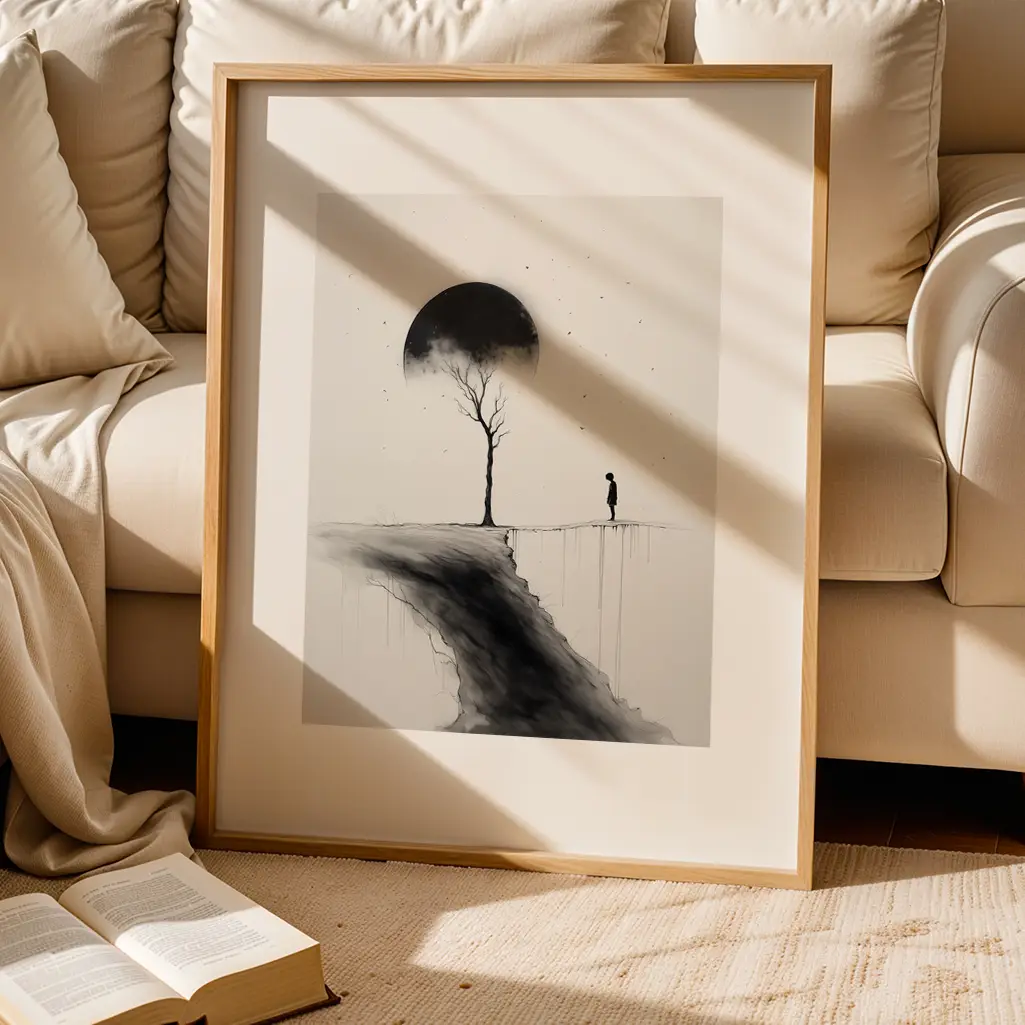
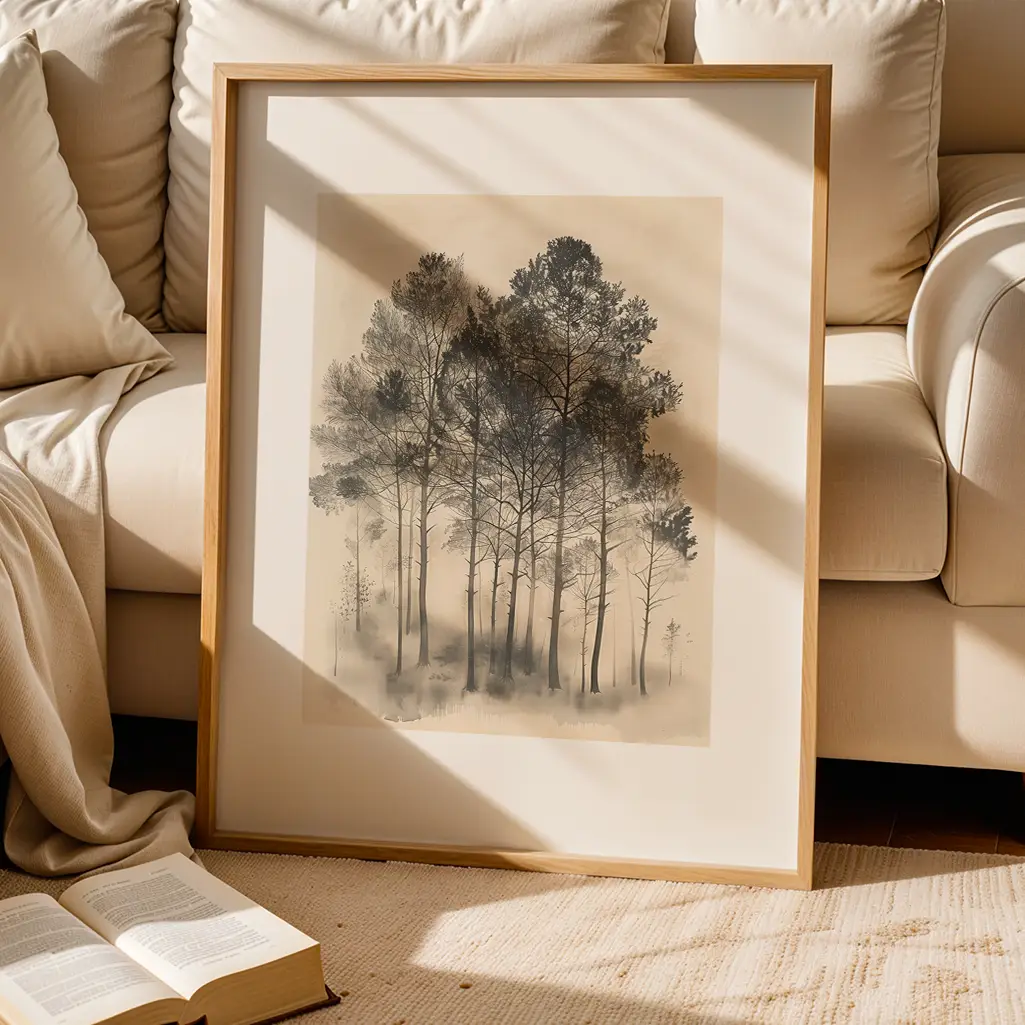
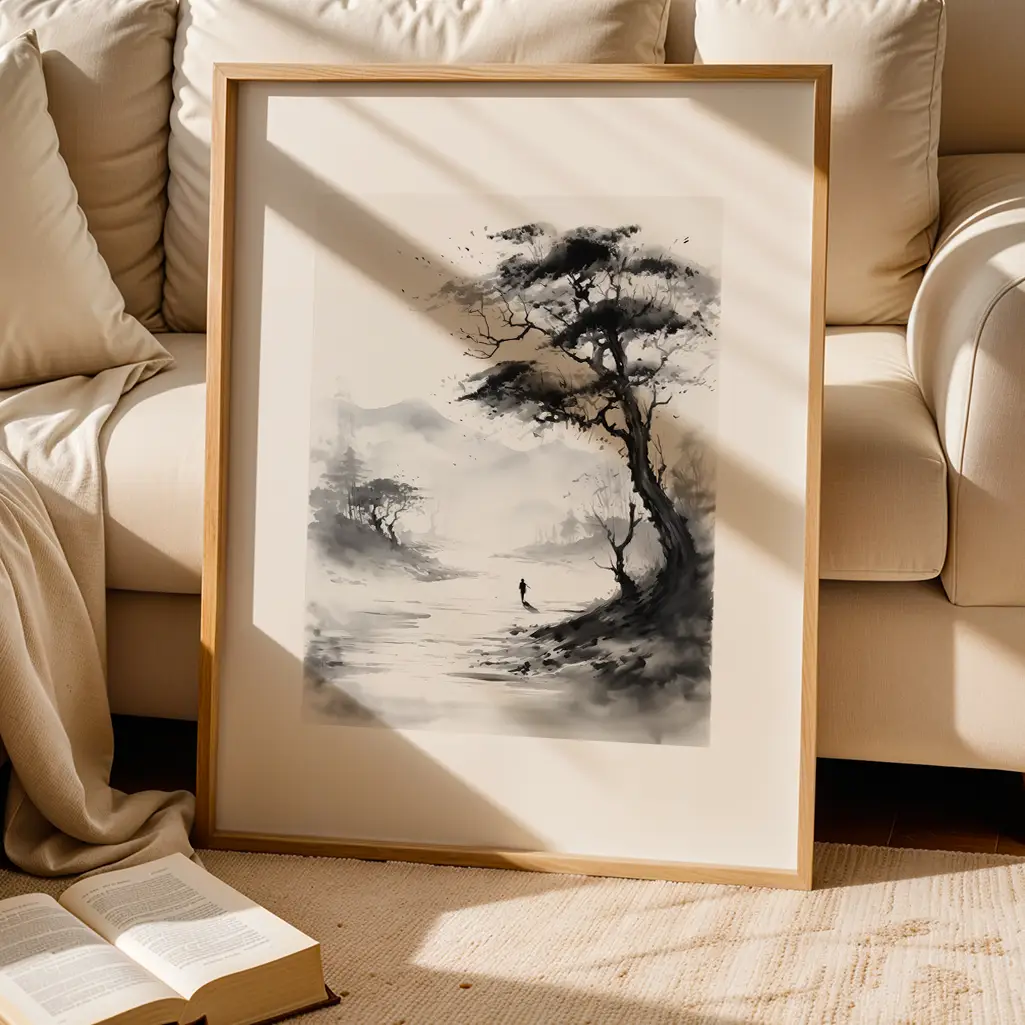
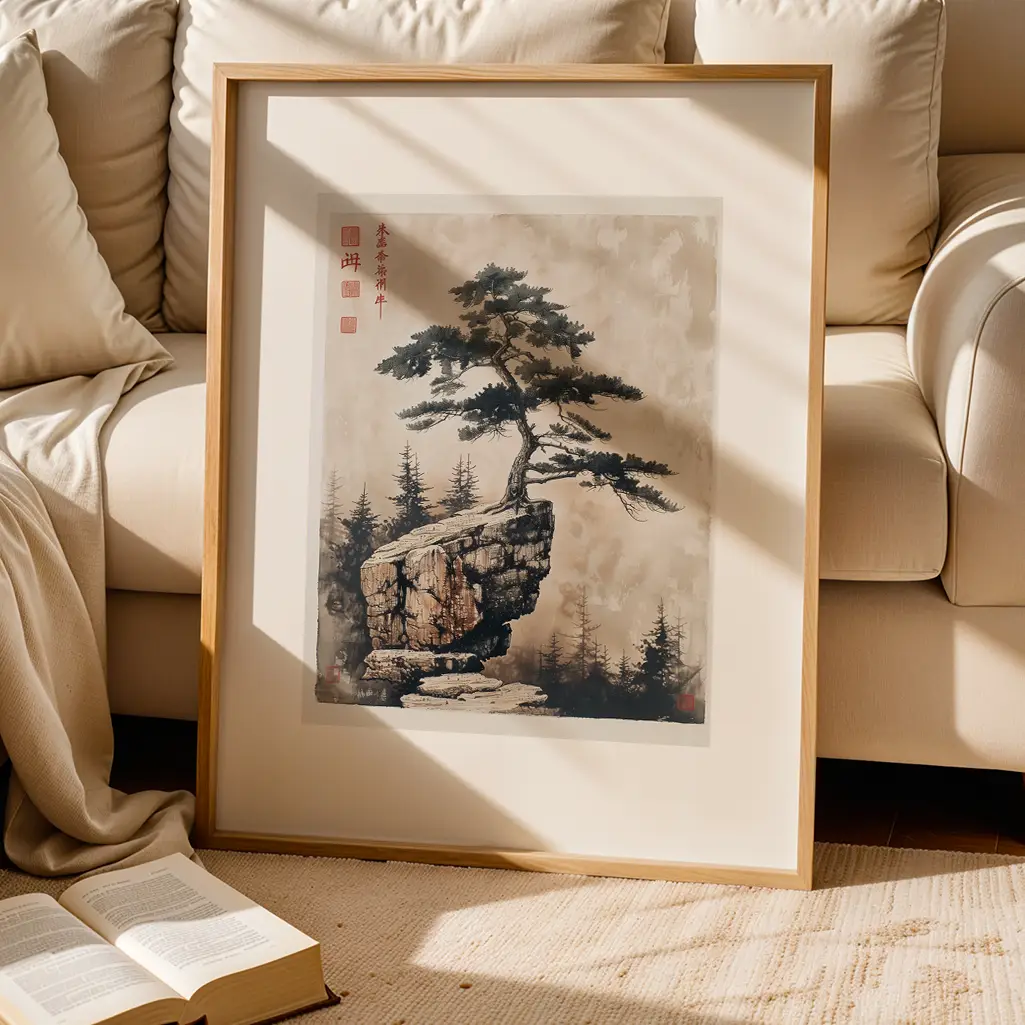
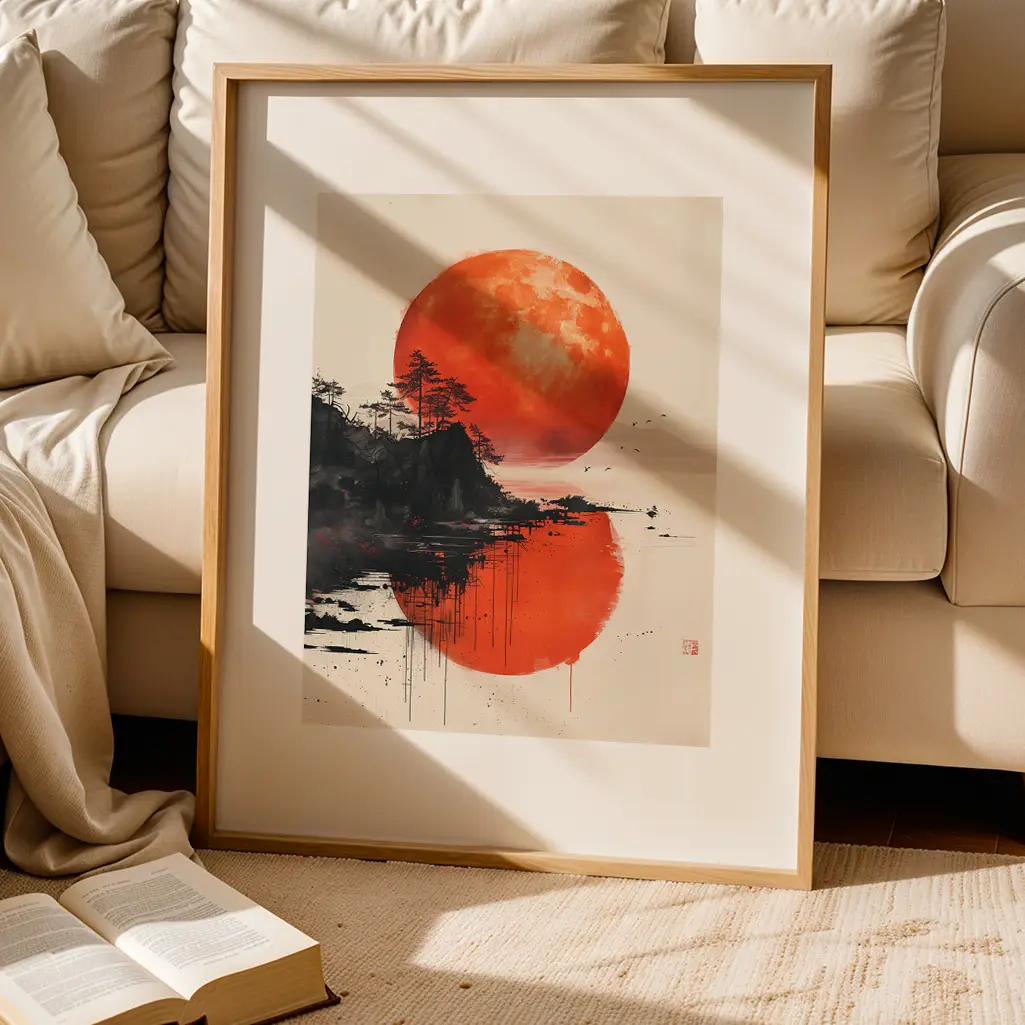
Designers borrow the term from graphic design and architecture, where the balance between figure and ground is fundamental. Think of a well-set book page: the margin around the text is not wasted paper; it concentrates the words. Or consider a museum gallery where a single painting hangs on a wide, plain wall. The empty wall is not a failure to hang more art. It is a deliberate frame that tells you, gently but firmly, “Look here.” In a home, the same principle governs why one ceramic bowl centered on a dining table can feel more luxurious than five competing arrangements crammed together.
Psychologically, negative space calms us because our visual system favors patterns that can be read quickly. The brain is constantly grouping shapes, inferring boundaries and assigning importance. Too many stimuli in a small area flood that system. The result is a low-level agitation that many of us register without naming: the sense that a room is stressful for reasons we cannot quite articulate. When we edit our spaces, leaving more of them seemingly untouched, we reduce that visual noise. The room may contain the same objects, but the experience of inhabiting it changes.
How Negative Space Works in a Room
Negative space is not a universal recipe for minimalism. It is a relationship, a ratio between what is there and what is not. Two homes can both embrace negative space and still feel very different: one airy and restrained, another layered and warm. What matters is that everything has enough room to assert its shape. In practice, this begins with how you perceive the boundaries of your rooms.Imagine standing in your living room doorway and squinting slightly, so colors blur and only outlines remain. Which shapes dominate? Where do they crowd each other? The gaps between furniture pieces trace invisible paths for your body and your gaze. When those paths kink and stutter, you feel compressed. When they arc smoothly, with generous intervals, you feel as if the room is exhaling.
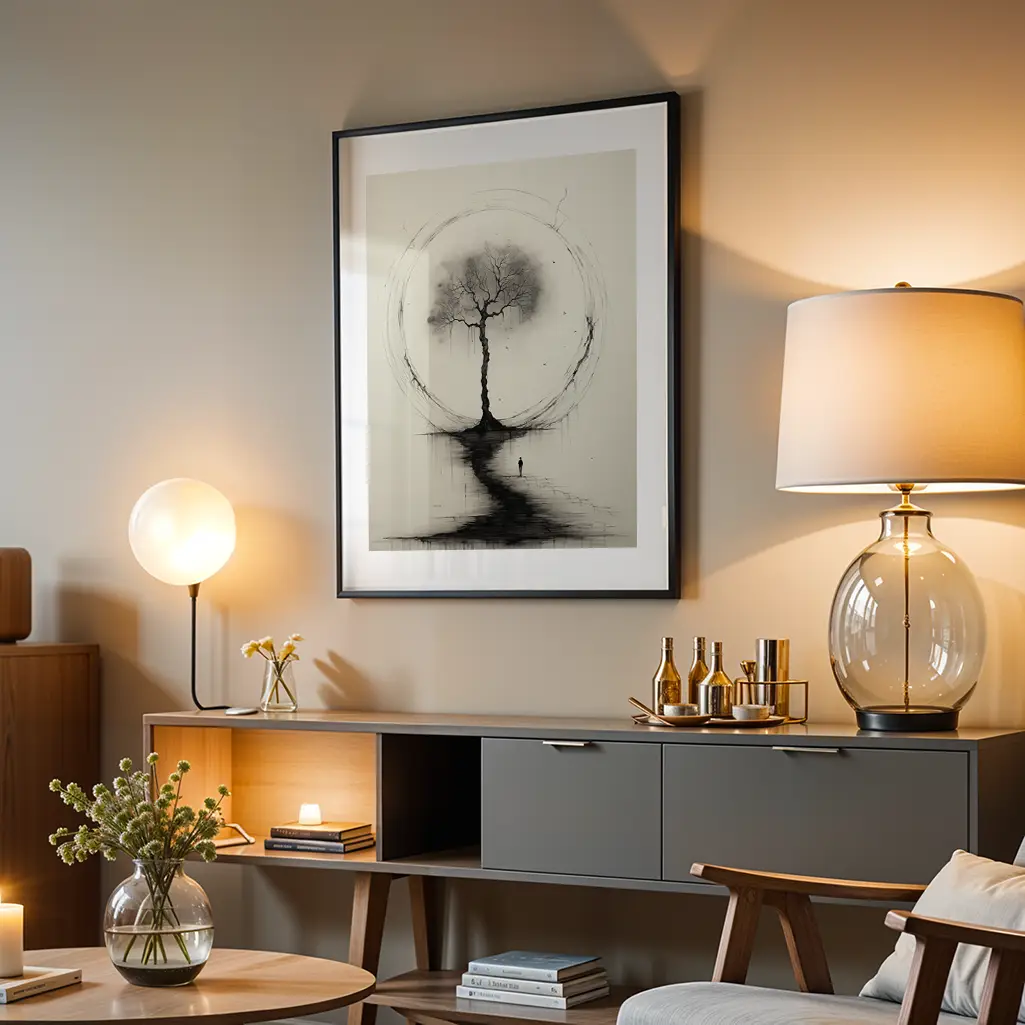
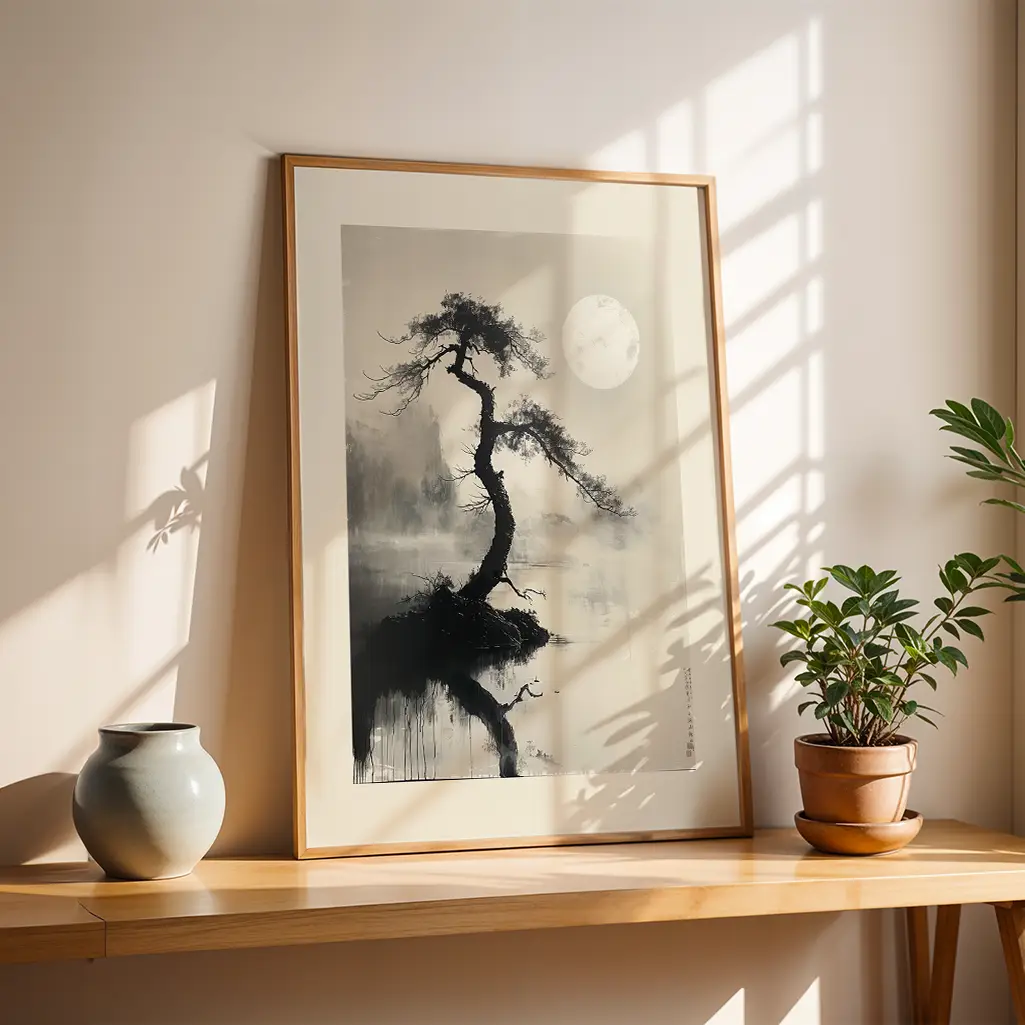
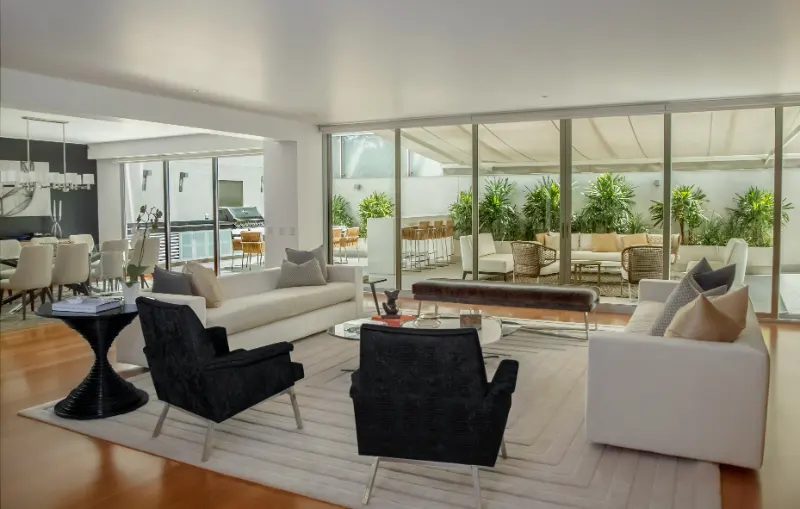
Designers often think of “fields” of negative space: the open floor triangle between sofa, chair and coffee table; the clear vertical column from floor to ceiling near a window; the uninterrupted band of wall just above a credenza. Each field sets off the forms that border it. Move the coffee table too close to the sofa and that floor triangle shrinks, making both pieces feel heavier. Stack objects along the credenza until no patch of wall peeks through and you lose the floating strip that would give the vignette definition.
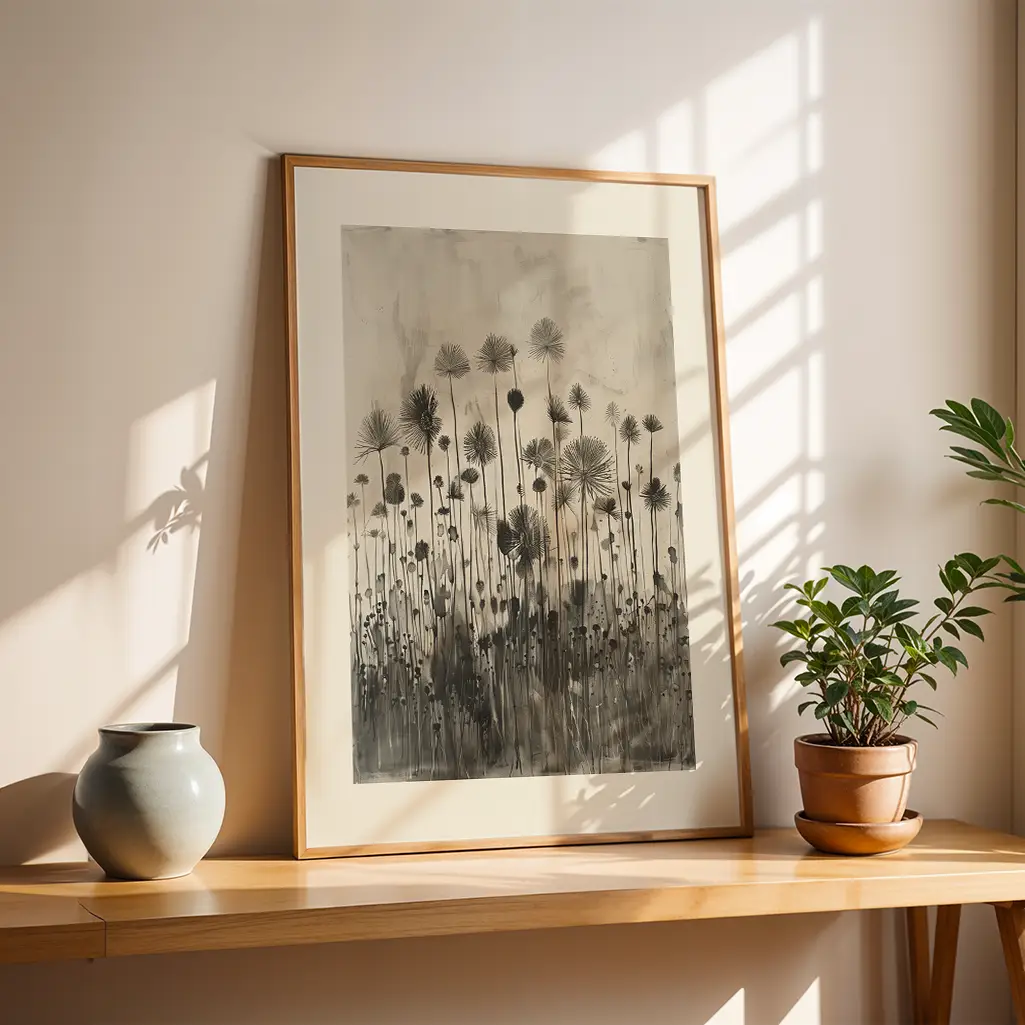
Negative space also has texture. An empty white wall in a loft is different from a plaster wall with soft shadows in late afternoon, or from a linen curtain billowing in front of glass. Small variations in light and material keep empty areas from feeling sterile. This is part of why a pared-back Japanese interior or a Shaker room feels serene rather than vacant. The gaps are alive with subtle changes in tone and shadow. You are not staring at absence; you are noticing gradations.
Crucially, negative space is flexible over time. A dining table might be kept clear most days, becoming an island of calm in the main living area. During a dinner party, it fills with dishes and glassware, the negative space shrinking but not disappearing entirely. There is still the open band above the table and the clear stretch of floor beside it. Thinking this way makes it easier to accept that calm does not mean static. A room can breathe in and out with your life, expanding its quiet zones when you need them and condensing them when activity takes over.
Using Emptiness as a Design Tool at Home
To work with negative space in your own home, it helps to reverse your usual way of decorating. Instead of asking what else you could add, begin by asking what you can remove and what you can leave unfilled. This is not an argument for an austere, gallery-like existence. It is an invitation to treat open areas as active choices. A bare stretch of wall behind the sofa may be exactly what allows one piece of art nearby to feel special. A nightstand holding only a lamp and a book may grant the bedroom more psychological rest than one layered with plants, trays and small objects.You might experiment by temporarily clearing a surface or a corner more radically than feels comfortable. Pull a chair away from a cluster, empty a shelf, or roll up a small rug to open a swath of floor. Live with the new arrangement for a few days, noticing the shift in how you move and where your eye lands first when you enter. Often the initial discomfort is not about the emptiness itself but about confronting how conditioned we are to treat every empty spot as a problem to be solved.
Negative space also works at the scale of a whole home. Not every wall needs art; not every corner needs a plant or a chair. A quiet hallway can be a visual reset between richer rooms. A simpler entry, with just a place to sit and a hook for a coat, can unclutter the mental transition between outside and inside. These unadorned moments act like line breaks in a poem, giving rhythm to the narrative of your day at home.
The calming power of negative space does not arise from style labels like “minimalist” or “maximalist.” It comes from coherence. When there is enough room around each element, even a room full of books, textiles and art can feel gentle rather than overwhelming. The eye understands where to land, then where to wander next. Your nervous system follows. Designing with negative space is less about strict rules and more about learning to value what is not there as much as what is. In choosing to leave parts of your home unfilled, you make room for something else: your own attention, arriving without hurry.