The quiet shock of seeing clearly
In Zen, “satori” is often introduced as sudden enlightenment, a kind of spiritual lightning bolt. That translation is both helpful and misleading. It is helpful because satori does arrive as a jolt: a sharp, unmistakable shift in how reality feels. But it is misleading because lightning suggests drama and distance, a storm outside the window. In practice, satori is closer to the way dawn slowly proves that the shapes in a dark room were there all along.
At its simplest, satori means “to understand” or “to see into one’s true nature.” It is not a reward for being good or an escape from ordinary life. It is a clear and immediate seeing that what you call “you” and what you call “world” are not as separate, solid, or fixed as they appear. Zen tradition describes it as a collapse of the usual story about yourself, replaced not with new beliefs but with a bracing, wordless intimacy with what is already here.
This is why classical Zen teachers warn against romanticizing it. They say that chasing mystical fireworks is like staring at the moon and tripping over a stone at your feet. Satori is realized in the stone, in the breath, in the way light falls across a table at 3 p.m. The experience may feel extraordinary, but its content is radically ordinary: the sound of a kettle, the texture of wooden floorboards, the weight of your own fatigue.
If that sounds abstract, imagine the way your perception changes when you emerge from a difficult conversation and suddenly notice the room again. The plant in the corner seems greener, the air cooler, the familiar chair somehow newly present. Nothing exterior has changed, yet everything feels more vivid, less filtered. Satori is that kind of shift, taken to an almost unsettling depth. The filter itself is seen through.
Koans, practice, and the ordinariness of awakening
Zen is notoriously allergic to tidy definitions, so it approaches satori sideways. One of its most distinctive tools is the koan, a kind of verbal puzzle that resists normal logic. A monk asks, “Does a dog have Buddha nature?” and the master replies with a single unexpected syllable. Another student inquires about the essence of Zen and is told, “Drink your tea.” These exchanges are odd on purpose. They are meant to nudge the mind into a place where its usual habits of grasping and categorizing fail.
In that moment of failure, there is a chance for satori. The mind, unable to solve the koan by its old methods, briefly stops insisting on its stories. What remains is a bare, direct encounter with the present moment. This is also why sitting meditation is central to Zen. Long hours of simply sitting and breathing, noticing thoughts but not following them, wear down the belief that thoughts are the only valid way to know the world.
Classical Zen describes two kinds of realization. One is sudden and dramatic, an unmistakable break: the student hears a pebble strike bamboo and in that crisp sound, the entire scaffolding of self and world falls away. The other is gradual, a quiet, repeated clarification over years of practice. In reality, people often experience a mix of these. A sharp glimpse might be followed by a long period of integrating it into the messy business of living.
Importantly, Zen insists that satori is not the end of the path. Teachers will say, “Before enlightenment, chop wood, carry water. After enlightenment, chop wood, carry water.” The external tasks do not change. What shifts is the intimacy with which they are done. The broom, the sink, the sound of a neighbor’s footsteps in the hallway: all of them are now recognized as expressions of the same seamless life you thought you were separate from.
This is where satori begins to intersect with how we shape our spaces. If awakening is not an escape from the everyday but a radical entering into it, then the way you arrange your home can either distract from that intimacy or quietly invite it. A cluttered room filled with unconsidered objects reinforces a cluttered mind. A space composed with attention gives the mind fewer places to hide and more chances to meet what is actually here.
Inviting a satori-friendly calm into your home
You do not need a temple to live with a bit of Zen clarity. You do not even need to call it satori. You can instead treat your home as a kind of daily, tactile koan: a place that keeps asking, without words, “What happens if you really pay attention?” That question is answered in materials, light, and the choreography of your routines.
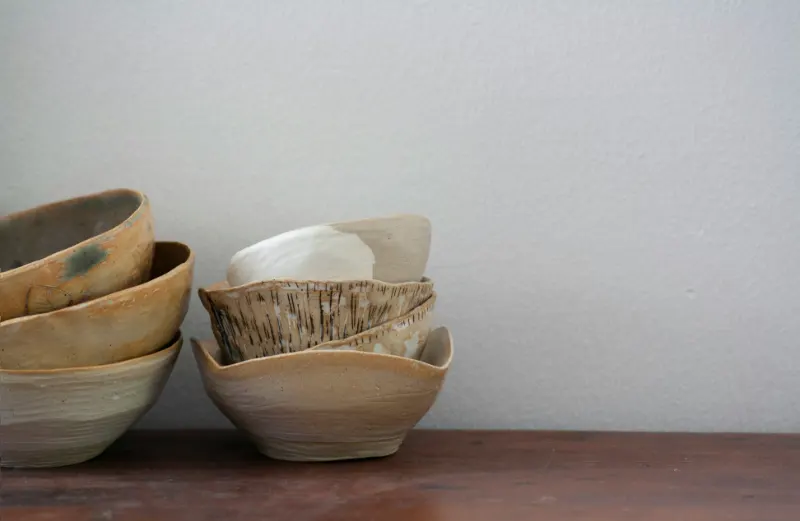
Begin with what your eyes and hands touch most often. A single cleared surface, for example, can act like a small meditation cushion in the middle of your day. When a table is stripped of everything but one plant or one well loved bowl, your attention has somewhere to rest. The object is not there to impress but to be encountered. Its imperfections, the way it catches light, even the dust that gathers around it can become part of a quiet dialogue between you and the room.
Light plays a similar role. Zen monasteries traditionally treat light almost as a teacher. Morning light is allowed in gently, filtered through paper or fabric. In your own space, this could mean choosing window coverings that soften rather than block, and arranging seating where you can feel the slow travel of light across the day. The goal is not perpetual brightness but a relationship to change. Watching shadows lengthen on a wall is a small rehearsal for the kind of noticing that, in meditation, ripens into insight.
Negative space matters as much as what fills it. In music, silence shapes the notes. In a home, empty floor and blank wall allow the objects you do keep to be seen and felt more fully. This is not minimalism as an aesthetic posture but as an ethic of attention. Each piece earns its place because it contributes to a sense of calm clarity, or because it holds a memory you are willing to meet afresh each time you see it.
Even routine tasks can be quietly redesigned to echo the spirit of satori. Washing dishes with both hands in the sink instead of one on the phone, folding laundry at a clear table instead of in front of a screen, pausing at the doorway to notice the exact feel of the room before you enter: these are tiny, domestic versions of the Zen student turning toward a koan. The difference is that your koan might be the sound of water in the pipes or the grain of the wood beneath your bare feet.
In this way, a home becomes less a backdrop and more a collaborator. It asks, over and over, without fanfare, whether you are willing to be awake to your own life. Satori, in the grand Zen sense, cannot be designed into existence. But you can arrange your rooms so that, if a moment of clear seeing does arrive, there will be somewhere simple and welcoming for it to sit down and stay awhile.


.webp)