Redefining Pace in a Fast-Forward World
Slow living is less a lifestyle trend than a quiet rebellion against the default setting of modern life. It does not ask you to move in slow motion or abandon ambition. Instead, it asks a more radical question: what if the true luxury is attention, not acquisition? In that sense, slow living is the practice of aligning your time, home and habits with what you actually value, rather than what the culture insists you should chase.The easiest way to misunderstand slow living is to imagine it as a cottagecore fantasy, all linen dresses and sourdough starters. Those can be delightful, but they are aesthetics, not a philosophy. At its core, slow living is about intentional trade-offs. You say yes more selectively, so that the yes you offer has weight. You design your environment to reduce friction and noise, so that what is meaningful can rise to the surface.
Think of your day as a room. Most of us live in a schedule as cluttered as an overstuffed closet, where every corner is crammed with commitments, notifications and half-finished tasks. Slow living begins by editing that room. You remove what is broken or never used, you keep what serves you, and you add a little empty space. That empty space is where rest, curiosity and genuine connection can actually occur.
The home becomes the workshop where this editing happens. It is not just a container for your life but an active collaborator. A rushed home pushes you along; a slower home gently cues you to pause. The goal is not perfection, which is another form of pressure, but a subtle recalibration of pace. Your rooms start whispering different instructions. Instead of "hurry," they say "notice." Instead of "produce," they say "be here for a moment." When your home changes its script, your nervous system begins to follow.
A simple practical lens can help. Slow living invites you to keep asking three questions. What am I carrying that is not mine? What am I neglecting that quietly matters? And where in my home can I make it easier to do what I say I care about? Those questions, repeated over time, matter more than any single organizing hack.
Designing a Home That Supports a Slower Life
If slow living is a philosophy, interior design is one of its most tactile tools. The point is not to arrive at a magazine-perfect room, but to create spaces that are genuinely compatible with how you wish to live. This is less about style and more about choreography: how your body moves through a day, where your attention is pulled and where it is allowed to rest.Start with entrances, the liminal zones of a home. The first surface you see when you walk through the door sets the psychological tone for everything that follows. A hallway layered with mail, tangled chargers and shoes from three seasons invites mental static. By contrast, a small, deliberate arrangement, perhaps a modest tray for keys and a single object you enjoy looking at, offers a moment of arrival. You are telling yourself, gently, that transitions deserve a breath, not a blur.
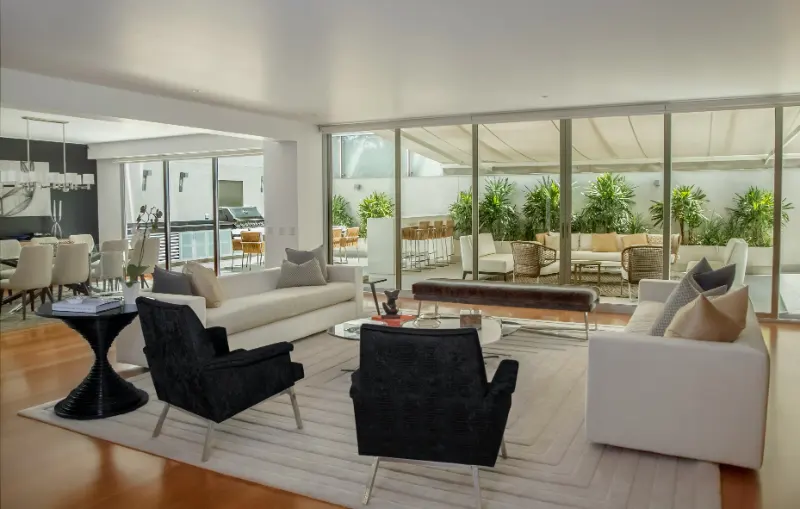
The same principle applies to living spaces. Ask what each room is really for, not what it has drifted into being. The living room that is supposed to host conversation but is dominated by a large, always-on screen will tend to deliver more scrolling than talking. Slowing things down might mean rearranging seating so chairs face one another rather than orbiting the television, or creating a reading corner that is actually reachable and lit, rather than aspirational. The design is successful if it makes the slower activity the path of least resistance.
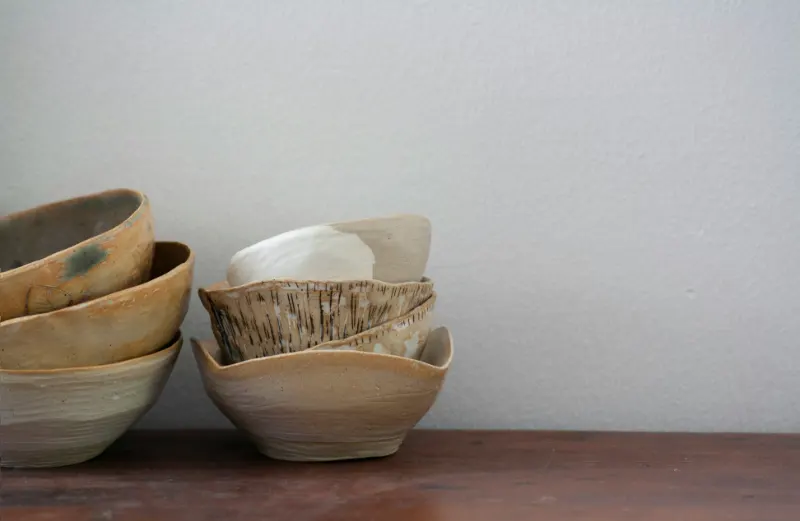
Objects in a slow home do not need to be sparse, but they benefit from having a reason to be there. The goal is not minimalism as an aesthetic, which can become its own performance, but coherence. An inherited chair that invites you to linger, a handmade mug that makes morning coffee feel less like fueling and more like a small ceremony, a plant that reminds you something is quietly thriving in your presence. These choices accumulate into an atmosphere. The room begins to feel like a conversation between your past and your present, not a dumping ground for whatever happened to pass through your online cart.
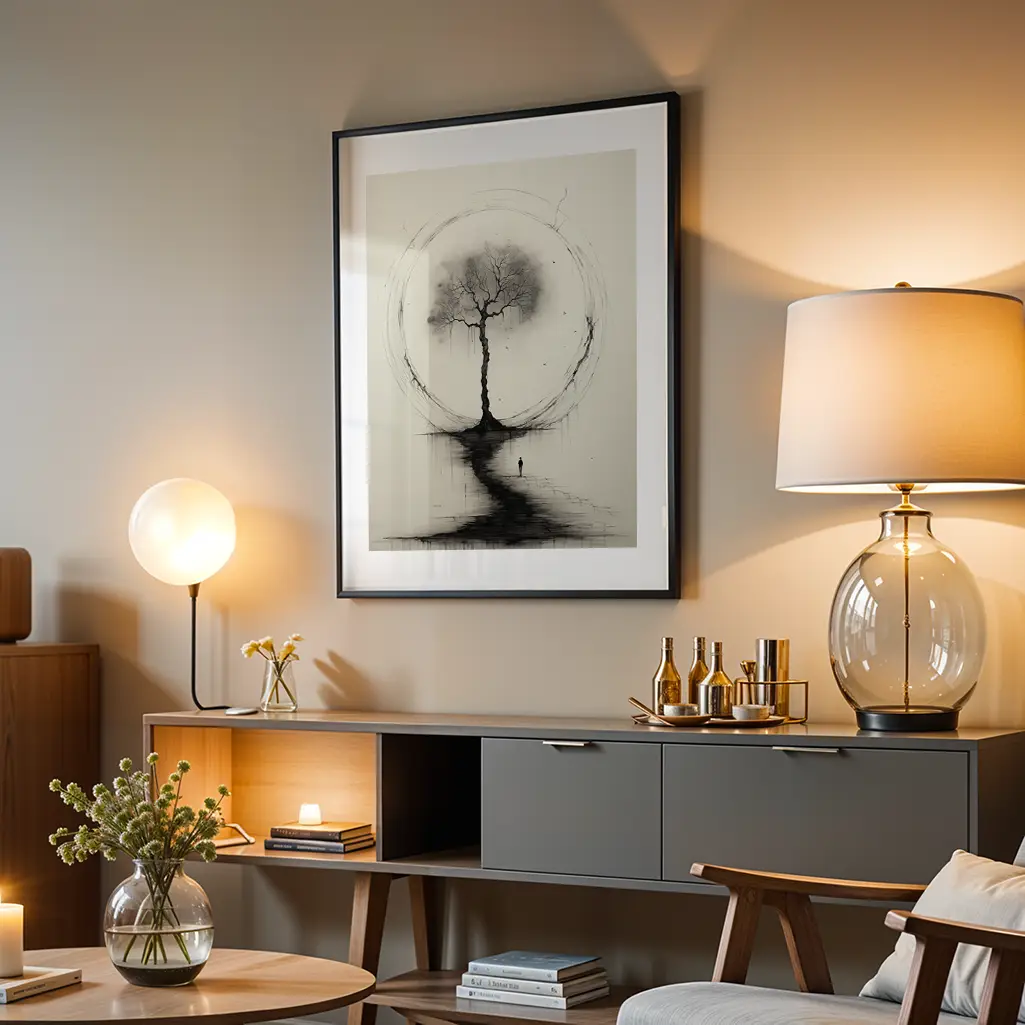
Light and sound also shape the perceived pace of a home. Overhead lighting that blares the same at all hours keeps the nervous system on a single, unblinking setting. Layered lamps, candles used safely and the acceptance of a little darkness in the evening give the day a more natural arc. Likewise, a constant background of television or notifications can make even a beautiful room feel restless. Building in pockets of intentional quiet, perhaps at meals or the first hour after waking, gives your mind a chance to register that it is, in fact, somewhere safe.
Turning Daily Rituals into a Slower Rhythm
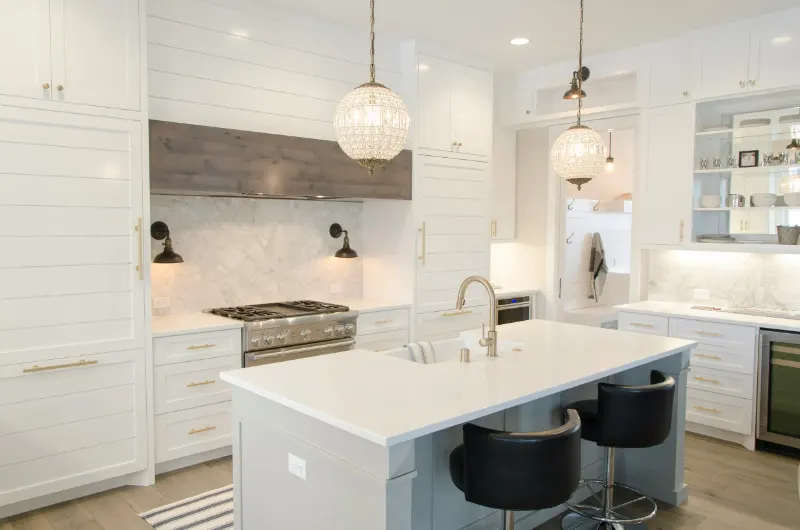
Slow living finally comes alive not in grand gestures but in the smallest, most repetitive parts of your day. The way you make coffee, fold laundry or prepare for sleep can either reinforce a story of rushing or offer brief lessons in enoughness. A home designed for slow living does not remove chores; it reframes them as occasions to be present.Consider the kitchen, often the most kinetic room in a home. A slow living approach might rearrange it so that the things you use each day are easy to reach, and the tools you rarely touch are not constantly in your way. The counter where you assemble breakfast can be cleared of visual noise, leaving room for a cutting board, your everyday mug and perhaps a small plant or stone that marks the spot as a place of ritual rather than mere throughput. Time may not change, but your perceived pace does when the environment stops insisting that you multitask yourself into distraction.
Ritual is the quiet technology of slow living. You can decide that every evening, for ten minutes, the living room becomes a device-free zone with a lamp on, a window cracked if the weather allows and some object to hold your attention, whether that is a book, a sketchpad or simply the view of the sky shifting color. The repetition teaches your body what your calendar rarely does, that it is permissible to have unproductive time that is nevertheless not wasted.
It is tempting to treat slow living as another project to optimize, a perfectionist puzzle in which even rest must be achieved efficiently. That is simply speed culture in different clothing. A more honest approach accepts that life will include commutes, deadlines and mess. Slow living is not an escape from these, but a rebalancing. Your home becomes a counterweight to the parts of the world that insist on urgency.
The remarkable thing is how modest changes in space can produce outsized shifts in feeling. A cleared bedside table that holds only a lamp and something worth reading can subtly reorient your nights. A small bench by the door where you actually sit to put on shoes can shift the morning mood from scramble to sequence. None of this will make your inbox shorter, but it can make your day feel less like a chase and more like a path you are walking on purpose.
In the end, slow living is not about becoming a different kind of person. It is about granting your current self the conditions in which attention can stretch out, breath can lengthen and rooms can feel like allies. The pace of the world may not slow, but within your walls you can choose a different tempo, one carefully tuned to the life you mean to live.