The Wall as a Conversation Partner
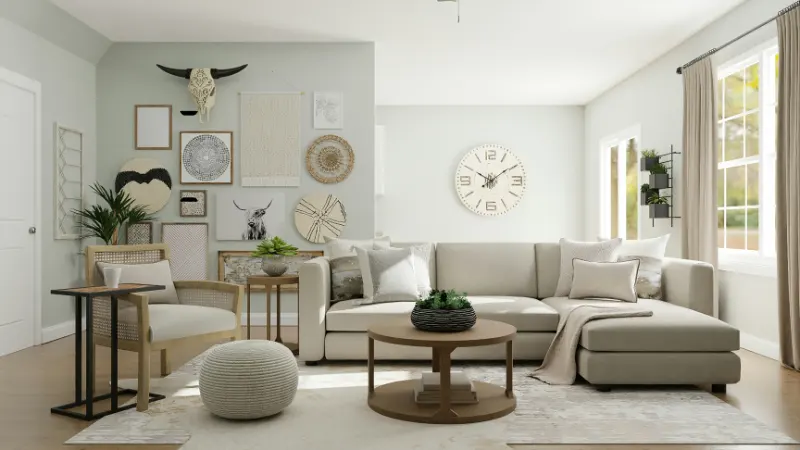
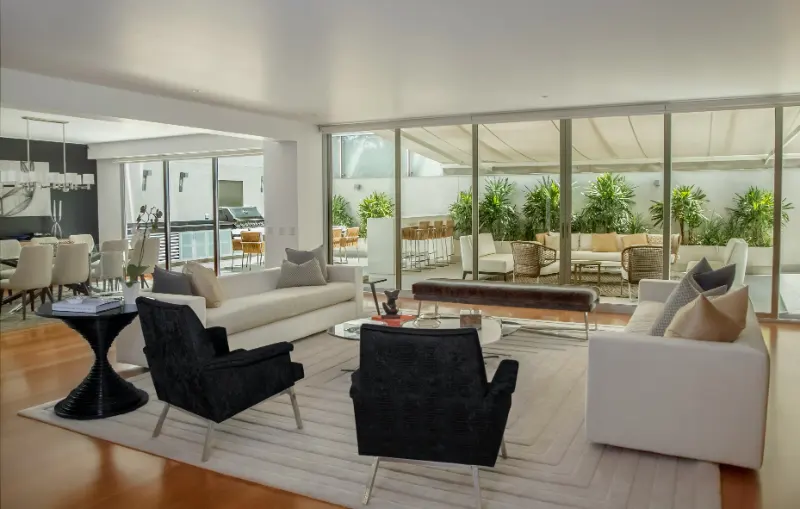
Walk into almost any living room and the largest wall will often be either crowded with random frames or left completely bare, as if everyone quietly gave up. Where to put wall art in the living room is less about rules and more about choosing which walls should speak and which should fall silent.Begin by standing in the room’s main doorway. What does your eye hit first? That is your natural focal wall. In many homes it is the wall behind the sofa, the wall facing the sofa, or the section framing a fireplace. If you treat this surface as your primary canvas, the rest of the room can relax around it.
The height of your art is the next quiet but powerful decision. Museums are not accidentally consistent. Their works tend to hover so the center of each piece is around eye level, roughly 57 to 60 inches from the floor for most people. In a living room, especially one with seated conversation, you can shade slightly lower so that the artwork feels connected to the bodies on the sofas rather than floating in some separate vertical world.
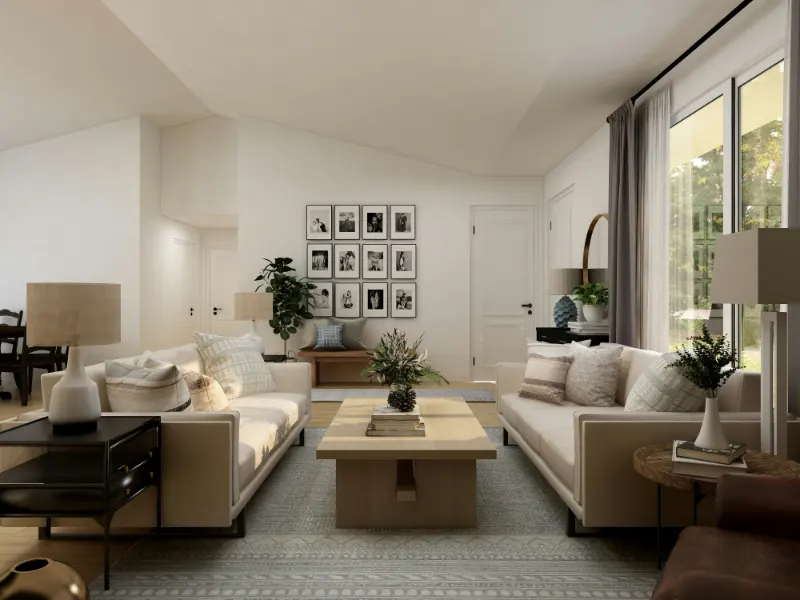
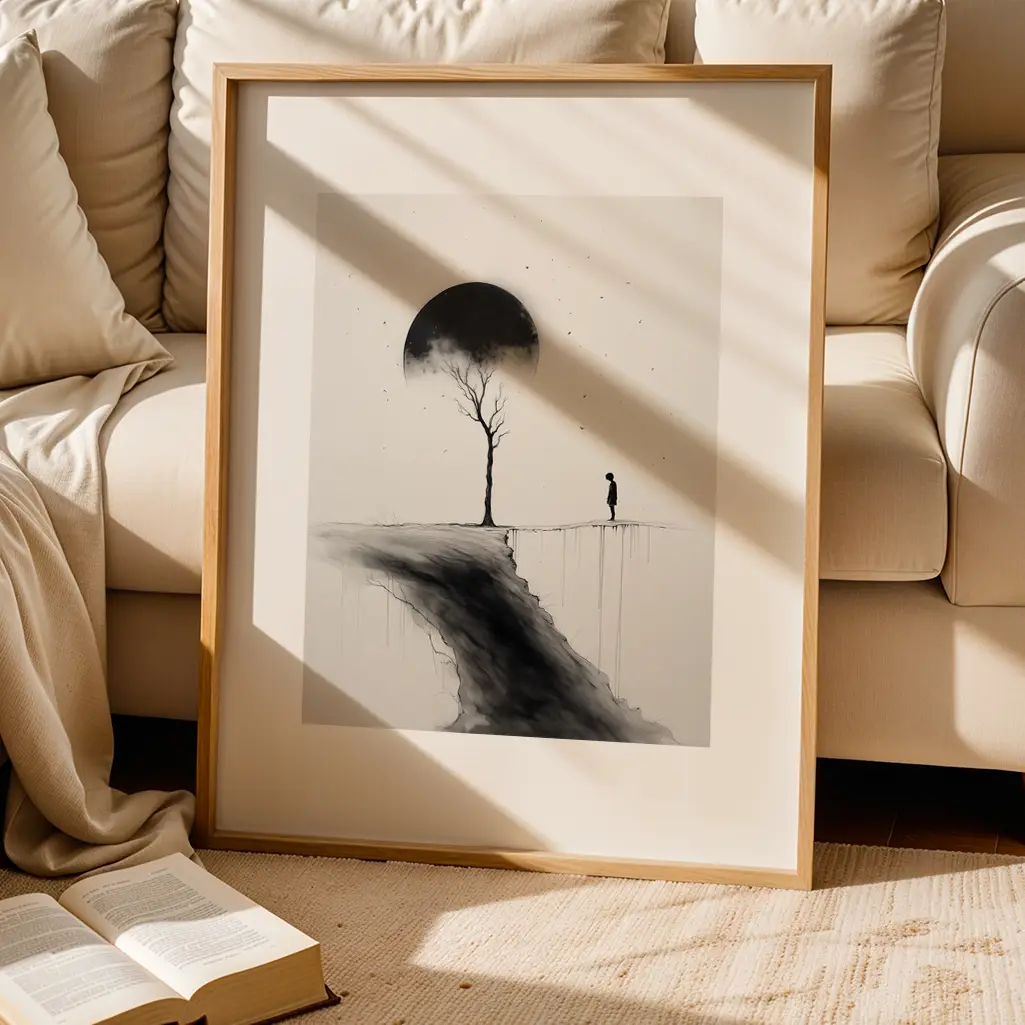
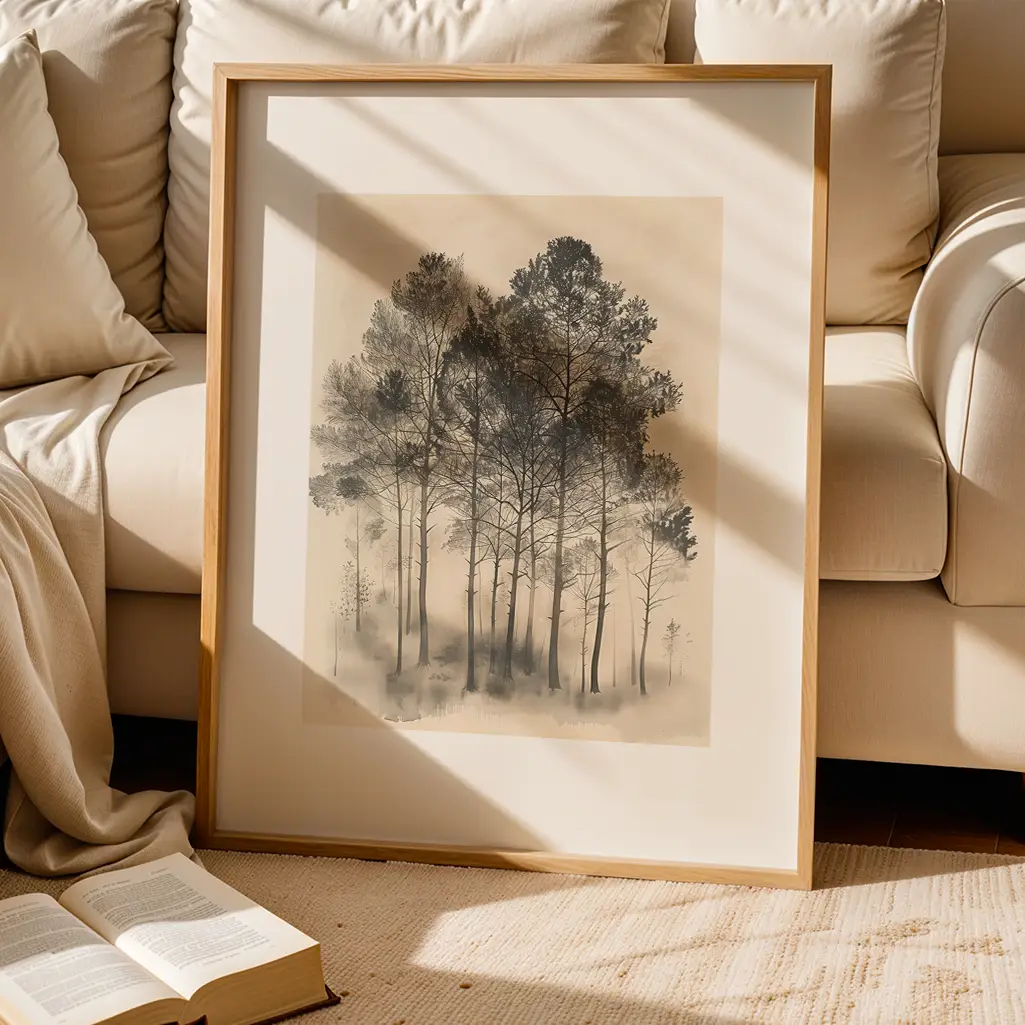
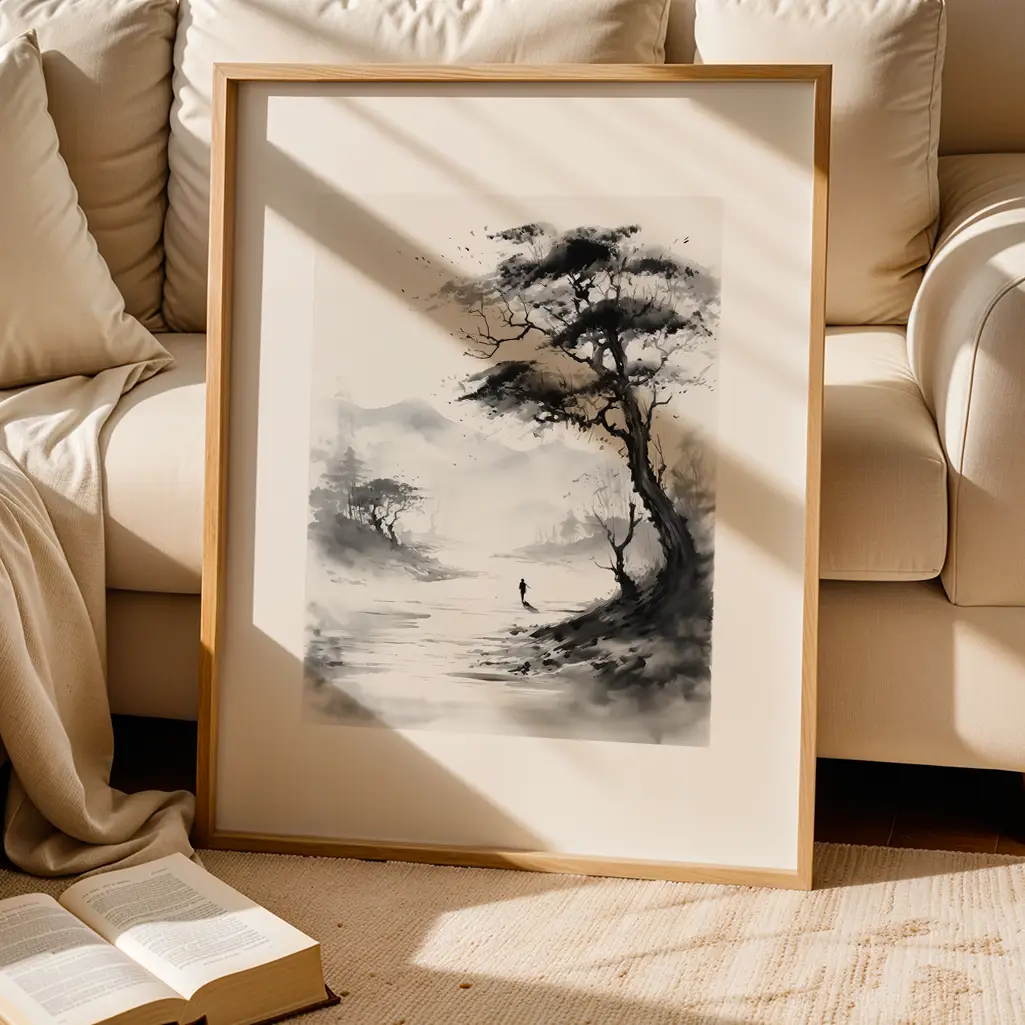
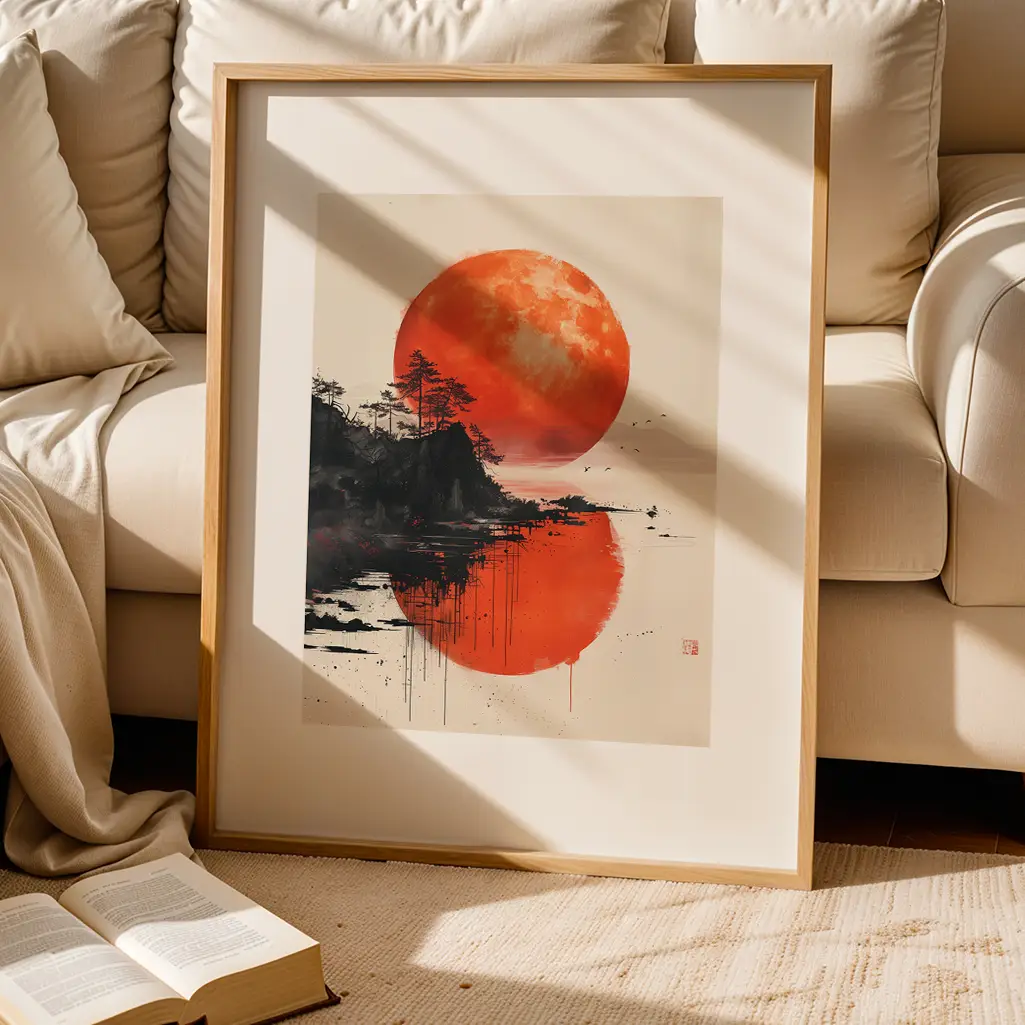
The wall above the sofa is where mistakes are most visible, simply because the sofa itself is such a dominant horizontal line. The art should relate to this line like a sentence completes a thought. If a single piece hangs there, it should span about two thirds the sofa’s width, and the bottom edge should hover roughly 6 to 10 inches above the back cushion. Too small or too high and the artwork seems like a postage stamp on a vast envelope. Too wide, and it feels like a heavy eyebrow over the seating.
When the sofa backs against a window instead, the opposite wall becomes especially important. A single large work or a calm pair of pieces above the media console can balance the brightness of glass behind you. The goal is not perfect symmetry but an emotional one: light in one direction, visual weight in the other.
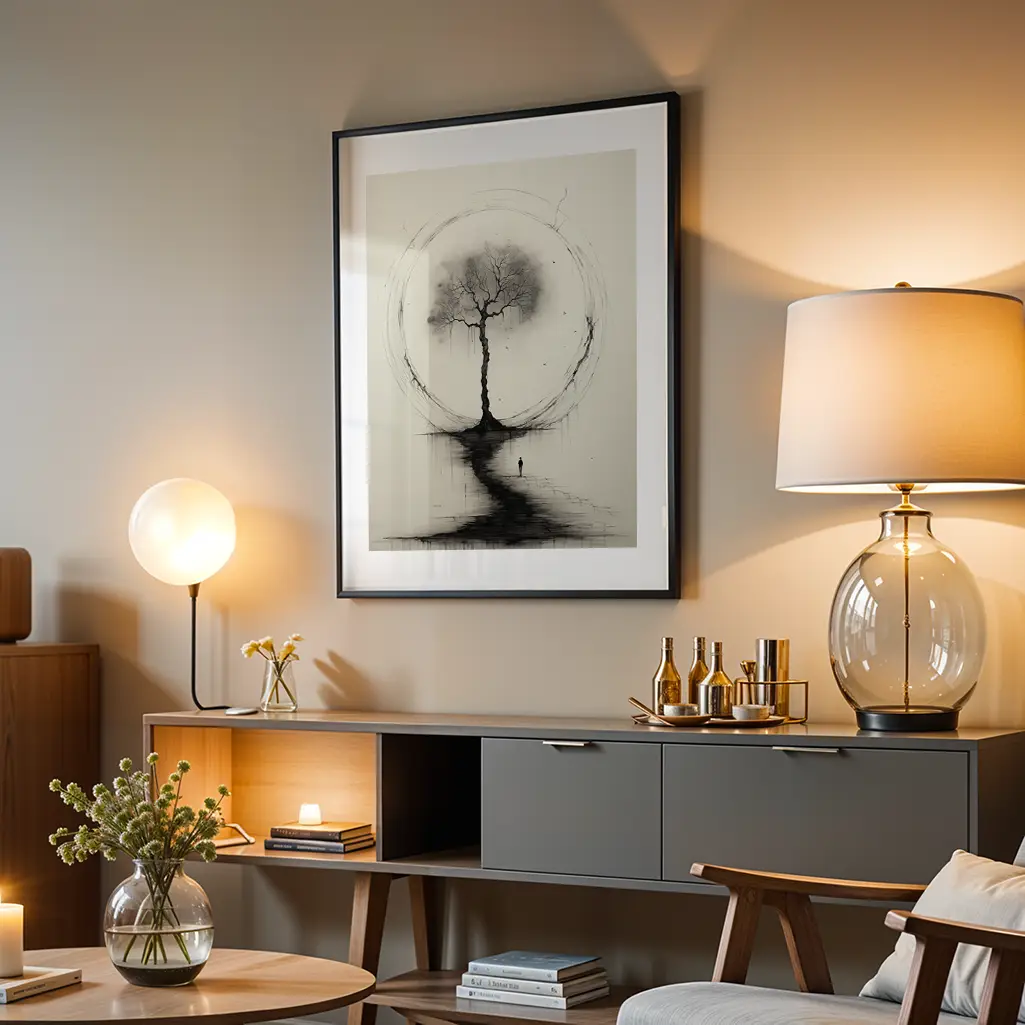
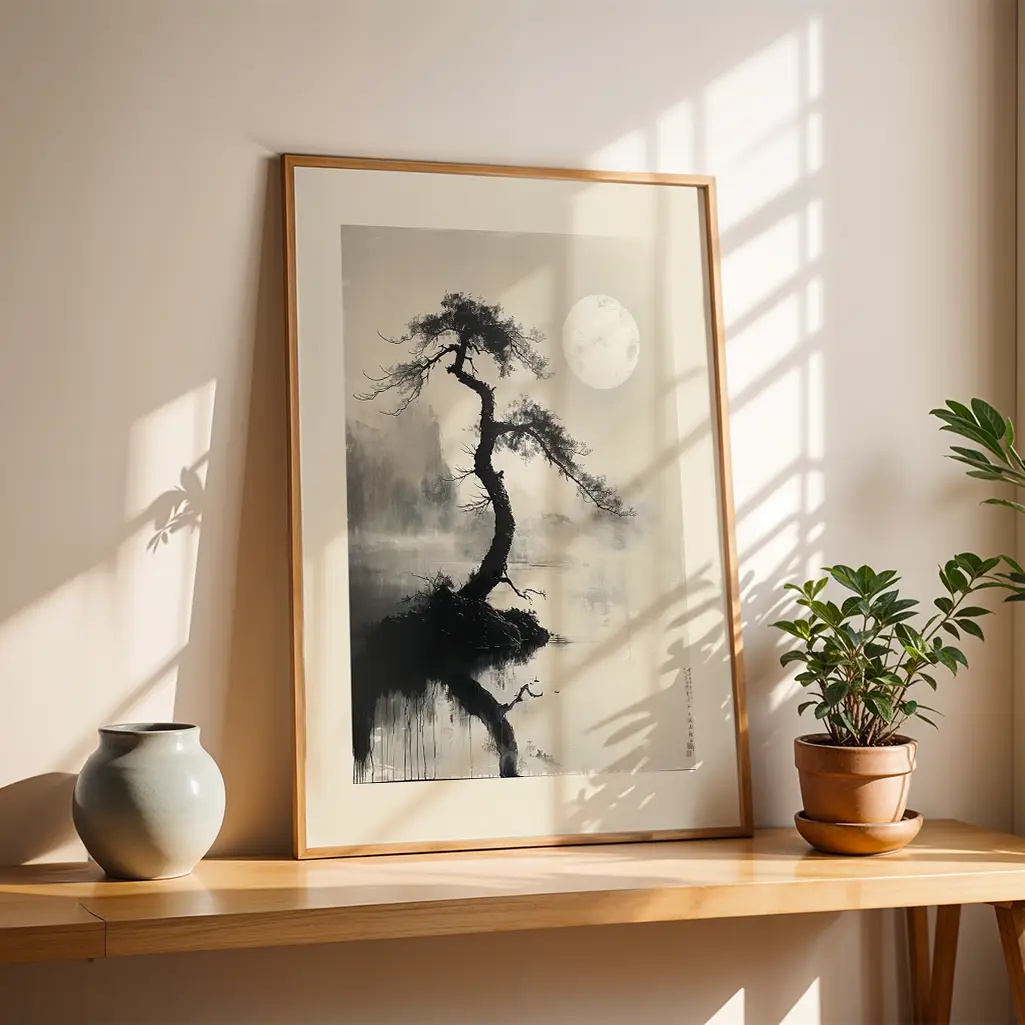
Do not ignore corners, but do not force them either. Some corners want to stay spare to preserve a feeling of air and negative space. Others, especially those behind a reading chair or floor lamp, can host a narrow vertical piece that feels like a companion rather than a headline. The art should always appear to belong to a nearby object: a lamp, a chair, a console. When you feel lost, ask which piece of furniture the art is in conversation with.
Balancing Scale, Silence and Daily Life
Even the most beautiful artwork can feel wrong when its scale fights the architecture. Before you buy anything, sketch the rough width of your sofa, console, or fireplace mantle on a sheet of scrap paper. Imagine the surface above it as a rectangle you are filling with either one dominant image or a carefully spaced constellation of smaller ones. This rectangle is your guideline, the soft frame that will keep your decisions from drifting.Gallery walls tempt many people because they promise to solve the uncertainty of a single large choice. They do work, but only when they are anchored. Start with one or two lead pieces whose edges loosely echo the boundaries of the furniture below. Then let the smaller frames gather around them, with consistent spacing so the group reads as one shape from across the room. If you find the cluster creeping toward the ceiling, you are probably using wall art to escape the room’s natural horizon; gently bring everything down.
Hallways that open into the living room are another subtle opportunity. A single vertical print or a small trio along that passage can act as a prelude to the art in the main space. It sets a tone; it tells your guests that the walls will be part of the experience here. Yet it should never compete with the main focal wall. Think of these peripheral pieces as stage whispers, supporting the lead actor.
Windows complicate things but also offer rhythm. A narrow sliver of wall between two panes can host a slim piece, like a pause between breaths. A tall artwork next to a full height window can echo the verticality of the glass, drawing the eye up while still pulling the attention back inside. Just avoid creating a busy frame within a frame. When a view outside is strong, let one or two interior works align simply with the window edges so that the room feels edited rather than scattered.
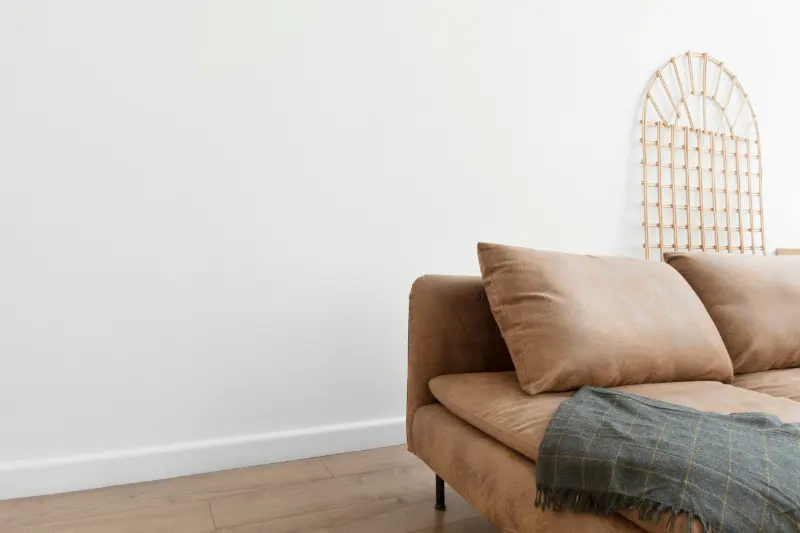
Above all, leave some planes bare. A living room where every wall surface carries something becomes visually loud, no matter how expensive the art. Empty wall is not a failure; it is the air between notes in a melody. Aim to have one primary art wall, one or two supporting moments, and at least one stretch of quiet.
Finally, consider how you actually live in the room. The wall behind a frequently used door may not be the best place for a delicate photograph. The area above a deep sectional where people lean back with books may prefer a canvas rather than glass, to avoid reflections and fingerprints. Let habit guide placement. When a piece of art feels naturally in your line of sight during the slow rituals of the day, when you sink into the sofa or cross the room with a cup of tea, you have likely found the right wall, and the living room begins to feel less decorated and more genuinely inhabited.