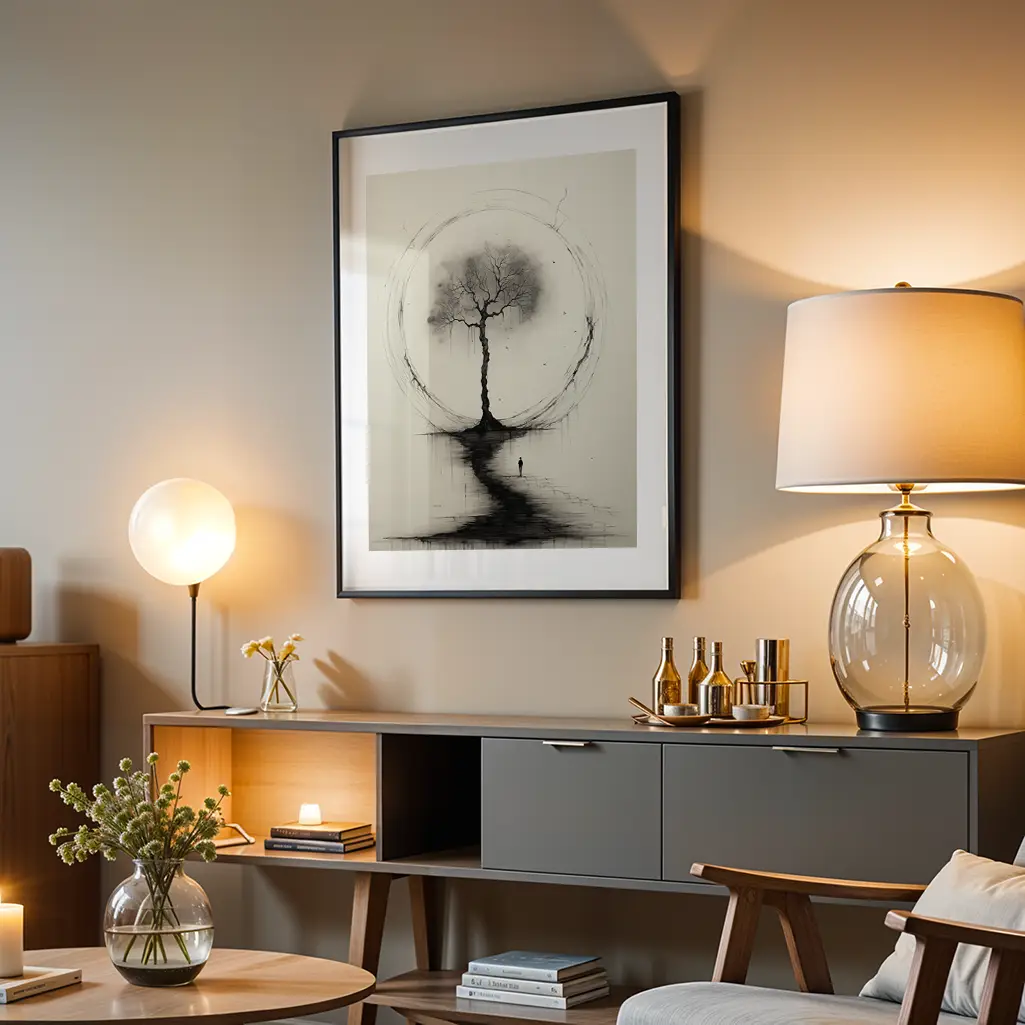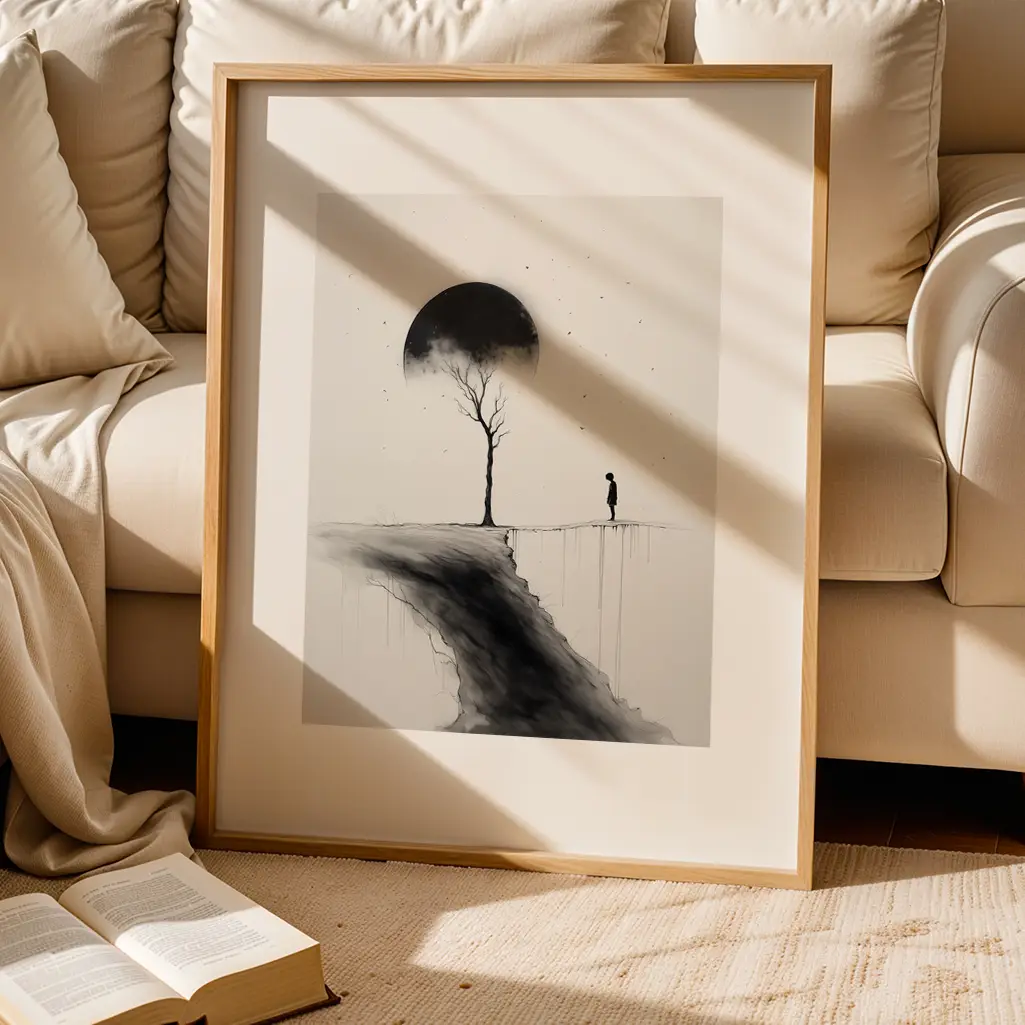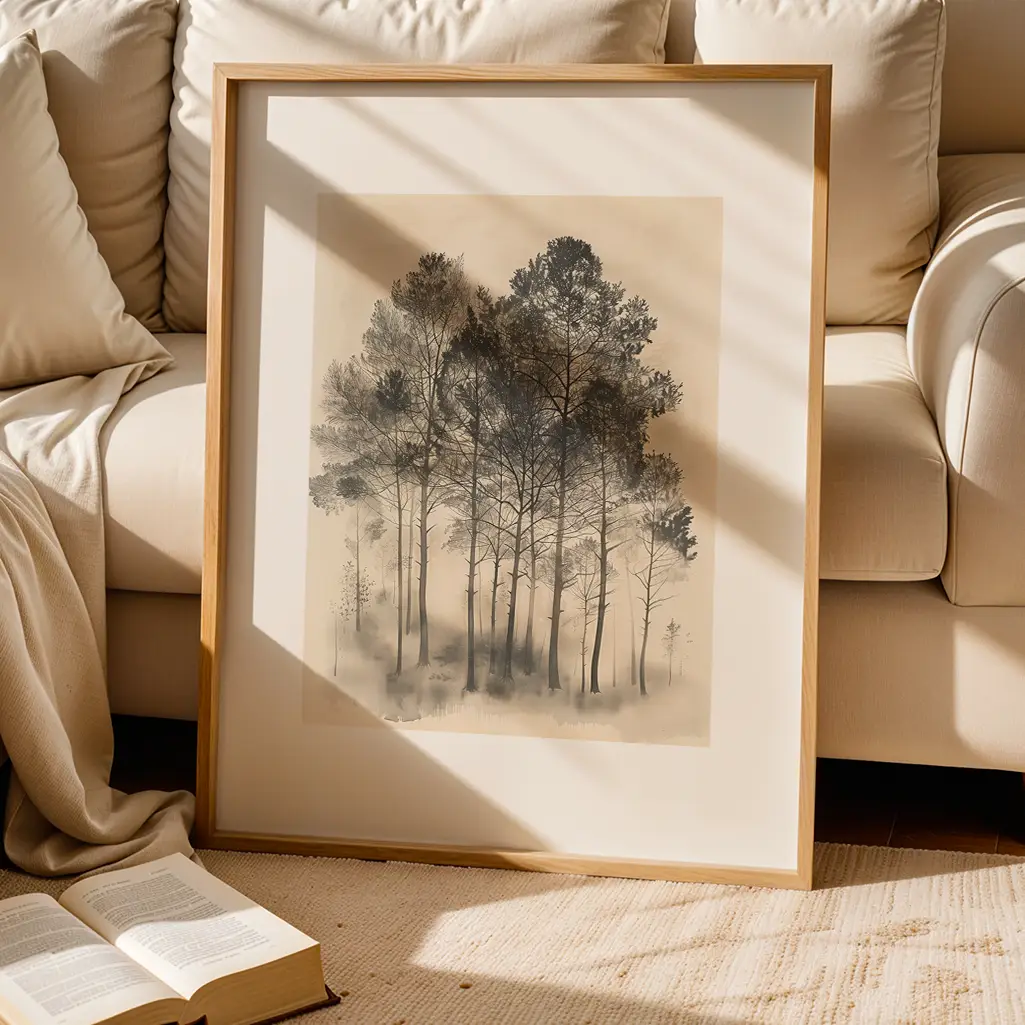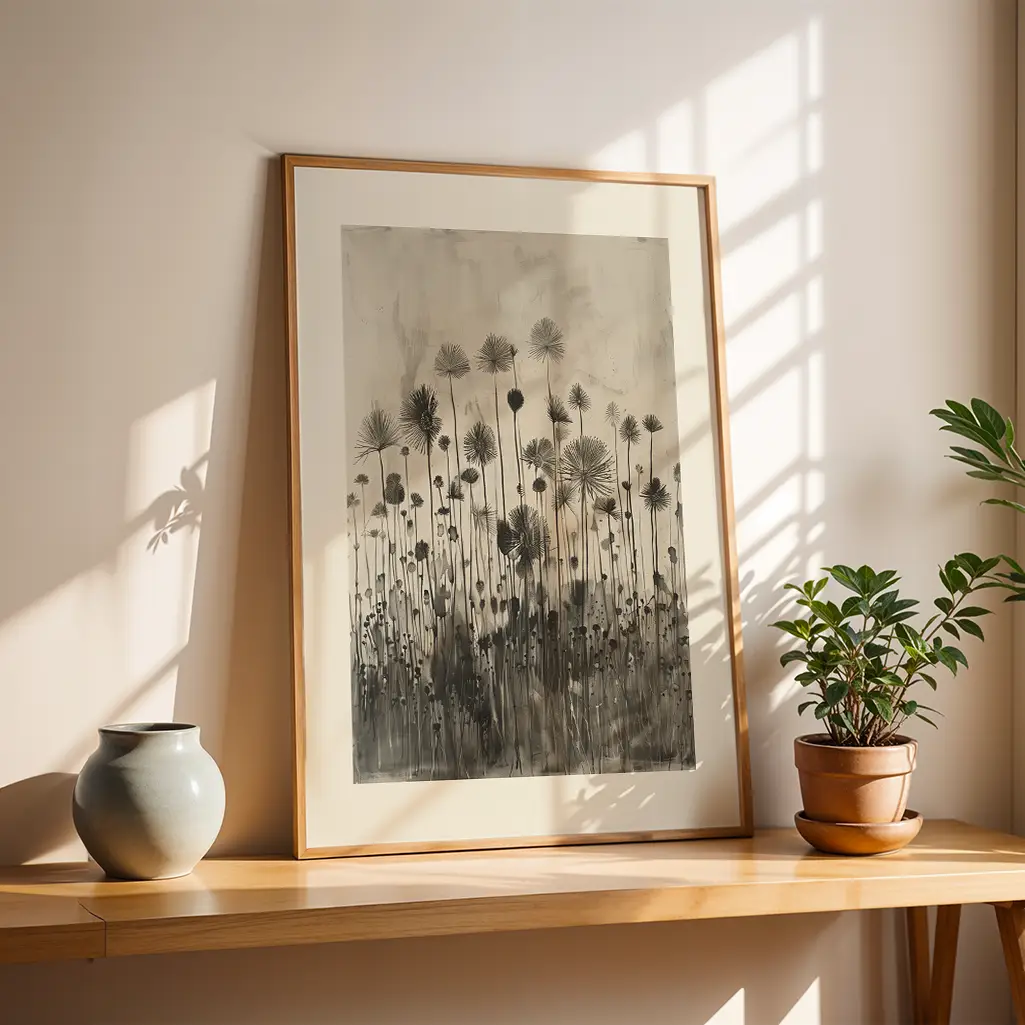

The moving line between dark and light
Yin and yang is often flattened into a logo for martial arts studios and wellness brands, but its roots run far deeper than a decorative circle split in two. The famous "taiji" symbol is really a drawing of a relationship: a moving line between dark and light. It is less about static opposites and more about the dance of forces that shape everything from the seasons to your living room.
In classical Chinese thought, yin and yang are ways of describing how things behave rather than what they are. Yin leans toward cool, receptive, quiet, shaded, inward. Yang leans toward warm, active, bright, expressive, outward. No object or person is purely one or the other; each holds a measure of both, like the white dot inside the dark teardrop and the dark dot inside the white.
What matters is not choosing sides but noticing patterns. A room that feels oppressively dim is not "yin" in any virtuous sense; it is yin that has slipped out of proportion. Likewise, a dazzling all‑white living space that photographs beautifully but is exhausting to inhabit might be a triumph of unchecked yang. When designers speak of balance, they are often, knowingly or not, speaking the language of yin and yang.
The symbol itself invites this way of seeing. The curve between black and white suggests movement, not a border you could tape off. Imagine that line as time: morning gradually becoming noon, summer leaning toward autumn, a quiet hallway pulling you toward a sunlit kitchen. You can feel the logic of yin and yang every time a space slowly changes character as the day moves on.
In that sense, yin and yang is less a metaphysical claim than a practical lens. It asks you to notice where energy gathers and where it sinks, where light collects and where it dissolves, which corners of your home ask you to rise and which invite you to rest. Once you begin looking this way, the symbol on a T‑shirt starts to seem like the least interesting thing about the idea.
How yin and yang shape the spaces you live in
If you translate yin and yang into the language of interiors, you are really talking about contrasts that make a room feel alive. Every home has a climate created by pairings: soft and hard, dark and light, rough and smooth, quiet and loud. The question is not how to make everything neutral and safe, but how to stage a conversation between these qualities so that a room can flex as your day unfolds.
Light is the most obvious example. Natural daylight is a classic expression of yang, but it only becomes welcoming when it has something yin to soften it. A bare window in a south‑facing room can feel relentless at noon; add gauzy curtains, a woven rug and a matte wall, and you give the light surfaces to rest on and absorb into. The aim is not to dim the sun but to offer it companions so the glare becomes glow.
The same principle applies to color. Deep charcoals, inky blues and earth browns pull a room toward yin, creating a sense of enclosure and calm. Crisp whites, sunny yellows and clear reds push it toward yang, sharpening edges and heightening alertness. Rather than ask whether a color is good or bad, it helps to ask what it is balancing. A dark wall behind a bright sofa, or a pale rug under a heavy wooden table, lets each quality clarify the other. The room stays legible but not loud.
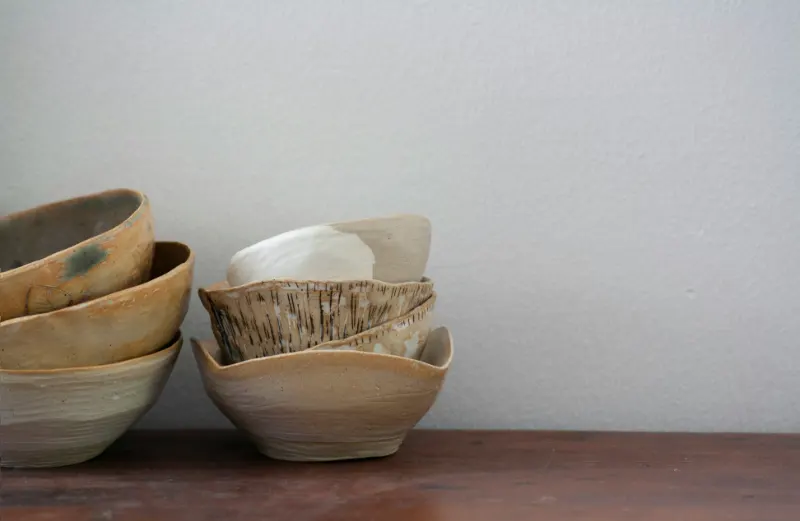
Texture is where yin and yang become tactile. Cool metals, glass and polished stone reflect and accelerate light; they are yang in their immediacy. Nubby linen, wool, raw wood and paper diffuse, slow and quiet what hits them; they lean yin. A kitchen that is all gleaming surfaces feels precise but can leave nowhere for the eye to rest. Introduce a wooden cutting board left out on purpose, a cloth runner, a bowl with a slightly irregular glaze, and you build pockets of softness into the brightness.
Even layout has its yin and yang. Straight, assertive axes that run from door to window energize a space, urging you forward. They are useful in an entryway or a workspace, where you want a sense of direction. But if every sightline is a runway, the home begins to feel more like a corridor than a refuge. Gentle turns, a low bookshelf that breaks a line of sight, a chair angled away from the television all introduce moments where your body can pause. Those micro‑pauses are spatial yin: a chance to exhale between tasks.
There is a temptation to treat these ideas as a checklist, a way to optimize every corner. Yet yin and yang work best when you listen rather than impose. If a room feels chaotic, ask where the yang is shouting: too many patterns, too many sharp contrasts, too much exposed floor. If it feels heavy, look for stuck yin: thick drapes never opened, dark corners used for storage, furniture that never moves. Small adjustments, like clearing a single surface or pulling a chair toward the window, can shift the balance more than a complete redesign.
Designing for cycles, not perfection
The deeper promise of yin and yang is that balance is never final. A home is not a finished tableau; it is more like a garden, always a little ahead of or behind your plans. Instead of chasing a perfect arrangement, it can be more helpful to think in terms of cycles and the way your space can lean with them.
Morning is naturally yang. You might keep the blinds open in the kitchen, set the coffee tools in plain sight, place a lively print where you see it first thing. These are cues that lift you into the day. Evening asks for the opposite. The same room, with lamps at eye level instead of ceiling spots, a woven shade softening an overhead bulb, a throw within reach of the chair you actually use, can lean back into yin. Nothing about the architecture changes, only the ingredients you emphasize.
Seasons bring their own tilts. In winter, when the world outside is muted, many people unconsciously pull their interiors toward yang with stronger colors, brighter lamps, noisier televisions. The yin response is subtler: more layers of fabric, a heavier curtain at one drafty window, a reading corner claimed by placing a small table and lamp where there was only an empty stretch of wall. In summer, when light presses in, you might do the reverse by letting surfaces go bare and emphasizing flow.
Personal rhythms matter as much as cosmic ones. An introvert working from home may need pockets of deep yin to recover: a chair partly hidden, a corner where the palette is low contrast, a rule that one small shelf stays visually quiet no matter what happens elsewhere. A family with young children may have to accept a baseline level of yang and then carve out islands of calm within it, perhaps a bedroom where toys do not cross the threshold or a hallway painted in a color that feels like a deep breath.
What makes yin and yang more than a symbol is this responsiveness. The idea does not promise that you can freeze a room in a permanently serene state. It suggests that serenity comes from recognizing when to invite more light and when to dim it, when to clear a surface and when to leave a comforting stack of books in place. The symbol on paper is static; lived balance is not.
Ultimately, designing with yin and yang in mind is an exercise in attention. You start to notice how a beam of light moves across the wall during the day, how your shoulders drop in one room but tense in another, how a single plant changes the mood of a bare windowsill. From there, each choice about color, texture or furniture becomes less about trend and more about tuning. Your home does not need to be perfectly styled to feel whole; it needs, instead, to be a place where dark has room for light and light makes room for rest.

.webp)