
Two Quiet Traditions, One Restless Apartment
Most people meet Zen and Taoism in fragments: a quote on a poster, a calligraphy print near a coat rack, a ceramic bowl that claims to be “Zen.” Behind these fragments are two deep traditions that grew out of different soils: Taoism in ancient China, Zen in medieval Japan and China. Yet for anyone trying to design a calmer home, both end up whispering into the same room.Taoism begins with the “Tao,” often translated, inadequately, as “the Way.” The Tao is not a moral rulebook but the living pattern of the universe: the way water curls around stone, the way seasons lean into each other, the way things become themselves when left to follow their nature. The early Taoist texts, especially the “Tao Te Ching” and the “Zhuangzi,” present this Way through paradox, humor, and images of rivers, valleys, and uncarved blocks of wood.
Zen emerges from Buddhism, passing through China as Chan before settling in Japan as Zen. Its core concern is awakening to the nature of mind and reality: the insight that everything is impermanent, interconnected, and empty of fixed essence. Where Taoism leans toward harmonizing with the world, Zen leans toward seeing through it. But in lived practice, their advice on how to move through a day can sound startlingly similar: do less, notice more, let things be what they are.
If Taoism is like a river, Zen is like the still pool it feeds. Both can shape not just how you think, but how you arrange a chair, choose a color, or decide what deserves space on your shelves.
Where Zen and Taoism Meet (And Where They Part)
The famous Taoist ideal is “wu wei,” often rendered as “non-action,” but closer to “effortless action.” It is not laziness; it is action that no longer fights the grain of reality. A skilled calligrapher moving in one breath, or a host who seems to anticipate a guest’s needs without fuss, are practicing a kind of wu wei. Taoism’s faith is that when you stop pushing, a deeper order emerges.Zen speaks less about wu wei and more about “suchness” and “no-mind.” In Zen, the world is not something to align with but something to pierce with attention. Wash a bowl only as washing a bowl. Sit as sitting. The practice of zazen, or seated meditation, trains a sort of unembellished seeing. You do not seek harmony with the cosmos so much as drop the mental habits that separate you from it.
Yet in daily life the two traditions often land in similar gestures. Taoism’s advice to follow the natural grain of wood parallels Zen’s instinct to keep objects what they are. A simple stool that looks and feels like wood, without decorative apology, suits both traditions. The difference is emphasis. Taoism might celebrate the stool as an expression of the Way: the tree that became lumber that became a seat in a chain of transformations. Zen might invite you to simply sit on the stool and notice sitting, the contact of weight and surface, without naming it spiritual at all.
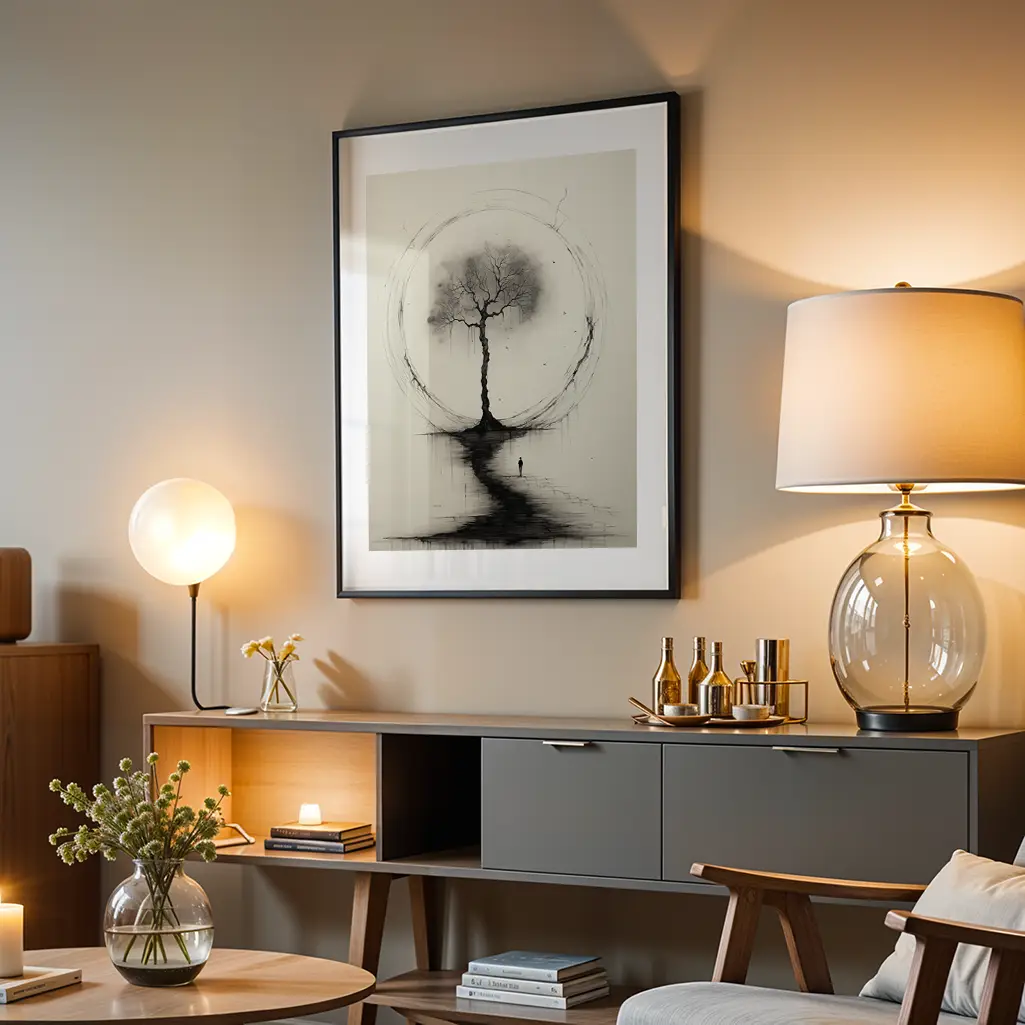
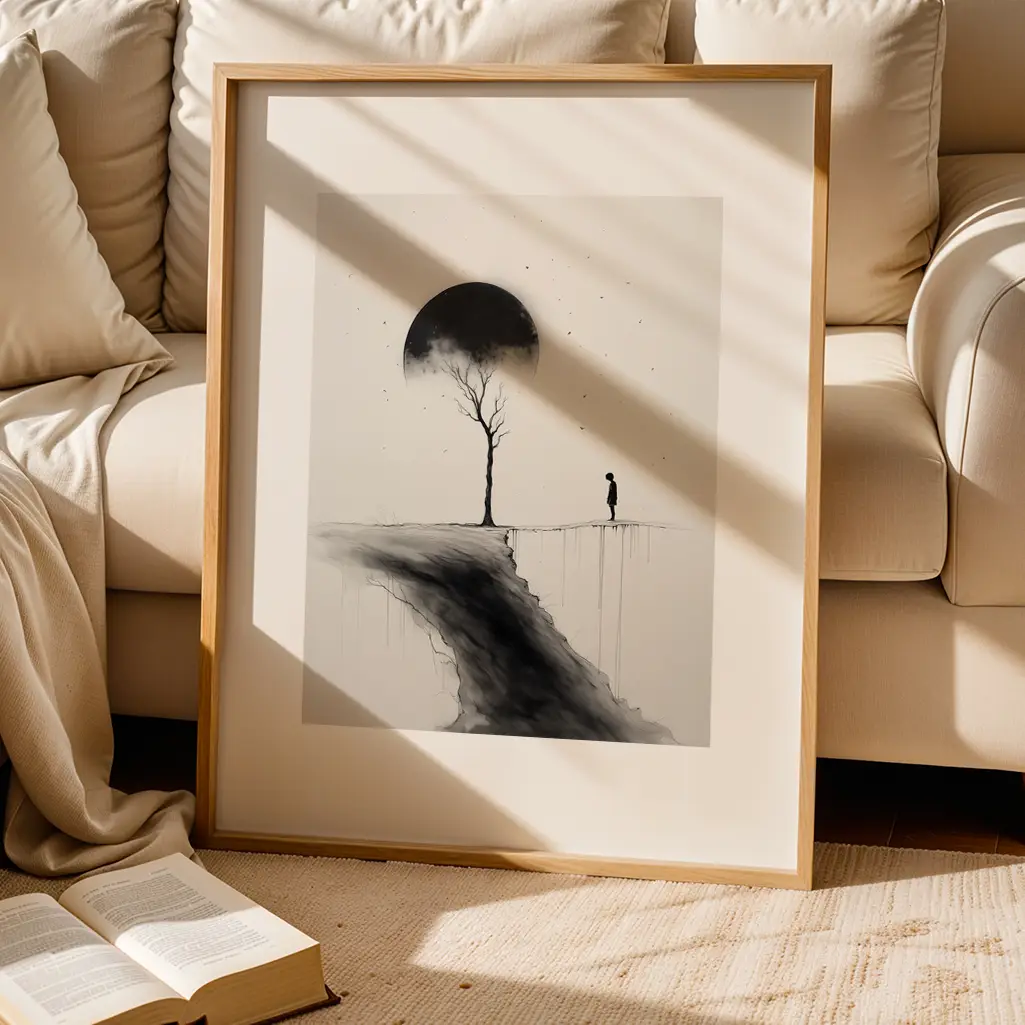
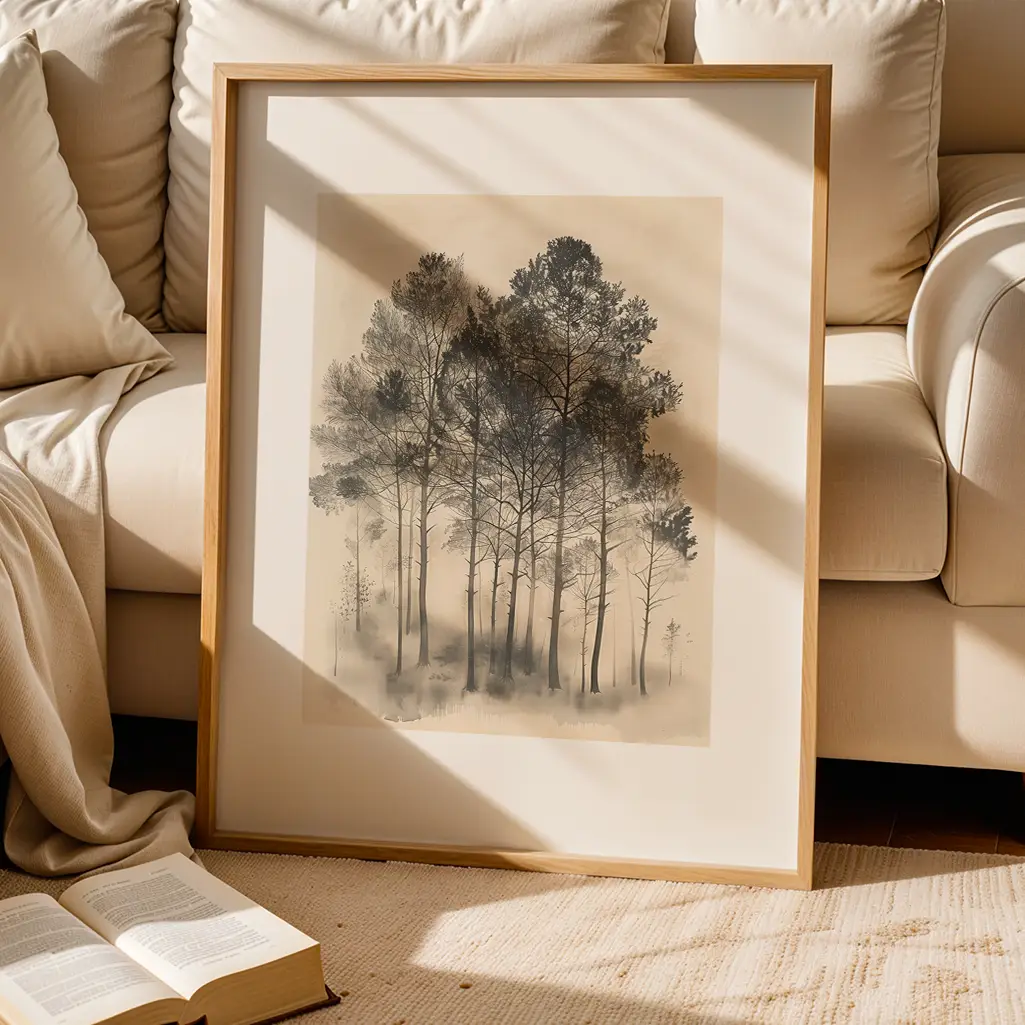
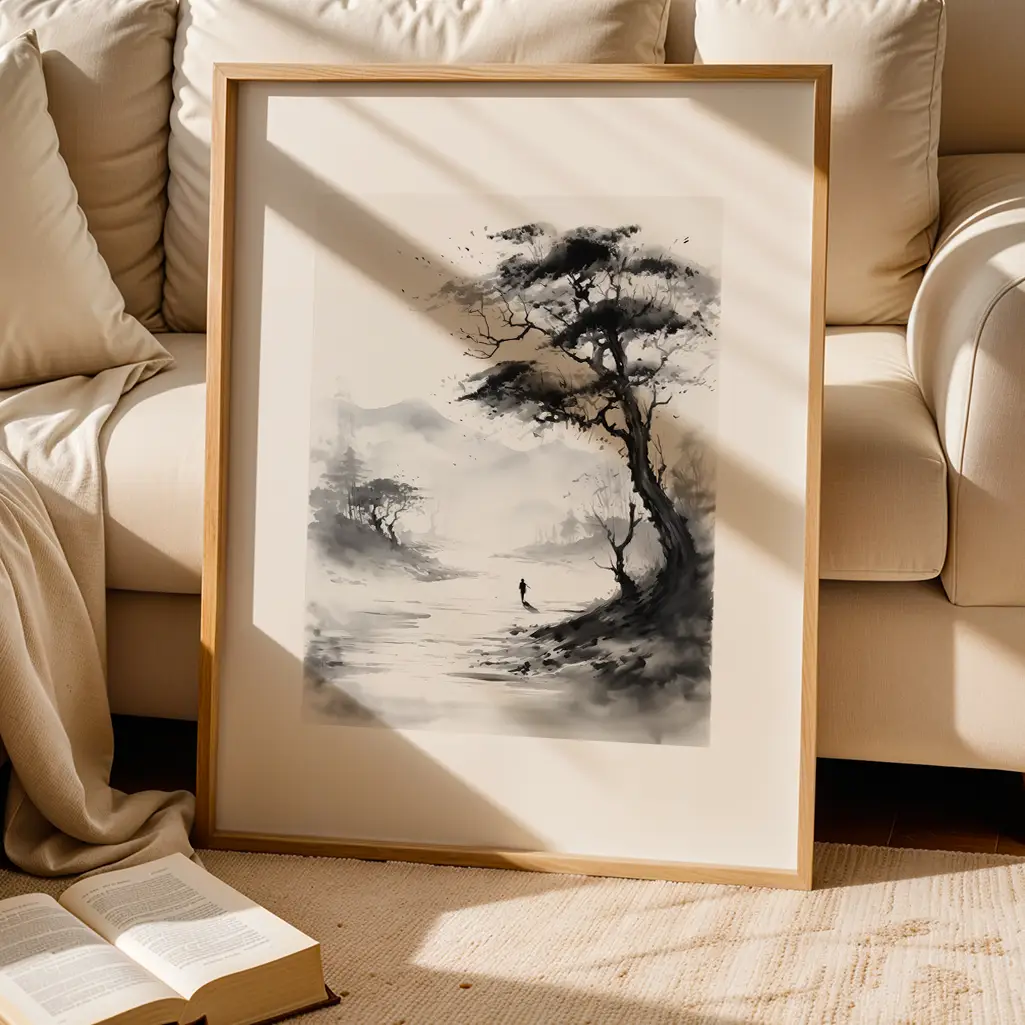
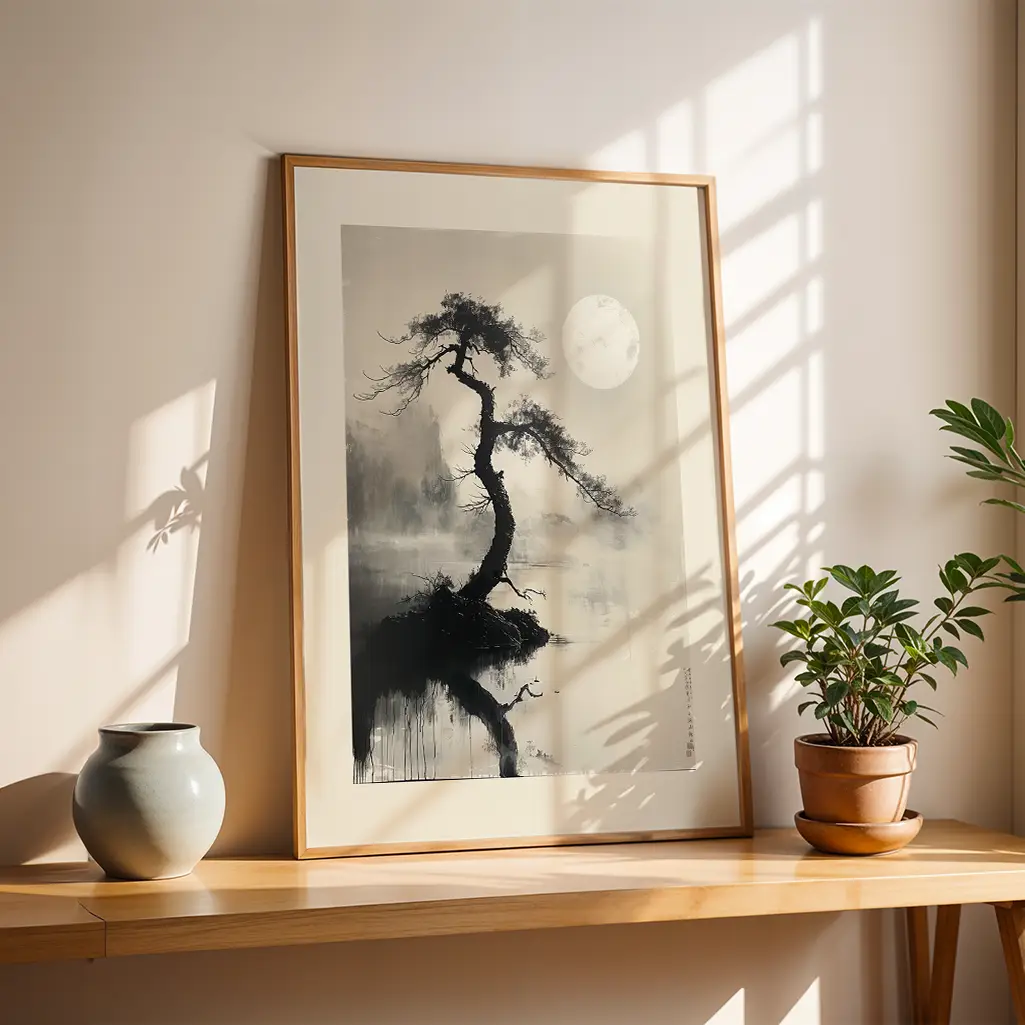
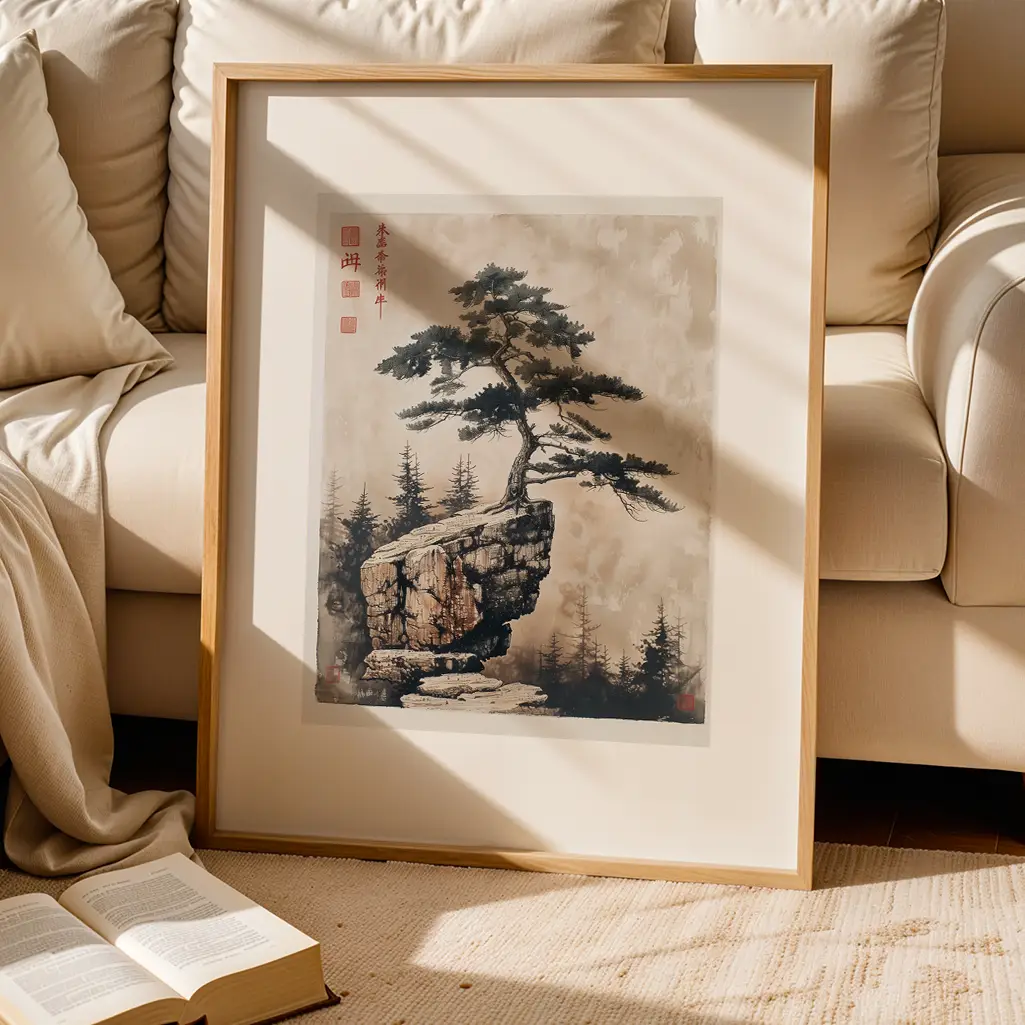
Another overlap lies in their suspicion of clutter, mental and material. Classical Taoist stories mock the overcomplicated sage who owns elaborate ritual objects yet stumbles over basics. Zen, with its spare temples and monochrome ink paintings, carries a similar suspicion. The point is not minimalism as aesthetic, but minimalism as honesty. Too many objects can become a way of avoiding what is actually happening in the room.
They part ways more sharply on suffering. Buddhism, and thus Zen, begins with the reality of suffering and traces it to craving and attachment. The practice is to see craving, let it untangle, and awaken. Taoism notices suffering but is less interested in transcendence than in flexibility. When a storm bends a reed but breaks a rigid tree, the text is not asking you to awaken from storms; it is urging you to bend.
In your home, this difference might translate into two kinds of advice. A Zen-inflected room might ask: which object here is a quiet witness for your attention, helping you wake up to the present, and which is a distraction? A Taoist-inflected room might ask: how can the space flow so that your day bends, rather than breaks, around its demands?
Bringing Zen and Tao Home
Design, at its best, is philosophy you can lean against. When you invite elements of Zen and Taoism into your space, you are not importing exotic decor; you are experimenting with how ideas feel in three dimensions.From Taoism comes the sense that your home has its own Tao, its own natural way. Light falls into it from a particular direction. Sound moves differently across bare floors than over rugs. Instead of forcing a preconceived style, you can watch how you actually live. Where do shoes really land when you come home, regardless of where you think they should go? Where do conversations naturally unfold? Follow these tendencies the way a path follows the lay of the land. Storage, furniture, and color choices become less about control, more about cooperation.
Zen adds a different discipline: the deliberate removal of what is extra. In practice, this is not a purge for its own sake but an inquiry. Take one shelf and empty it. Then return only what actively serves: an object that is used daily, or one that truly concentrates the room’s attention. Zen gardens are not empty; they are precise. A single stone has meaning because it is not competing with a hundred others.
Both traditions treat emptiness not as lack but as invitation. In a Taoist sense, the usefulness of a room lies in its unfilled space, just as the usefulness of a cup lies in its hollow. In a Zen sense, that open space is where awareness can expand without immediately catching on another distraction. In design terms, this might mean allowing one wall to remain largely bare, one corner to stay unassigned, trusting that the void has its own quiet function.
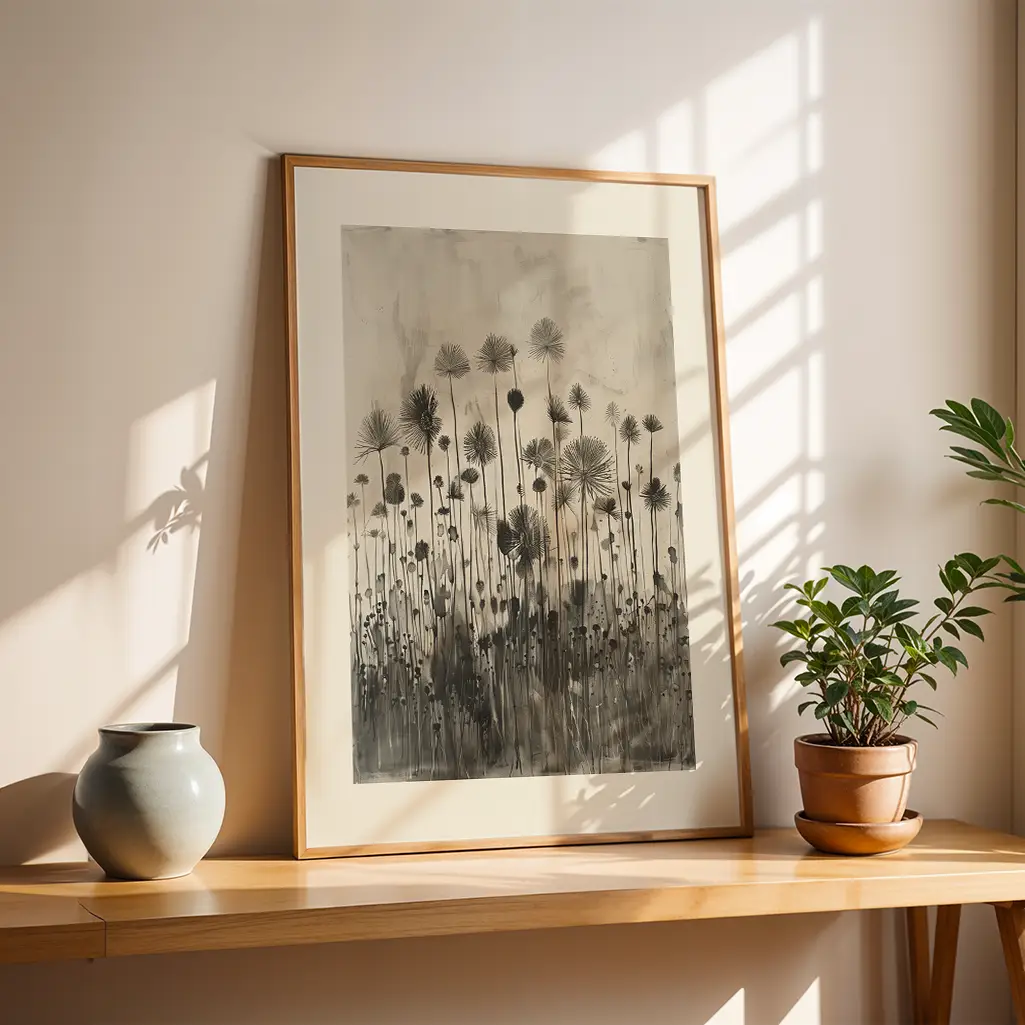
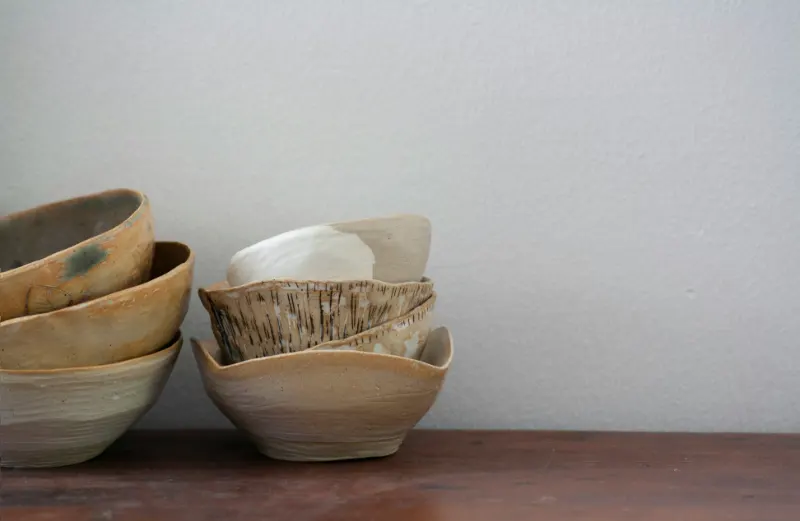
Color and texture become part of this conversation. Taoism often gravitates toward what feels close to the elements: earth tones, natural fibers, materials that age visibly and honestly. Zen, too, respects patina, but tends to subdue the palette so that light and shadow do more of the expressive work. A slightly rough ceramic cup, the grain of unfinished wood, the cool continuity of stone underfoot: these are not just style decisions, but reminders of impermanence and process.
Ultimately, Zen and Taoism do not ask you to build a themed sanctuary; they ask you to inhabit your existing home with a different kind of attention. Let the space show you its own way. Let your own habits come into focus. Remove one thing. Notice what the absence reveals. In that noticing, philosophy leaves the page and settles quietly onto the chair beside you.

.webp)