Where Bauhaus Began, And Why It Still Feels So New
Bauhaus is one of those design words that gets used as shorthand for almost anything minimal. Yet the original Bauhaus was far more radical and far warmer than the cold, glassy pieces that sometimes pass as "Bauhaus-inspired." It began as a school in Germany in 1919, founded by architect Walter Gropius, with a seemingly simple question: What if everyday objects were designed with the same care as a cathedral, and what if that care made life better for everyone, not just the wealthy?
The school pulled artists, architects, weavers, metalworkers and thinkers into the same rooms. They were asked to forget inherited styles and to start from the human body, from the hand that would grasp a handle or the person who would sit in a chair after a long day. The shapes that followed were spare because anything extra that did not serve the user was cut away. That ruthless editing is what we now call minimalism, but at Bauhaus the goal was not visual austerity for its own sake. It was clarity. If a chair looked light, it should be light to lift. If a lamp looked adjustable, it should swing and tilt with almost no effort.
This is why Bauhaus style still feels uncannily fresh in a small apartment or open-plan loft. The rules are straightforward. Let materials be honest, so metal looks like metal and wood like wood. Let structure be visible when it helps you understand how something stands. Let color do work, not just decorate. And above all, ask again and again what a room is for and whether each object is actually helping.
When you translate these ideas into your own home, you are not trying to re-create a museum of early twentieth-century German design. You are borrowing the Bauhaus habit of questioning. Do I need three side tables where one will do? Is this huge sofa really more comfortable than a simpler one that fits the room? Why is this corner dark when a single well-placed lamp would change the way the whole space feels? A Bauhaus interior is not about buying specific icons. It is about teaching your home to answer clearly when you ask, "What are you doing here?"
Minimal Form: Editing Without Sterilizing Your Rooms
Minimal form in Bauhaus thinking is often misunderstood as an aggressive refusal of personality. In truth, it is a disciplined form of hospitality. When a chair has a simple outline, your body becomes the main event. When a wall is calm, light and shadow finally have room to perform. The absence of decoration is less about judgment and more about attention; you make space so you can notice what matters.
In practical terms, minimal form begins with shapes. Straight lines and clear geometries prevail, not to feel rigid, but because they visually organize a room. A rectangular table aligns with the edges of a rug and the frame of a window, creating a quiet sense of order. A circular side table can mediate between two seating pieces without declaring itself. Bauhaus designers favored these primary shapes because they read instantly. You should not have to squint to understand where something begins and ends.
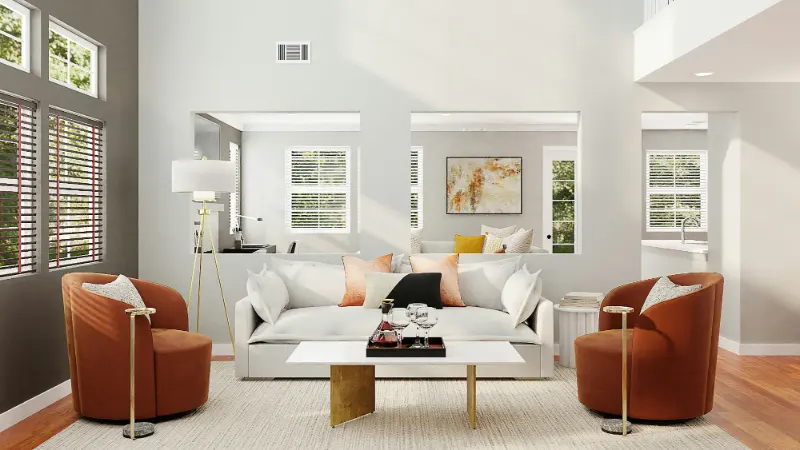
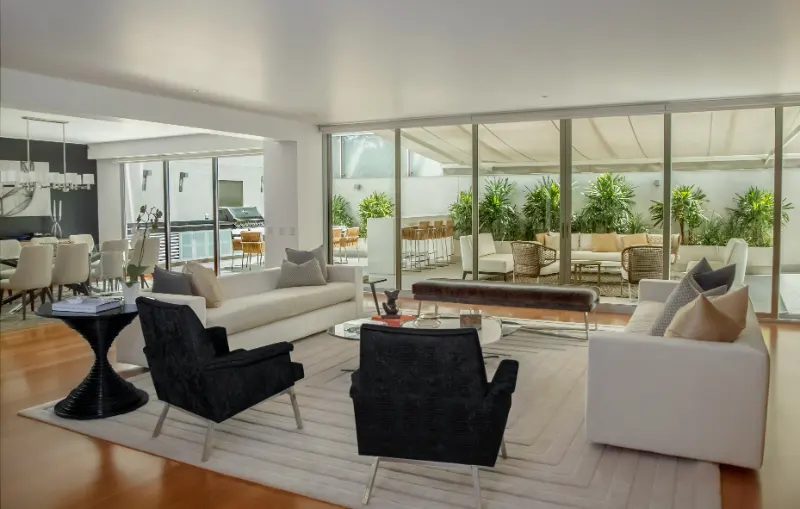
Materials follow the same logic. When you choose a metal chair with a slender tubular frame, you are echoing the famous Bauhaus experiments with bent steel, but more importantly you are reducing the visual weight of furniture in the room. The eye can see under and around the piece, which makes even a small living room feel more open. A sofa with legs that lift it off the floor does something similar. Air flows under it; the line of the floor continues. Your space feels less congested, without sacrificing comfort.
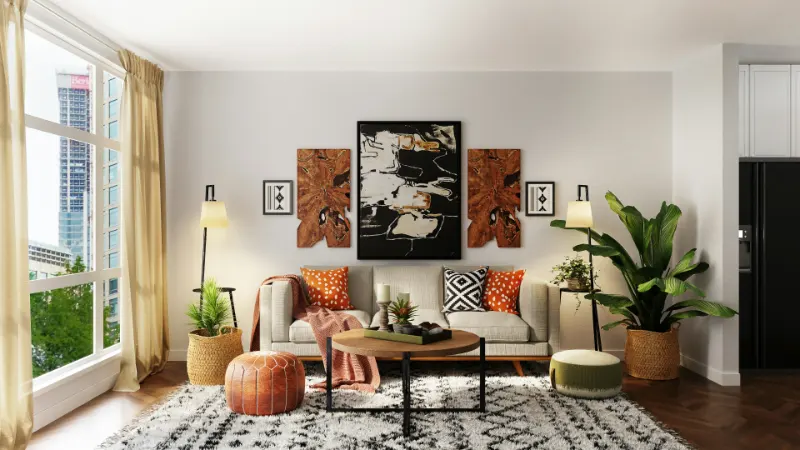
Color in a Bauhaus-inspired interior is not banned; it is choreographed. The school was famous for thoughtful use of primary colors. A single red chair in an otherwise neutral room offers a point of focus and energy, a quiet exclamation mark that keeps the space from becoming too solemn. A yellow desk lamp can warm an austere work surface. The difference from more decorative styles is that each color is placed with intent. If you love a complex, patterned rug, Bauhaus thinking would simply ask you to let that rug take the lead while keeping surrounding elements calmer so that pattern has room to breathe.
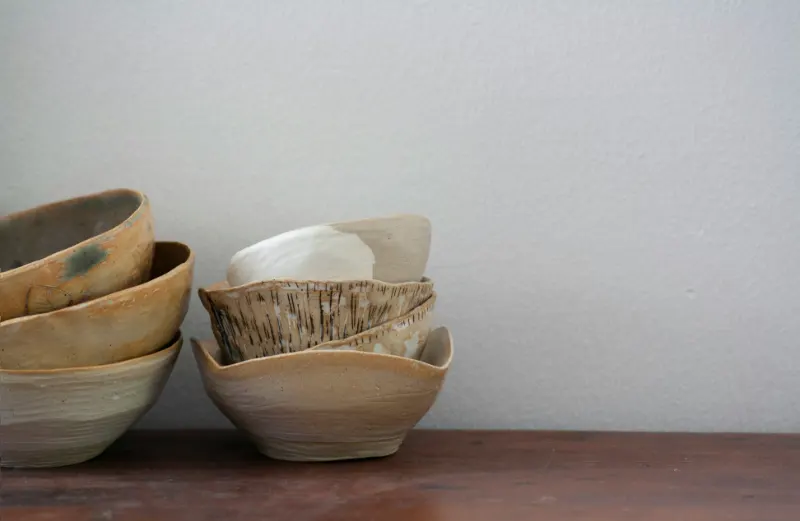
This kind of editing is not about purging your home of everything sentimental. It is about choosing what to emphasize. A family photograph on a clean white wall becomes more powerful than the same image lost in a dense collage. A small collection of ceramic bowls lined up on a shelf can feel more meditative than an entire cabinet of objects jostling for attention. Minimal form lets your stories be legible.
Maximum Function: Designing For Real Life, Not For Photos
If minimal form is the visible side of Bauhaus style, maximum function is the quiet engine underneath. At the school, students were challenged to consider how an object would be used over time. Could it be repaired easily? Could it be produced without wasteful ornament that drove up cost? Would it support the body or strain it? These questions can guide you each time you adjust your home, long after any trend has faded.
Function begins with flow. Stand at the entrance of your main room and imagine the paths you naturally walk. Bauhaus thinking suggests clearing these paths as much as possible. A coffee table that allows you to pass without twisting your body, a dining chair that slides neatly under the table so the legs do not protrude, a floor lamp placed where you actually read instead of anchored by an outlet; all of these small decisions accumulate into a sense that your home cooperates with you instead of resisting you.
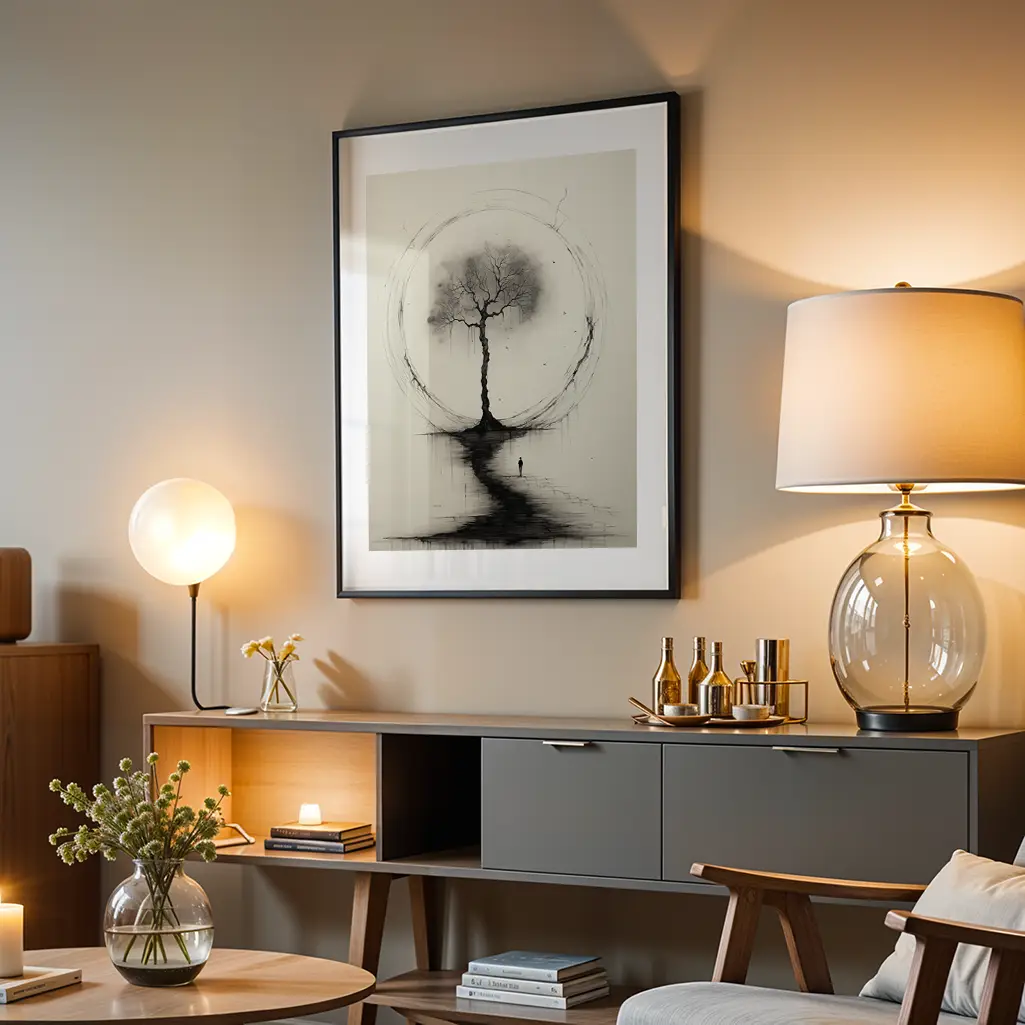
Storage is another place where maximum function can transform the mood of a space. Rather than buying decorative boxes to hide clutter that keeps growing, ask what truly needs to live in the room. A low sideboard with clean lines can contain games, chargers and candles, preserving the visual rhythm of a wall while giving every loose object a clear address. Open shelving can work beautifully in a Bauhaus-influenced interior if you treat it like a composition, pairing frequently used items with a few pieces that bring quiet joy, leaving space between them so your eye can rest.
Comfort, in this context, is not a guilty afterthought. A hard, sculptural chair that no one can sit in for more than a few minutes does not belong in a Bauhaus room, no matter how striking it looks. The ideal sofa here supports your back, offers enough depth for the way you actually lounge and uses materials that age well. Fabrics with a subtle weave, leathers that soften, and woods that gain character with touch all align with the Bauhaus respect for honest materials over fragile glamour.
Finally, light may be the most powerful functional tool you have. Think of your lamps and windows as collaborators. A pendant over the dining table should illuminate food and faces without glare, turning meals into small daily ceremonies rather than tasks. A desk by a window turns daylight into a co-worker, while a focused task lamp keeps late evenings from feeling harsh. When each zone has light that suits its purpose, the entire home feels more intentional, which is the essence of Bauhaus thinking: a life where form serves function so gracefully that the underlying rigor disappears into ease.