The Quiet Tension Between Modern and Rustic
Modern rustic style lives in the space between two instincts that usually cancel each other out: the urge to simplify and the urge to nest. On one side is modern minimalism, with its clean lines, empty surfaces and almost ascetic restraint. On the other is rustic comfort, whose language is knotted wood, timeworn textiles and the kind of softness that invites you to sink in and stay awhile.Instead of choosing one, modern rustic asks a different question: what if your home could be both visually calm and deeply cozy. The result is a kind of "cozy minimalism" where every object has room to breathe, yet nothing feels cold. Space is treated like a material in its own right, as important as wood or stone. The negative space around a chair or along a wall is not emptiness but quiet.
The power of this style comes from tension. A spare, almost architectural sofa becomes less severe when you drape a wool throw over its arm. A large, unadorned wall becomes more humane when a single plank shelf of pale oak floats across it. The room feels edited, but the edit is guided by warmth rather than austerity.
Deep down, modern rustic design is a response to how we actually live now. We spend more time indoors, more time on screens, and more time in spaces where the visual noise never stops. A modern rustic interior works like a visual deep breath. It resists clutter without insisting on perfection, and it invites natural imperfection back into a world of glowing pixels and straight lines.
To understand how to do this at home, it helps to see modern rustic not as a theme but as a set of quiet decisions repeated across a room: fewer objects, better materials, softer edges where life touches the space most directly.
Texture as the New Ornament
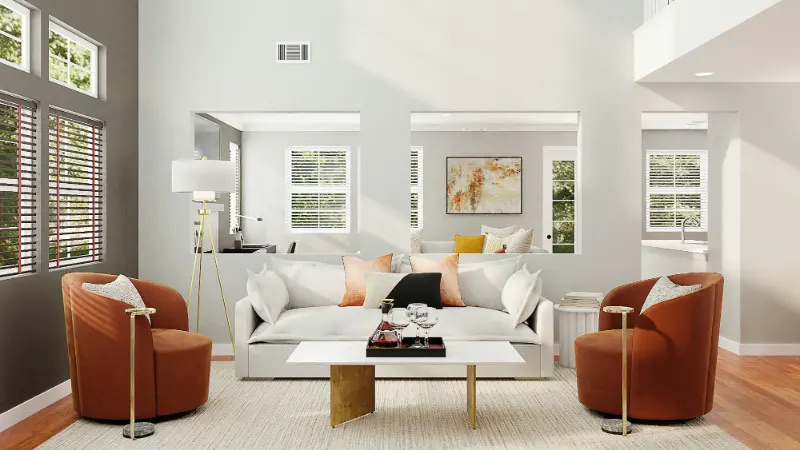
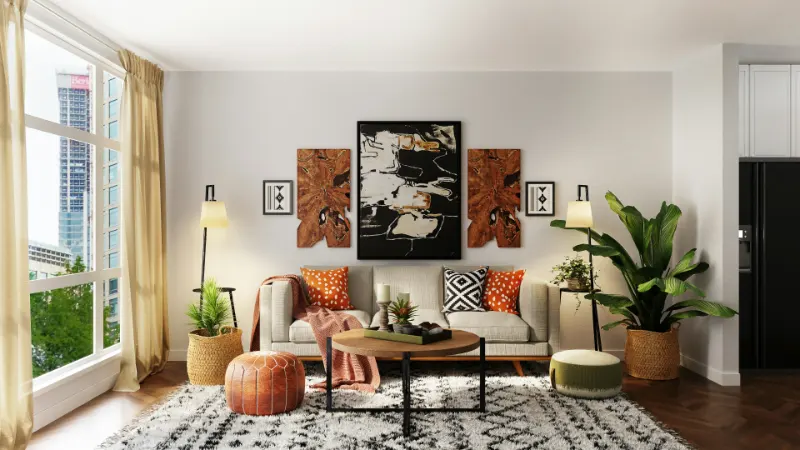
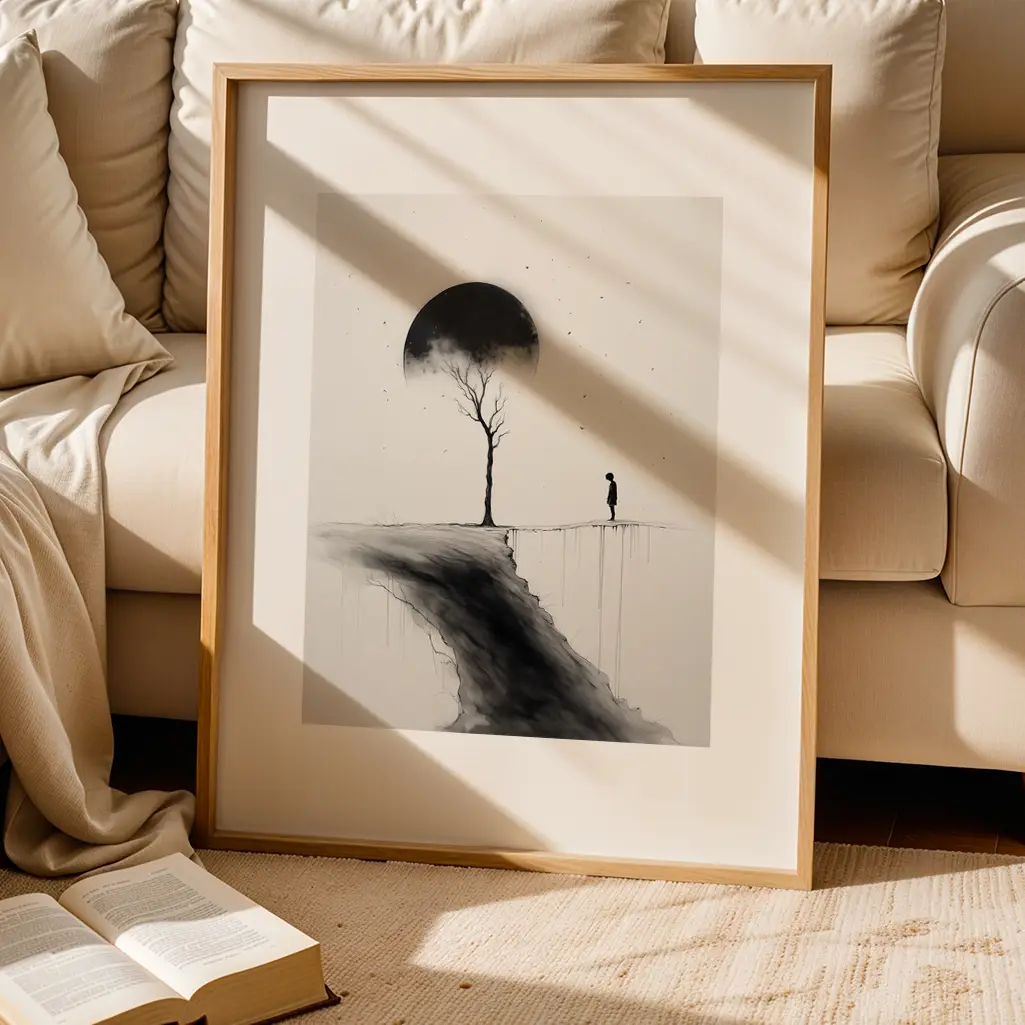
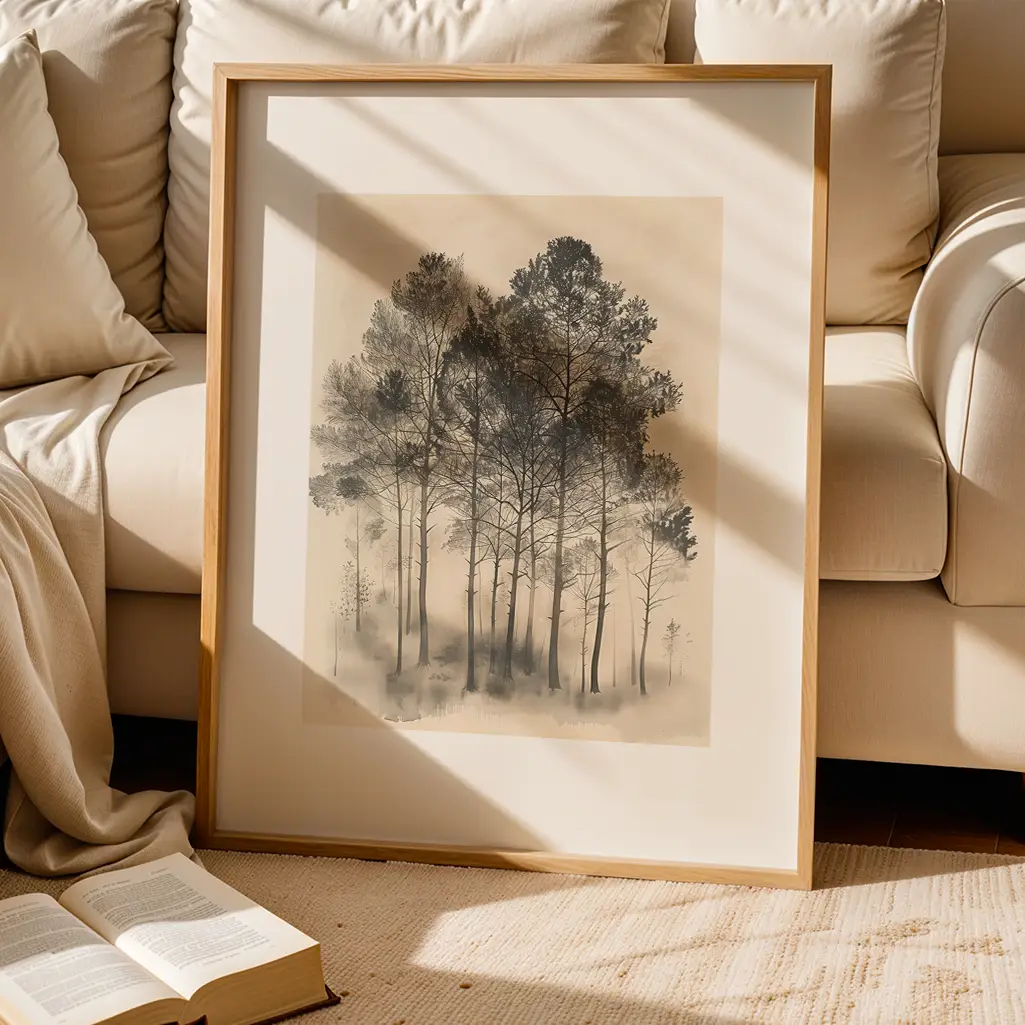
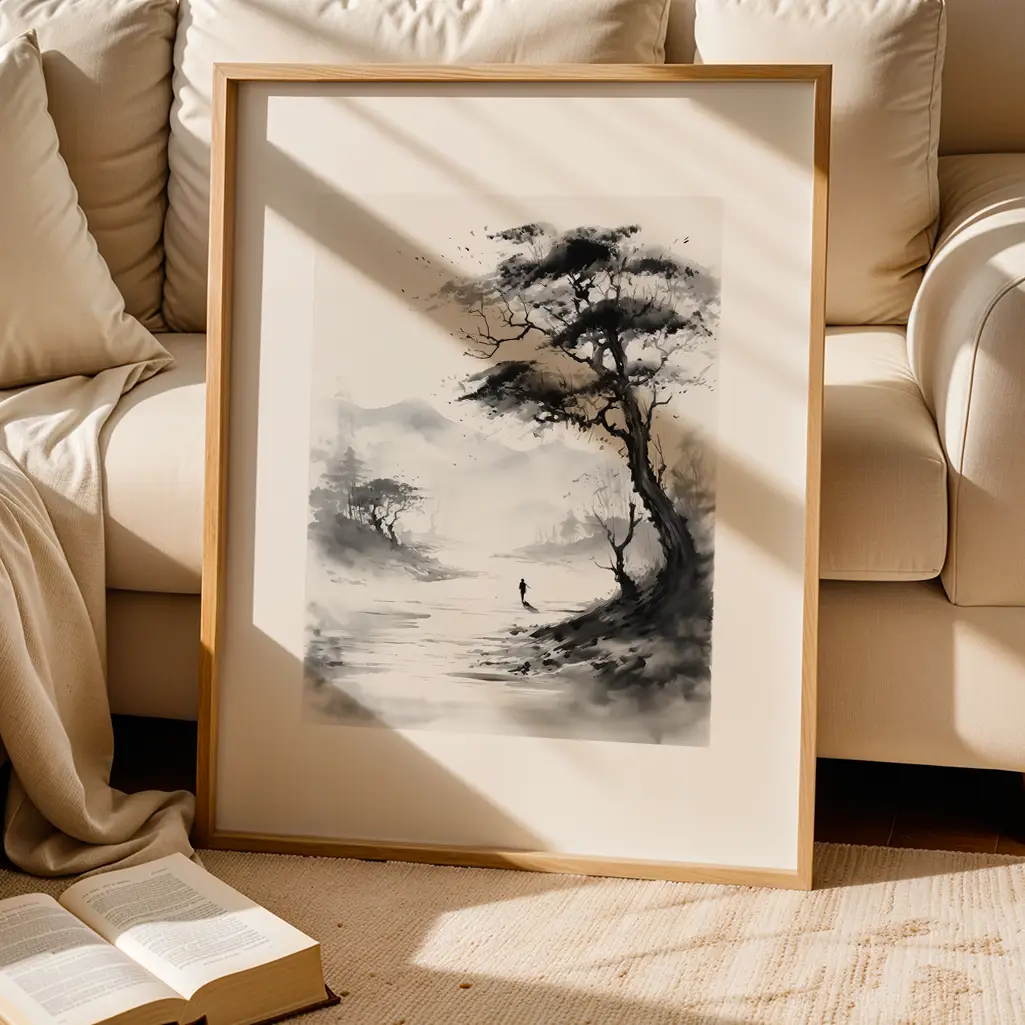
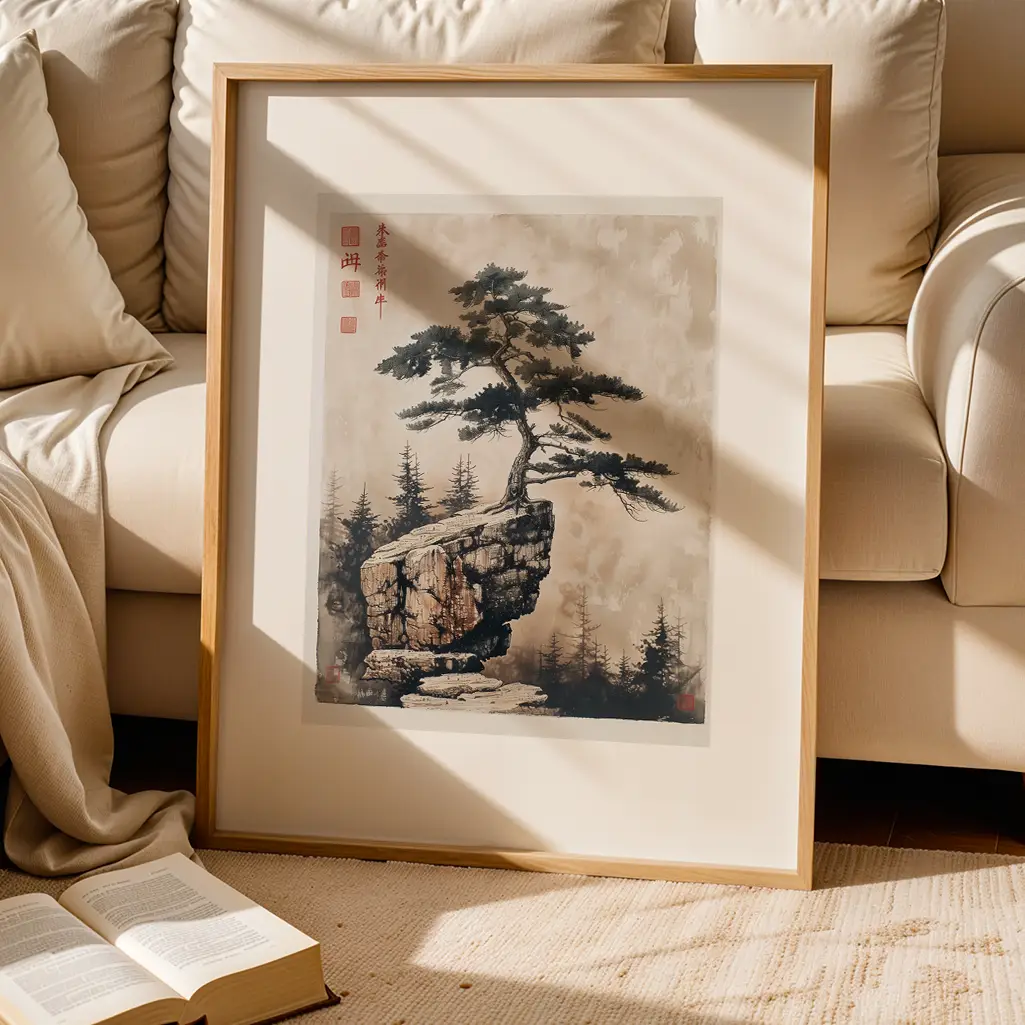
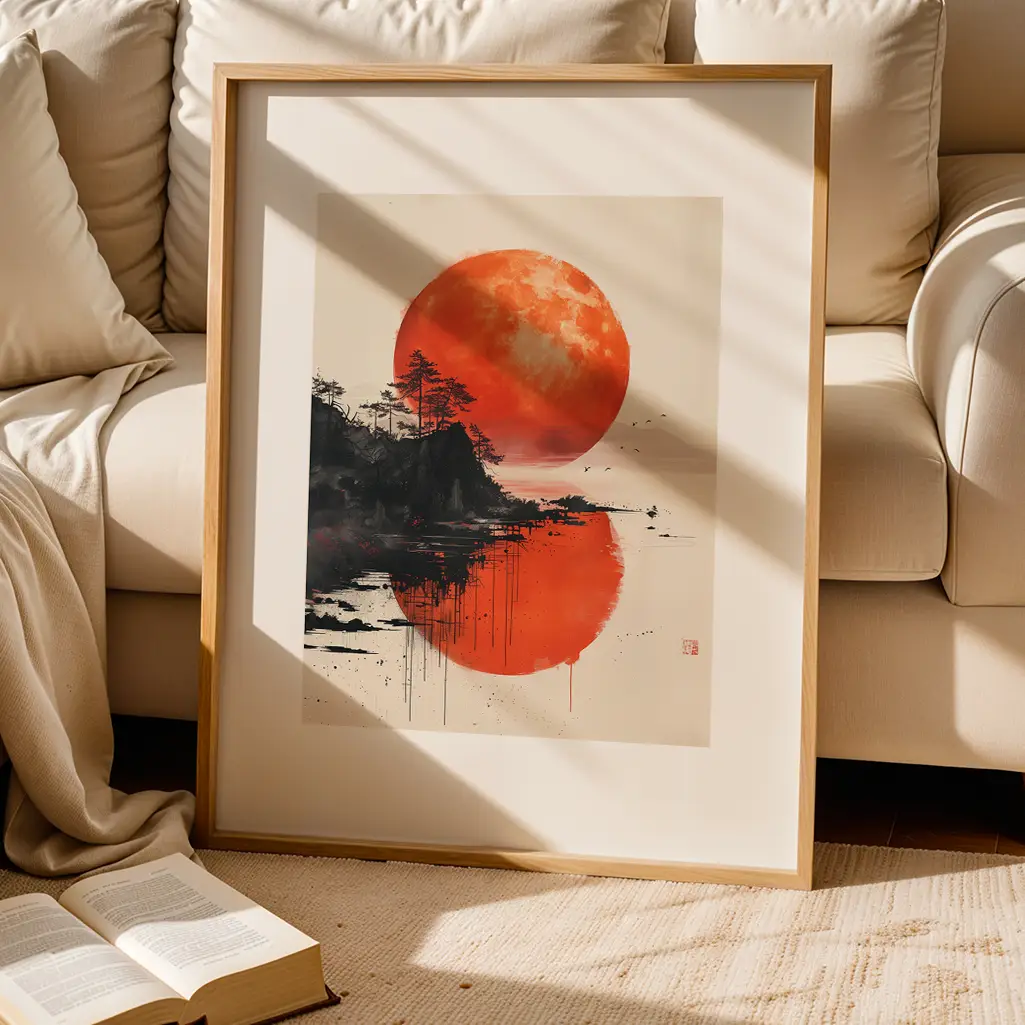
In traditional interiors, ornament came from pattern: florals on fabric, carvings on furniture, ornate trim along the ceiling. Modern rustic design shifts ornament away from pattern and toward texture. The surface itself becomes the decoration, and the eye is drawn to grain, weave and tactility rather than to printed motifs.Imagine a living room with a low, simple sofa in a natural linen. Its silhouette is almost anonymous, but the fabric has a visible slub, a slight roughness that keeps it from feeling slick. Underfoot, a flatwoven wool rug in a single sand tone adds another layer of texture, its subtle variation catching the light. Against a white plaster wall, a coffee table in solid oak stands on thick, honest legs. Nothing is screaming for attention, yet the room feels layered and alive.
What creates that feeling is the interplay of textures across a very restricted color palette. Modern rustic rooms usually live in a narrow band of hues: whites that lean creamy rather than stark, beiges that borrow from stone and sand, browns that echo bark and leather. Color takes a step back so that texture can move forward. The interest lies not in how many shades are present but in how varied the surfaces feel when your hand reaches out.
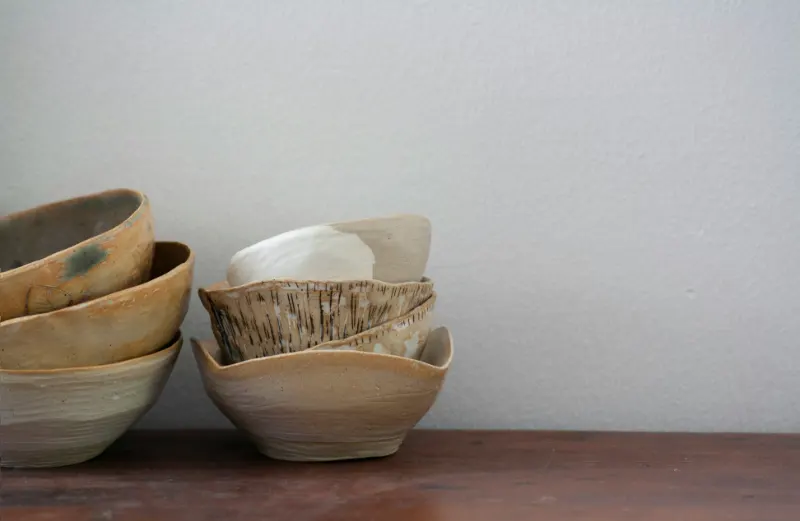
The reasoning is practical as much as aesthetic. Texture wears well. Natural fibers age with a certain dignity; leather softens and gains a patina, raw wood develops gentle marks instead of harsh scratches. Modern shiny finishes can look tired quickly when nicked or scuffed, but a rustic surface seems to expect use and incorporates it. A home becomes more forgiving when its materials are allowed to be vulnerable.
There is also a psychological dimension. Surfaces with texture slow your gaze. Your eye lingers on the knot in a board or the nubby loop of a wool throw. This lingering is a form of attention, and the more you attend to the physical reality of your surroundings, the less you are pulled into the abstract anxieties of a crowded day. In this sense, modern rustic design borrows something from Zen practice: it draws you into the present moment via the simplest of cues, the feel of grain under your fingertips.
Editing Warmth: How to Bring It Home
Translating modern rustic style into your own rooms is less about shopping lists and more about a way of looking. It begins with editing rather than adding. Stand in a room and ask which objects are actually serving you, visually or emotionally. Anything that is only filling a gap is a candidate to leave. When the surfaces are cleared, you can start to rebuild the space more intentionally.Start with one natural anchor material, usually wood. If your floors are already wood, treat them as the base note and choose furniture that either gently complements or clearly contrasts in tone, but avoid a mix of many different stains. If your floors are tile or concrete, a single substantial wooden piece, like a dining table or bench, can ground the room. The form should be simple enough that the grain can speak.
Next, layer in softness where your body meets the room: the sofa, the bed, the chair by the window. Choose fabrics that show their weave and avoid anything overly shiny or slippery. Natural fibers such as cotton, linen and wool will naturally fall into the modern rustic vocabulary. Keep patterns restrained, relying on a change of weave or a subtle stripe rather than a bold print. The goal is a harmony of surfaces, not a chorus of competing voices.
Color should follow function. If a room needs to feel expansive and calm, lean into light neutrals that reflect daylight softly. If it needs to feel cocooning, like a bedroom or reading corner, allow the walls or large textiles to deepen a few shades, as though the room were moving closer to the center of a tree trunk. Within these ranges, a single darker accent, such as a charcoal throw or a blackened metal lamp, can sharpen the composition without breaking its warmth.
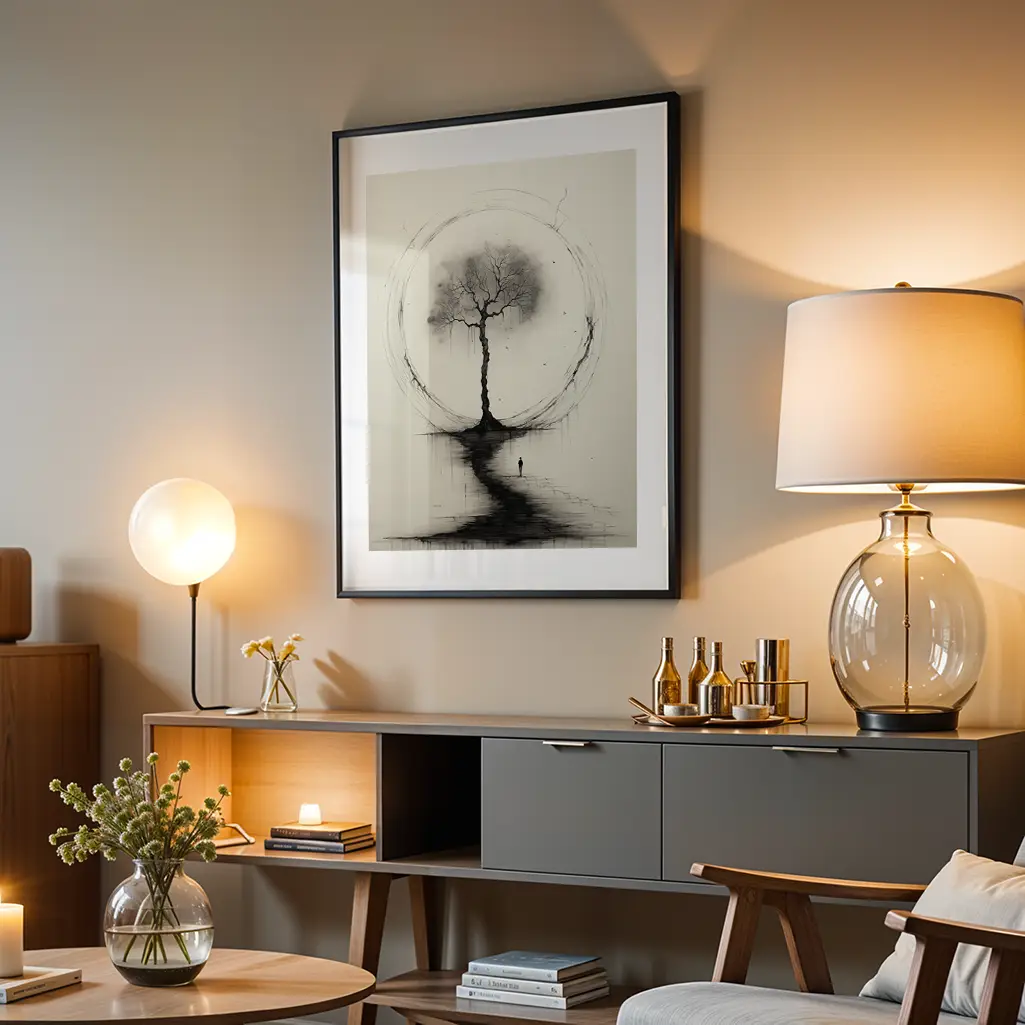
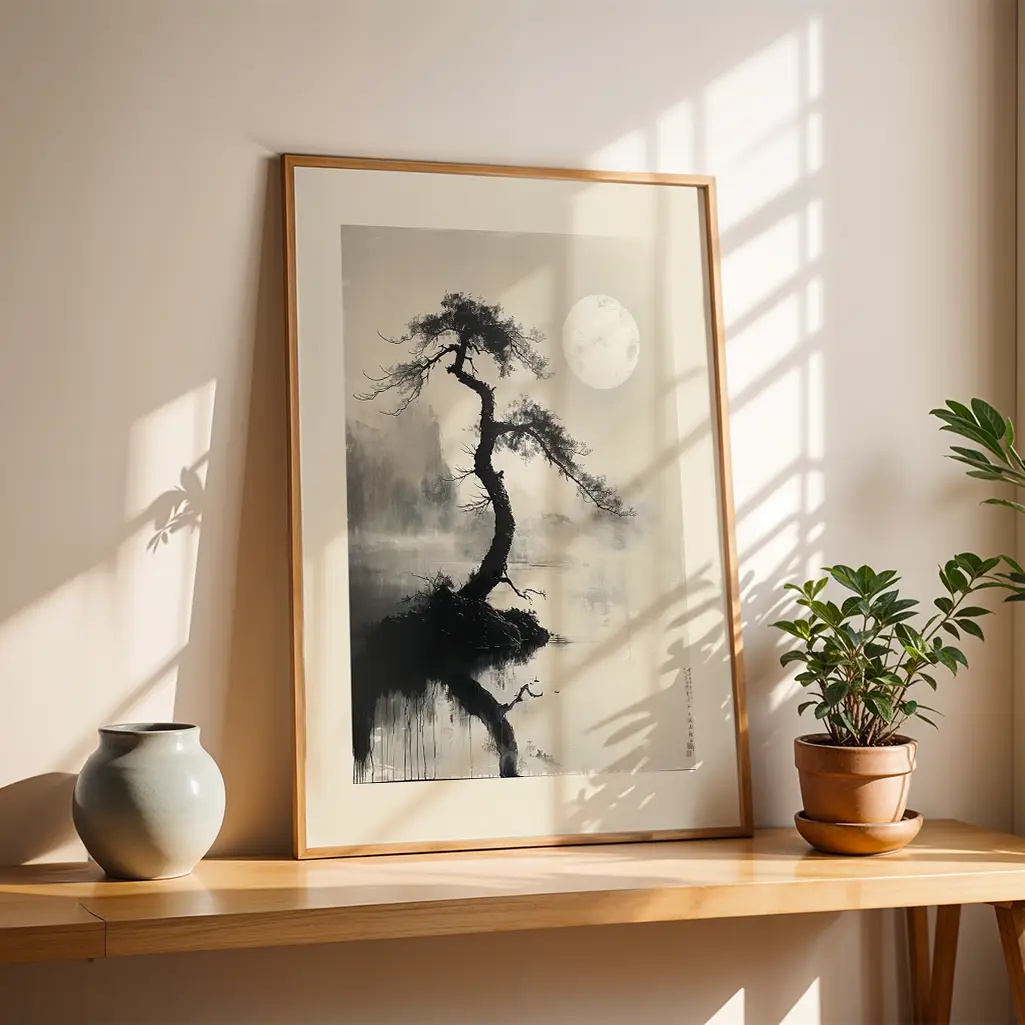
Lighting plays a quiet but decisive role. Overhead fixtures can remain minimal and almost invisible, allowing lamplight to do the emotional work. A ceramic table lamp on a wooden console, a linen shade casting a diffuse glow across a textured wall, a candle on a stone tray: these small gestures warm the surfaces and pull out their detail. The room at night should feel like a low conversation, not a bright announcement.
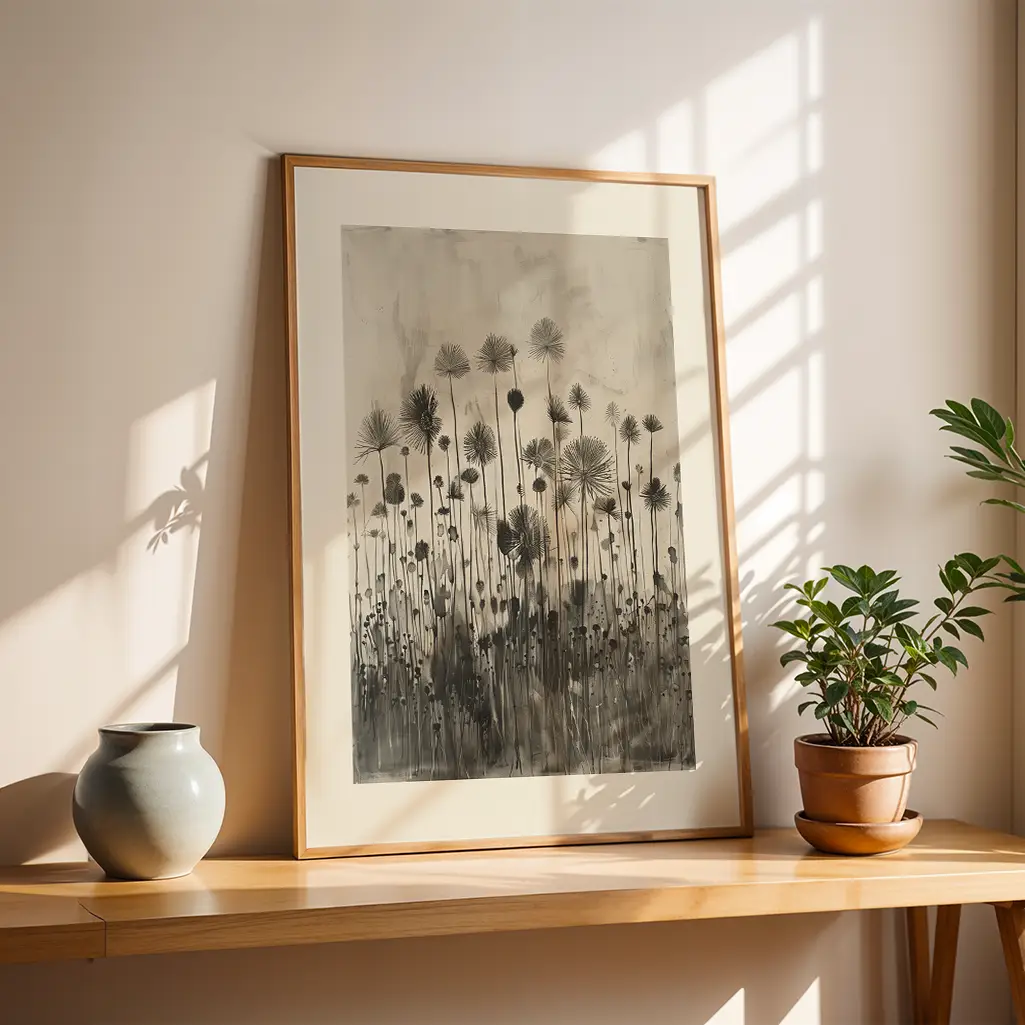
Finally, consider what you leave out. Modern rustic style resists overstyling. A single branch in a wide-mouthed vase, its irregular line tracing the air, can say more than a bouquet. A stack of well-thumbed books on a bench can be more compelling than an array of decorative objects chosen only to match. When in doubt, remove one item and notice whether the space feels calmer or emptier. Aim for calm.
In the end, modern rustic is less a look than a mood: an atmosphere where minimalism softens and nature steps gently indoors. When done well, it gives you a home that is not only beautiful on a screen but deeply livable, a place where the textures invite you to stay present, and where the quiet is not absence but comfort.