
Why Natural Texture Feels Like Home
Walk into a room lined with smooth plastics and glossy finishes and the space can feel oddly distant, even if it is perfectly styled. Yet add one linen curtain, a worn oak stool or a stone bowl, and suddenly the room feels more human. This is not only aesthetics. It is your nervous system responding to texture, temperature and visual complexity in very old, very biological ways.
Natural textures like linen, wood and stone are irregular. They catch light unevenly, they carry tiny imperfections, and they show their age. This unevenness, often called "visual noise," gives your eyes something gentle to rest on. Neuroscience research on so‑called biophilic design suggests that spaces which echo natural forms can reduce stress and improve focus. Texture is one of the quietest ways to do that at home.
There is also a temporal dimension. Plastics and high-gloss laminates tend to look best the day they are installed. Natural materials tend to improve as they wear. Linen softens, wood patinates, stone edges round off. You are not just decorating rooms; you are initiating a long conversation with surfaces that will evolve as you live with them. Cozy does not come from perfection; it comes from the feeling that a space can absorb real life and become more itself, not less, in the process.
When you think about natural texture, resist the urge to buy everything at once. Instead, consider three sensory questions: What will this feel like under my hand, how will it interact with light over the day, and how will it age over the next ten years? Linen, wood and stone each answer those questions differently, yet they combine in surprisingly harmonious ways.
Linen: Soft Light and Calm Disorder
Linen is paradoxical. Up close it is full of tiny slubs and irregular threads, yet from across the room it reads as calm. This tension between micro-chaos and macro-order is exactly what makes it so powerful. It satisfies the eye without shouting for attention.
Unlike tightly woven synthetics, linen has microscopic gaps that let light filter through. That is why a simple natural linen curtain can change the mood of a room more than an elaborate fixture. Morning light becomes diffused and milky, harsh afternoon sun softens to a glow. If you want your home to feel gentler without dimming it, linen at the windows is often the single most transformative move.
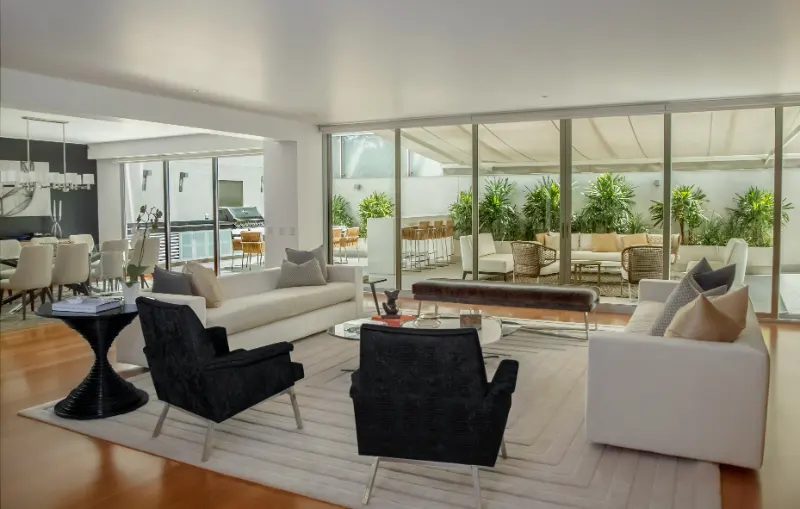
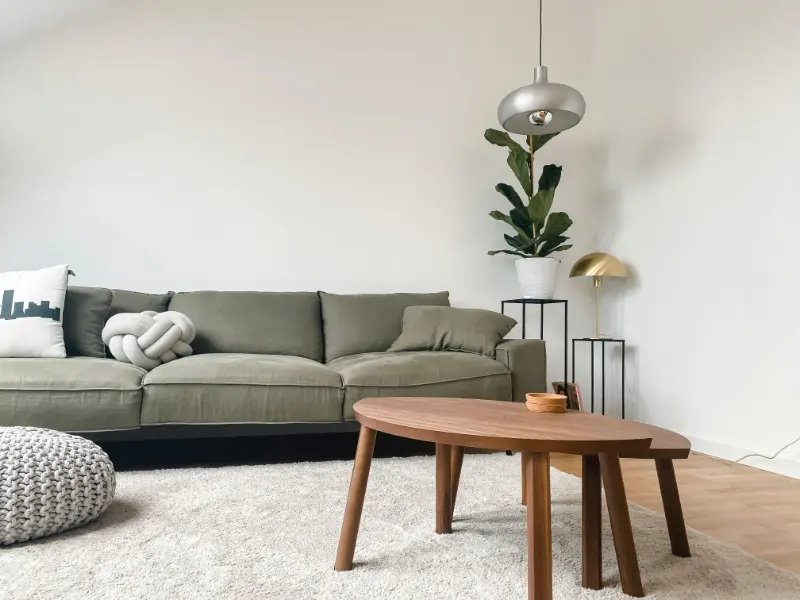
There is also the matter of temperature and touch. Linen fibers conduct heat away from the body quickly, which is why linen sheets feel cool when you slip into bed. Yet when layered with wool or cotton, linen’s slightly dry hand keeps things from feeling sticky or heavy. On a sofa, washed linen upholstery invites you to sit without the anxiety of perfection. The faint wrinkles almost ask to be used; a pristine, tightly stretched synthetic can make you feel like a guest in your own living room.
Color matters with linen, but less than you might think. Because the fibers are matte and textured, even a pure white linen pillow never reads as sterile. The weave breaks up the light, creating subtle shadows in the folds. Earth tones in linen deepen this effect, but the real work is done by the texture itself. If you are afraid of all-neutrals becoming flat, mix different weights of linen instead of piling on more color. A coarse linen throw beside a smoother linen cushion creates depth while staying quiet.
The practical note is that linen asks you to embrace imperfection. It will crease; it will soften unevenly. The key is to treat those changes as part of the design. The more you resist them with aggressive ironing and overprotective rules, the less cozy it will feel. Linen is at its best when it is allowed to look a little undone, the way an inviting bed is never perfectly made.
Wood and Stone: Structure, Grounding and Time
If linen is about air and light, wood and stone are about gravity. They ground a space, both literally and psychologically. Where linen whispers, they speak in a low, steady tone that can make even a small apartment feel anchored rather than temporary.
Wood sits somewhere between fabric and stone. It is hard enough to form structure, but warm enough in tone to read as alive. The grain patterns you see are growth records, tiny memory lines of seasons. That story is part of why wooden tables and floors feel comforting: your daily scratches and rings blend into a narrative that was already going on before you arrived. A completely flawless wood surface can feel tense; a slightly marked one feels forgiving, as if it has already survived worse than a coffee spill.
Different woods carry different emotional temperatures. Pale oak and ash reflect more light and feel open and Nordic, especially when finished in a matte oil that preserves their tactile grain. Darker walnuts and teaks visually compress a room, trading brightness for intimacy. In small spaces, you can use lighter woods for large surfaces like floors, then add darker pieces in smaller doses, such as a side table or chair, to introduce depth without making the room cave in on itself.
Stone, by contrast, is the slowest material in the room. It has the lowest visual and literal temperature. Run your hand along a marble windowsill or a honed limestone countertop and you are touching something that will outlast the building around it. That sense of duration gives stone an almost meditative quality. It reminds you that not everything has to respond quickly; some parts of the home can just exist, quietly.
The key with stone is finish. Polished surfaces are reflective and formal, sometimes bordering on cold. Honed or brushed finishes are softer, easier on both light and fingers. They mute reflections and reveal subtle mineral variations, like clouds captured under the surface. In a kitchen or bathroom, simply choosing a honed stone over a high gloss can shift the room from showroom to sanctuary.
The most successful cozy rooms rarely separate linen, wood and stone into neat zones. Instead they let them overlap. A linen tablecloth cascading over a wooden table, with a heavy stone bowl at the center, creates a small landscape of textures: soft, warm, cool. Your eye moves across them the way it might scan a shoreline of sand, driftwood and rock. The trick is proportion. Let one material play the lead role, another support it and a third appear in small, almost incidental moments.
Ultimately, natural texture is less about following a style than about caring how your home feels from the inside. If you choose linen that invites touch, wood that can survive your habits and stone that calms the eye, you are not just decorating. You are building an environment that meets you where you are each day and quietly encourages you to stay a little longer.