The Quiet Intersection of Less and Living Things
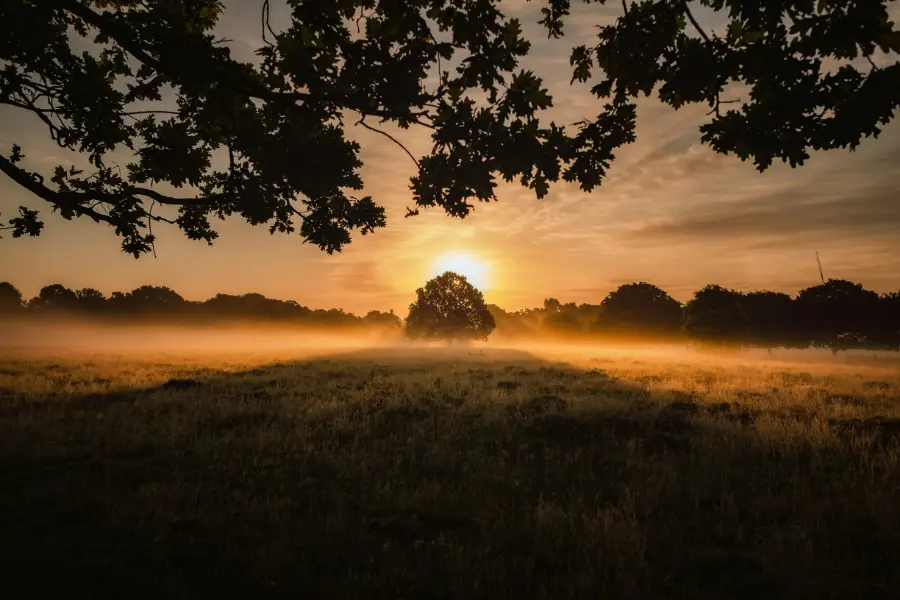
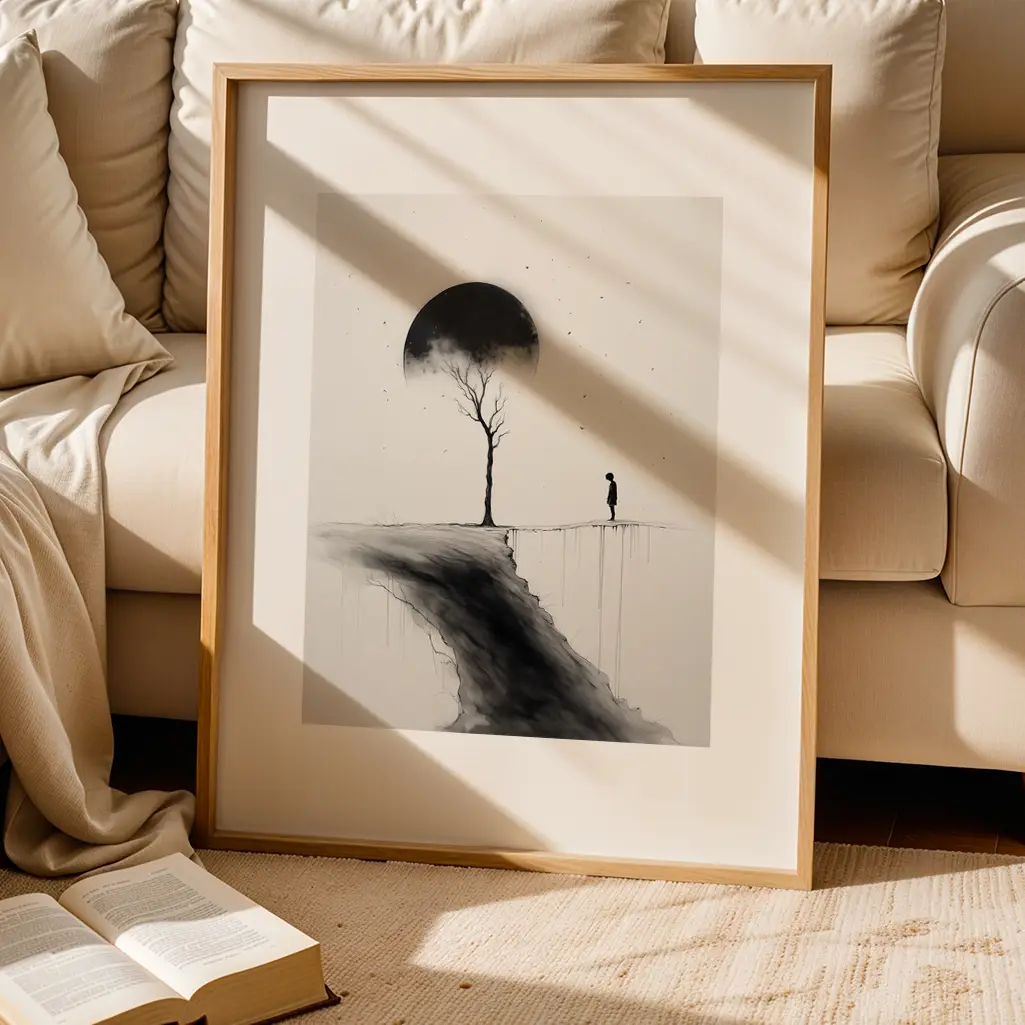
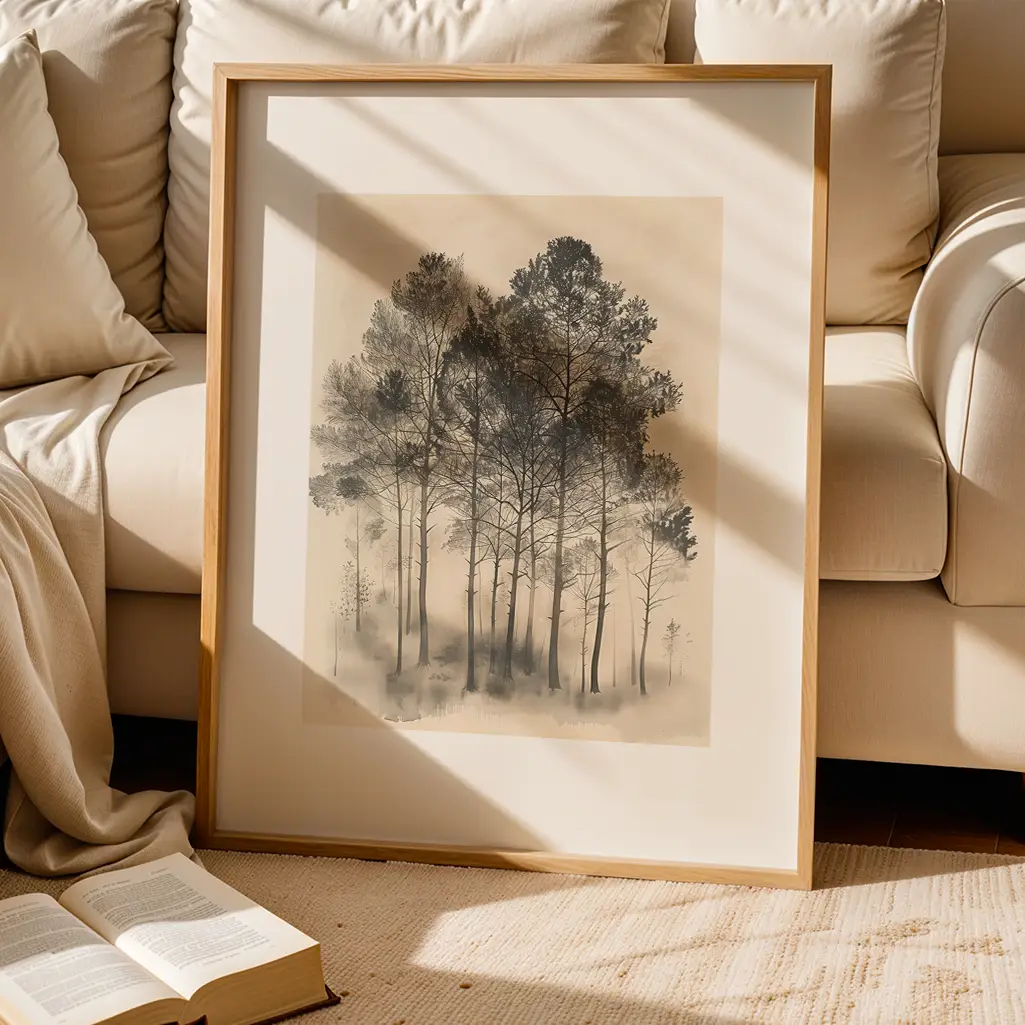
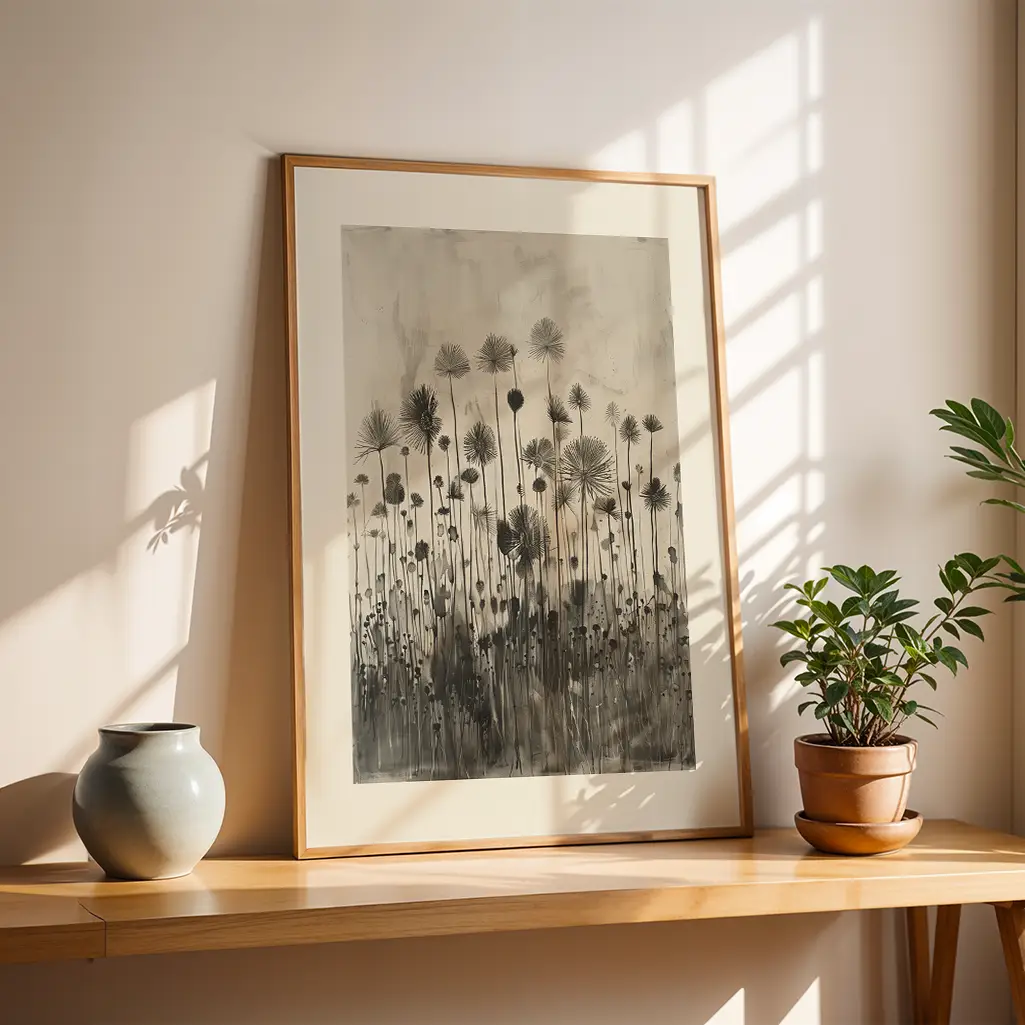
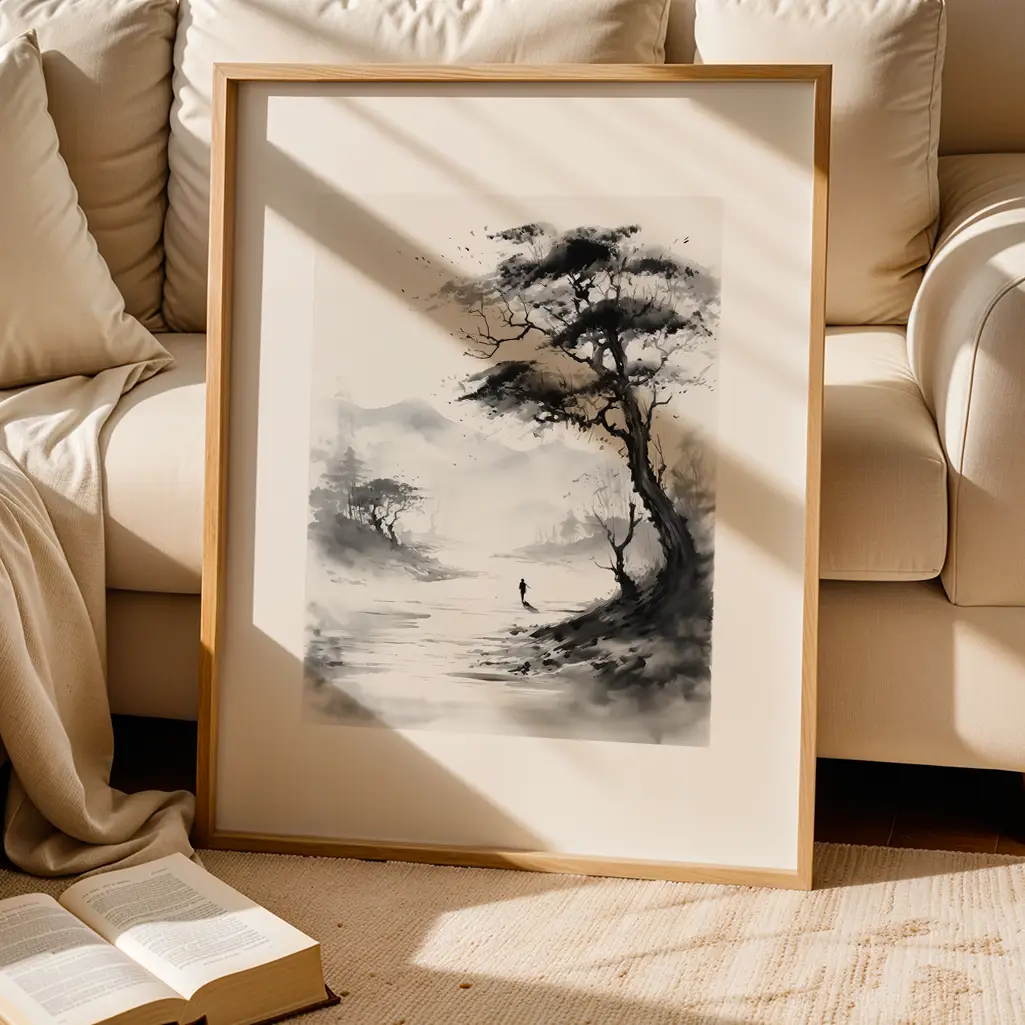
In a culture that often confuses comfort with accumulation, "minimalism" has earned a reputation for being almost punitive: sparse rooms, hard edges, nothing out on the counters, nothing on the walls. Nature, meanwhile, has the opposite image, a kind of luxurious abundance of leaves and branches and light. The surprising truth is that these two impulses, the desire for less and the pull toward the living world, are not rivals. When they are carefully combined, they temper one another and produce rooms that feel both clear and alive.The underlying philosophies are not as different as they seem. Minimalism, at its best, is not a style but a discipline of attention. It asks what truly matters, and lets the rest fall away. Nature, when brought into the home, performs a similar edit. A single tree branch in a clay vessel, if it is thoughtfully chosen, can hold more visual and emotional weight than a dozen decorative objects. A shaft of late afternoon light, invited by an unblocked window, does more to warm a room than another floor lamp ever could.
The first step is not to buy anything. It is to look. Stand in the room you want to change and notice what your eye cannot rest on. Clutter is not just a pile of things; it is also a tangle of visual signals. Busy patterns, storage bursting at the seams, cords, small decor items that have drifted into the room without a clear purpose: these all create a psychic hum. To make space for nature and minimalism, you are really making space for a different kind of clarity.
Begin with subtraction. Remove one or two items that feel like noise and live with the absence for a day. Notice which objects you do not miss at all and which ones you instinctively reach for. This is the quiet audit that will guide the rest of your choices. When you clear without judgment, you make room for what the room actually wants to be, not what the last sale or passing trend suggested.
As negative space begins to emerge, the room will feel oddly louder at first. This is normal. Our eyes adapt to clutter the way ears adapt to street noise; silence feels intense when you first encounter it. Push through that small discomfort. On the other side is a kind of internal exhale, a sense that the room finally has room to breathe.
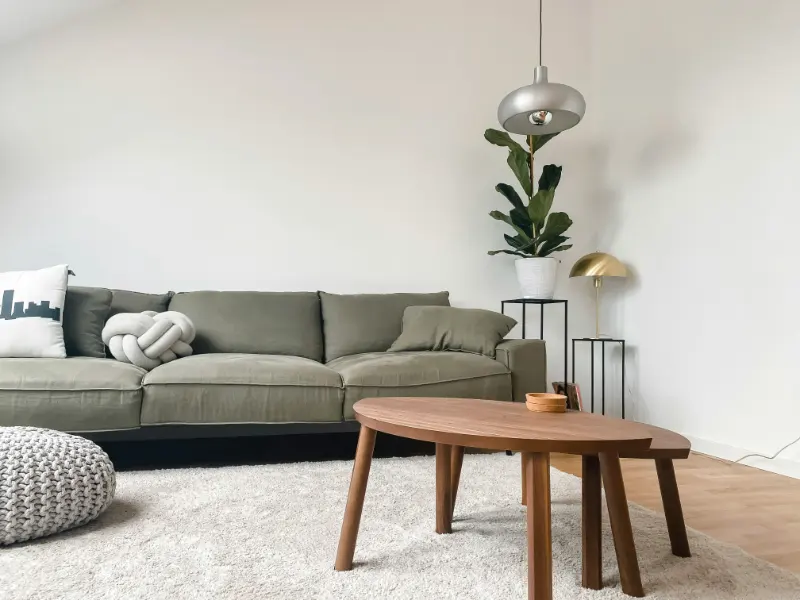
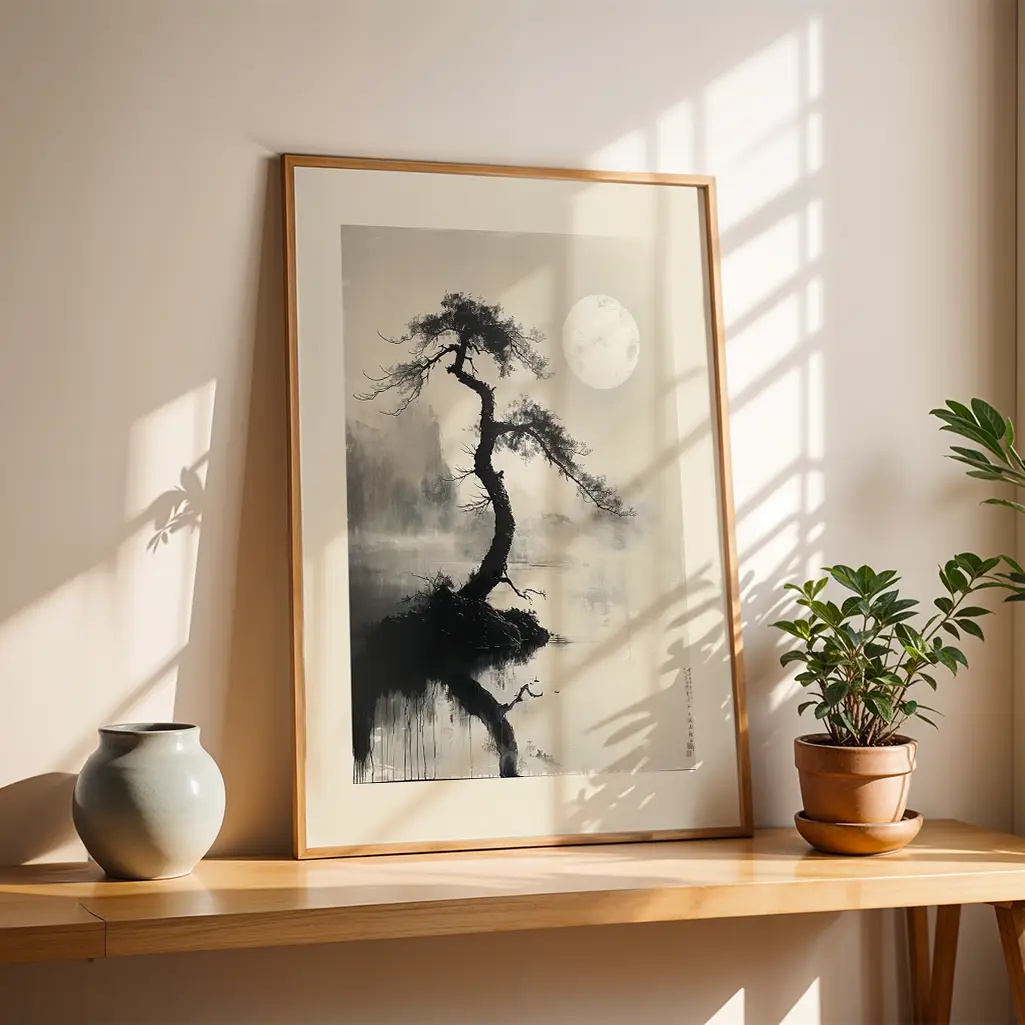
Only then should nature enter, not as an afterthought but as a co-author. Instead of thinking in terms of "adding plants," think in terms of inviting specific, living gestures that can hold their own in the new quiet. A single fiddle leaf tree, a low bowl of moss, or a tall, leafless branch can feel monumental when there is space around it. The goal is not to recreate a greenhouse but to let one or two living forms become focal points in their own right.
Materials, Light and the Art of Restraint
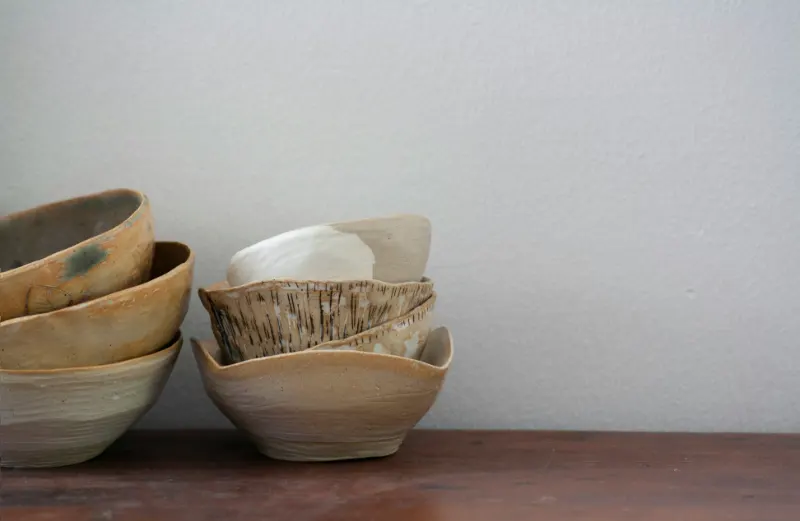
Once the room has been edited down, material choices become amplified. Minimalist spaces can easily tip into coldness when they lean too hard on glass, stark white walls and metal surfaces. This is where nature, in its more subtle forms, does its best work. Wood with visible grain, stone that reveals its veining, handwoven textiles with irregularities, clay and paper that show the mark of the hand: all of these are quietly expressive without being loud.Notice how many surfaces in your room are smooth and sealed, and how many are textured and breathable. If your table is glass and your sofa is tightly upholstered, introducing a single wooden stool or a linen throw can shift the entire composition. The contrast wakes up the senses without adding clutter. Minimalism is not about having as few textures as possible; it is about choosing each one so that it earns its presence.
Color, too, benefits from a natural lens. A minimalist palette need not be limited to whites and grays; it can echo the subtlety of a foggy coastline or a forest at dusk. Think of sand, stone, bark, lichen, river water. These hues can be layered in very small doses while keeping the room visually calm. A pale green wall that recalls olive leaves or a deep, earthy brown on a single piece of furniture will anchor the space without shouting.
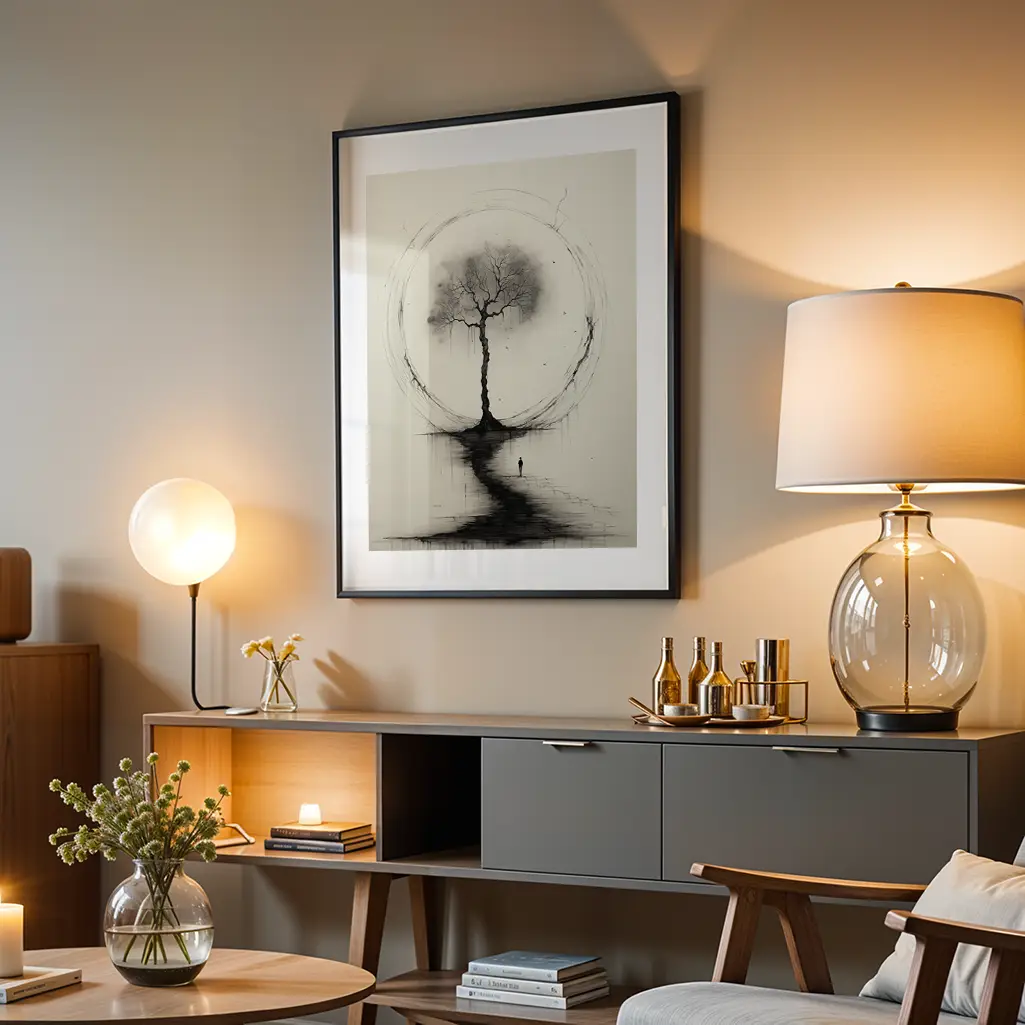
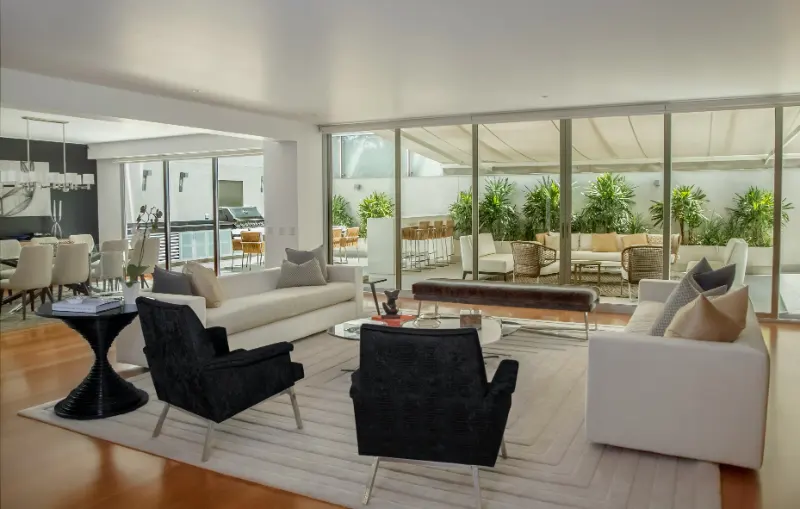
Light is the most mutable material you have, and the one that costs nothing. A nature-infused minimalist room pays attention to how light moves during the day. Heavy drapes that block daylight in the name of privacy can often be replaced with sheer, natural fabrics that filter light the way leaves filter sun. The goal is not constant brightness but a gentle variability, a reminder that time is passing outside the windows.
As you refine the space, restraint becomes both a design tool and a form of self-knowledge. Each time you are tempted to add a new object, ask whether it clarifies or complicates the atmosphere you are building. A smooth river stone on the windowsill that you actually like to hold may contribute more than a stack of decorative books you never open. A simple ceramic cup that feels good in the hand may be more beautiful in daily use than a sculptural vase that only gathers dust.
In the end, the combination of nature and minimalism is less about aligning with any aesthetic label and more about the quality of attention you bring to your home. A pared-back room with a few living elements is not a stage set; it is an invitation to notice your own life more clearly. The curve of a leaf, the way sunlight reaches across a bare floor, the pause your mind takes when it is not confronted with constant visual demands: these are minor, daily moments, but together they create a quieter kind of luxury.
Designing in this way does not demand perfection. It asks only that you choose with intention, leave some space empty on purpose and allow the living world to have a small but decisive say in how you live indoors. When less and living things share the same room, the home stops performing and starts breathing.