Seeing Beauty in the Slightly Unfinished
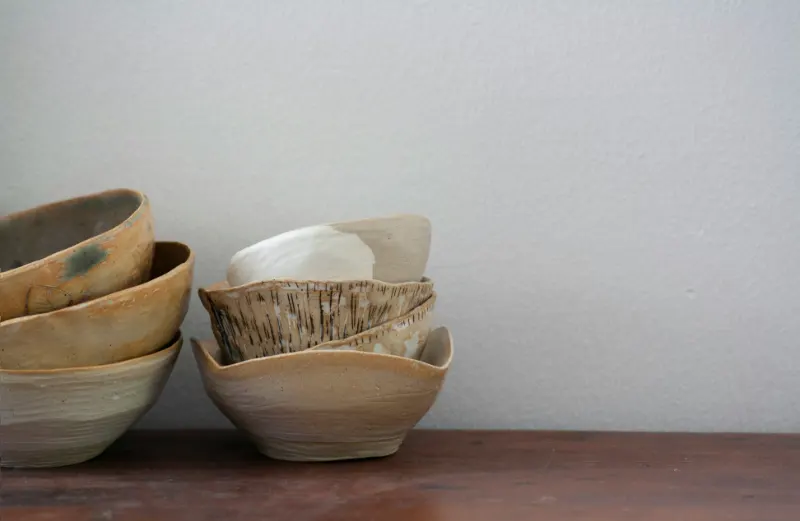
Wabi-sabi decor begins with a quiet rebellion against the flawless room. Instead of chasing a showroom ideal, this way of seeing invites you to notice what a space actually feels like in use. A table that shows a faint ring from morning coffee, a linen sofa that creases where people actually sit, the slightly uneven rim of a handmade bowl. These are not failures of maintenance; they are the subtle evidence of a lived life.
The philosophy has roots in Japanese aesthetics, but you do not have to replicate a tea house to work with it. At the center is a simple shift: trading perfection for presence. Wabi-sabi decor values finishes that record time and touch. It favors the depth of a textured wall over a flawlessly flat one, the story in a knotty pine plank over the anonymity of vinyl that never changes. When you begin to care about how a material ages rather than how crisp it looks on installation day, your choices in the home start to change in surprisingly calming ways.
Consider your own favorite places to sit. They are often not the newest or the most coordinated corners but the ones that feel easy. The chair already shaped a little by your posture, the throw that has lost its factory stiffness, the window ledge with just enough wear that your hand finds its way there almost automatically. Wabi-sabi decor notices this and leans into it. Instead of covering signs of use, it lets them participate in the atmosphere, so the room greets you not as a performance but as a familiar companion.
The turn toward texture is practical as well as poetic. Imperfect surfaces are forgiving. A plaster wall with a subtle trowel pattern does not panic at a small scuff; a floor with visible grain does not mind the shadows of daily traffic. In a home tuned to wabi-sabi, you are free to exhale. The decor is not a contract to be constantly upheld but a backdrop that accepts your routines and small clumsiness without complaint.
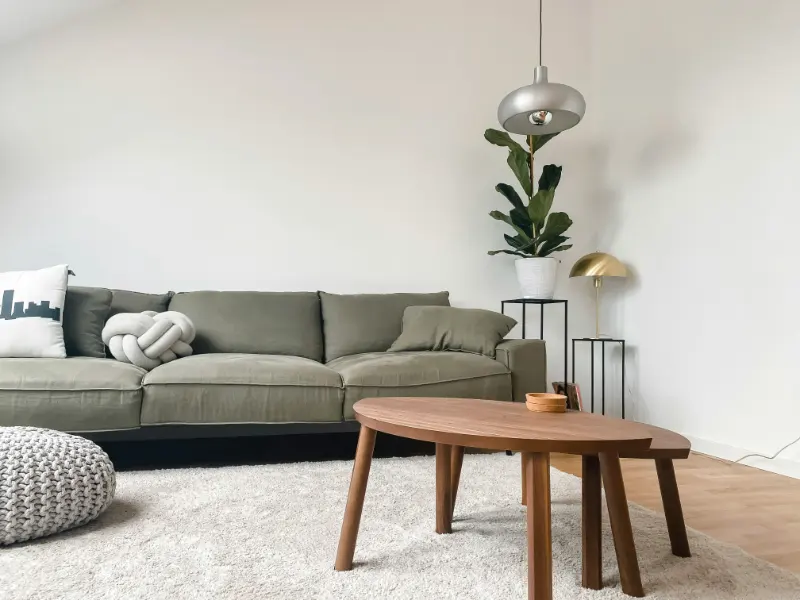
Texture also slows the eye, which is a quiet gift in a culture of speed. A glossy, uniform interior asks to be scanned; a layered, tactile one invites you to linger. Your attention starts to slide away from whether things match and toward how they relate: how the nubby surface of a wool rug softens the straight line of a table leg, how a raw ceramic lamp base grounds the coolness of a metal frame. You are no longer editing your home for a photograph but listening for how it supports the rhythms of your day.
Choosing Materials That Age Well, Not Just Look New
Designing with wabi-sabi in mind is less about acquiring the right objects and more about learning to read materials. The question shifts from whether something appears luxurious to whether it has enough integrity to carry a patina. Wood, linen, wool, clay, stone and paper are honest in this way. They do not hide their response to light, touch or time. A solid oak table will dent and mellow in color. A linen curtain will soften where you pull it aside every morning. These changes are not defects; they are how the object stays in conversation with your life.
When you begin to look at decor this way, the hierarchy of value quietly rearranges itself. A machine-smooth surface that resists all marks may start to feel oddly mute. Meanwhile, a thrifted bowl with a hairline crack that you use for keys becomes more compelling precisely because it is no longer pretending to be perfect. It holds a trace of risk and care. You place it a little more gently. That shift in your hands is part of the room’s mood.
You can apply this sensibility even in small, practical updates. If you are repainting a room, consider a finish with a hint of movement. Limewash or a softly brushed matte paint catches light differently throughout the day, giving the walls a subtle, cloudlike depth. If a full plaster treatment is not in the cards, a single accent wall with a textured roller already changes how the space feels under your fingertips. Reach for fabrics with a visible weave for cushions and bedding. They read as approachable rather than precious and welcome being touched instead of only seen.
Even storage can join this textured conversation. A woven basket by the door, a wooden peg rail, a low bench that shows its grain give daily tasks a tactile anchor. Hanging a long, thickly knit scarf on that peg is not mere organization; it becomes another soft plane in the room’s composition. You are building a home that holds your habits instead of hiding them, and each material choice supports that stance.
Crucially, wabi-sabi decor does not demand that you abandon all polish. A sleek metal lamp can coexist with a roughly glazed vase. The point is not to recreate a rural farmhouse but to temper smoothness with enough texture that the room feels dimensional and kind to the body. The interplay of refined and raw, straight and irregular, cool and warm is what keeps the eye curious and the atmosphere grounded.
Living With Imperfection as a Daily Practice
Embracing wabi-sabi in decor quietly challenges how you measure a successful home. Instead of asking whether everything looks new, you might ask whether the space lets you relax your shoulders. The answer often lies less in the color palette and more in how the room treats evidence of living. If a small scratch on a table feels catastrophic, the space may be overinvested in image. If you can notice it, smile and move on, your home has room for your humanity.
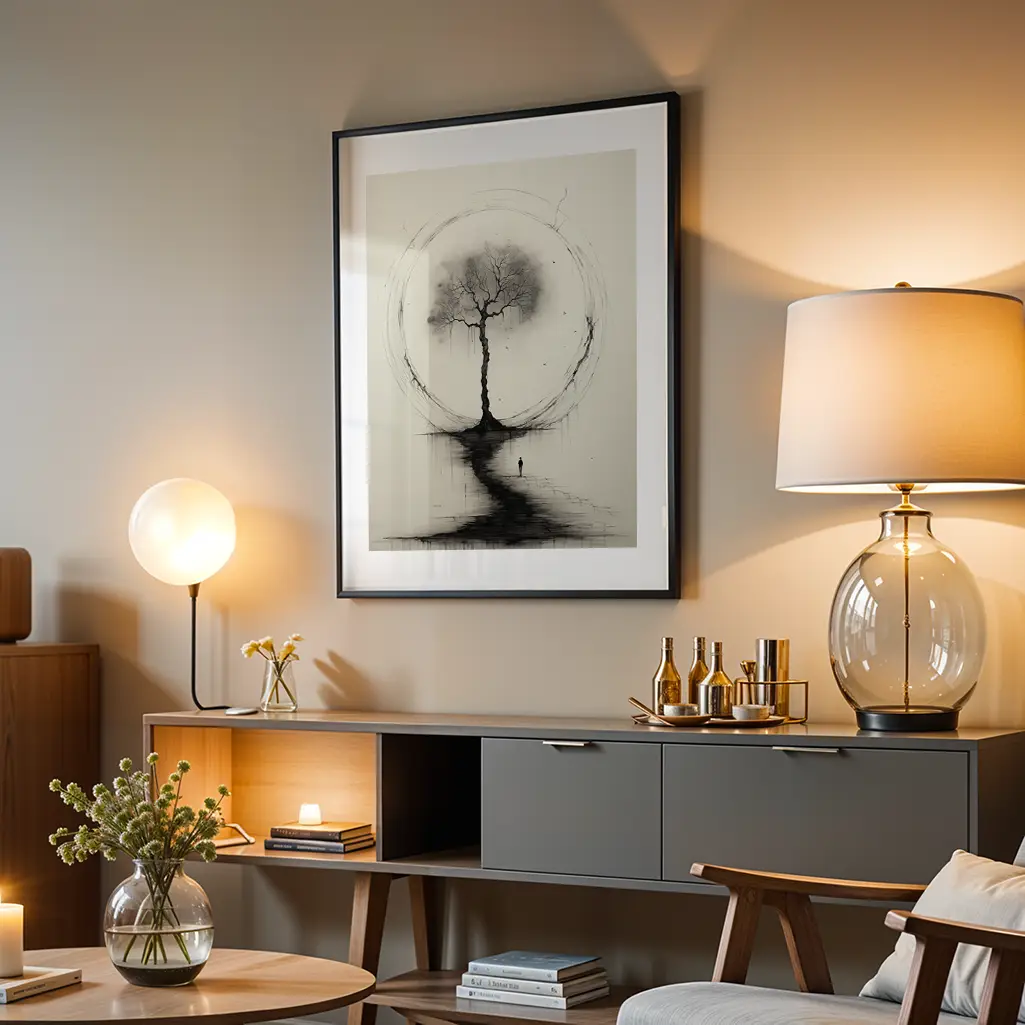
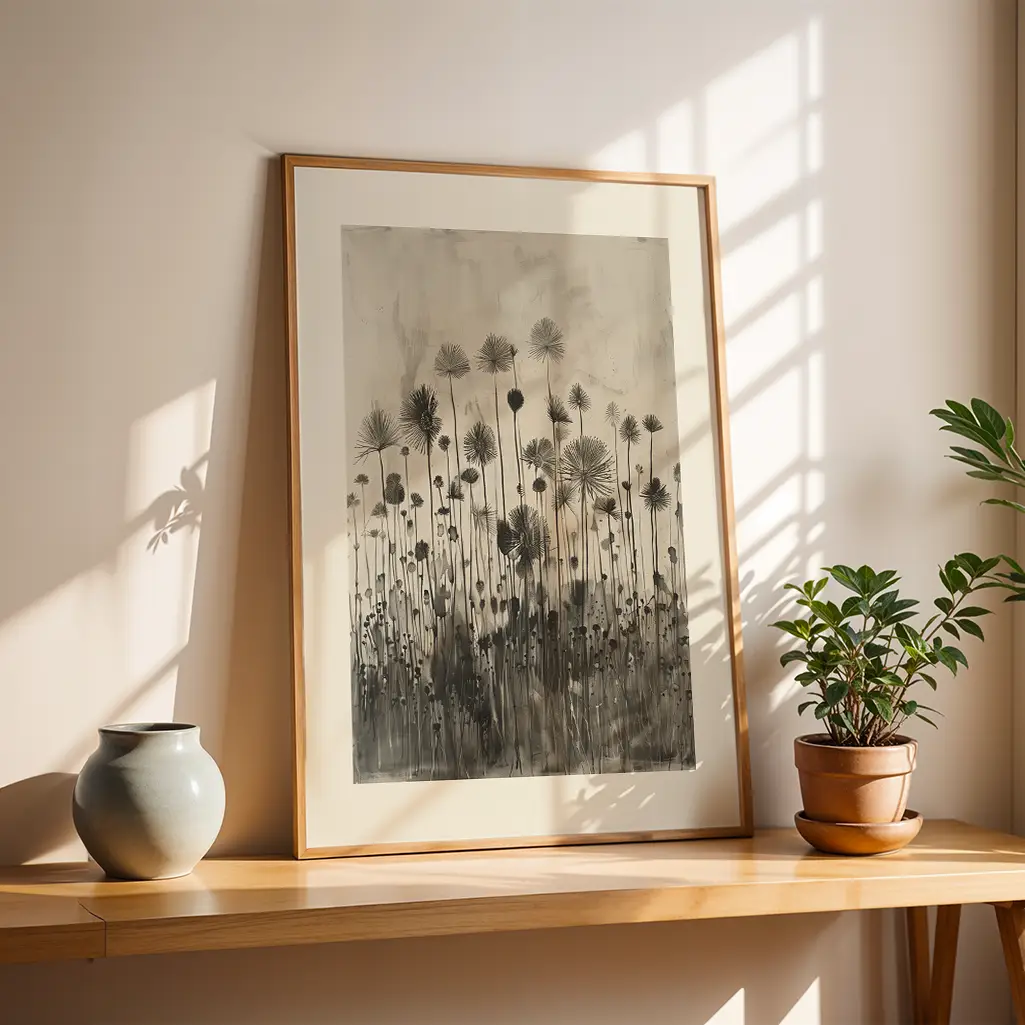
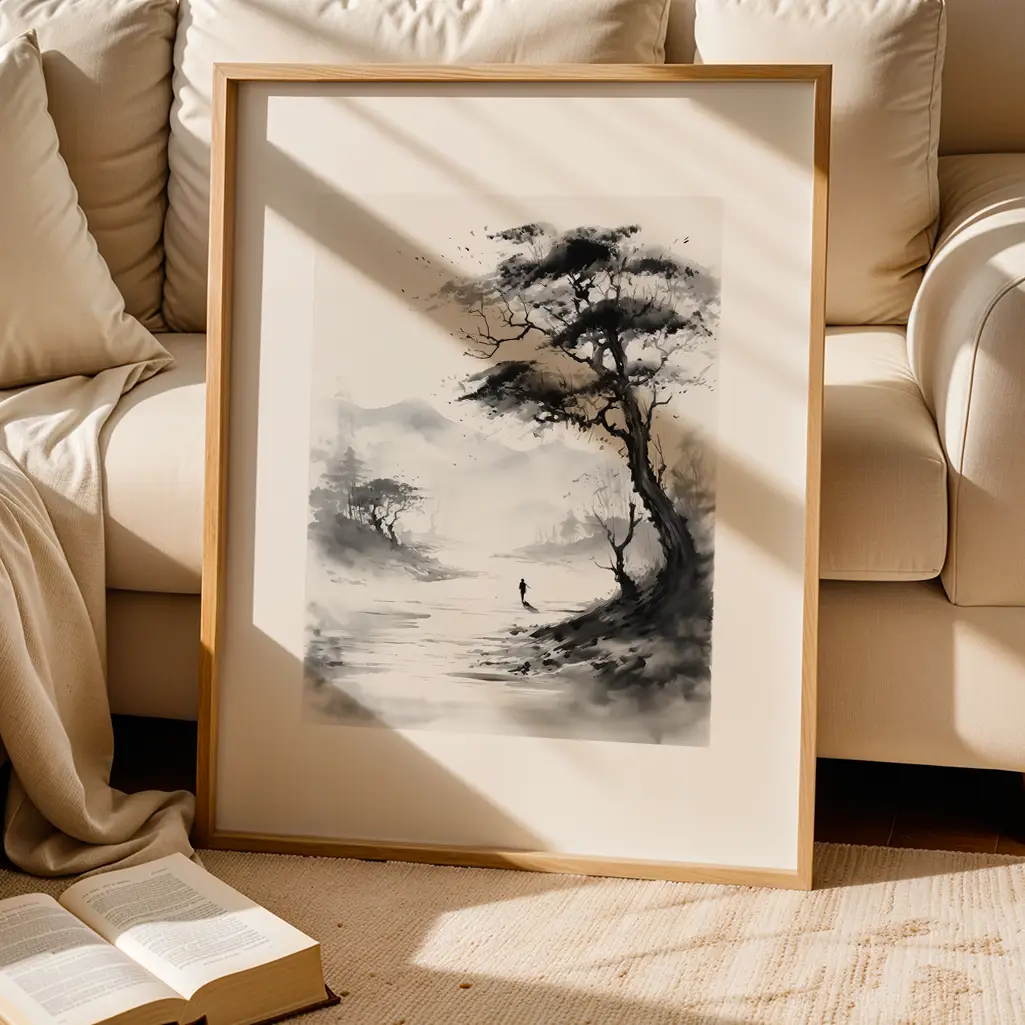
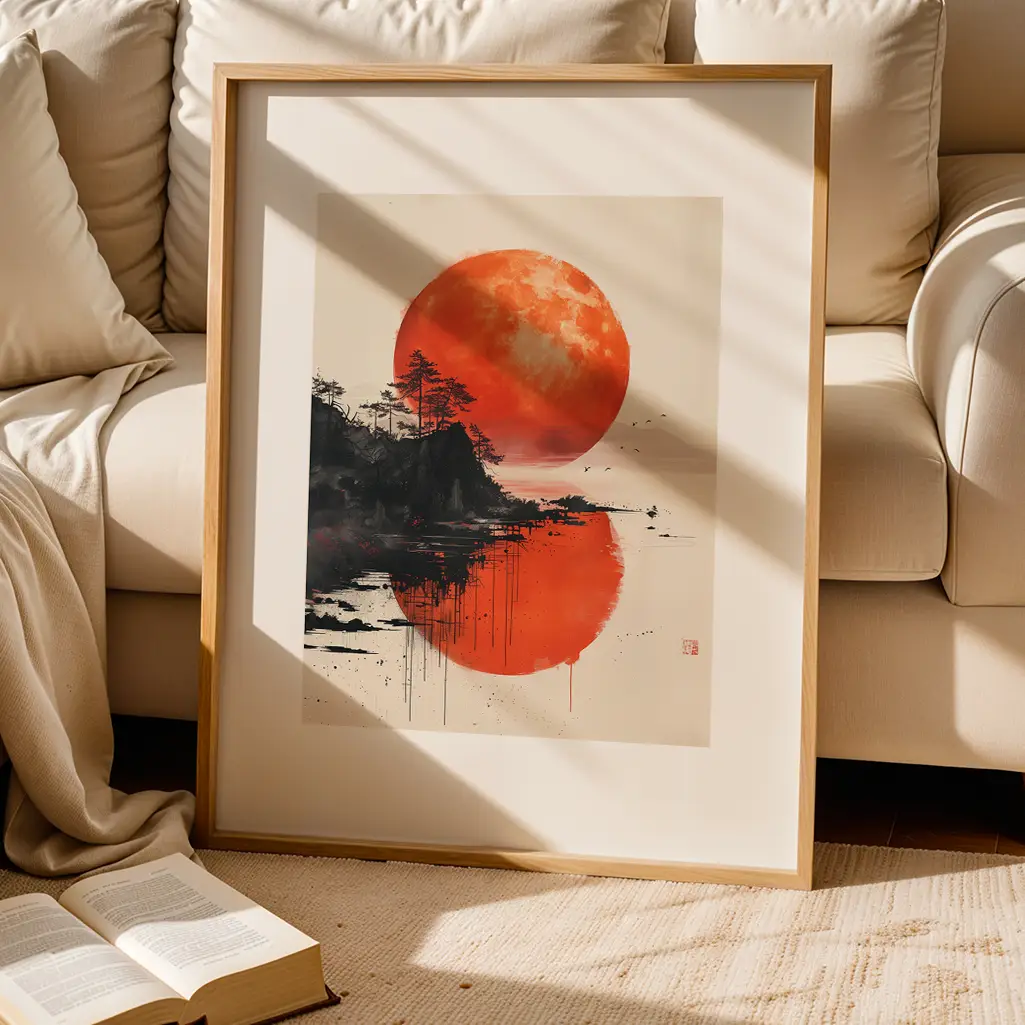
One way to cultivate this attitude is to deliberately leave a few things slightly unresolved. A branch in a plain vase, angled not quite symmetrically on the mantle. A painting hung a little off center above a low bench, so the negative space next to it breathes. A stack of favorite books on the floor near a chair instead of lined up with military precision on a shelf. These gestures look casual, but they also train the eye to accept gentle asymmetry as natural rather than neglectful.
Cleaning and maintenance do not disappear in a wabi-sabi home, but they become acts of stewardship instead of erasure. You still wipe the table, but you do not sand away every tiny impression. You still mend a cushion, but you might choose a visible stitch that adds a slight ridge, turning repair into new texture. Over time, the house begins to feel like a woven record of your decisions instead of a static set piece that must resist change at all costs.
There is also an emotional generosity baked into this approach. When your surroundings are allowed to be a bit uneven, your expectations of yourself and others soften too. Guests do not have to worry about their glass leaving a fleeting mark on the side table. Children can build a blanket fort without threatening the logic of the living room. The room is not fragile, it is responsive. It can flex with the moment and return to its rested state later, still carrying the faint echoes of what happened there.
What emerges is a calmer definition of beauty. Wabi-sabi decor, with its emphasis on texture over perfection, invites you to look closer rather than farther away. It asks for patience, for the willingness to let materials and objects reveal themselves over years instead of hours. In return, your home stops performing and starts accompanying you. It becomes a place where you are allowed to be slightly unfinished yourself, softened at the edges by time, and all the more interesting for it.