The Quiet Logic Behind Eclectic Style
Eclectic rooms that truly work rarely feel like accidents. They feel like the homes of people who have traveled widely, read deeply, and kept what mattered. The secret is that behind every apparently carefree mix, there is a quiet logic: a set of decisions about color, proportion, and mood that holds everything together.Think of eclectic style as a conversation rather than a collage. Every piece can be different, but each one should have a reason to be in the room. That reason might be a shared color, a similar silhouette, a texture that repeats, or simply the story it carries. When those threads are visible, the space reads as intentional rather than chaotic.
Start with how you want the room to feel, not what you want it to look like. Words like "calm," "playful," or "dramatic" will do more for your decisions than any moodboard. If you choose "calm," you might opt for a restrained palette and softer contrasts, even as you mix eras and pieces. If you choose "playful," you might allow more pattern clashes, but you will still need a rhythm so the eye can rest.
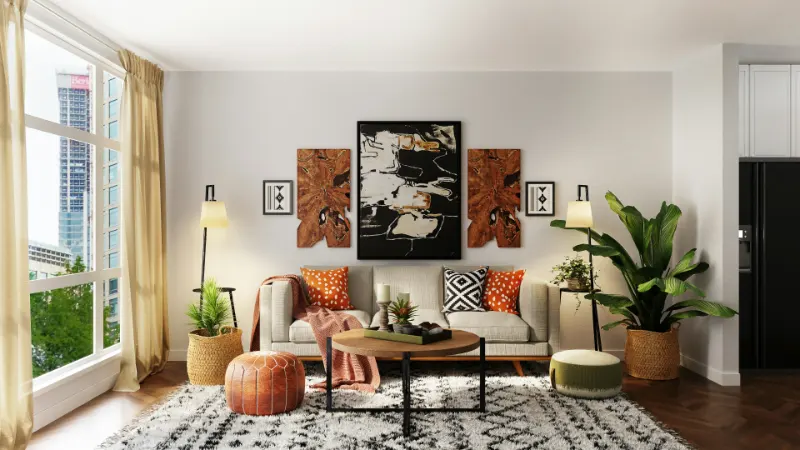
Color is usually the most forgiving anchor. You do not need a strict three‑color rule, but you do need a family resemblance. If you fall for a Persian rug, let its tones become your guide: pull a smoky blue onto a lamp, echo its rust in a throw, let its cream appear on the walls. The room may jump decades and continents in style, but the colors will act like a shared last name.
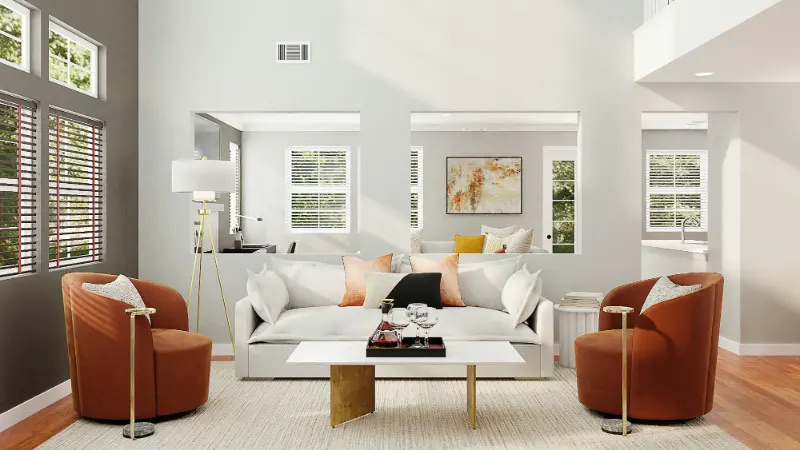
Scale is the other quiet force. When everything is large and heavy, the eye gets tired; when everything is small and spindly, the room feels nervous. Eclectic style works when a carved antique armoire has a counterpoint in a streamlined modern sofa, when a low, chunky coffee table is balanced by a slender floor lamp. Contrast is not just visual drama; it is how objects prevent each other from becoming monotonous.
To avoid a visual mess, imagine you are editing a sentence, not filling a storage unit. That witty vintage chair you found is a perfect exclamation mark; it does not need three more like it. A room with too many standout pieces has the same problem as a paragraph with every word in italics: nothing stands out at all. Eclectic style done right is generous but not indiscriminate.
There is also the matter of negative space. The instinct, especially when you love many things, is to show all of them. But empty wall around a painting, a bare stretch of floor next to a patterned rug, or a quiet corner with only a single chair can make your more exuberant areas feel deliberate. You are not just layering; you are composing.
Mixing Eras, Textures, and Stories With Intention
Once you understand the invisible rules, you can begin to mix more bravely. The most compelling eclectic rooms blend not just objects but times and textures. A sleek mid‑century sofa can sit comfortably under a gilt mirror if they echo each other in proportion. A rustic farmhouse table can happily share space with acrylic ghost chairs when the surrounding colors are calm and the shapes speak to one another.The key is to let at least one element bridge the differences. Color is the easiest bridge, but shape can do the job too. Rounded backs on dining chairs can soften a sharp, industrial table. A square lantern pendant can steady a room full of curvy silhouettes. When you introduce something new, ask what in the room it is shaking hands with. If the answer is "nothing," either adjust the piece or introduce a small companion that creates that handshake.
Texture is where an eclectic space becomes tactile and human. Smooth leather against a nubby wool throw, cool marble atop a rough jute rug, glossy ceramic next to matte plaster all invite touch. Still, you need a hierarchy. If everything is deeply textured, the room can feel restless. Choose one or two dominant textures, then support them with quieter ones. A heavily patterned kilim underfoot can be balanced by solid upholstery and a single patterned pillow rather than a chorus of them.
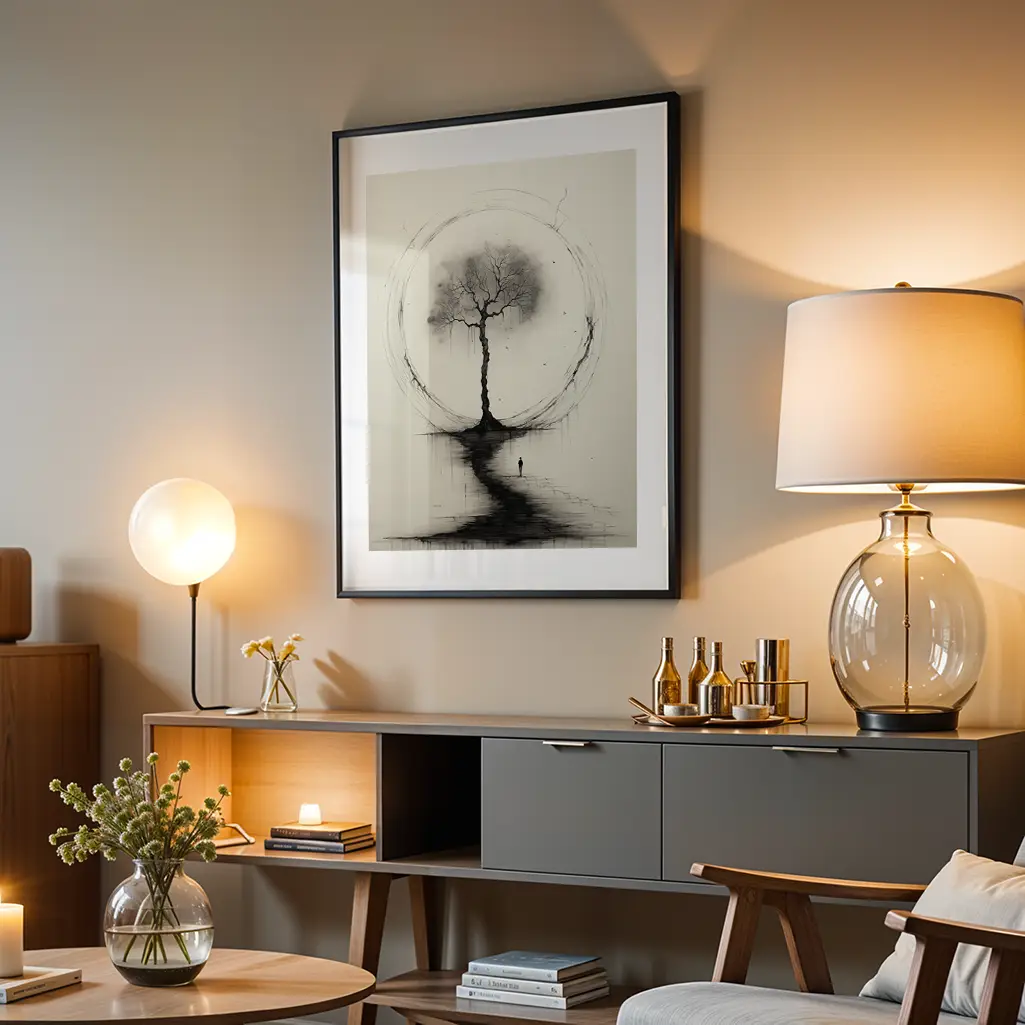
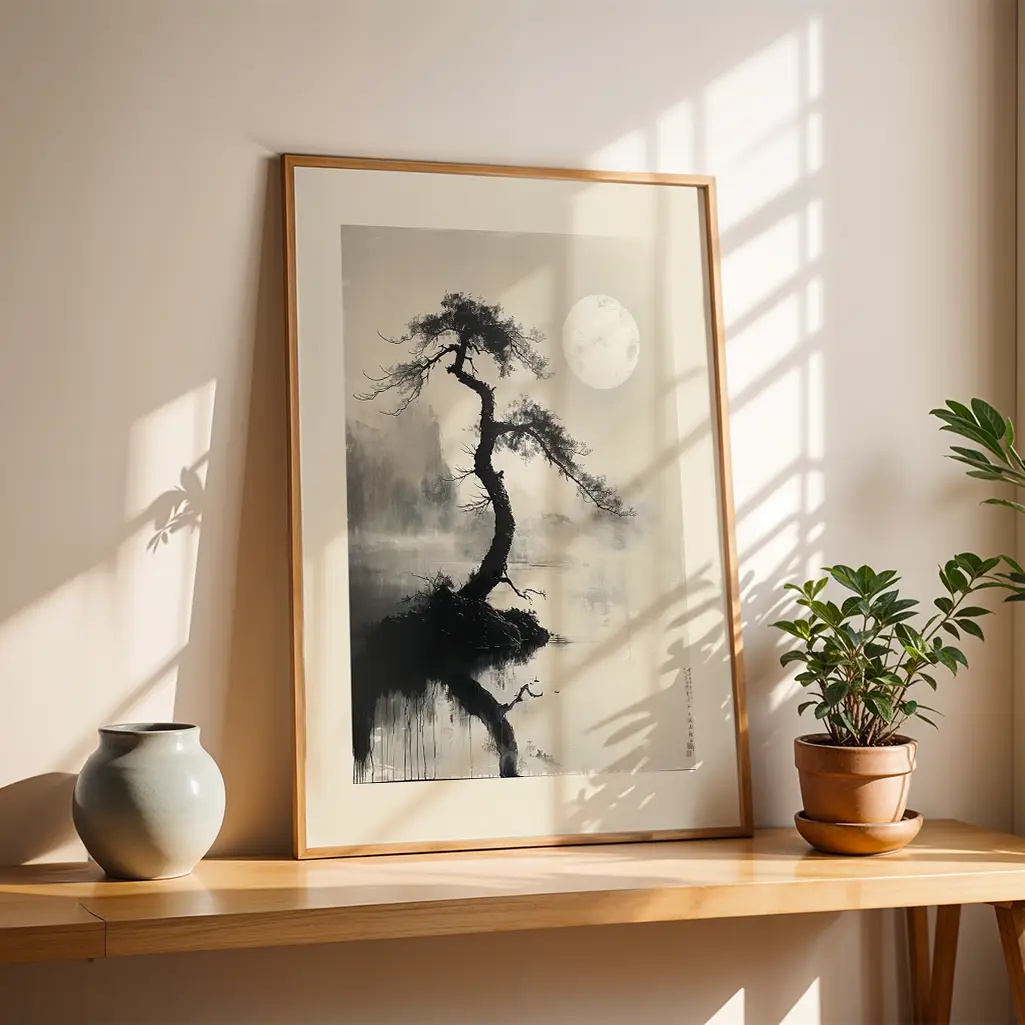
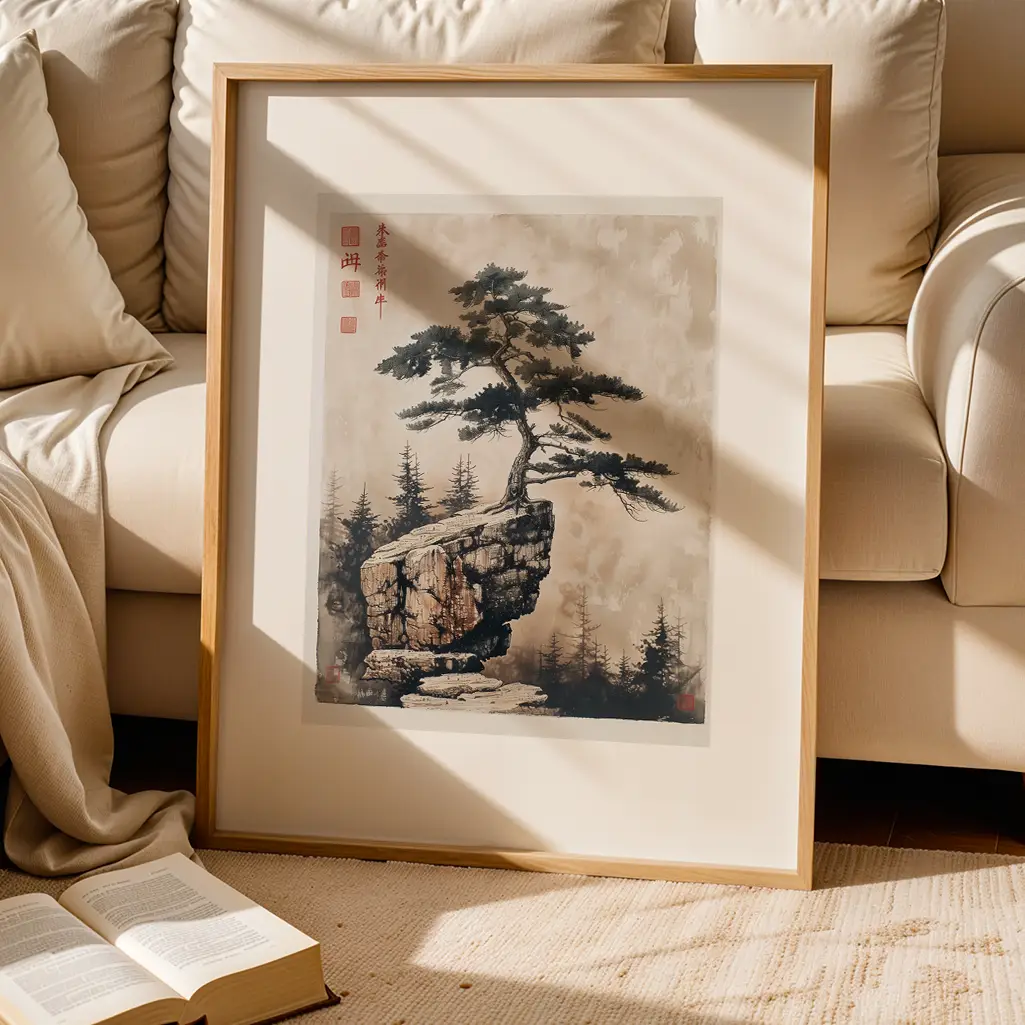
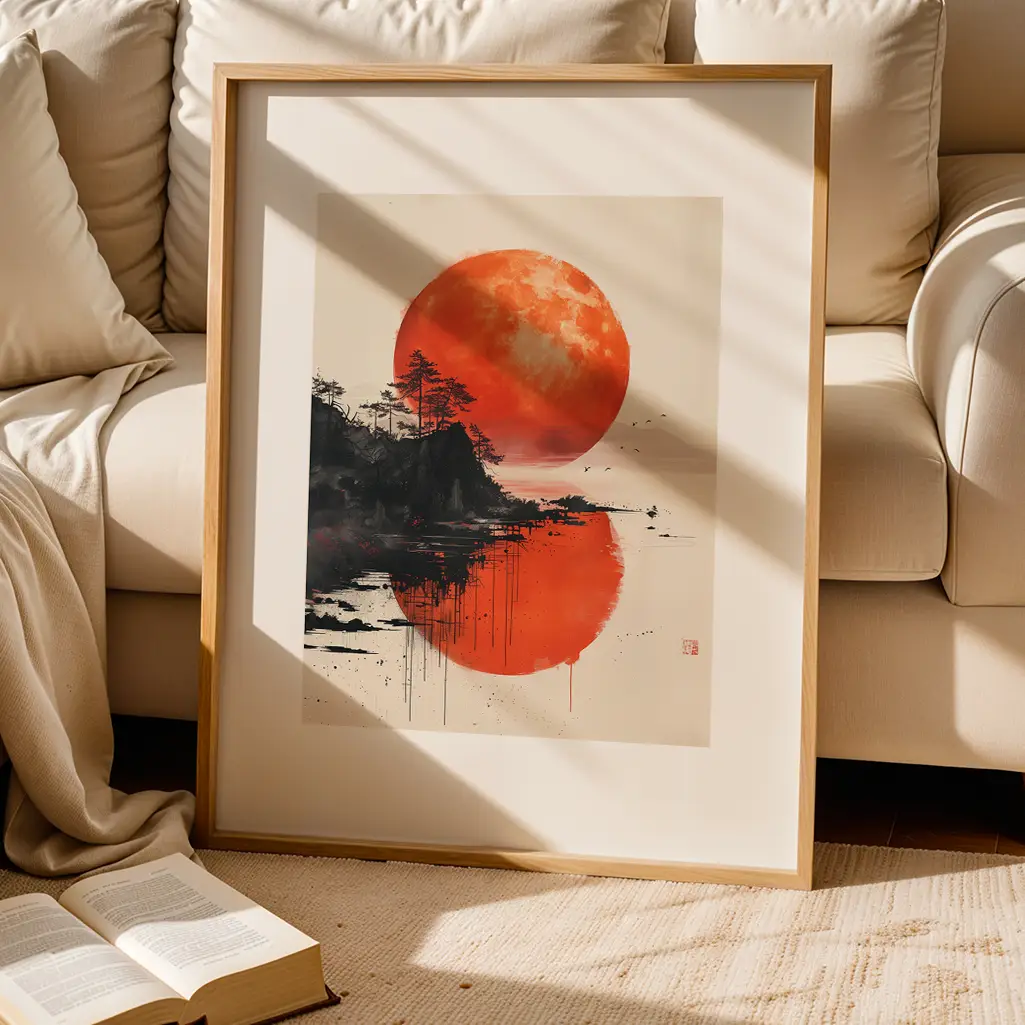
Art often acts as the room's thesis statement. In eclectic spaces, art does not need to match the sofa; it needs to clarify the mood. A contemporary abstract can pull a traditional setting into the present, while a classical landscape can lend gravity to a room full of modern forms. Hang pieces at a consistent eye level where possible to create an invisible line that calms the variety. A gallery wall works best when there is some repeated logic: frames in related finishes, similar matting, or a disciplined edge so the arrangement feels like one large object, not visual static.
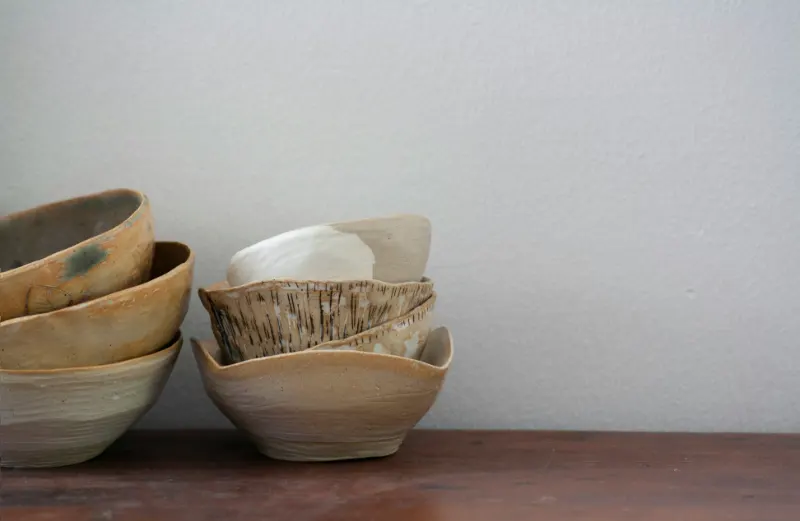
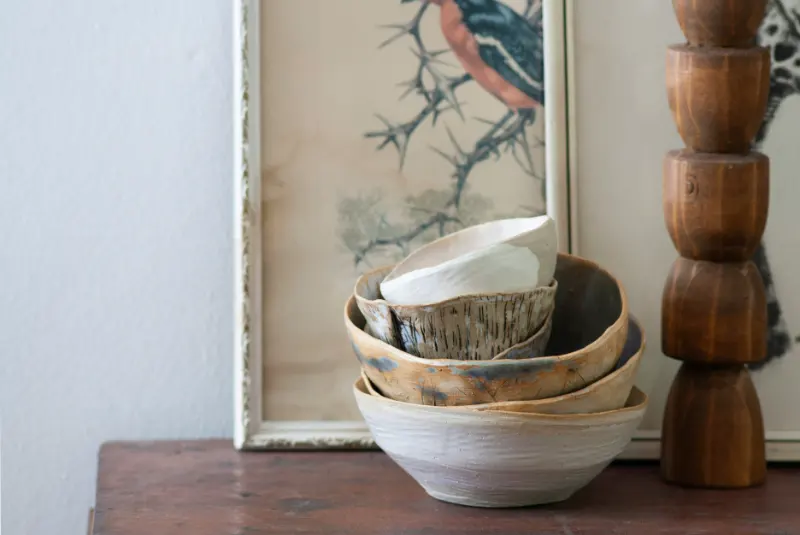
Personal objects are what prevent eclectic interiors from becoming mere style exercises. A ceramic bowl from a trip, a faded photograph, or a stack of beloved books instantly softens the line between curated and contrived. The danger is turning every shelf into a timeline. Instead, group objects loosely by color or material so that the stories feel woven together rather than chronological. A single striking souvenir, placed where your hand naturally passes it, will be felt more strongly than an entire cabinet of mementos.
Lighting is the final and often underestimated layer. Eclectic rooms benefit from several kinds of light at different heights: a pendant to wash the ceiling, a floor lamp to graze corners, a table lamp to create little islands of intimacy. When light falls unevenly, it creates pockets of depth that make your mix feel lived in, not staged. Mismatched lamps can coexist if they share something, whether a shade color, a metal finish, or simply a similar level of visual weight.
In the end, eclectic style done right is less about collecting wildly and more about listening closely. You are listening to your own history, to the architecture of your space, and to the ways objects respond to one another. When you edit with kindness and arrange with intention, you arrive at a room that does what the best homes quietly do: it tells the story of your life in many voices, speaking in harmony rather than shouting all at once.