
The Quiet Confidence of French Country Style
French country style lives in the tension between ease and elegance. It is the feeling of a linen napkin casually tossed onto a table set with inherited porcelain, the way sunlight softens a room full of old wood and new flowers. At its core, this style is less about matching furniture and more about choreographing a mood: relaxed, layered, faintly timeworn, but never careless.The rural homes that inspired French country interiors were built for work, but observed with an artist’s eye. Stone farmhouses in Provence had to be practical, yet they also opened themselves to light, views and small daily pleasures. That dual demand translates into a design language where every piece must both earn its keep and elevate the atmosphere. A rush-seat chair is comfortable and sturdy, but its woven seat carries a subtle pattern of shadow. A simple copper pot is a tool and a sculpture at once.
To understand the style in your own home, begin by noticing how it treats imperfection. Surfaces are allowed to age. Wood shows its grain; paint chips in the corners; fabrics soften with washing. The goal is not neglect but a cultivated acceptance of time. A side table with a slightly uneven leg can be shimmed, of course, but its dings and scratches might stay, embraced as part of the room’s memory. French country style assumes that a beautiful room is one that has lived a little.
Color plays into that softness. Rather than crisp whites and high contrast, you see a spectrum of creams, warm grays, sun-faded blues and dusty greens. These are colors that seem to have been bleached by years of southern light, even if they have just been brushed on. They create a visual climate of calm, so that a single deep tone—a charcoal armoire, a dark terracotta floor—reads as a quiet exclamation instead of a shout.
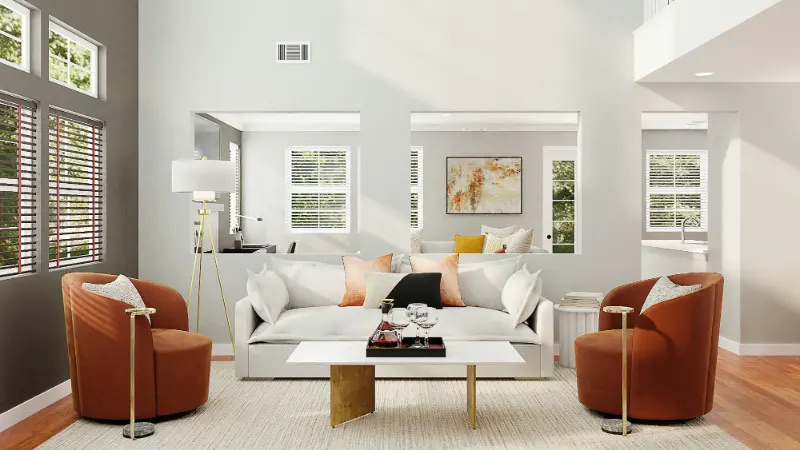
Texture does the heavy lifting. Linen, cotton and wool appear again and again, not as decorative afterthoughts but as structural parts of the room’s character. A slubby linen slipcover has a gentle rumple that invites you to sit without straightening the cushions first. A woven jute rug anchors a space with its matte, fibrous presence, tempering the shine of glass or glaze nearby. The room becomes less a collection of objects than an ecosystem of touch: cool stone, warm wood, soft fabric, smooth metal.
What makes this style distinct from a generic rustic look is its sense of proportion and restraint. Lines are often curved rather than rigid, but never excessively ornate. A chair may have a cabriole leg, yet the carving is modest, the silhouette graceful rather than showy. Even decoration with obvious charm—like a cluster of blue-and-white plates—feels edited. The arrangement stops just before it becomes cute, which is precisely where elegance begins.
Designing Rooms That Feel Collected, Not Constructed
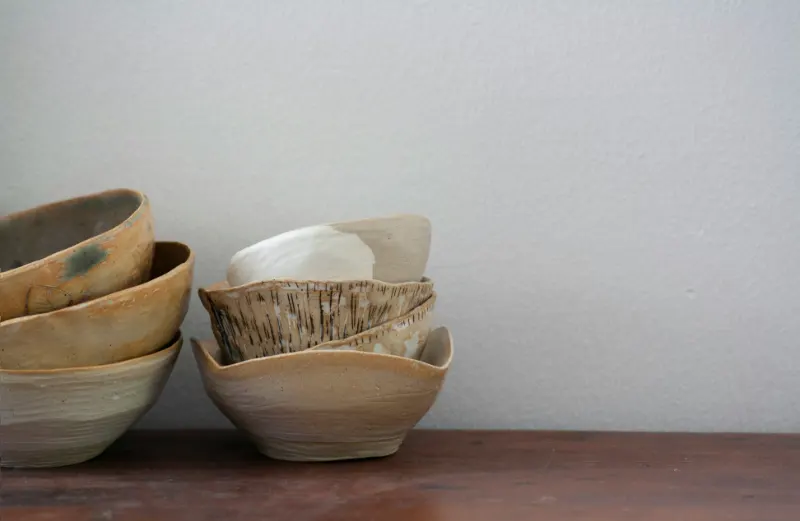
The challenge of bringing French country style into a contemporary home is resisting the urge to buy the look in one sweep. This is a style that thrives on items with slightly misaligned histories: the flea-market mirror above the new sofa, the inherited pitcher filled with this morning’s market flowers, the table that is a little too big for the space but loved enough to stay. The room should feel as if it has grown over time, even if you are starting from an empty floor plan.Start by considering how you actually live. French country interiors are grounded in use. The kitchen, for instance, is typically more open than sleek. Everyday tools—wooden spoons, well-worn cutting boards, pottery mixing bowls—can sit in plain sight if they are genuinely used. Their presence keeps the room from feeling staged. The guiding question becomes not “Does this match?” but “Will this earn its place in my daily rituals?” That question alone is a powerful design tool.
Light is another essential material. In stone farmhouses, windows were both necessity and luxury, capturing daylight as an antidote to thick walls. You can echo that logic even in a city apartment. Let window treatments breathe: sheers instead of heavy drapery, or linen panels that can be pulled back generously. Place mirrors to catch and bounce light, but avoid a hall-of-mirrors glare. The goal is a diffused, flattering brightness, like late afternoon in a courtyard.
When choosing furniture, imagine how each piece will age. A glossy, flawless finish may be nervously protected; a waxed or lightly distressed surface welcomes use. A dining table in solid wood, even if it carries a few imperfections from the start, signals that meals and projects and conversations are meant to happen there without anxiety. This mindset reduces the invisible tension that can seep into a room where everything feels too precious.
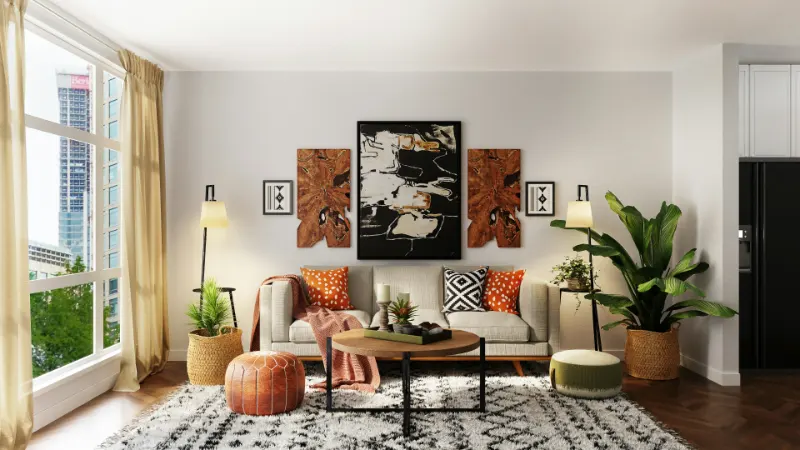
Patterns, too, deserve careful thought. Classic French country motifs—small florals, checks, toiles—can quickly tip into costume if overused. Instead of covering every surface, consider them as accents against a mostly quiet backdrop. A single toile pillow on a plain linen sofa carries more weight than a room where every textile competes for attention. This restraint lets the few chosen patterns read as charming details rather than a thematic directive.
Pay attention to transitions between rooms. In French country houses, there is often a gentle continuity: similar tones of wood, related but not identical colors, recurring materials. You can create that by repeating an element from one room to the next—a particular shade of gray on doors, a brass finish reappearing in hardware, a consistent approach to floors. The eye reads these echoes as harmony, even when individual pieces differ widely in age or origin.
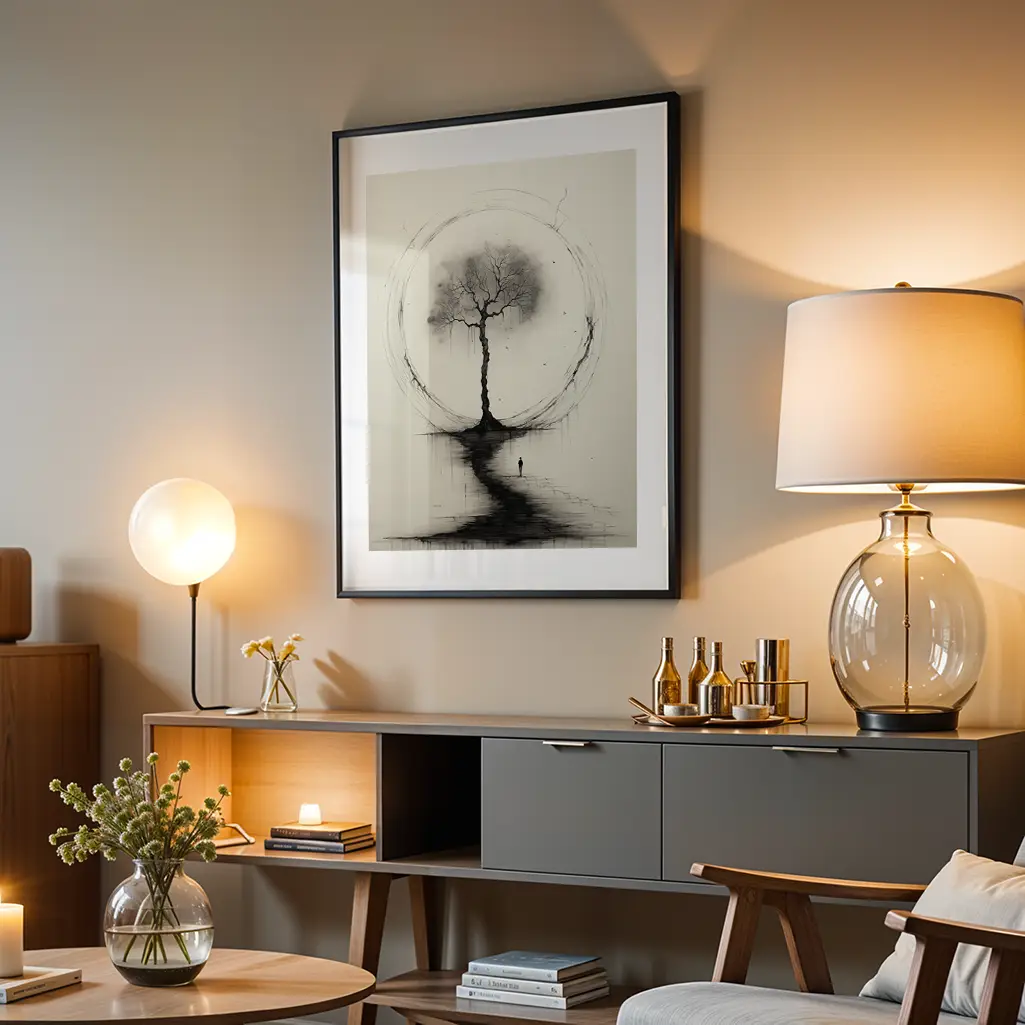
Finally, let nature have a constant, humble presence. A few branches in a simple jug, herbs in a clay pot on the sill, a bowl of peaches in summer or walnuts in winter. These gestures cost little but do something profound: they remind the room that it is in conversation with the world outside. French country style, at its heart, is less about recreating a postcard of Provence and more about crafting a lived, sensory landscape. It asks you to notice how light falls, how fabrics feel, how objects sound when set down. In attending to those details with quiet care, elegance emerges almost as a side effect of comfort.