The Difference Between Minimal and Empty
You can feel the difference between walking into a stark, echoing apartment and stepping into a pared-back room that somehow seems to exhale. Both might have few objects, yet only one feels like a home. The gap between minimal and empty is not about how much you own, but about how carefully you choose, place and relate what you keep.Minimalism often gets flattened into an aesthetic of absence: white walls, one chair, a lonely plant bending toward the light. In practice, it is less about deprivation and more about editing. The most successful minimalist homes read as full of intention rather than full of stuff. Each object earns its place, not by being expensive or iconic, but by doing something clearly and doing it well, whether that is providing comfort, storage or quiet beauty.
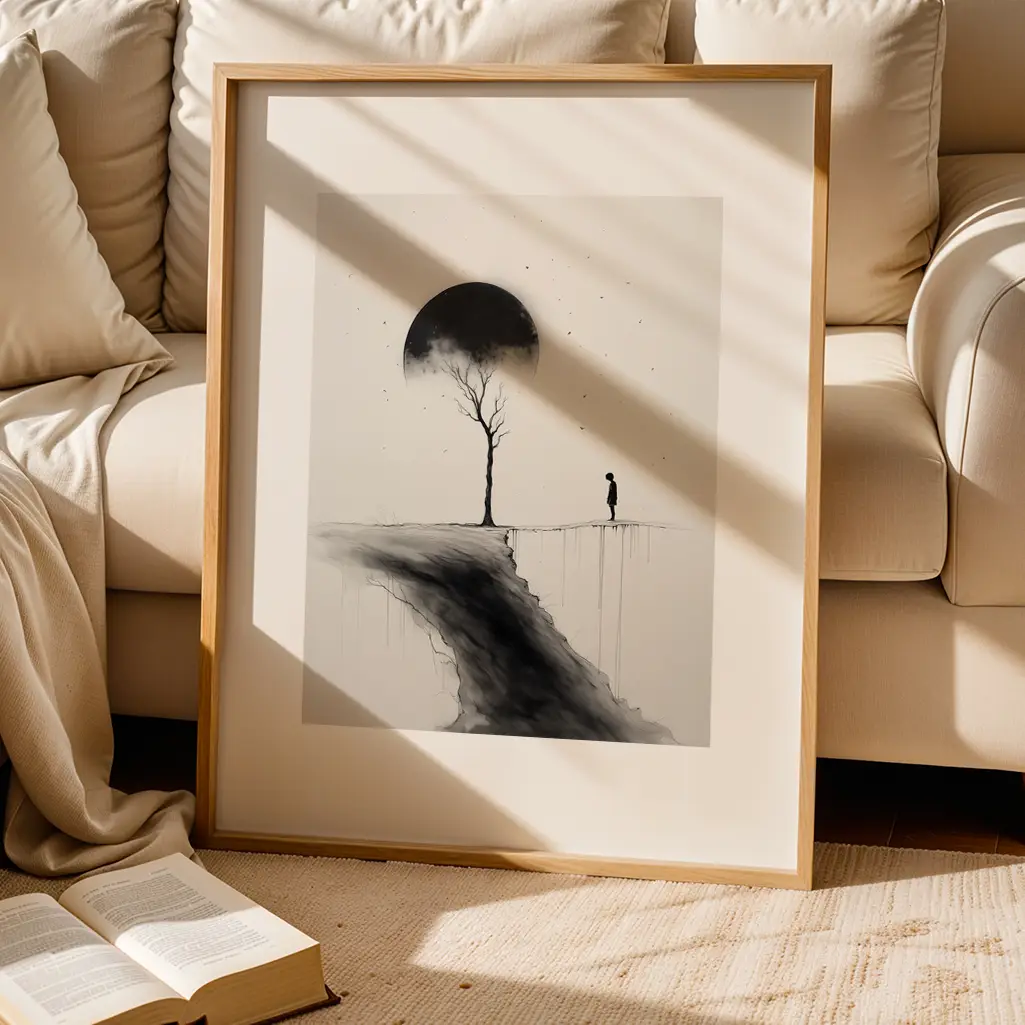
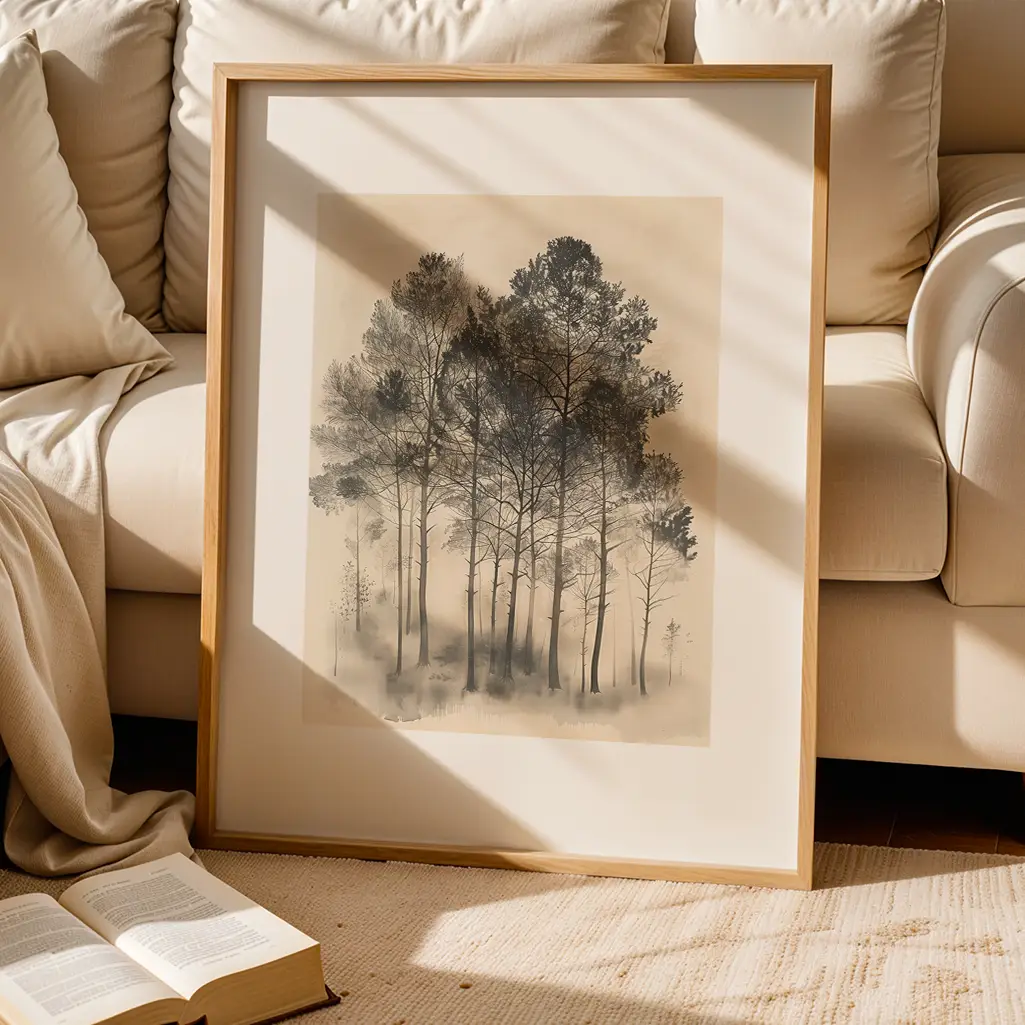
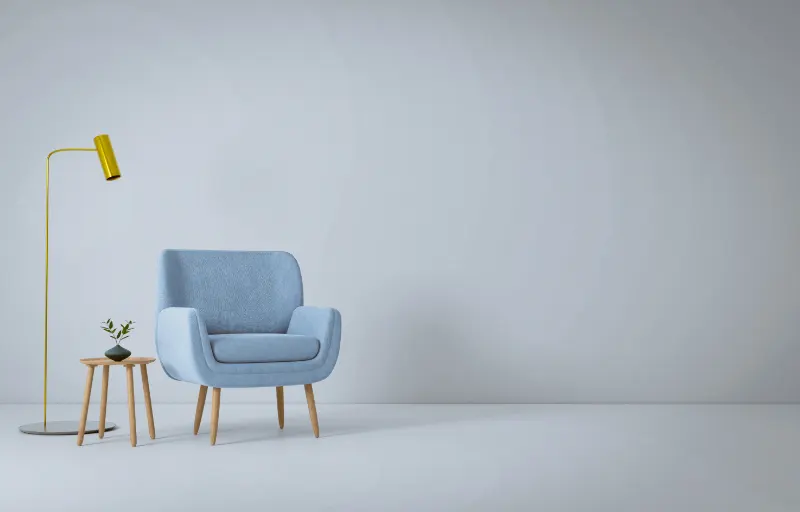
To avoid the chill of emptiness, think of your space as a sentence instead of a blank page. Minimalism is the process of removing extra words so that what remains can be heard. You do not need every surface to bear an object; you need enough meaningful points of focus for your eye to rest and wander without feeling lost. A room with one lamp and nothing else can feel abandoned. The same room with a good lamp, a generous chair, a side table that actually fits your habits and a single piece of art suddenly becomes a deliberate composition.
Begin by observing how you already live in the space. Notice the routes you walk, the corners you naturally occupy, the places where clutter piles up almost without your consent. Rather than imposing a rigid minimalist vision from a magazine spread, let these patterns guide you. If the dining table is where you work, read and linger, design for that reality instead of punishing it. Minimalism that ignores daily life quickly becomes a performance, and performances are exhausting to maintain.
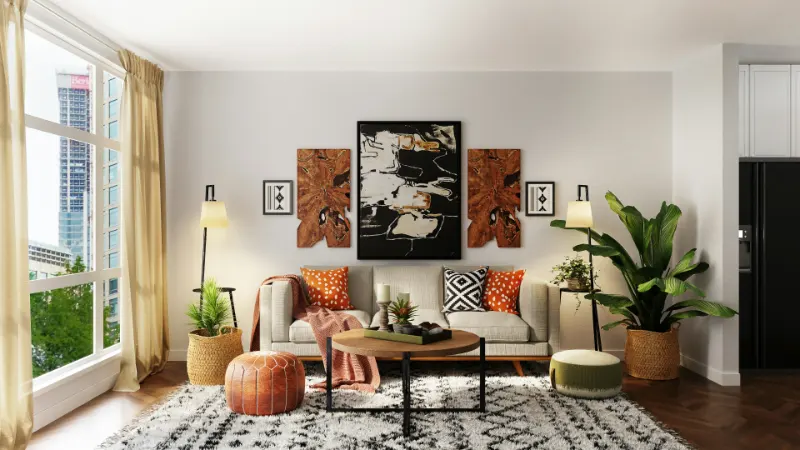
Color and material also shape whether minimalism feels alive. All-white everything can certainly be calming, but without contrast or texture it risks feeling clinical, more like a testing lab than a living room. Limiting your palette is useful; draining it completely rarely is. Choosing three or four tones and repeating them through the space does more for visual calm than stripping the room of objects entirely. Soft off-whites, warm grays, a muted green, the pale tone of ash or oak, even a deep charcoal underfoot can work in concert to create a quiet background that never feels vacant.
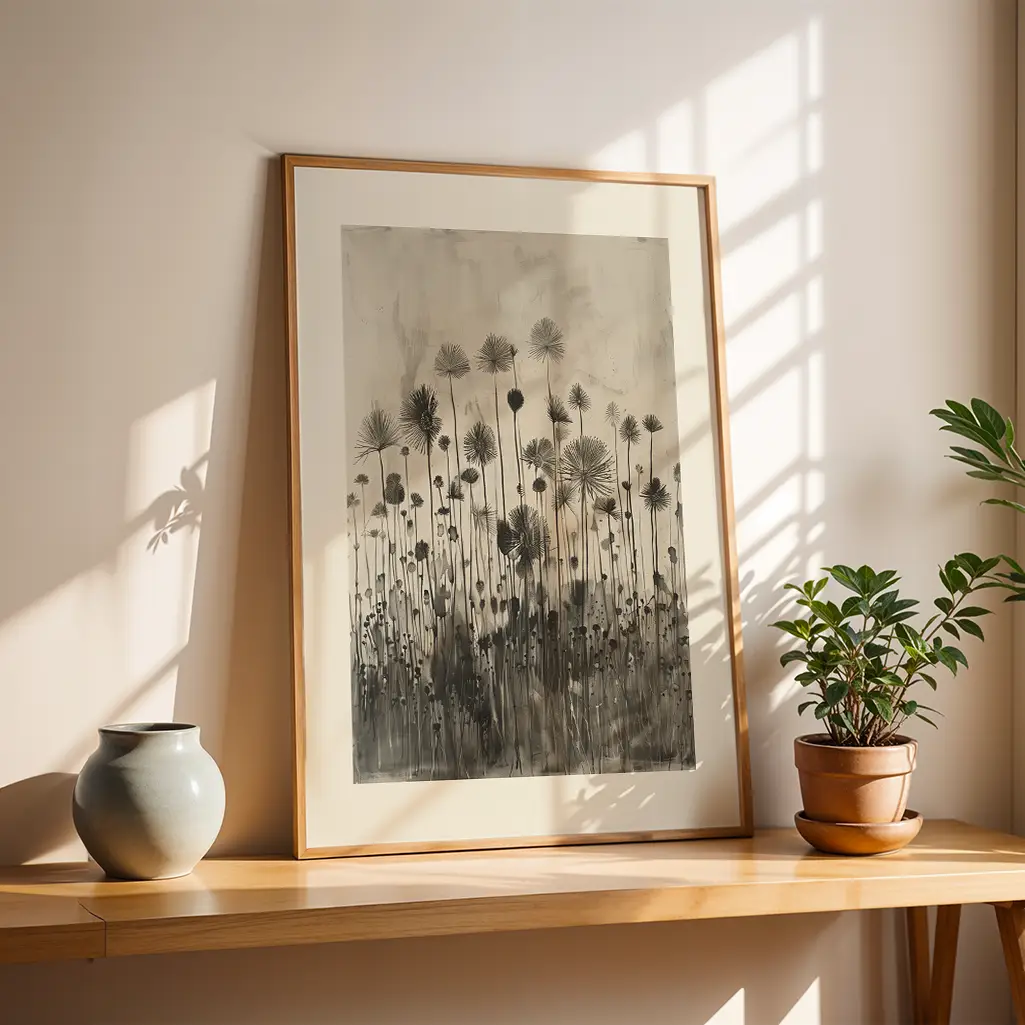
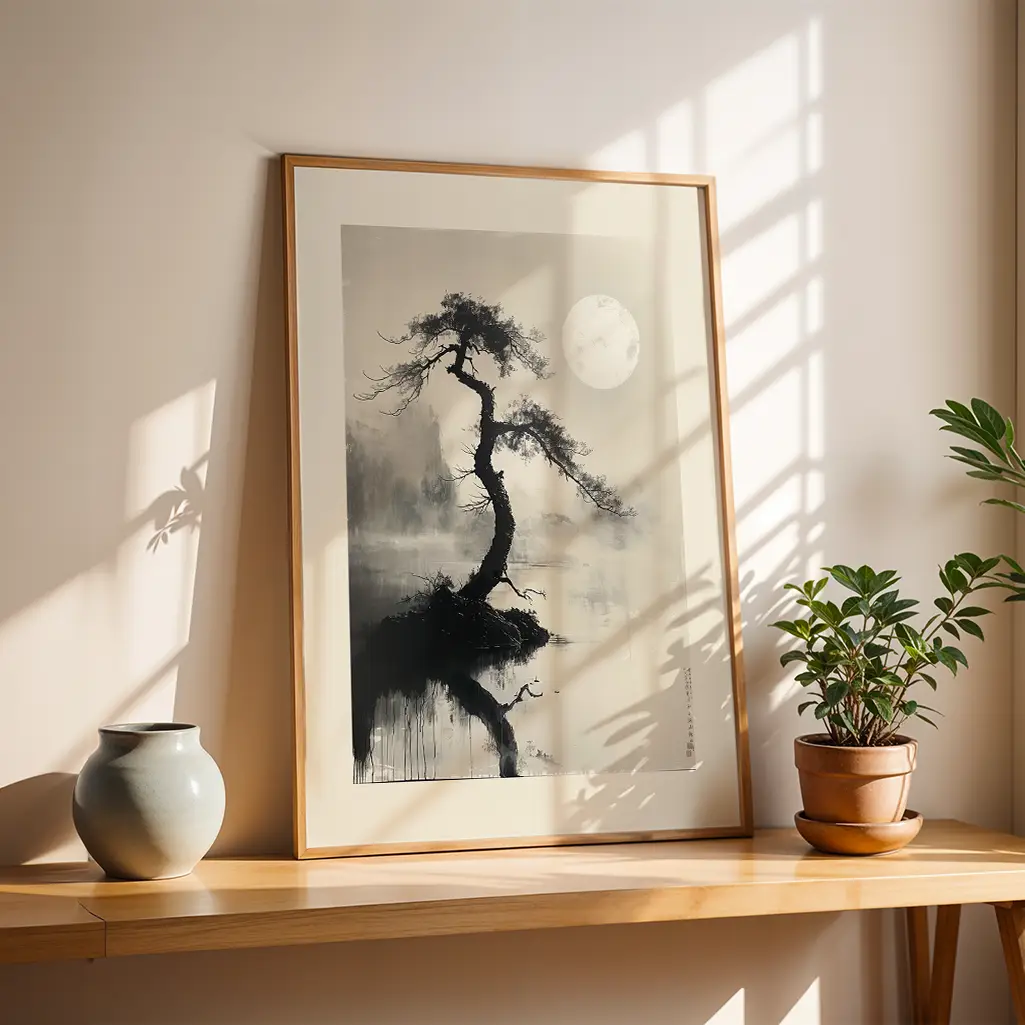
When you remove excess furniture and décor, you are not just gaining square footage; you are revealing the architecture and light that were there all along. This is where the minimalist home begins to develop character. A simple wall becomes interesting when a band of morning sun moves across it each day. A bare floor looks intentional when the grain of the wood is visible and uninterrupted. Emptiness becomes negative space, the same way a painter uses blank canvas to strengthen the forms that remain.
Editing with Warmth, Not Severity
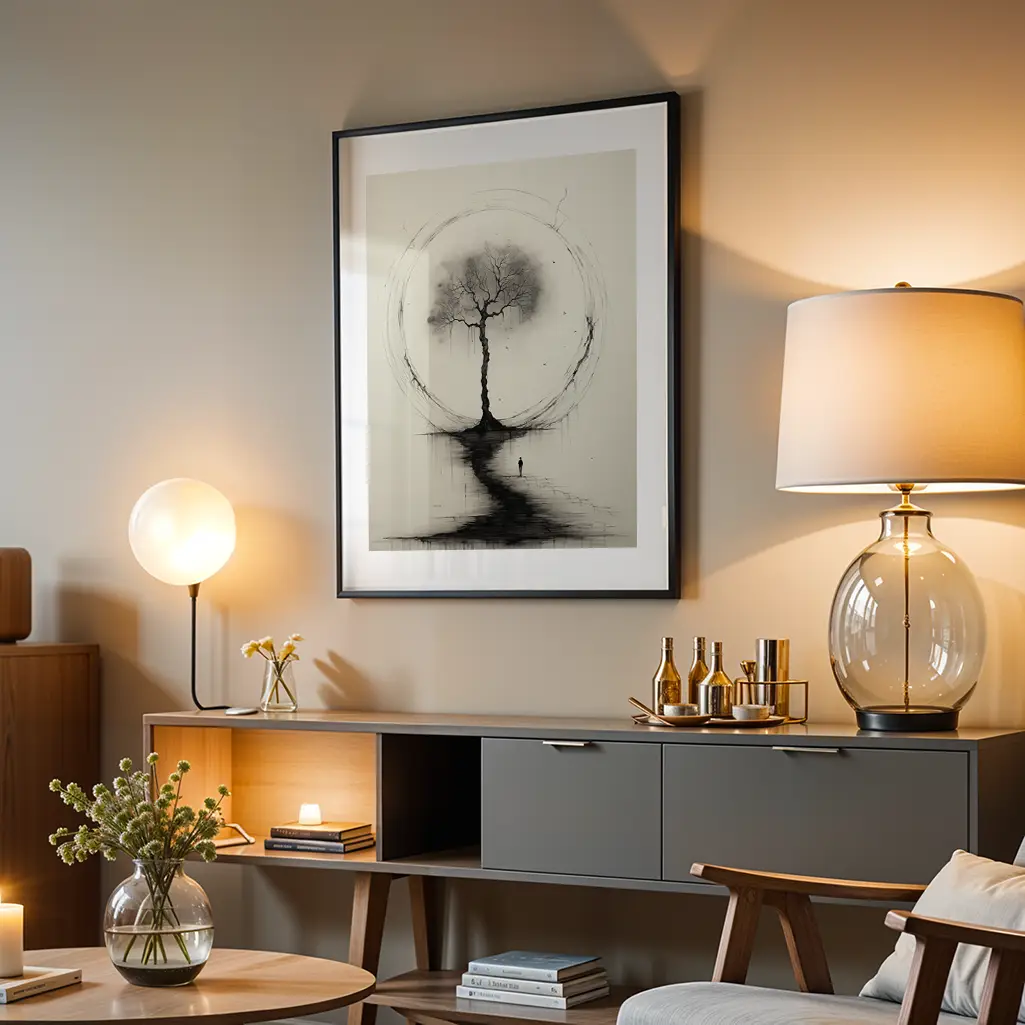
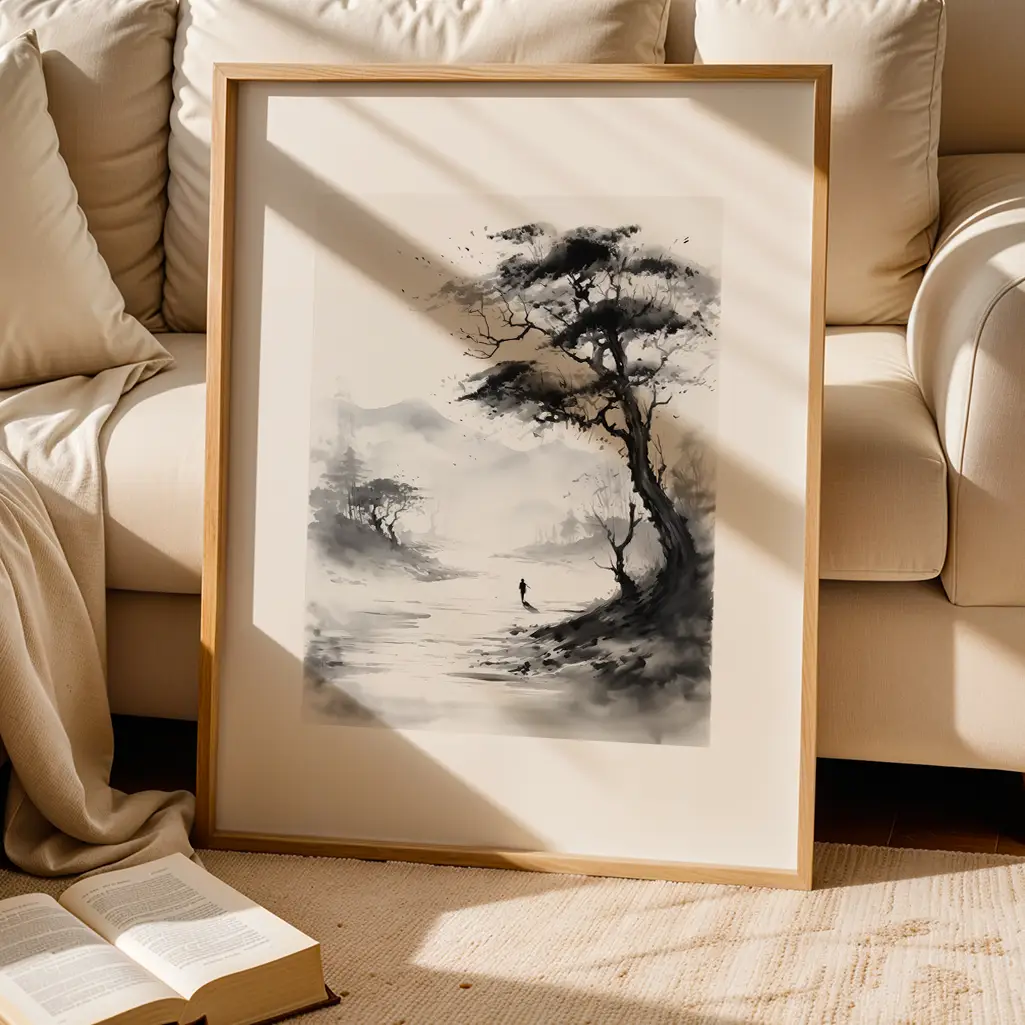
The emotional tone of a minimalist home depends less on how little you own and more on how you edit. Severity is what makes minimalism feel cold: the sense that nothing personal is allowed to surface. Warmth comes from allowing traces of your life to remain visible, but in a distilled form.Start with a quiet but firm question for every object in a room: What is your job here? Some things are clearly functional. The sofa lets you rest, the table gives you a place to gather, the lamp allows you to read. Other objects have emotional tasks. A painting might not store anything or support your weight, but it might anchor an otherwise restless wall, provide a sense of depth or act as a visual pause from the day. If an item does not have either a clear function or a genuine emotional job, it is a good candidate to leave out of the picture.
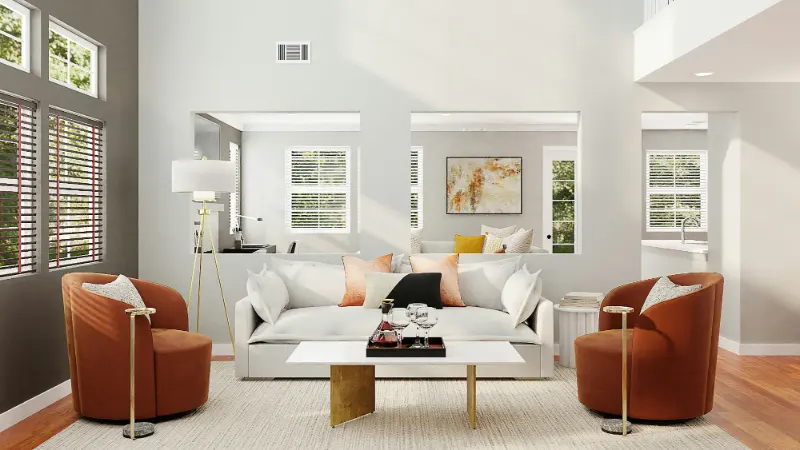
Editing becomes easier when you create a hierarchy instead of a flat field of things. Choose a few pieces to be visually dominant and let the rest be quiet. A large, low sofa in a nubby fabric can take the lead in a living room, supported by a single, well-proportioned coffee table and one sculptural reading lamp. Books and personal objects can still appear, but tucked into a low shelf or confined to a single surface, turning clutter into a small, dense moment of personality rather than a constant background noise.
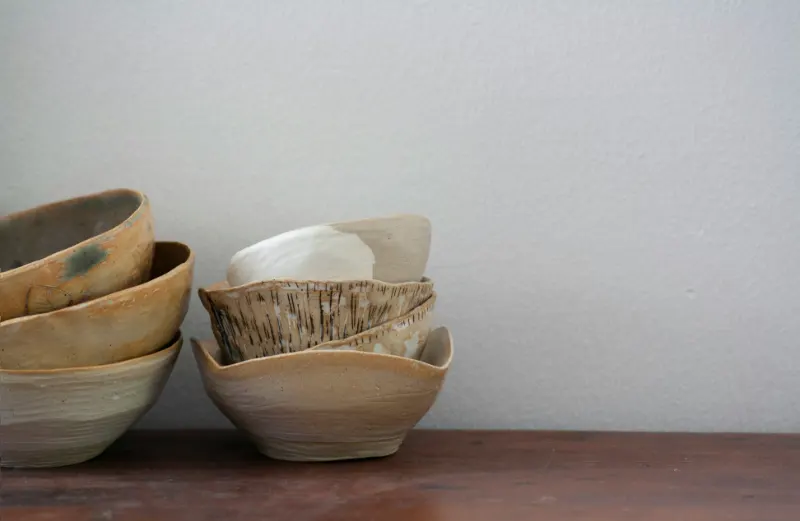
Materials are another place to reintroduce warmth without increasing visual busyness. A minimalist home that leans only on smooth white walls and hard metal edges may read as abstract rather than habitable. Bringing in texture through wood, linen, wool, clay or woven elements adds depth at close range while remaining calm at a distance. You experience these materials as you move through the room, a quiet tactility that counterbalances the reduced visual stimuli. A simple oak table with rounded corners, a linen curtain that softens daylight, a single ceramic bowl left empty on a sideboard can each give the space a kind of subtle gravity.
Light, more than any object, keeps a minimalist space from feeling barren. Pay attention to both natural and artificial sources. During the day, avoid blocking windows with bulky furniture or heavy drapery; let the changing quality of daylight provide some of the visual variation that décor once supplied. In the evening, replace a single harsh overhead fixture with several smaller, warmer lamps placed at different heights. Instead of filling the room with things, you are filling it with gradations of light, which the brain tends to read as cozy rather than empty.
The final layer is personal but edited. Instead of albums of photos on every surface, choose one or two images and frame them simply, giving them the kind of space you might give a painting in a gallery. A small stack of books you are genuinely reading on the nightstand is more powerful than a full, overloaded shelf. In a minimalist home, these signals of self become legible precisely because there is less competing for attention. You are not erasing your personality, only turning down the volume so that subtler notes can be heard.
Creating Rooms That Hold You
A minimalist home aesthetic should not feel like a showroom you are afraid to touch. It should feel like a room that holds you with less effort, where you can set something down without losing it in visual noise and where your mind has enough space to stretch out. Comfort becomes the quiet centerpiece.Design each room around a few core activities rather than around an idealized image. In a bedroom, that might be sleeping and slowly waking. This suggests a forgiving mattress, an upholstered headboard instead of a hard one, the ability to turn off the light without getting out of bed and enough empty floor that you can move without stubbing your toes in the dark. You do not need ten cushions; you need two or three that actually support your back when you sit up to read, in fabrics that feel good against skin.
In a living area, consider how you actually spend evenings. If you watch films, a comfortable, low-profile sofa is more important than a cluster of accent chairs. If you host occasionally but not weekly, allow the room to default to the configuration that supports your daily life and rely on flexible pieces like a light stool or bench that can appear when guests do. Minimalism that is designed around your real patterns of use will feel generous to live in, even if it is visually restrained.
Storage is the quiet infrastructure that keeps a minimalist home from collapsing into clutter. Closed storage lets daily necessities disappear when not in use, preserving calm surfaces. Open storage should be deliberate, holding objects that are either beautiful or in constant rotation. A single open shelf with a line of well-used cookbooks in a kitchen will feel fuller and more honest than an expanse of bare wall, because it reflects the life actually unfolding there while keeping the visual field controlled.
What prevents the minimalist home from feeling empty, in the end, is relationship: between objects and space, light and shadow, routine and rest. The goal is not to own as little as possible, but to remove what is noisy so that the remaining elements can speak clearly to one another. A chair becomes more inviting when it is not crowded by three other chairs. A plant becomes more sculptural when its leaves are silhouetted against an unbroken wall. Your own thoughts become less cluttered when the room stops demanding constant sorting and negotiation.
Building this kind of home is less a single project than an ongoing conversation with your space. Over time, you will notice which corners you never use, which surfaces attract piles despite your best intentions and which small objects truly make you feel at ease. Minimalism gives you a framework to respond: to remove, to rearrange, to choose again. The result is not an empty room, but a quietly attentive one, ready to hold whatever version of your life walks in the door each day.