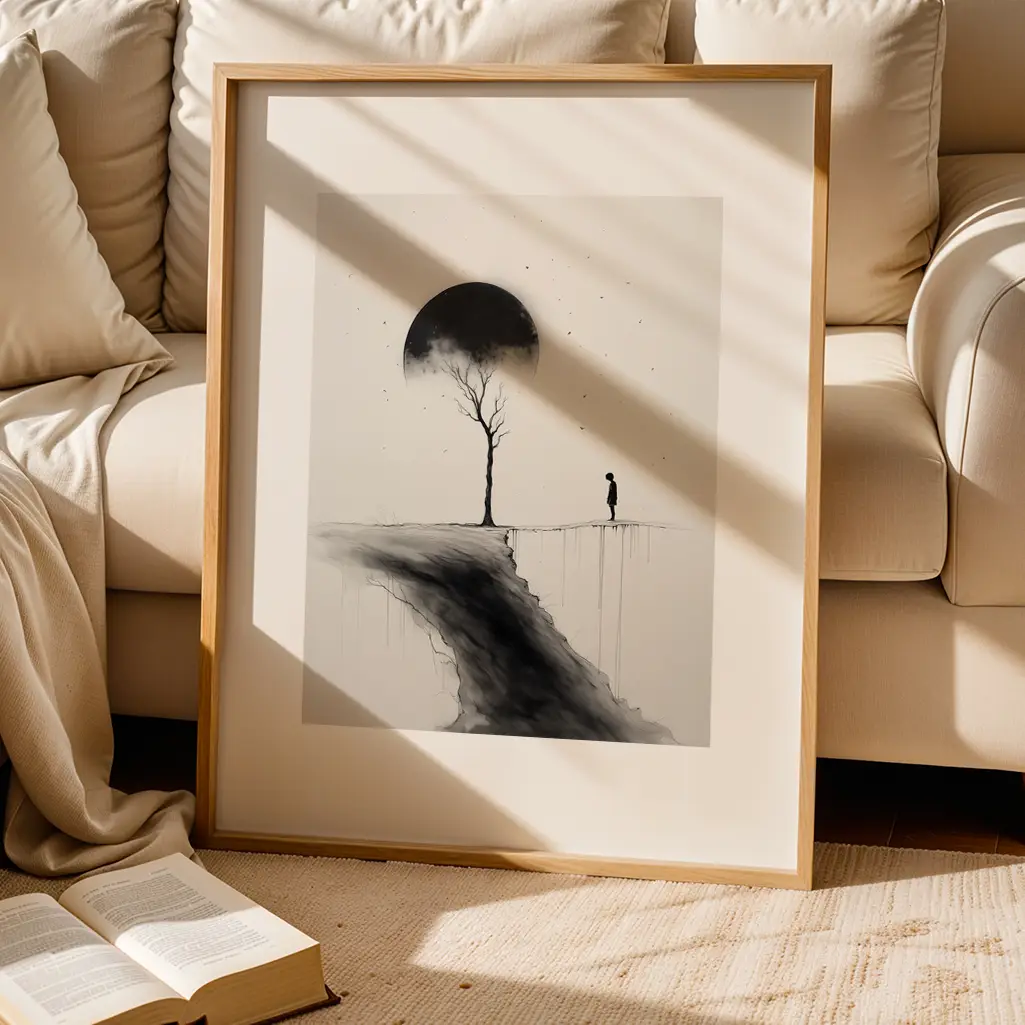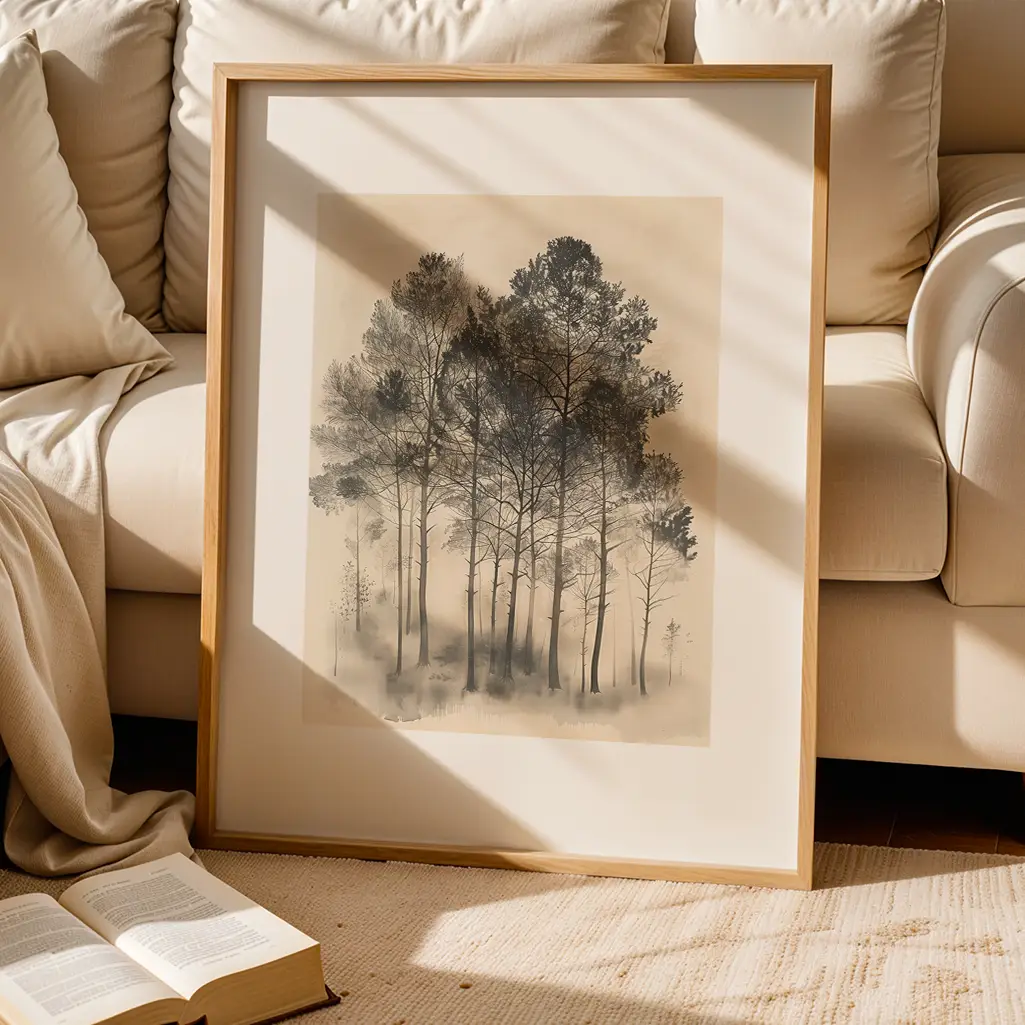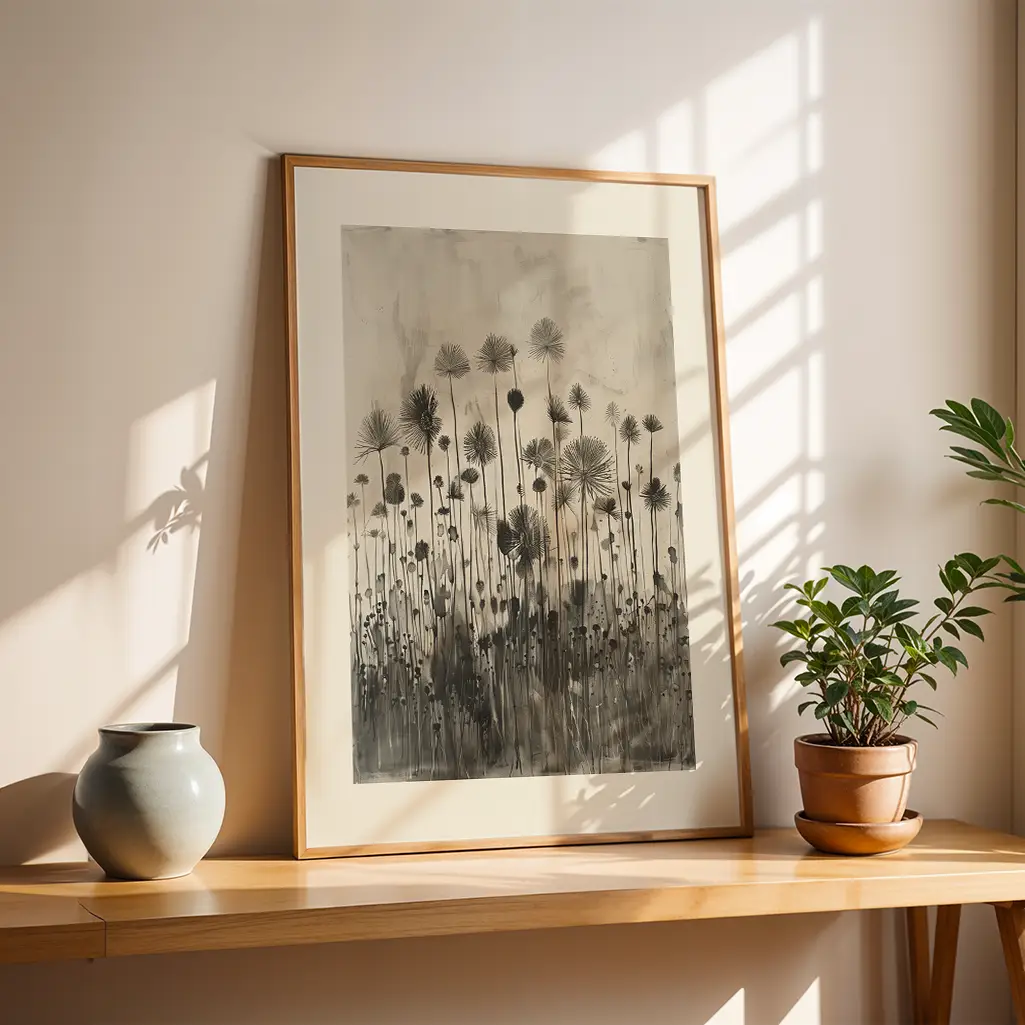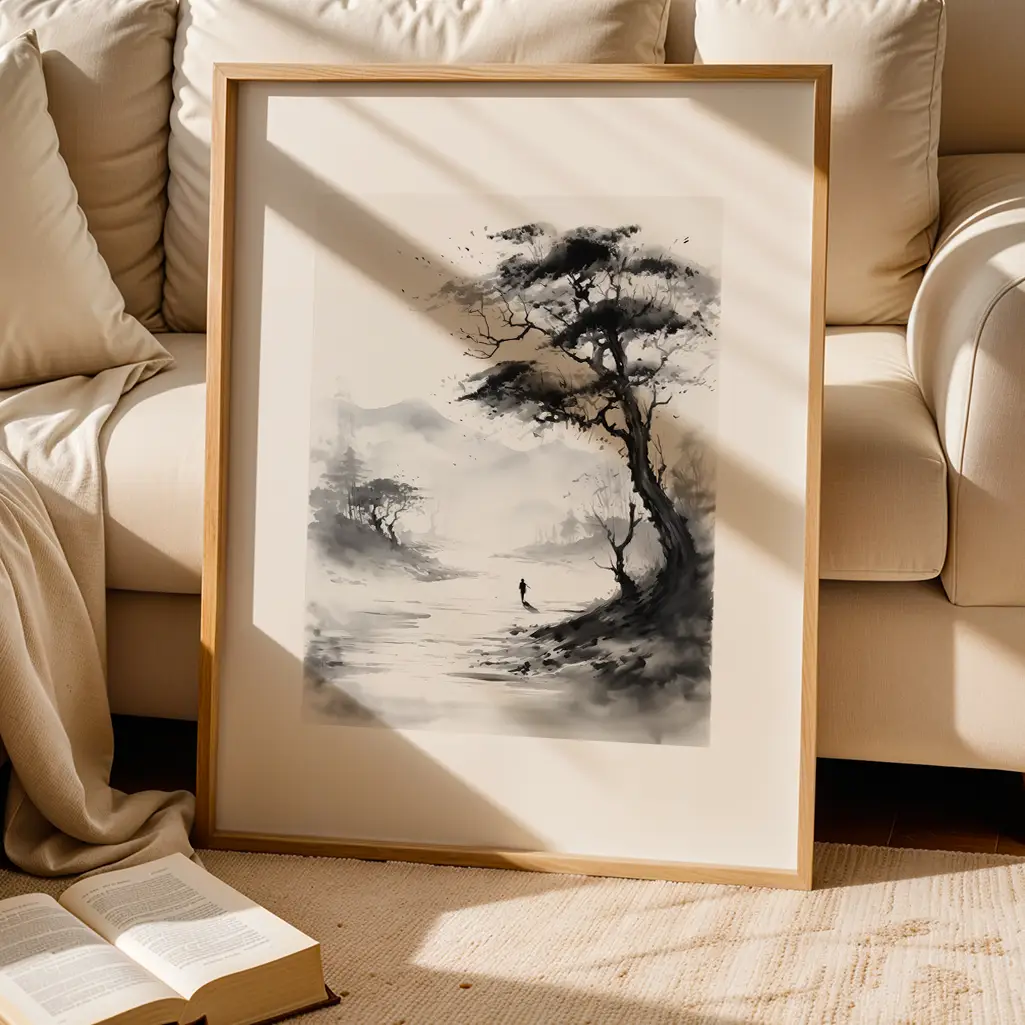
The Quiet Tension at the Heart of Organic Modern
Organic modern is a visual negotiation between two forces that rarely share the same room. On one side is the clean, edited clarity of modernism. On the other is the irregular softness of nature: materials that knot, grain, chip and fade. When the style works, your home feels both composed and deeply humane, as if someone smoothed the edges of a gallery and invited you to live inside it.
The starting point is not a shopping list but a mood. Ask what you want your rooms to do to your nervous system. An organic modern space behaves almost like a good host. It greets you with open visual space, not clutter. It offers a restrained color palette that lets your eyes rest. Yet as you move closer, it rewards attention with subtle tactility: the raised line of linen, the cool heft of stone, the faint pattern in white oak. The room is not minimal for its own sake. It is minimal so that these quieter experiences can register.
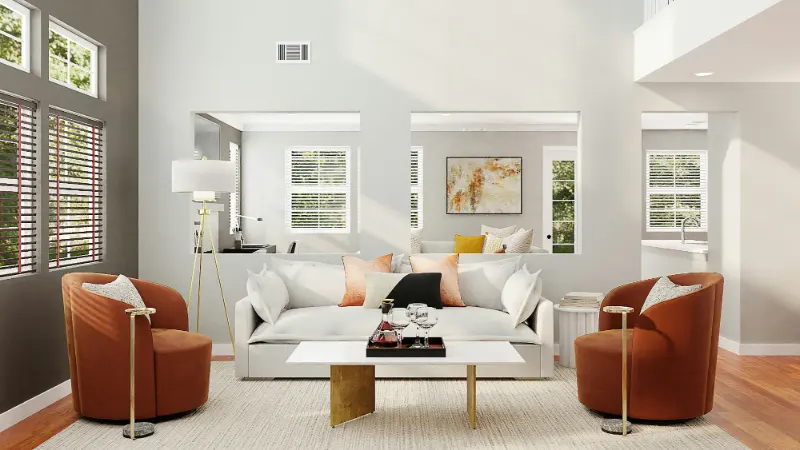
To get there, think of your space as a sequence of decisions about contrast. Modernism brings straight lines, clarity and restraint. The organic side introduces curvature, grain, and an acceptance of imperfection. Your task is to choreograph these opposites so that neither wins. A rectilinear sofa wrapped in a textured bouclé. A smooth plaster wall holding a rough wood console. A tailored wool rug supporting a live edge coffee table. The look emerges in the dialogue between elements rather than any single piece.
This tension is emotional as much as visual. Pure modernism can feel pristine but unforgiving, like a museum that distrusts fingerprints. Pure rusticity can slide toward heaviness or nostalgia. When you place them in conversation, you create a home that feels present tense. It has the clarity of now and the comfort of something that has weathered a few seasons.
Before you touch furniture, edit. Organic modern spaces depend on breathing room. Remove pieces that do not work hard for the mood you are building. Empty floor and wall space are not failures; they are the negative space that allows natural materials to speak in full sentences.
Designing with Materials: From Surfaces to the Smallest Detail
Materials are the grammar of an organic modern room. Modernism offers smooth planes and honest construction. The organic side answers with texture and natural variation. As you layer your space, keep asking what each material contributes to the overall sentence.
Wood is often the anchor. Pale oak, ash and maple keep a room bright and contemporary, especially in matte finishes that do not shout. Look for visible grain but simple profiles. A dining table with clean legs and a subtle chamfered edge will feel more modern than something carved, even if the wood species is the same. If your floor is already a strong wood tone, let it lead and keep larger furniture pieces slightly quieter, allowing movement in smaller objects like stools or picture frames.
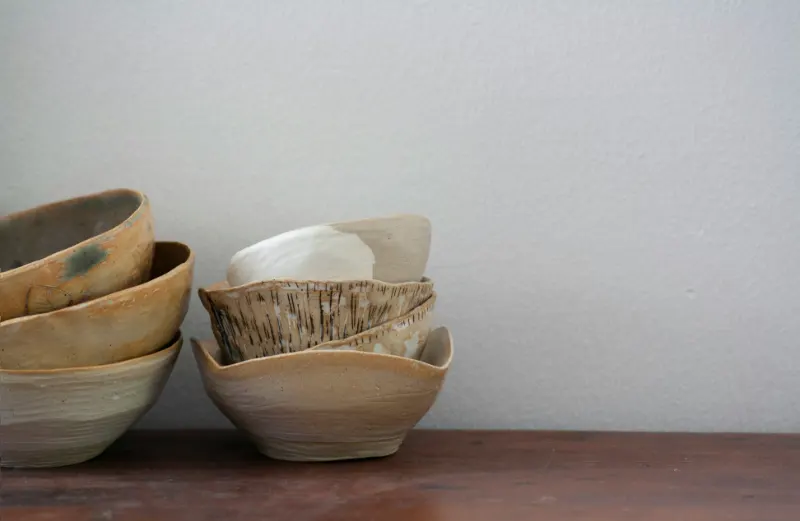
Stone and ceramic give weight and coolness. Honed finishes feel softer than polished ones, and they absorb light rather than bouncing it sharply around the room. A travertine coffee table, a limestone lamp base, even a humble unglazed planter provide that grounding note. The key is to avoid patterns that overperform. Let veining and speckling be subtle, another layer of quiet information rather than the main story.
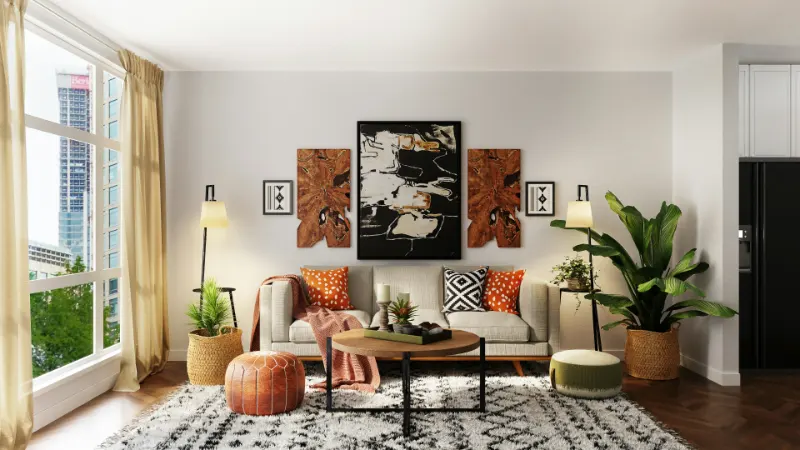
Textiles are where the room becomes touchable. Favor fabrics that wrinkle and relax gracefully. Linen, cotton, wool and bouclé are strong allies. Even in neutral colors they carry visual depth, which means you can keep the palette restrained without sliding into sterility. Pay close attention to scale. A chunky wool throw can soften the severity of a slim metal chair, while a flat weave rug under a plush sofa keeps the whole arrangement from feeling too sleepy.
Metals act as punctuation. In an organic modern scheme, they should be present but not noisy. Brushed brass, blackened steel and antique nickel work because they echo the muted, lived in quality of the other materials. Avoid high gloss chrome or mirrored surfaces in large doses; they push the room toward cold futurism. Instead, let metal appear in lean profiles, like the frame of a side table or the thin outline of a sconce, where it supports the architecture rather than dominating it.
Even small details matter. Switch plates, cabinet pulls and lamp cords are often overlooked, but they can either uphold or interrupt the mood. A simple leather pull on a white cabinet suddenly bridges the modern plane and the organic touch. A fabric covered cord on a pendant light softens an otherwise strict geometry. These are quiet moves, but in a pared back room, the quiet moves are the ones you notice.
Shaping Mood: Light, Color and the Geometry of Calm
Once your material palette is in place, the question becomes how the room feels over the course of a day. The organic modern mood is built in layers of light and subtle shifts in geometry, not dramatic gestures. Start with daylight. Clear the visual path to windows and resist heavy, ornamental treatments. Sheer linen panels or simple shades in natural fibers filter light without severing that connection to the outside. The more you can treat daylight as another material in the room, the more alive the space will feel.
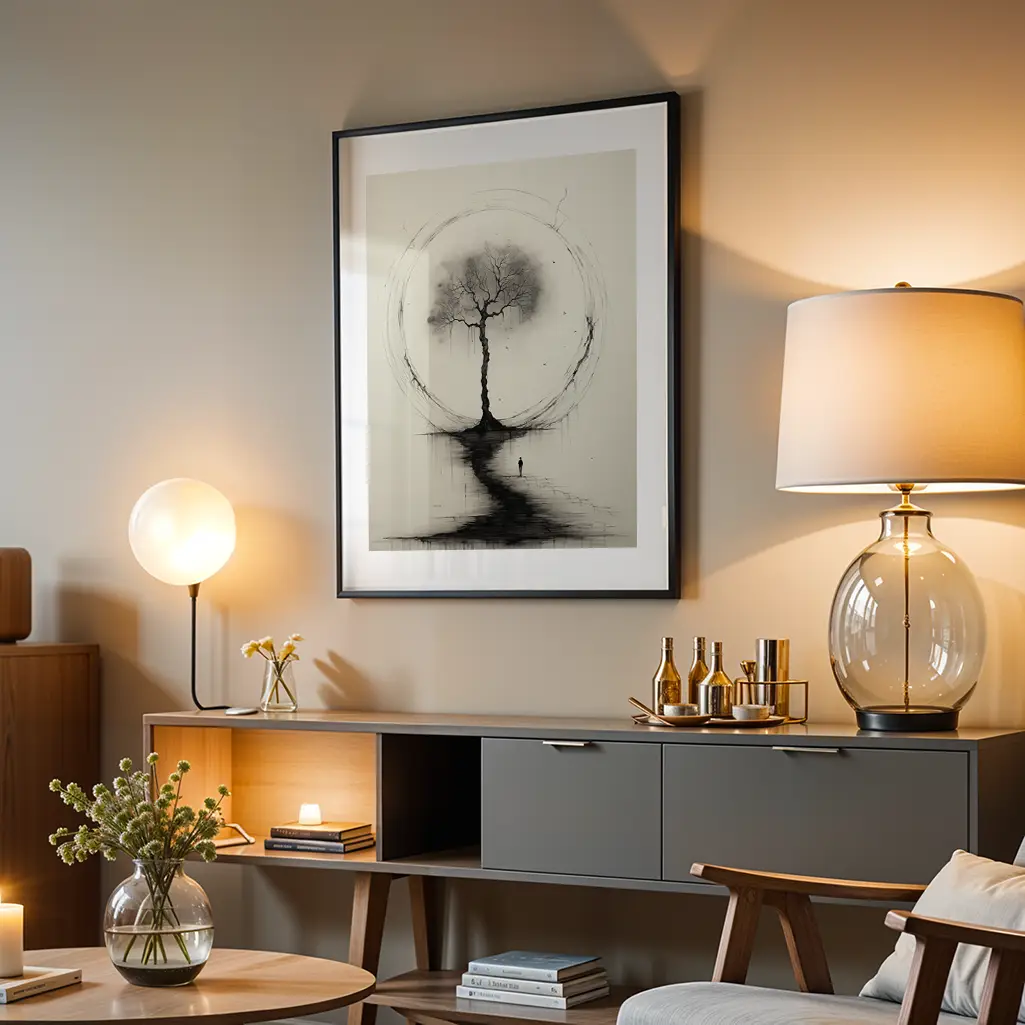
At night, create a constellation rather than a single sun. Overhead lighting has a role, but it should never be the only source. Floor lamps, table lamps and wall sconces at different heights carve out pockets of intimacy. Choose warm color temperatures to keep stone and wood from turning sallow. A sculptural pendant above the dining table can be the most overtly modern form in the room, while the glow it casts makes the space feel almost elemental.
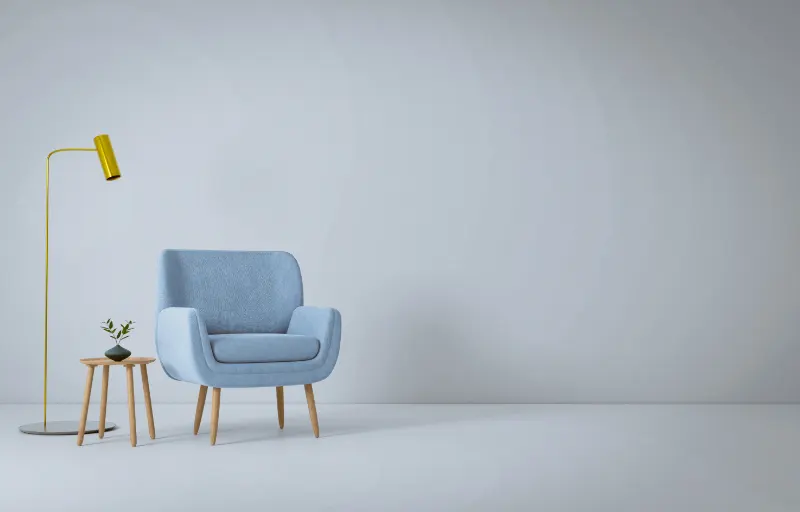
Color, in an organic modern context, is less about spectacle than atmosphere. Neutrals dominate, but not all neutrals behave the same way. Warm whites, soft greiges and muted earth tones wrap the room in a kind of visual hush. They recede, allowing material and shape to take the lead. Introducing stronger color works best through desaturated shades that still feel grounded, such as clay, olive or a smokey blue that could plausibly exist in a landscape. The aim is not to avoid color but to insist that every color earns its place by deepening the sense of calm rather than competing for attention.
Geometry is another subtle tool. Modernism often defaults to the grid: straight lines, right angles, repetition. The organic counterpoint arrives through curves, tapers and irregular forms. A rounded back chair next to a rectilinear sofa, a gently arched doorway cut into an otherwise flat wall, a cluster of hand thrown vessels on a clean shelf. These shapes interrupt the strictness just enough to remind you that the human body is mostly curve, not line.
The last step is restraint. Every object you add raises the volume; every object you remove turns it down. An organic modern home is not about perfection but about proportion, the felt sense that the room is doing exactly as much as it needs to and no more. When you can sit down, let your eye travel slowly across the space, and feel something inside you unclench, you will know you have found the balance between the modern and the organic that belongs specifically to you.