Rethinking What Brightness Really Means
A room can be technically well lit and still feel dim. Brightness is not just about the quantity of light; it is about how that light is shaped, softened, and reflected through the space. When you stop chasing more lumens and start thinking about how light behaves, you can coax surprising radiance out of a room with no new windows at all.Human perception of brightness is deeply relational. The same bulb feels glaring in a dark corner and pleasantly clear beside a pale wall. Our eyes adapt quickly; what we read as bright is often a contrast story between light and shadow, dull and reflective, heavy and airy. Designing a brighter room becomes a process of editing those contrasts rather than simply adding more fixtures.
Start by standing in the space at different times of day and noticing the way light travels. Where does the natural light actually fall, even if it is limited? Which surfaces swallow that light, and which quietly bounce it back? Equipped with that observation, the task shifts from wanting more windows to helping the room use what it already receives with more intelligence and grace.
It helps to think like a painter. A painter does not brighten a canvas by flooding it with white; they layer midtones, highlights, and soft transitions. In a home, the highlights might be a pale rug that lifts the floor plane, a satin paint that redirects light down a hallway, or a low, warm lamp that turns a dead corner into a glow. The goal is not a flat, overexposed box but a room that feels gently luminous and alive, even on gray days.
Designing Light: Layers, Surfaces, and Quiet Reflection
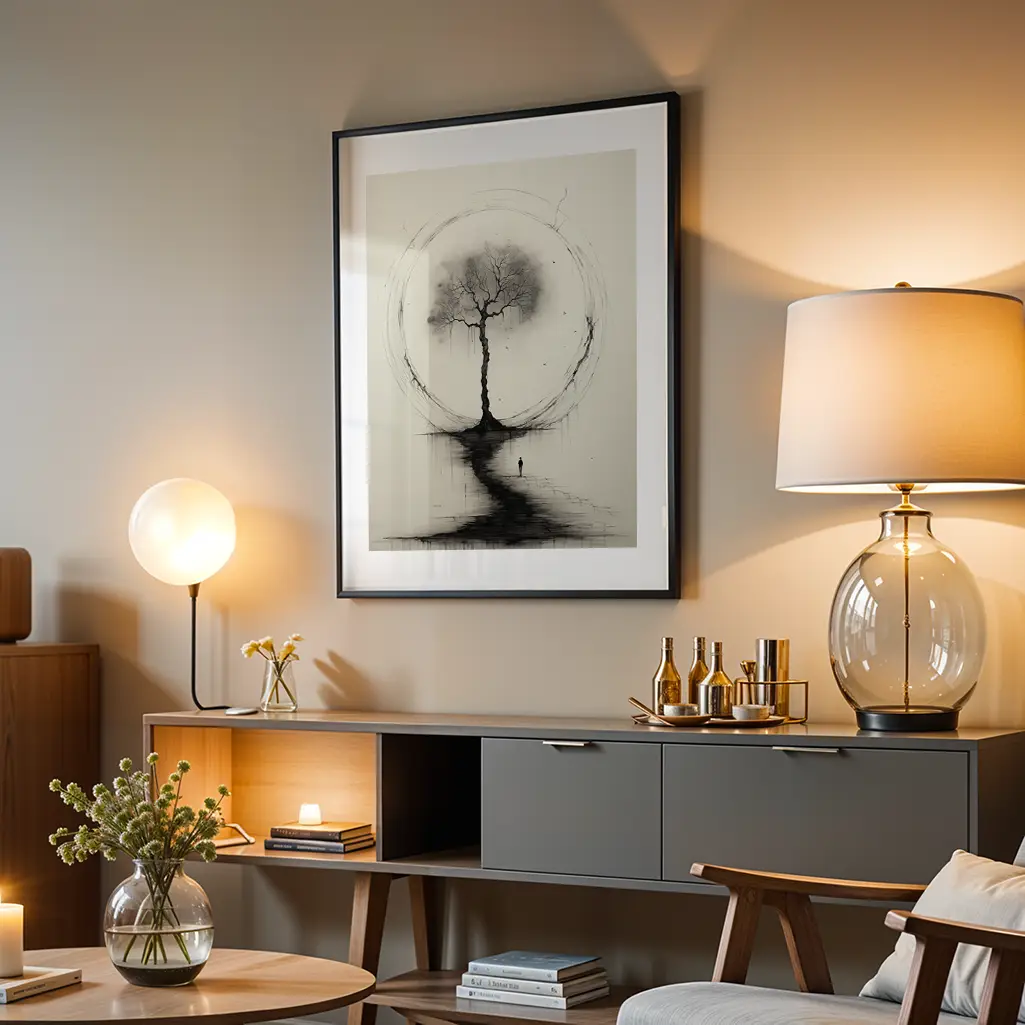
One of the most effective ways to make a room feel brighter without new windows is to introduce layered lighting. Overhead lighting alone tends to create hard shadows under eyes and furniture, exaggerating gloom in the corners. Instead, imagine three levels of light. At eye level, use table lamps with fabric shades to cast a wide, diffused pool. Closer to the floor, place a small floor lamp or even a low accent lamp near a wall to graze it with light, which visually expands the boundary of the room. Above, soften any existing ceiling fixture with a shade or diffuser that spreads, rather than concentrates, light.Color temperature matters more than people realize. Very cool bulbs can make a small room feel clinical rather than bright, like being inside a refrigerator. Very warm ones can deepen shadows into orange pools that feel dim despite the wattage. Aim for a neutral warm white in the range that reads clear but still gentle on skin tones. If the room serves several functions, consider adding at least one lamp on a dimmer so you can tilt the mood from crisp to cocooned without changing fixtures.
Once light is better layered, the next frontier is the surfaces that receive it. Dark, matte finishes act like sponges. They have their place in creating intimacy, but if the room already struggles with brightness, reserve deeper tones for smaller pieces rather than big planes like walls and floors. You do not need to default to stark white, which can feel harsh with little natural light. Instead, choose soft tints with a hint of color, the way northern European homes lean into chalky blues, stones, and creams to coax light through long winters. These gentle neutrals read calmer and more dimensional than pure white, while still amplifying every stray photon that enters.
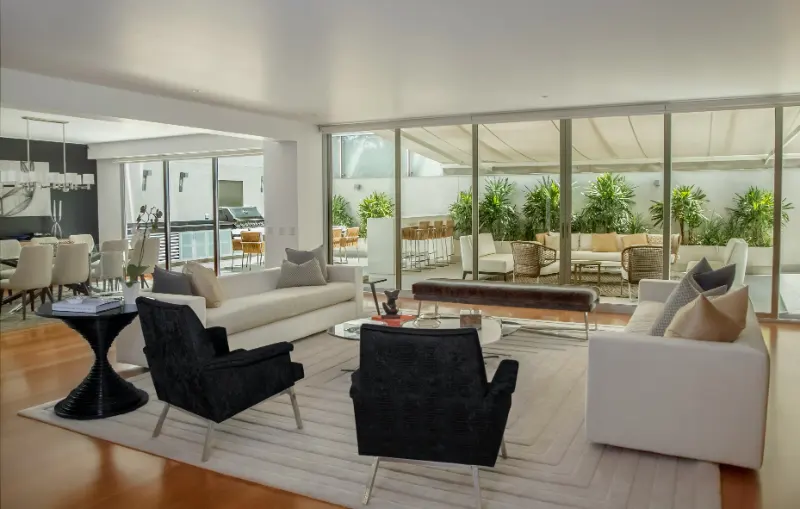
Reflectivity is another underused tool. High gloss can be jarring in an everyday living space, but a strategic satin or eggshell sheen on walls will reflect more light back into the room without obvious shine. A low pile rug in a pale tone makes the floor plane brighter and less visually heavy. Glass and mirrors work best when they have a purpose beyond decoration. Instead of one dramatic mirror that becomes a focal point, consider medium sized mirrors angled to catch existing daylight or a lamp’s glow and bounce it deeper into the room. A mirror across from a window is the classic move, but a mirror adjacent to the window often creates a subtler, more natural looking effect because the reflection is softer and less direct.
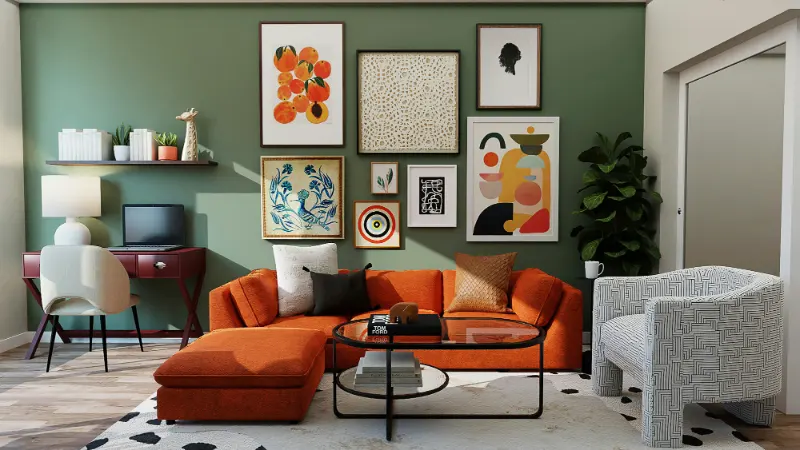
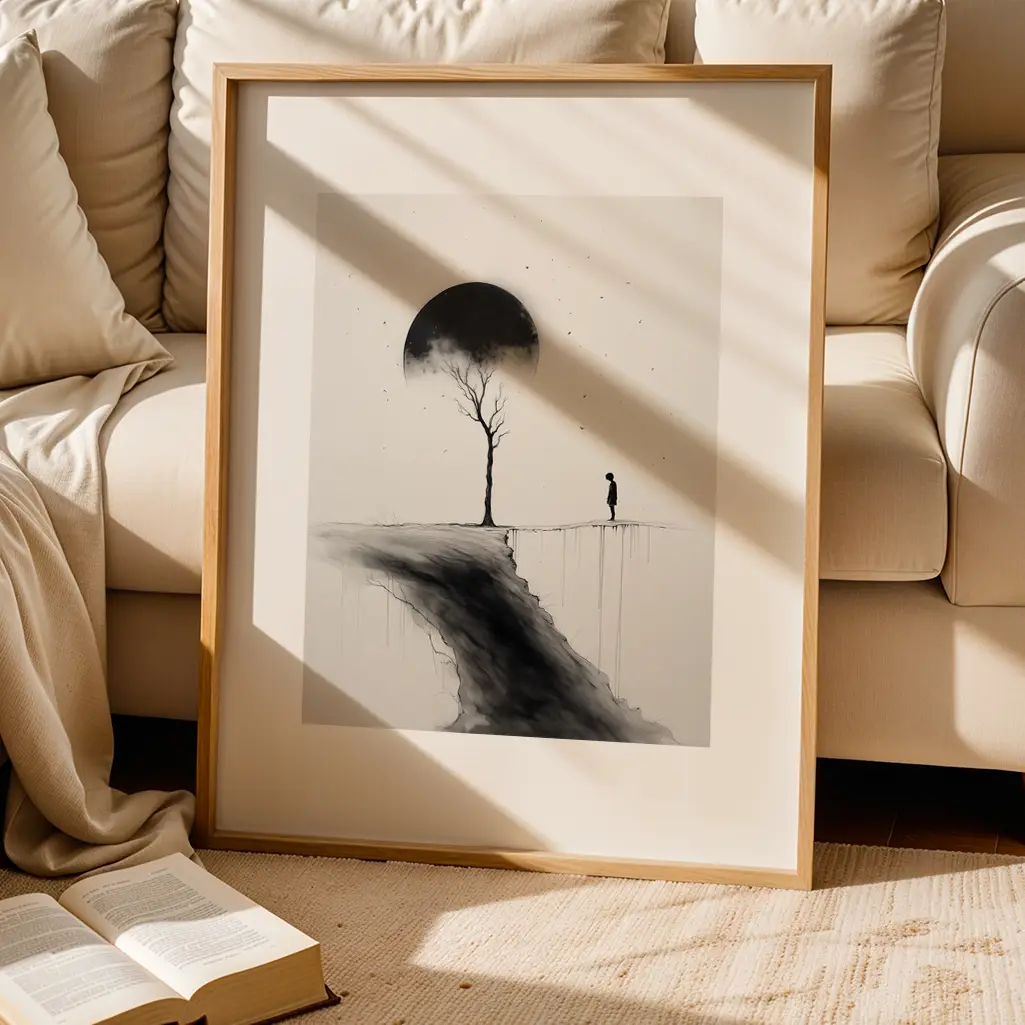
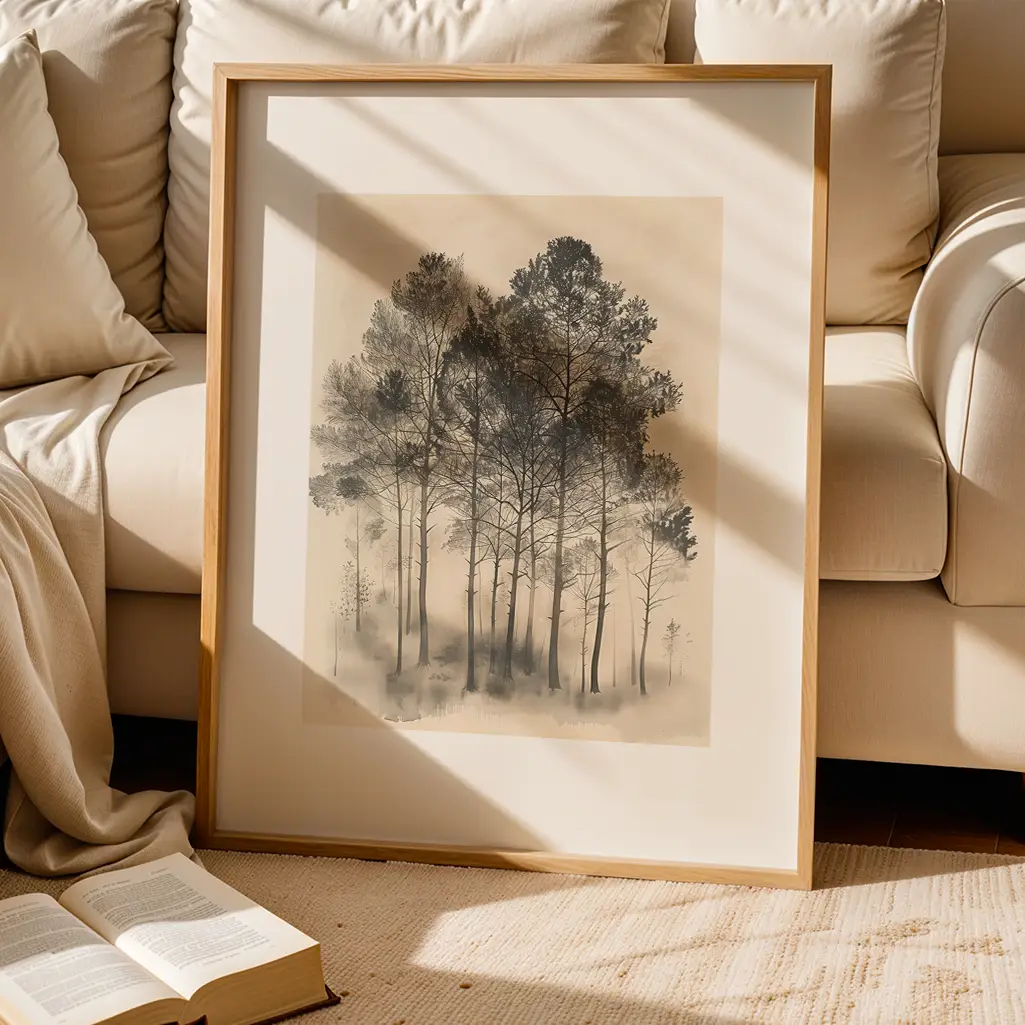
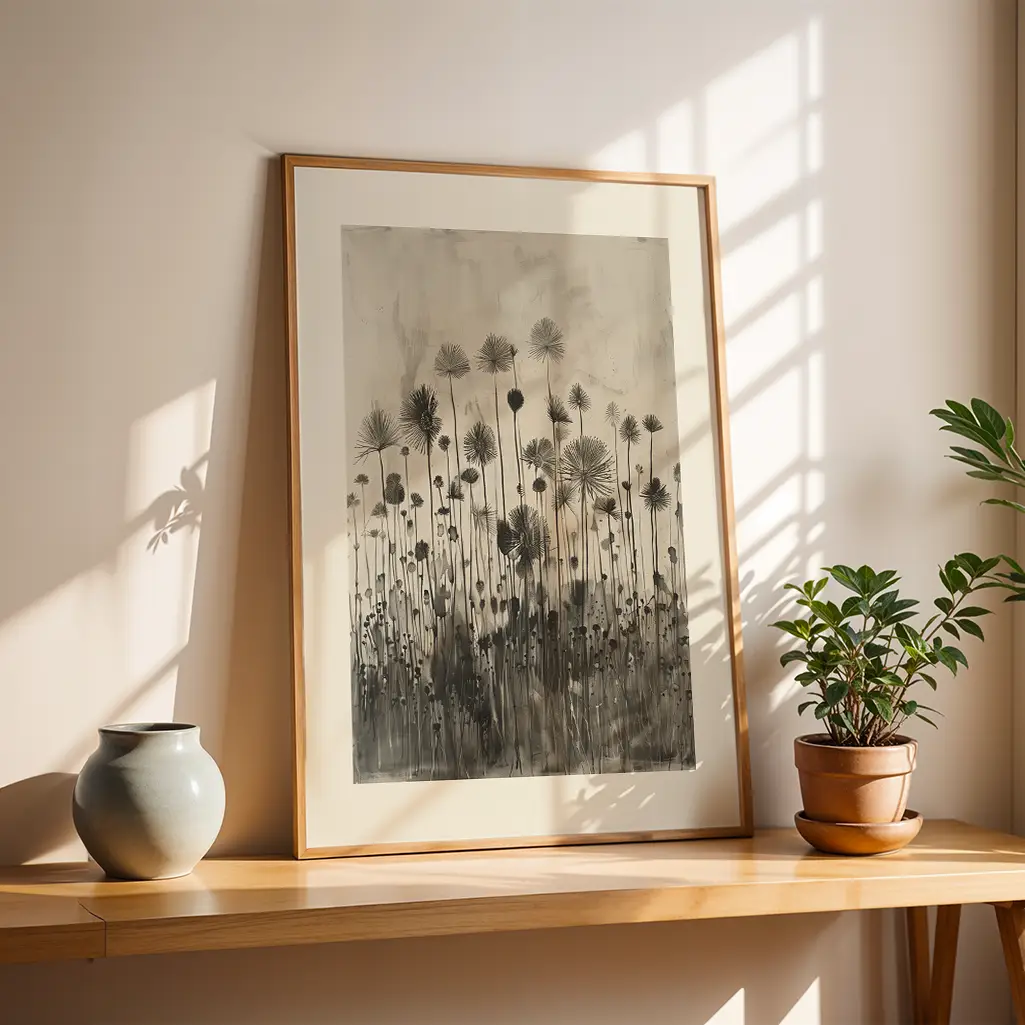
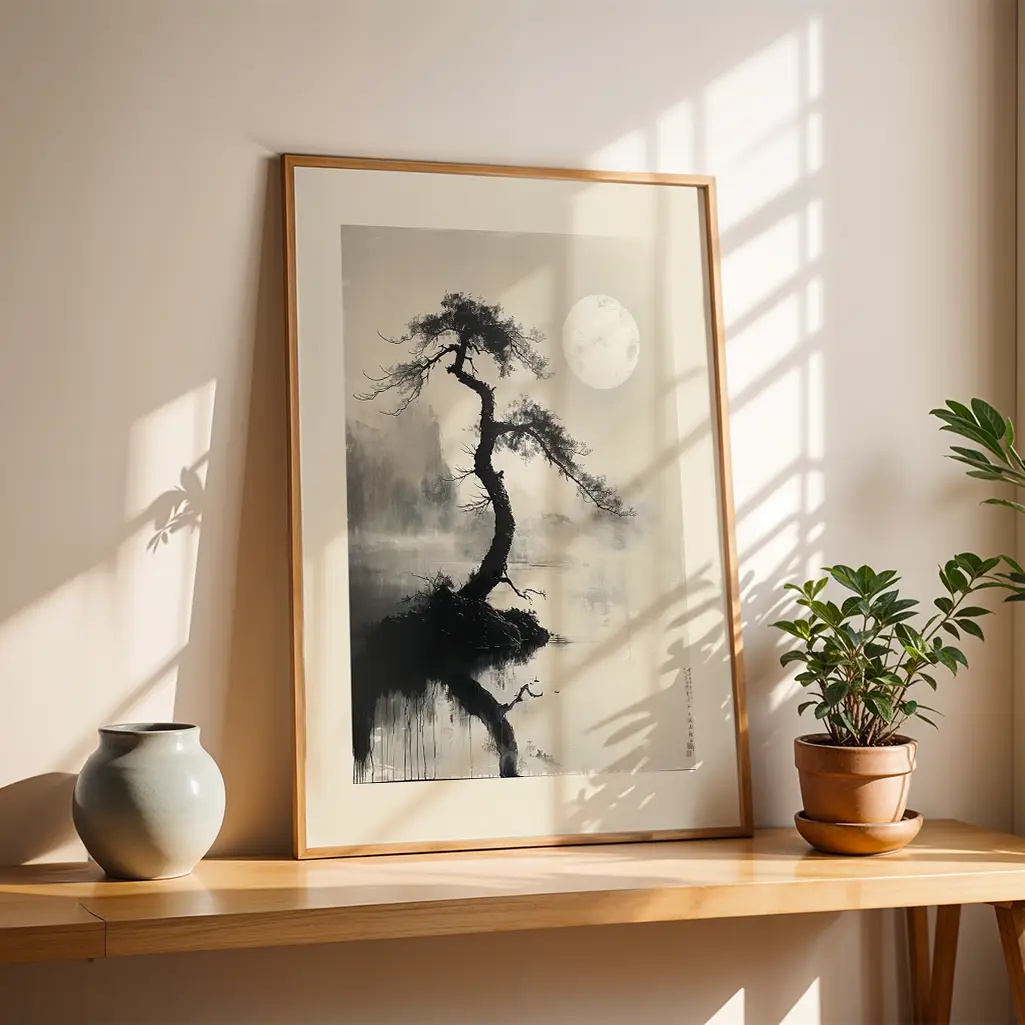
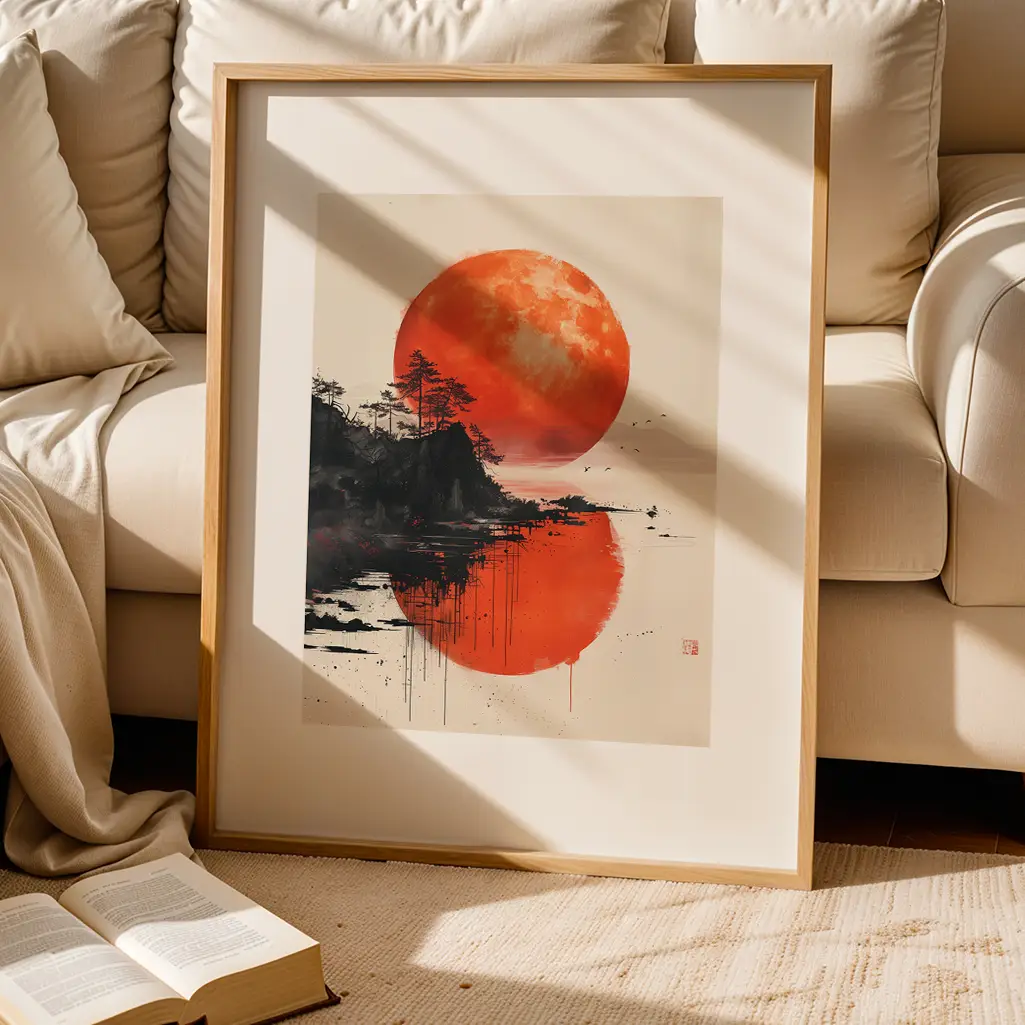
Even small objects can earn their keep in the brightness game. A glossy ceramic vase on a dark bookshelf, a light framed artwork on a dense wall, or a pale throw draped over a deep sofa creates moments where the eye can rest. These little islands of lightness make the room feel overall more open, as if the air itself has more space to move.
Editing Weight: Furniture, Texture, and the Emotion of Light
Brightness is not just optical; it is emotional. A room can be painted a perfect soft white and still feel heavy if every object in it carries visual weight. To make a space feel brighter without adding windows, reduce that weight wherever you can. This does not necessarily mean owning less, though decluttering often helps. It means looking at how much of the floor and wall you can actually see.Low, blocky furniture that sits directly on the ground tends to pool darkness around its base. Swap a skirted sofa for one on legs, so light can travel beneath it. Replace a bulky coffee table with one that has some transparency, either through a glass top or open sides. If replacing furniture is not realistic, reconsider arrangement. Pulling a dark piece a few inches off the wall allows light to fall behind it, which can subtly lift the whole composition. Leaving a small slice of floor visible between large pieces also helps the room read as more expansive and less clogged.
Textiles deserve special attention. Heavy, dark curtains are expert light blockers, even when open. If privacy is the concern, layer sheer panels closest to the glass, allowing daylight to filter in while a slimmer, darker curtain or shade provides nighttime coverage. This combination mimics the way traditional Japanese homes use shoji screens to diffuse harsh light into something milky and serene. Bedding, sofas, and cushions in lighter but textured fabrics can create a similar effect, turning light into a tactile experience that feels soft rather than stark.
Color placement in decor can shift a room’s mood as much as wall paint. Concentrate deeper colors lower in the room, where they ground the space without overshadowing it. Keep items at eye level and above in lighter tones so that the visual horizon stays bright. This vertical gradient quietly encourages the sense that the room opens upward, rather than pressing down.
Finally, remember that a brighter room is not only about seeing more; it is about feeling more at ease. When light is considered, shadows become gentle rather than ominous, and the boundaries of the room feel flexible and breathable. Sit in the space at dusk with only a few lamps on and notice how you respond. If there is a corner that still feels dead, give it its own small moment, perhaps a slim floor lamp beside a plant or a narrow console with a tiny shaded lamp. You are not just illuminating surfaces; you are editing attention, guiding the eye toward what is calm and away from what is cluttered. In that sense, making a room feel brighter without new windows is less a technical problem and more a practice in quiet stewardship of the light you already have.