The Quiet Drama Of A Textured White Room
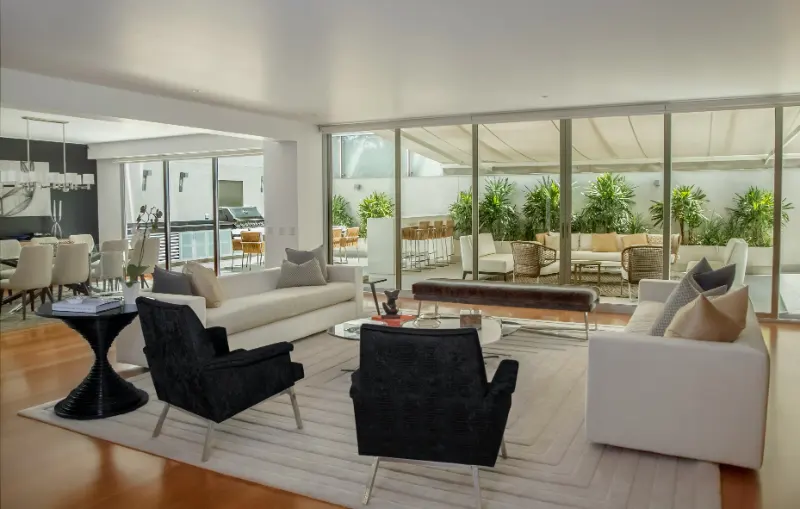
White rooms have a reputation problem. In real-estate photos they look serene and expansive; in real life they can feel like a waiting room, all echo and glare. The difference between a cold white box and a calming, gallery-like refuge usually comes down to one invisible ingredient: texture.Texture is the way a surface feels to the hand and to the eye. In an all white space, it becomes the main storyteller because color steps back. A flat painted wall, a glossy tile and a bouclé armchair might all be white, but they scatter light differently, pick up shadows differently and ask to be touched in different ways. That interplay is what turns white from clinical to cocooning.
Think of your room as a landscape rather than as a backdrop. In nature, snow fields are rarely monotonous. There are crusted drifts, powdery edges, rough tree bark, soft animal tracks, the sheen of frozen ponds. A white interior can work the same way if you layer contrasts: matte with lustrous, coarse with smooth, dense with airy. Instead of reaching first for more color, the warmest white rooms ask, "What else can my eye and hand discover here?"
Texture also calms visual noise. Rather than adding another object, another pattern, another accent color, you deepen what is already there. A simple linen curtain filters light and moves gently when someone walks past. A plastered wall holds shadows in its trowel marks. A chunky wool throw softens the line of a sofa. Each gesture is small, but together they change the emotional temperature of the room from exposed to held.
The work, then, is not to rescue white from sterility with a burst of color, but to let white show its range. You are composing an atmosphere with depth and softness, and texture is your most precise tool.
Layering Materials So White Feels Warm, Not Stark
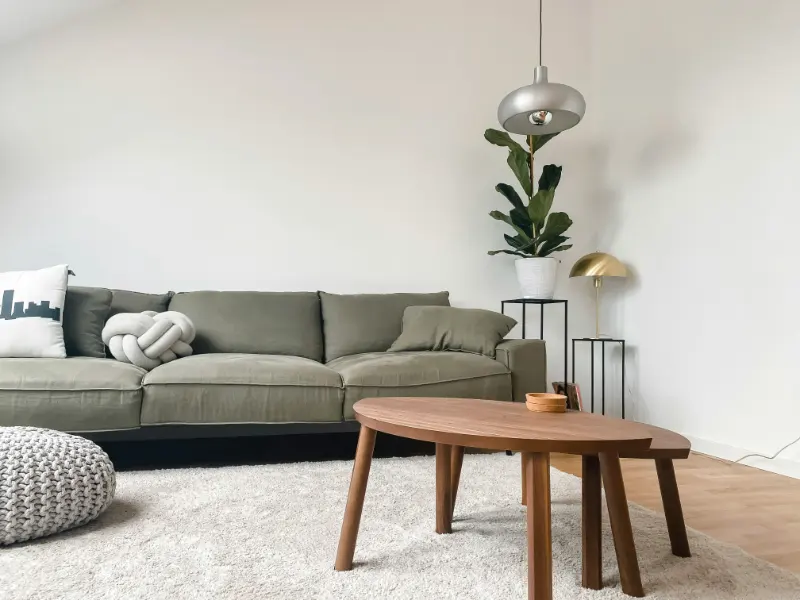
To make a white room feel warm, start by asking what kinds of white you already have. High gloss paint on walls, polished stone floors and metal-framed furniture will all reflect light sharply and make edges feel harder. You can keep those surfaces, but they need counterpoints. Warmth arrives when light has places to land and linger.Introduce natural, tactile materials first. A jute or sisal rug brings a dry, fibrous texture to the floor and adds visual weight that a thin flat-weave cannot. Linen on a sofa or bed gives a relaxed, slubby surface that wrinkles slightly and softens the geometry of cushions. A single oak or ash side table, even if lightly finished, brings grain and a kind of visual temperature that white walls alone do not provide.
Pay attention to the direction of texture. Vertical elements like ribbed plaster, tongue-and-groove paneling or fluted cabinet fronts draw the eye upward and add rhythm without color. Horizontal textures, like a woven bench seat or a slatted wood shelf, ground the room and slow the gaze. Combining both creates a subtle architecture inside the white envelope of the space.
Soft furnishings are the most forgiving place to experiment. Instead of a pile of identical pillows, mix a tightly woven cotton with one nubby wool and one silky, cool fabric. Keep them within a narrow range of creams and off-whites so texture does the talking rather than color. The effect should feel like variations on a theme rather than a cast of competing characters.
Consider temperature in the literal sense as well. Shiny chrome and cold tile can be balanced by a wooden frame, a cork side table or a woven shade on a floor lamp. A leather chair, especially in a pale tone, reads as white-adjacent but adds depth through its grain and the way it ages. These materials honor the lightness of a white room but ground it in something more human than drywall and laminate.
Finally, remember that negative space is also a texture. A bare stretch of wall lets your eye rest between more intricate surfaces. A simple white lamp on a nightstand with a pleated shade can cast layered shadows that make the wall itself feel more dimensional. When you are deliberate about what remains plain, the textured moments become more powerful and the room feels curated rather than crowded.
Light, Shadow And The Art Of Subtle Contrast
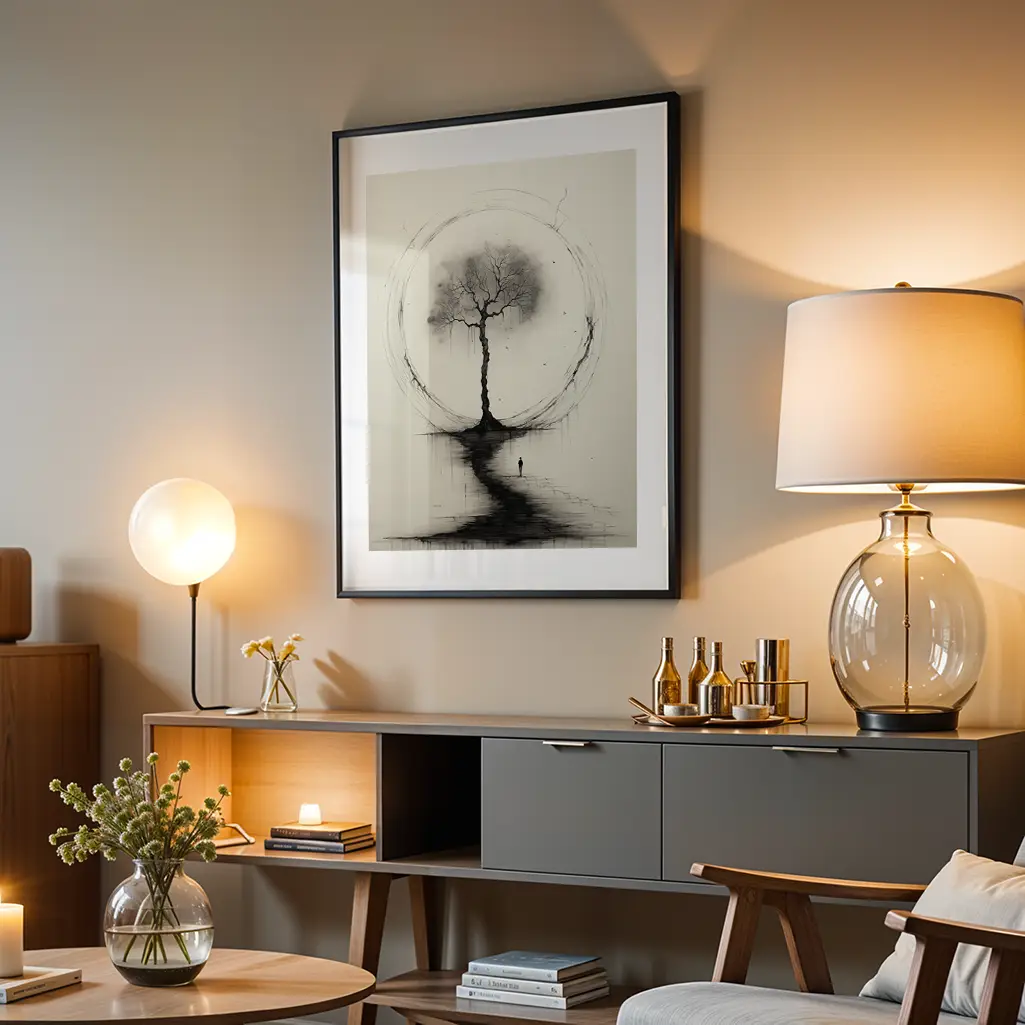
Texture does not live in isolation; it reveals itself through light and shadow. In a white room, the quality of light is as important as the choice of fabric. Overhead, cool lighting will flatten everything into the same indifferent tone. Warmer, lower sources of light coax out the grain of wood, the weave of textiles and the softness of plaster.If your space relies on a single ceiling fixture, think of it as a starting point, not the final word. A table lamp with a fabric shade throws a mellow, diffuse circle of light that makes rougher materials feel inviting rather than harsh. A reading lamp beside a chair creates a small pool of intimacy within the larger openness of a white room. When several gentle light sources overlap, their shadows become graded rather than abrupt, and textures seem to glow from within.
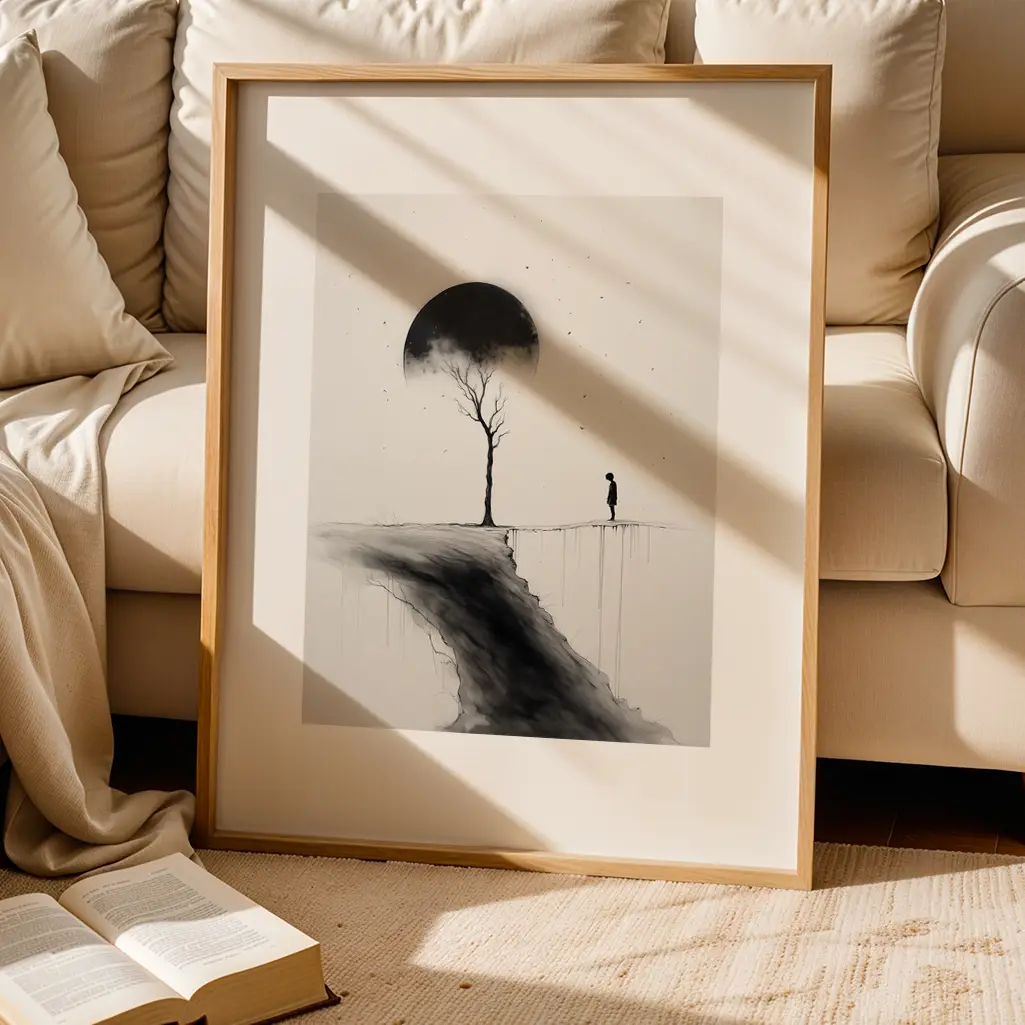
Natural light is even more revealing. Sheer curtains in cotton or linen do more than provide privacy. They soften sunlight so it glances off walls instead of searing them, and they move gently with air, adding a kinetic texture that shifts throughout the day. On a bright afternoon you might notice how the folds of the fabric sketch delicate stripes of shadow on the floor. Those temporal details are part of what makes a room feel lived in and emotionally warm.
Subtle contrast is your ally. Warm white walls paired with slightly darker stone or wood underfoot create a gradient rather than a cliff. A cream rug on a white painted floor keeps the eye from sliding away; the difference in texture and tone slows perception just enough for the room to register as layered. Even the choice between cool and warm white paint matters. A hint of warmth in the undertone can make every texture you add feel softer without tipping into beige.
Remember that you are designing not only what the room looks like in photos but how it feels at 6 a.m. and 10 p.m. A white kitchen with matte cabinets, a single wood cutting board left out, and under-cabinet lighting that washes the backsplash will seem far more welcoming than the same space lit only from above with glossy doors. In a bedroom, a textured headboard, a throw at the foot of the bed and a bedside lamp with a dimmer can turn simple white walls into a quiet frame for rest.
Ultimately, making a white room feel warm with texture is an exercise in attention. When you ask how a surface will feel under your hand, how it will catch light, how it will look next to something smoother or rougher, you begin to design in layers rather than in single moves. The reward is a home that stays calm and bright yet never feels empty, a place where white is not a lack of color but a field for subtle, daily pleasures.