The Quiet Luxury of Editing: Less, But Sharper
You can make a home look more expensive without buying a single new object. The first move is not addition, but editing. When a room feels crowded, the eye cannot rest, and even beautiful pieces start to cancel each other out. What reads as "minimal and calm" in the homes you admire is often the result of ruthless, thoughtful reduction.Walk through your space with fresh eyes, as if you are a guest. Notice where your attention snags: the stack of books on the floor, the busy gallery wall, the mix of five different wood tones. Anything that shouts is a candidate for removal or reassignment. Put away what is purely visual noise, then step back. The room will feel strangely bare at first; that discomfort is a sign that your baseline for visual clutter is shifting.
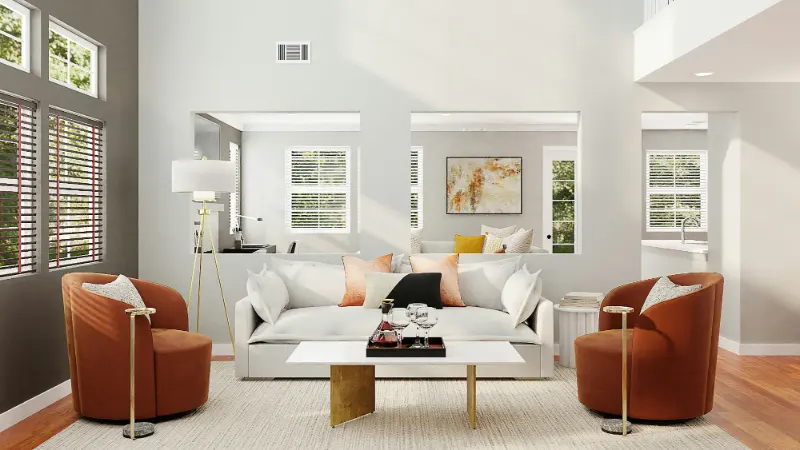
Editing also means choosing a clear hierarchy. In an expensive-looking room, one or two elements lead and everything else supports. A graceful sofa, an antique chest, a large photograph: let one of these be the "main character" of the room. Surround it with simpler, quieter pieces that echo its lines or materials. If the sofa is curvy, repeat curved forms in a lamp or side table. If the standout is an old wooden cabinet, let nearby pieces share its warmth or grain.
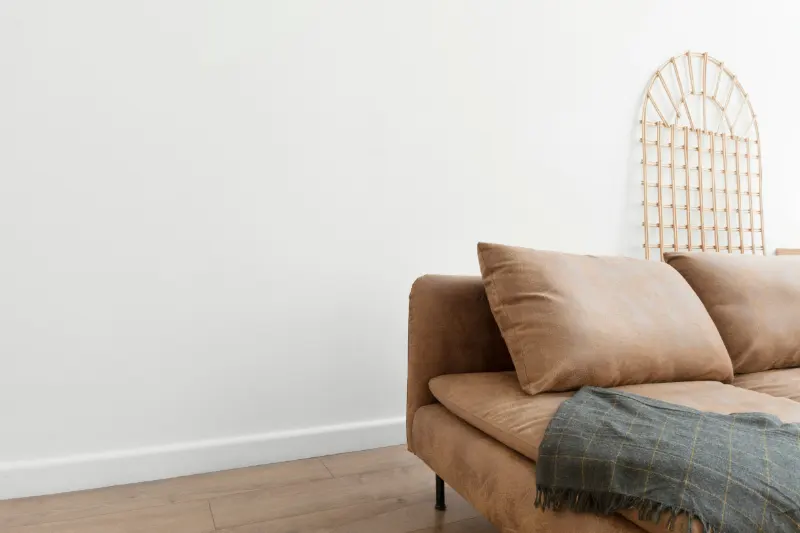
Color is a second form of editing. Expensive spaces often live in a narrow, well chosen palette. You do not need all new textiles; you need a sense of restraint. Gather what you have by color family. Decide on two main neutrals and one soft accent, then remove or relocate anything that clashes. Off-white, camel and graphite, for instance, feel calm and composed. Pale gray, sand and olive are another quiet trio. When colors relate to each other, even simple furnishings start to look intentional.
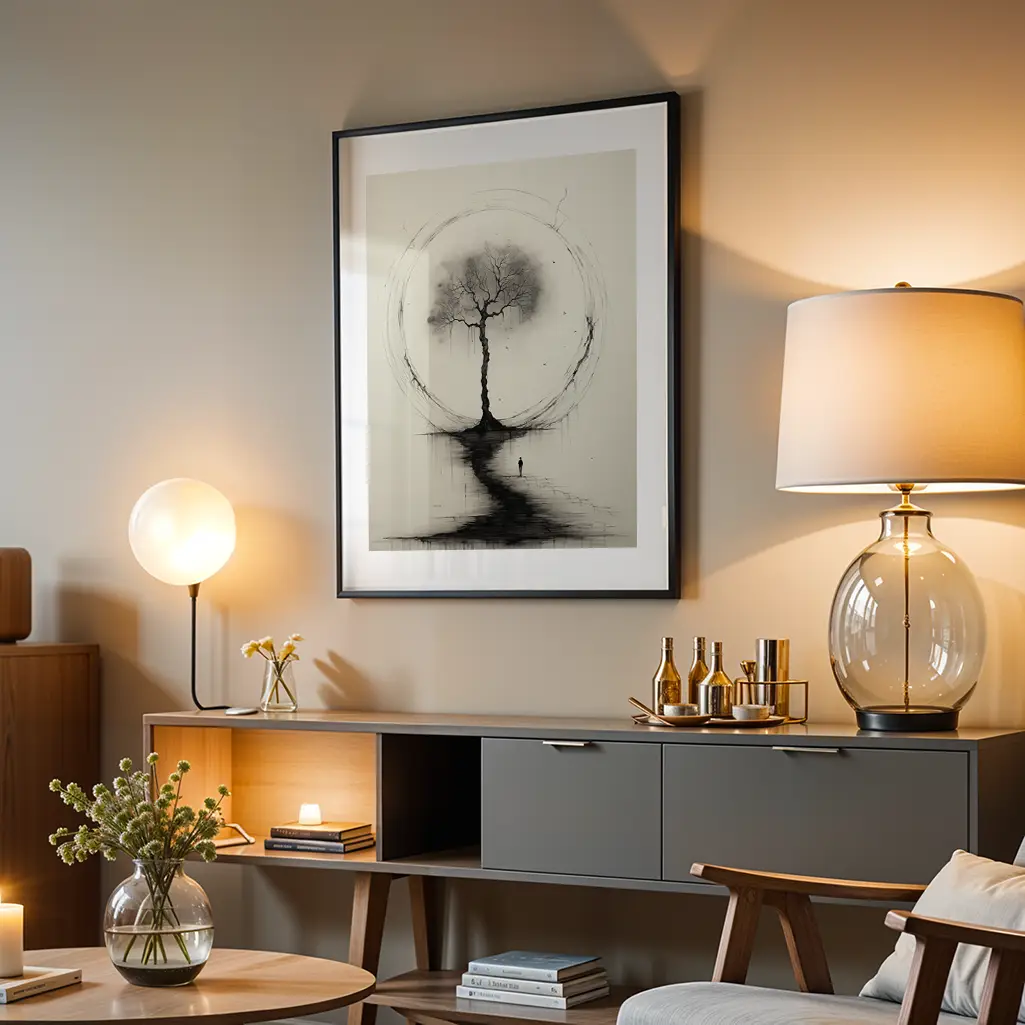
Lighting, too, benefits from this quieter mindset. Overhead lighting alone tends to flatten a room, making it feel more like an office than a sanctuary. Layered, warm light feels richer. If you can, place at least two lamps at different heights in each main room, even if they are inexpensive. A soft pool of light on a side table will make a modest sofa look more considered. Think of lighting as the house’s voice; turn it from a shout into a murmur.
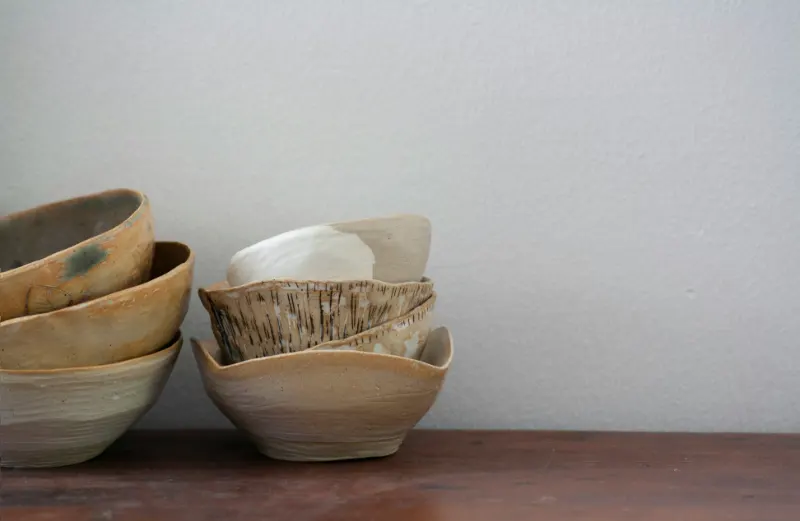
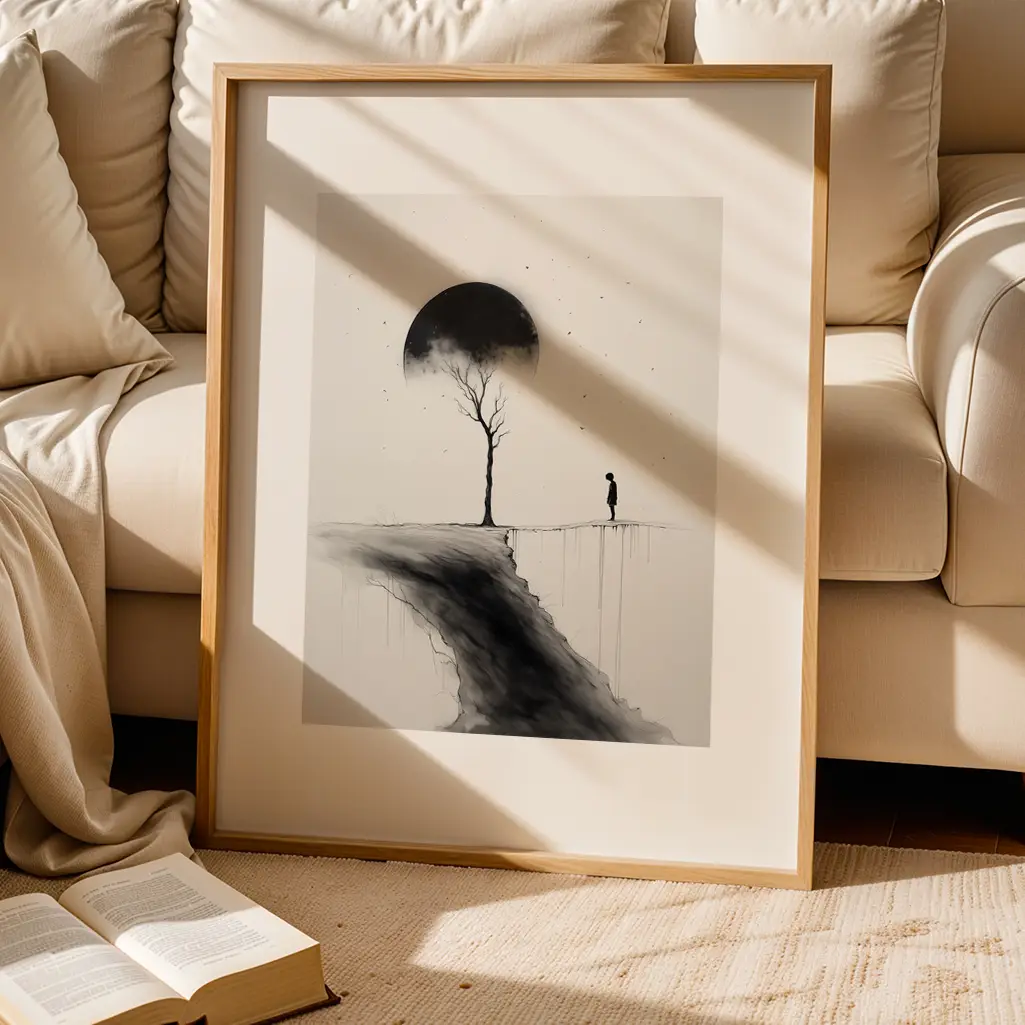
Finally, consider negative space as a kind of luxury. In a store, the most expensive items usually sit alone on a shelf with breathing room around them. You can borrow that trick at home. Clear a stretch of wall, a corner of your kitchen counter, or the top of a dresser so that a single object can stand alone: a ceramic bowl, a stack of linen napkins, a branch in a tall vase. The emptiness around it is what makes it feel special.
Material Calm: Softening Surfaces and Sound
Luxury is not only visual; it is tactile and acoustic. A home can look more expensive when it feels softer and quieter to live in. Surfaces, fabrics and even the way sound moves through your rooms all contribute to that sense of calm.Begin with texture. Minimal interiors often look cold in photographs because the camera flattens everything, but in person the best ones are layered with subtle textures that invite touch. You do not need marble and silk. Cotton, linen, wool and wood can feel just as considered if you repeat them thoughtfully. A plain sofa becomes more refined with a linen throw in a similar tone, and two cushions in a slightly different weave. Your coffee table can carry that same softness through a woven tray or a worn wooden bowl.
Consider where your body meets the house. The chair you touch every morning, the rug you step on first thing, the handle you grab when leaving. If you upgrade or refine just a few of these contact points, the whole home feels more expensive. Swap a slippery bath mat for a dense cotton one. Replace one noisy metal knob with a smoother wood or leather pull. Add a small rug beneath a desk so your feet land on something forgiving rather than bare floor.
Sound is an underrated element of calm minimal design. Hard surfaces bounce noise, making even a beautiful room feel harsh. Softer materials absorb it. Simple moves like adding lined curtains, a thicker rug, or a fabric-covered headboard will change the acoustics. The room becomes hushed, and that hush quietly reads as luxury. If curtains are not possible, consider a textile on the wall, such as a simple woven hanging or even a neatly hemmed length of fabric, to soften echoes.
Scent also shapes the perception of expense. A home does not need to smell like a boutique hotel, but it helps when there is one consistent, subtle note rather than competing aromas from strong cleaners, candles and diffusers. Choose a single, quiet scent that suits the character of your space and use it lightly. A bowl of citrus on the counter, a bit of natural cleaner with a soft herbal smell, a stick of incense used sparingly: cohesion in scent, like cohesion in color, creates a sense of care.
Composed Surfaces: Styling with Restraint and Intention
Many homes look less expensive than they are because every surface is working too hard. Kitchen counters become storage; coffee tables become remote control corrals; shelves hold every book and object the owner loves. The goal is not to live in an empty stage set but to compose the visible surfaces you see most often.Treat each key surface as a small still life. Pick three elements that differ in height, texture and shape, and let them relate quietly in color. A lamp, a stack of books and a small bowl on a side table; a cutting board, a ceramic jar and an olive oil bottle on a kitchen counter. By limiting what lives out in the open, you give each object room to matter, and the space starts to feel curated rather than crowded.
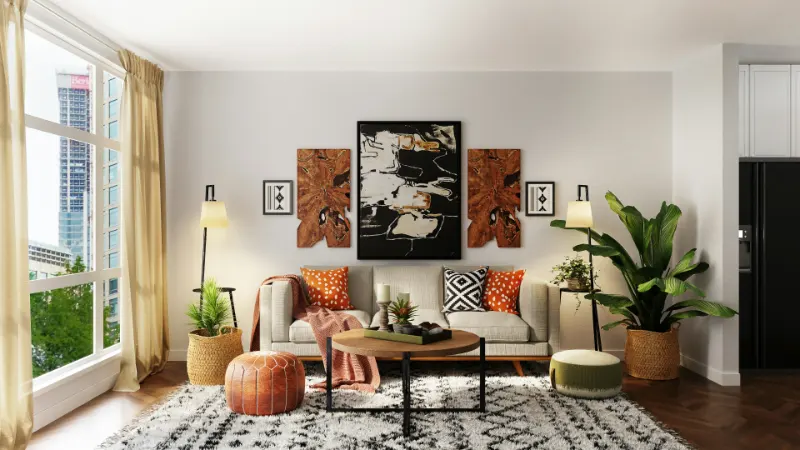
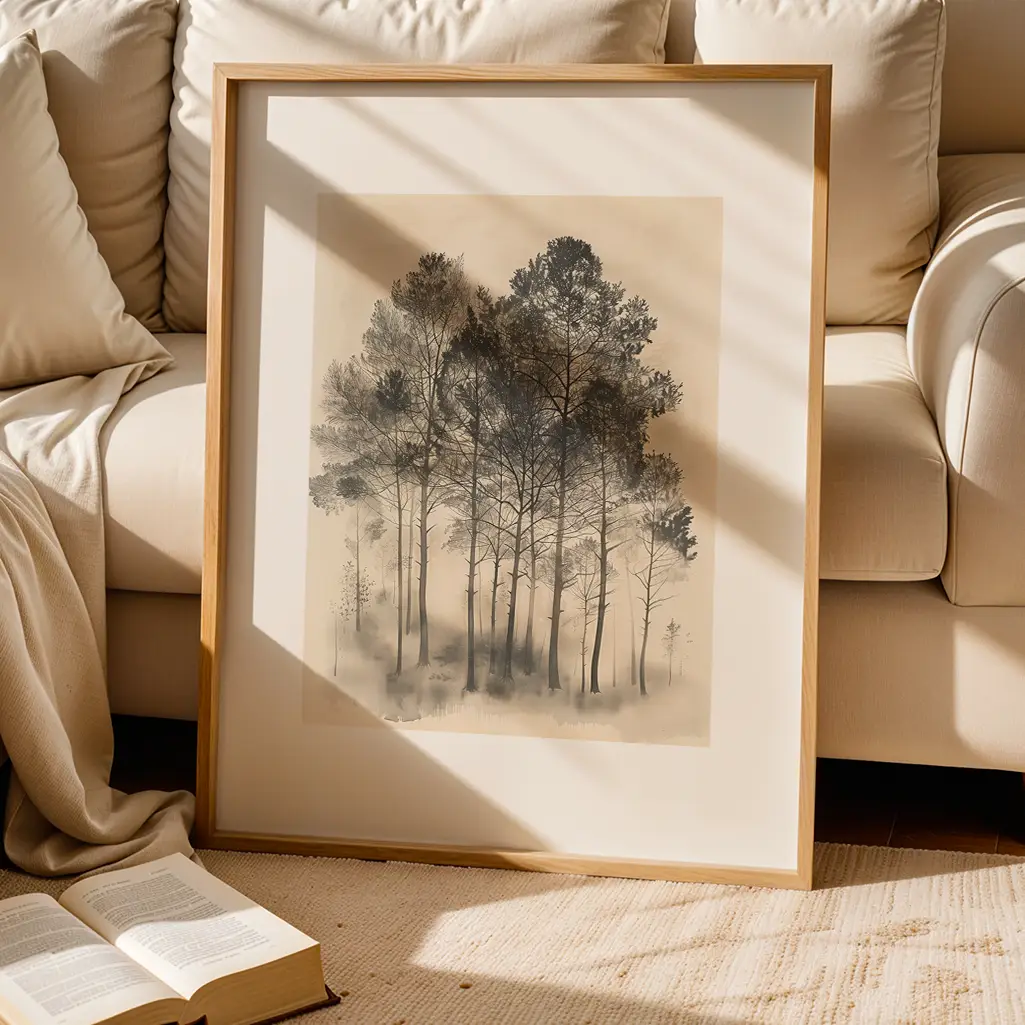
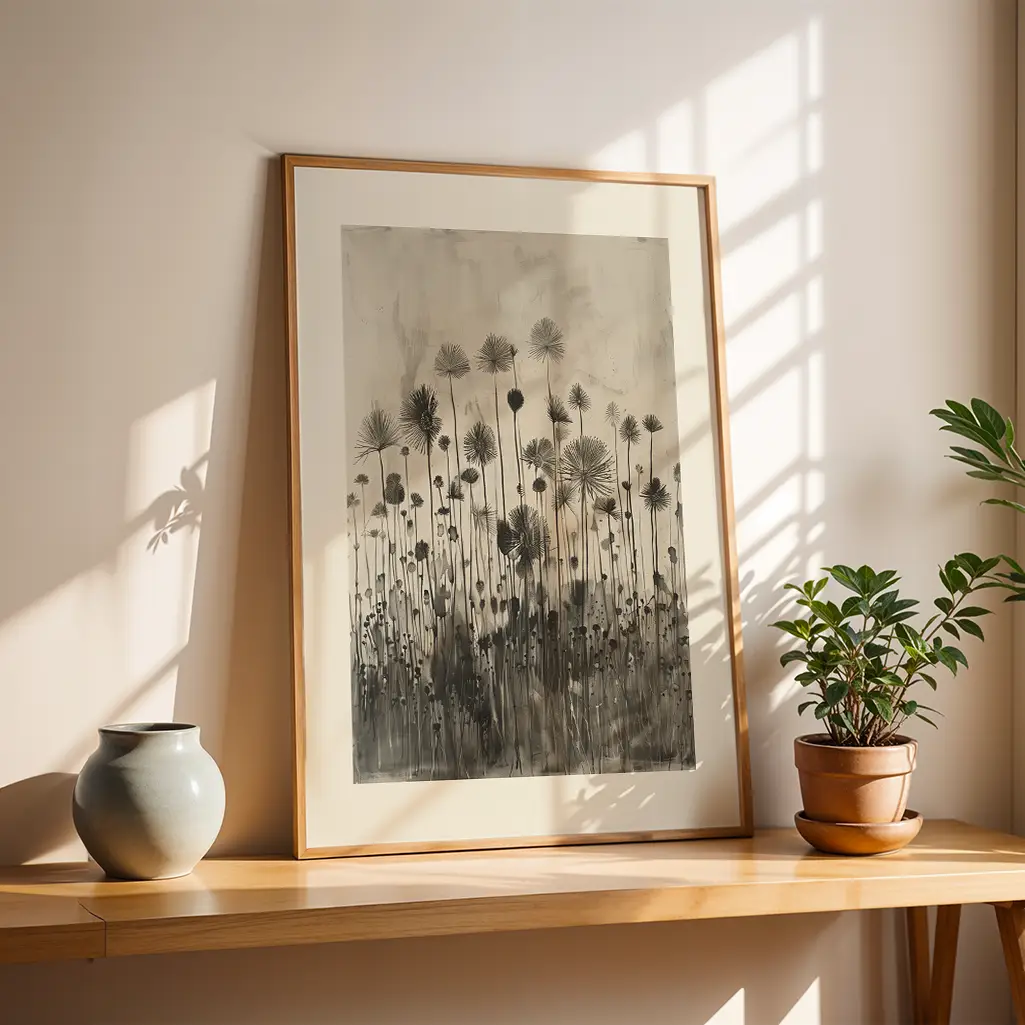
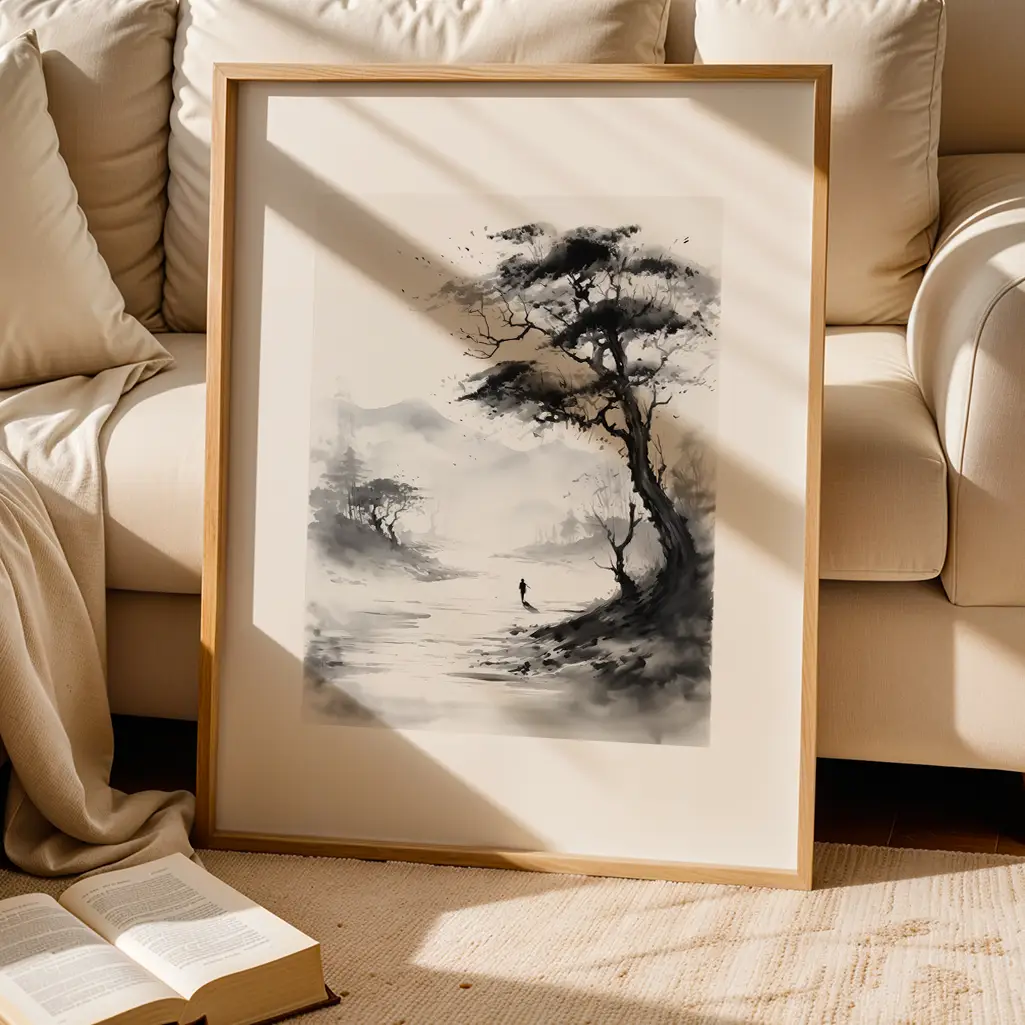
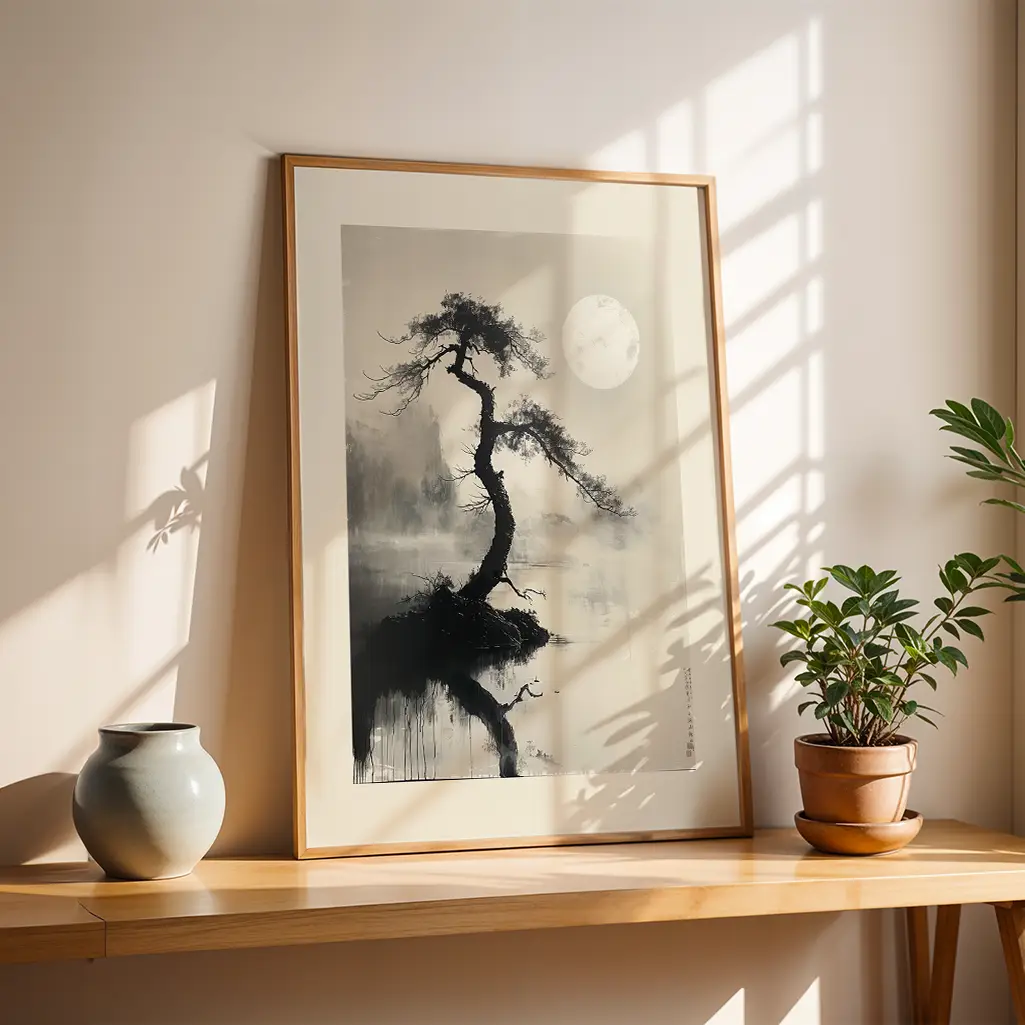
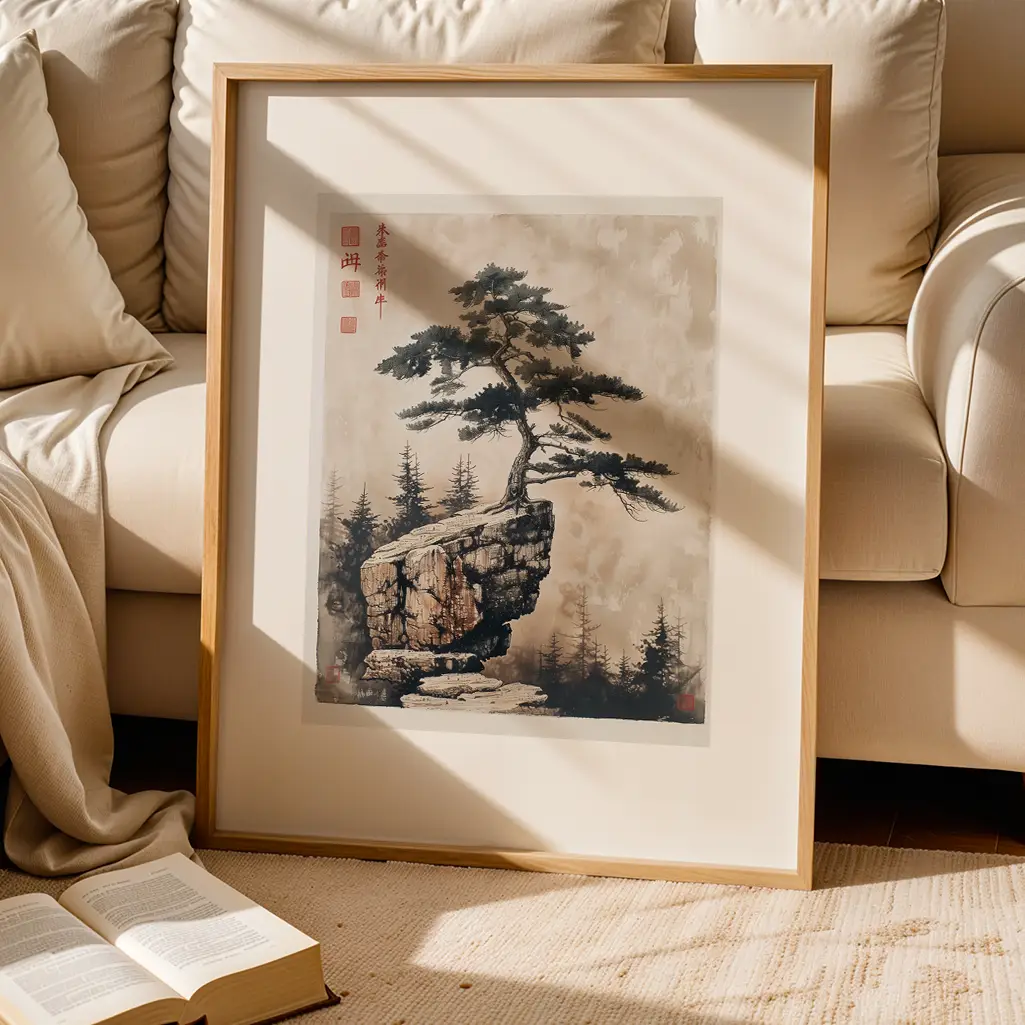
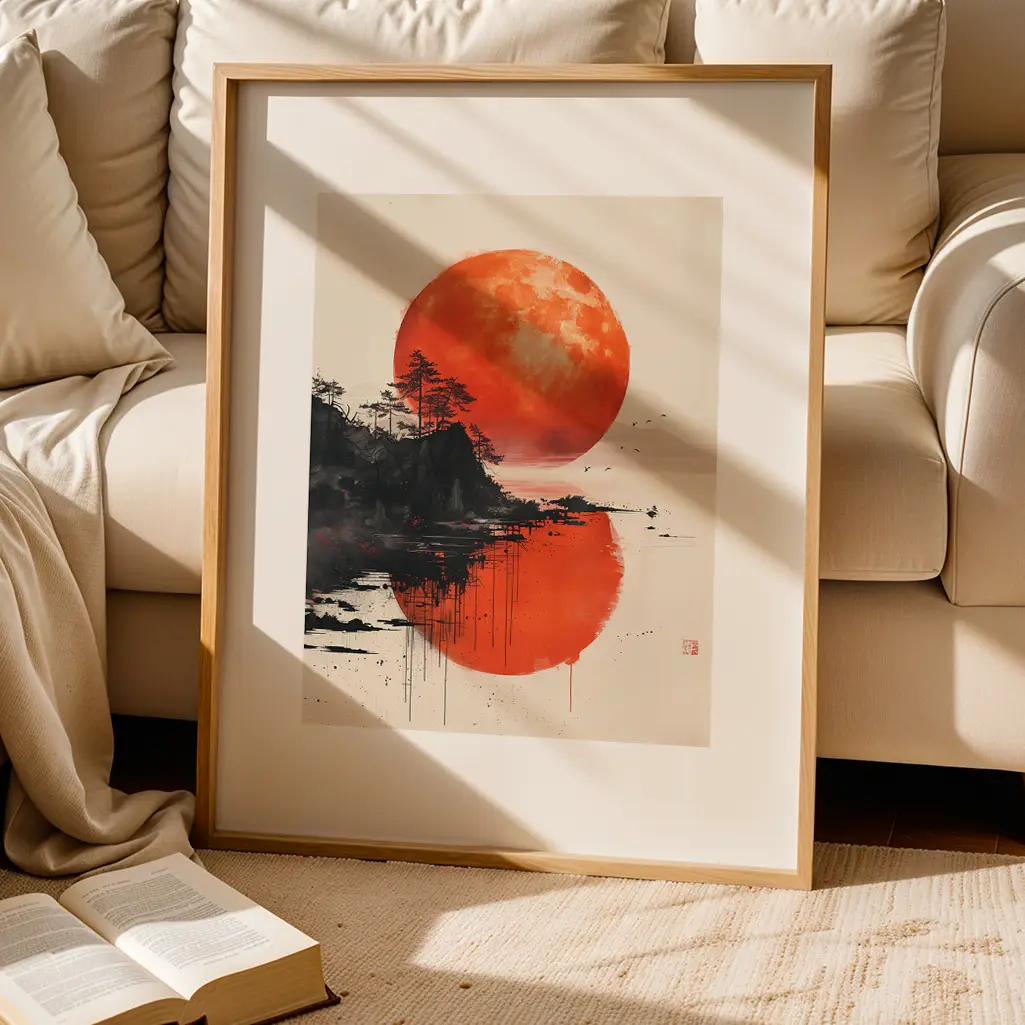
Books and art are where personality meets polish. Instead of spreading artwork across every wall, group it. A single large piece above the sofa often looks more elevated than seven small frames. If large art is not in the budget, create a calmer grid: same frames, same mats, similar spacing. For books, resist the urge to fill each shelf edge to edge. Lay a few volumes horizontally to break the line, leave pockets of air, and allow a sculptural object or a simple stone to punctuate the run of spines.
The most expensive-looking rooms also have a certain privacy to them. Not every function is visible. Where you can, use closed baskets, boxes or drawers to hide the practical things. A lidded basket near the sofa for blankets, a narrow box on the coffee table for remotes, a tray in the entry to contain keys and mail. The point is not to eliminate the mess of daily life, but to give it a dedicated, quiet home.
Underlying all of these choices is a shift in attitude. Instead of asking what you can add to make the home look richer, ask what you can clarify. What color story feels honest to you, what textures you actually reach for, which objects you truly want to see every day. When a space is edited, softened and composed with that level of attention, even modest pieces take on the calm glow we associate with a more expensive home. The luxury, in the end, is not the price of the furniture, but the quality of thought that shaped the room around it.