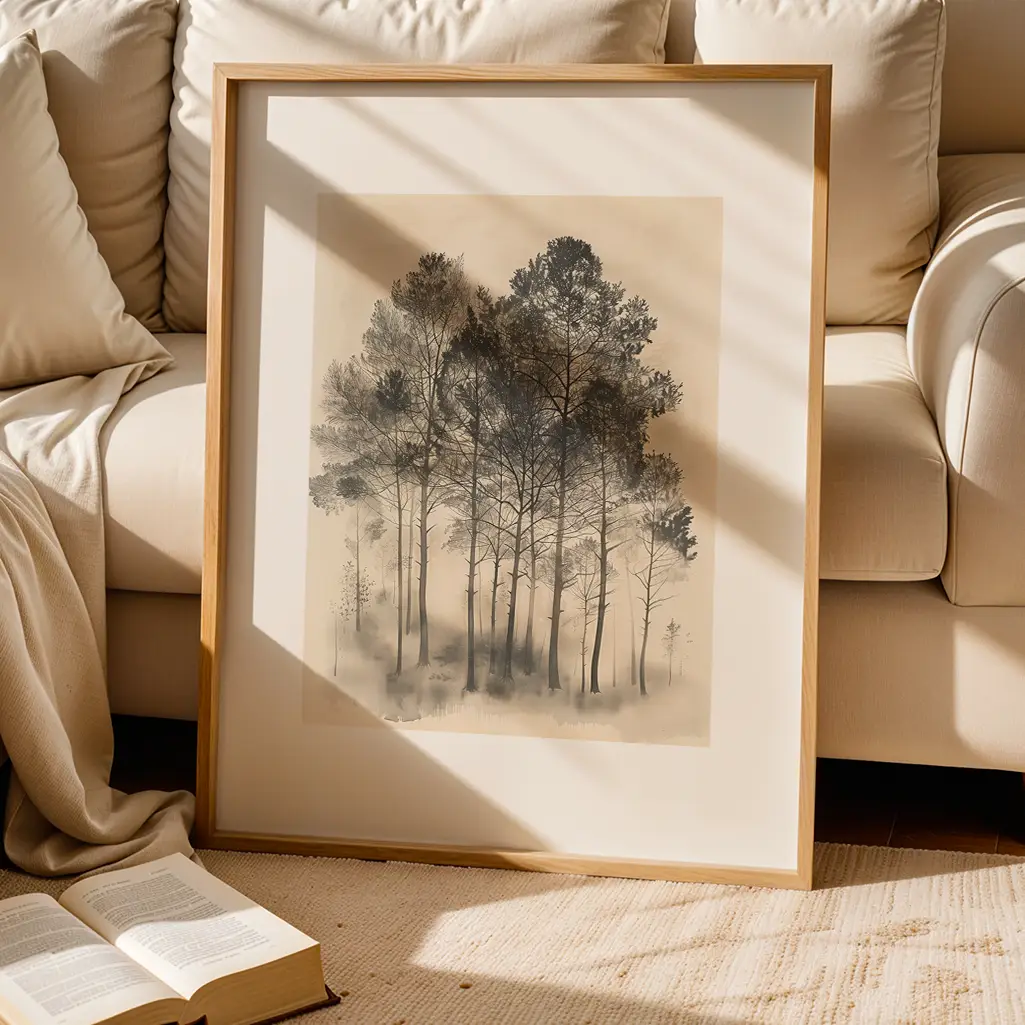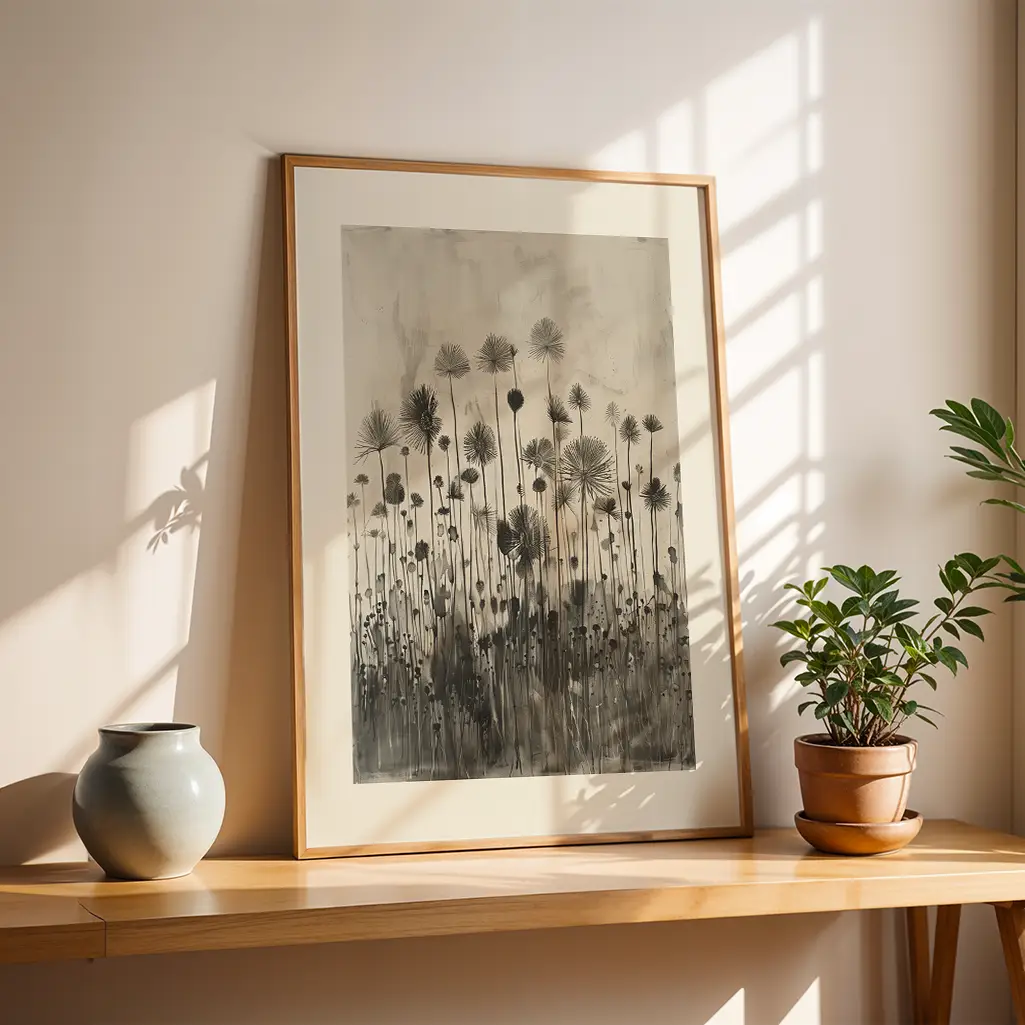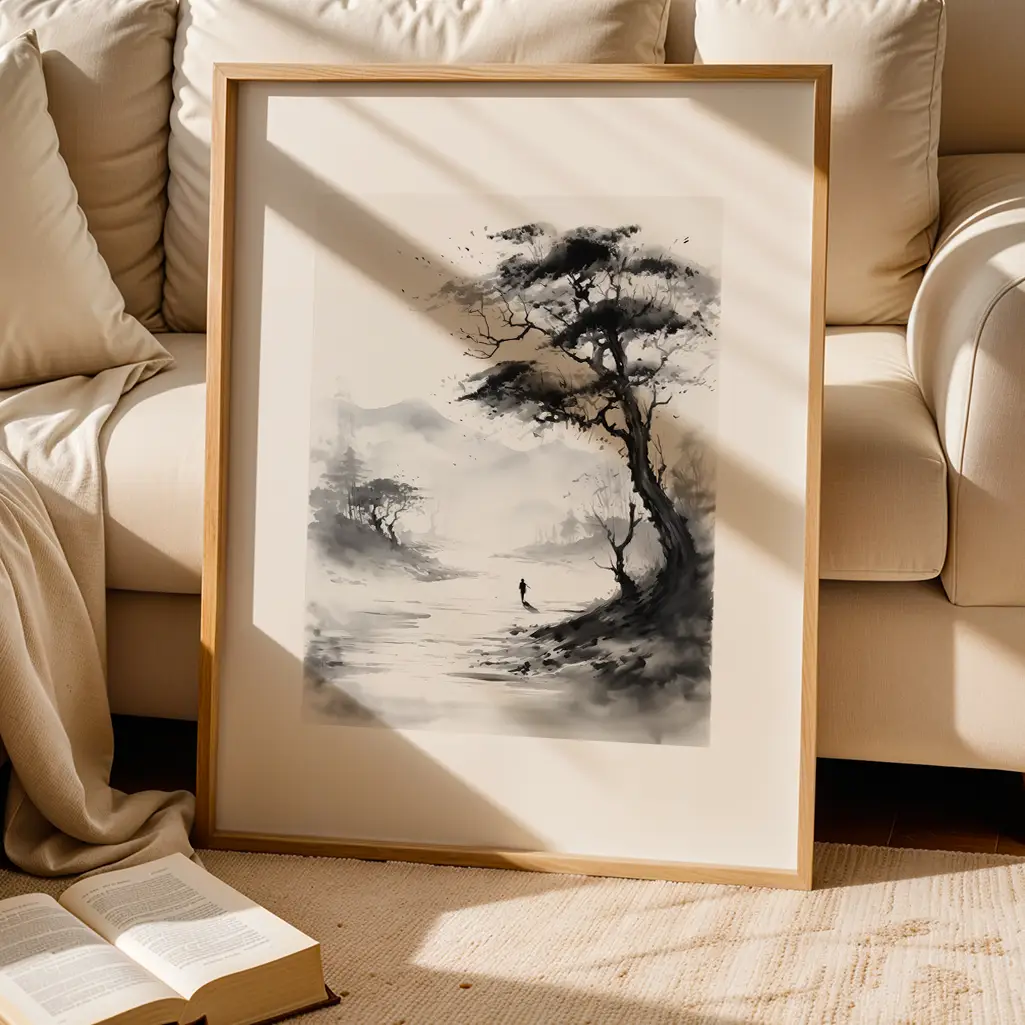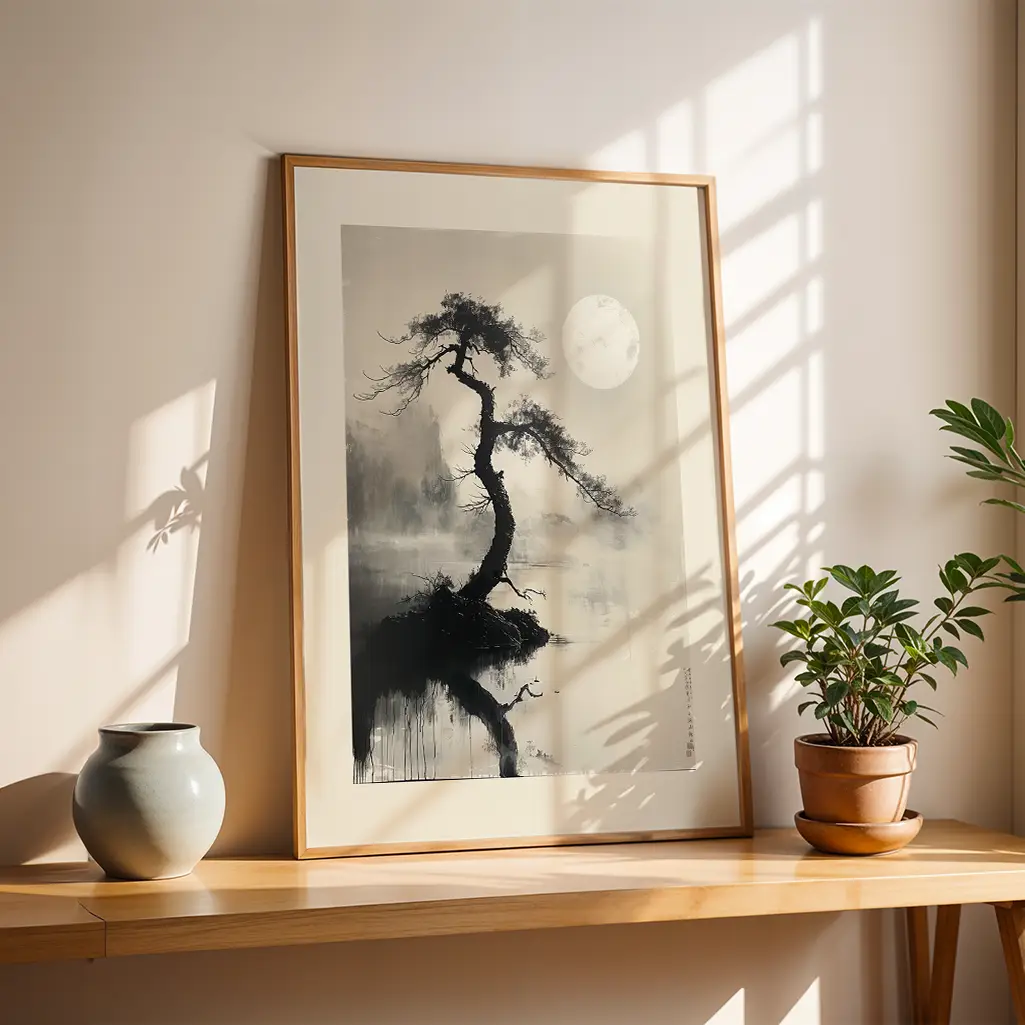
The Quiet Power of Texture in a Room
Texture is often what you feel before you consciously see. You walk into a room and sense that it is "flat" or, conversely, that it somehow wraps around you. Color, furniture, and art all matter, but it is texture that gives them a place to live. Rugs, curtains, and throws are the most forgiving and flexible tools for this, acting almost like a room’s undercurrent: subtle, but impossible to ignore once you pay attention.
Designers talk about texture in two ways. There is literal texture, the way something feels under your hand or feet, and visual texture, the way a surface looks from across the room. A linen curtain is visually soft even before you touch it. A jute rug might read as crisp and structured, setting a different tone. When you layer both, you tilt a space toward calm, or energy, or quiet luxury, often without moving a single piece of furniture.
Using rugs, curtains, and throws is ultimately about contrast and balance. If everything is smooth, the room feels sterile. If everything is nubby or heavy, the room feels weighed down. The aim is not to add texture everywhere, but to decide where you want emphasis and where you want rest. Think of these pieces as instruments in a small ensemble. Rugs anchor, curtains frame, throws punctuate. Together, they create a kind of visual and tactile rhythm that can make even a modest apartment feel intentional.
Before buying anything, sit in your space at different times of day and notice how it behaves. Where does light fall? Where do your feet land when you first step into the room? Which corner feels a bit forgotten? These are clues about where texture will have the most impact. The goal is not to decorate for a photograph, but to shape the way you move through your own home.
Grounding a Room with Rugs
Rugs are usually the first textural decision that affects everything else. They are literal ground, and the rest of the room reacts to them. A low-pile wool rug reads like a tailored jacket; a thick, shaggy number feels more like a sweater you reach for on cold mornings. Neither is inherently better; it depends on what you want the room to say when you cross the threshold.
Consider how your feet interact with the floor. If you live with hard surfaces like concrete or old wood, a plush rug adds relief and makes the act of walking a small pleasure rather than a neutral transit. In a bedroom, a soft, denser rug near the bed turns the first step of the day into a gentle one. In a dining room, a flatter weave is easier for chairs to slide over and makes the space feel more composed than cozy.
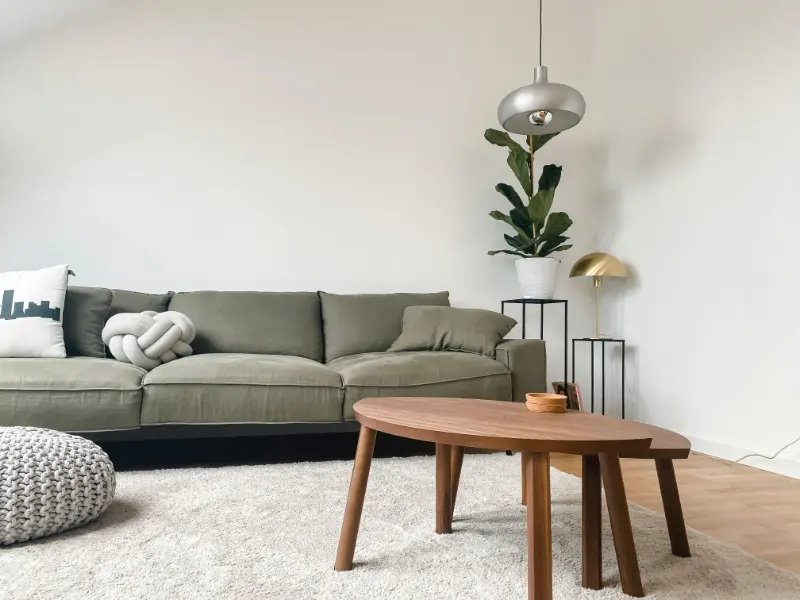
Layering rugs is one of the simplest ways to add both visual and tactile depth. A large, neutral flat-weave can define the zone, while a smaller, textured rug placed atop it creates a focal point. The top rug might have a subtle pattern or a thicker pile to interrupt the smoothness underneath. When layering, let the base rug extend well beyond the upper one, so it feels intentional rather than improvised.
Material matters as much as pattern. Wool compresses slightly underfoot and returns to form, lending a sense of quiet resilience. Jute and sisal offer a drier, more structured texture; they work well in bright rooms with lots of natural light, echoing the honesty of the materials around them. Cotton flat-weaves can feel relaxed and almost cloth-like, ideal for casual spaces. Synthetic fibers can mimic these, but often lack the subtle irregularities that make a texture feel alive. Those irregularities, the small slubs and shifts in tone, are what keep your eye engaged without overwhelming it.
The relationship between rug and furniture is also a kind of texture. When the front legs of a sofa and chairs rest on the rug, the scene feels cohesive, as if the seating area is one single object. When everything floats just off the rug, the room can feel tentative, like a sentence that never quite ends. Allowing at least some pieces to touch the rug gives the room weight and intention, even if the palette is calm and quiet.
Soft Architecture: Curtains and Throws as Layers
If rugs ground a room, curtains shape its vertical softness. They are "soft architecture" that can either sharpen a space or blur its edges. A crisp cotton or linen panel, with a visible weave, diffuses light into a gentle glow and introduces a subtle grain against smooth walls. A heavier velvet or wool curtain, on the other hand, absorbs light and sound, bringing a hushed, cocooning quality that can be especially welcome in echoing high-ceilinged rooms.
The texture of curtains becomes most apparent at the points of compression: where the fabric gathers and folds. A stiff fabric forms sharp, almost architectural pleats that read as orderly. A looser weave will drape in rounder, more languid lines. This difference changes the temperature of the room. Sharp folds feel formal; soft folds feel easy. Neither is inherently better, but they should match the way you actually live. If you find yourself always curling up with a book, let the curtains echo that softness rather than fight it.
Color and texture work together. A pale, textured curtain can soften a dark wall by introducing a lighter, tactile vertical band. A darker, dense curtain can ground a room that feels a bit too airy or insubstantial. Think of them as a way to tune the acoustics of your space, visually and literally. Even a single panel on one side of a window can disrupt a long expanse of glass or wall, creating a visual pause and a sense of enclosure.
Throws operate on a smaller, more personal scale. They are the punctuation marks of texture, landing on sofas, chairs, or beds exactly where the body meets the furniture. A chunky knit throw over a tight, smooth sofa relaxes its personality. A fine, cashmere or cotton throw on a deep, overstuffed chair introduces a quieter, almost whispered layer of softness rather than more volume.
Placement matters as much as material. A throw folded in a clean rectangle at the foot of a bed reads like a deliberate line in a drawing. The same throw loosely draped over the arm of a sofa suggests movement and invitation, as if someone has just left and will be right back. You can use this to guide how you want the room to feel. In a space that already reads as visually busy, a neatly folded throw can bring a sense of order. In a beautifully composed but slightly stiff room, a more casual drape can break the tension.
Over time, these layered textures turn into a quiet biography of how you live. The flattened spot on a favorite rug, the softened edge of a linen curtain, the throw that is always slightly askew from use; all of these are signs that the room is not only designed but inhabited. Texture, in this way, is not decorative excess, but evidence that your home is doing its job: holding you, softly, as you move through your days.