Why Interior Design Styles Matter Less Than You Think
Interior design styles are often treated like strict uniforms. We hear "Scandinavian," "midcentury," "Japandi," and imagine that choosing one is a life decision, as if you were swearing loyalty to a visual tribe. In practice, styles are more like languages. Knowing them lets you communicate mood, memory and function in your rooms with more clarity.
Every recognizable style is a response to a moment: a way of living, a set of technologies, an economy of materials. Midcentury modern emerged from postwar optimism and new manufacturing techniques; industrial style romanticizes the raw factories that earlier generations tried to escape; minimalism reflects both spiritual traditions and the anxiety of overconsumption.
Understanding this backstory is not an academic exercise. It becomes a practical tool. When you know what a style was originally trying to solve, you can ask a better question at home: which of these solutions still serves the way I live, and which are only fashionable costume? This is how you avoid the feeling that your living room belongs more to a catalog than to you.
So instead of memorizing long lists of rules, start by noticing the core triad behind any style: proportion, material and mood. Proportion is about the shapes and scale of furniture and architecture; material is the surfaces your body touches and your eyes rest on; mood is the emotional temperature created by light, color and empty space. Every style tilts these three levers in a specific direction.
When you walk into a home and see low, horizontal sofas, long credenzas, thin legs and generous negative space, you are reading midcentury modern proportions. When those pieces are in walnut and wool, you are feeling its materials. When the color palette stays quiet, the daylight is clear and clutter is hidden, you are inside its mood: calm, functional optimism. Learning to think this way is how interior design styles explained on paper become visceral in your body.
Four Common Styles, Seen Through Mood and Materials
Consider Scandinavian, minimalist, industrial and traditional styles, not as boxes to choose from, but as lenses you can borrow.
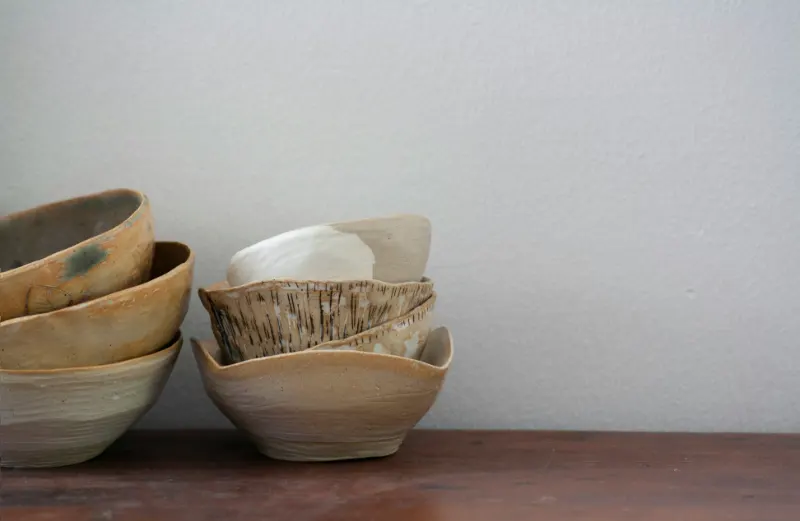
Scandinavian design begins with winter. Long nights, limited daylight, and a cultural insistence that home must feel quietly nourishing. That is why you see pale woods like ash and birch, cotton and wool textiles, and soft diffused lighting. Proportion tends toward slim legs, modest heights and pieces that do not dominate small apartments. The mood is "bright but gentle." To evoke this, you could keep your walls off‑white, choose a light, oiled wood table and add a single textured wool throw instead of a pile of decorative cushions. The point is not purity; it is to make every object earn its place through comfort and clarity.
Minimalism is often confused with Scandinavian, but its roots run through modernist architecture and Zen aesthetics. Minimalism asks: what can be removed without harming function or peace of mind? The materials may be more severe: white plaster, concrete, metal, glass. Proportions skew toward clean planes and bold, unbroken lines; think a long low sofa with one continuous seat cushion, or a kitchen with flat, handleless fronts. The mood is "unburdened." To borrow from minimalism, you do not need an all‑white room. Start by editing. Remove every decorative object from a surface, then add back only what you truly notice when you walk past. Space itself becomes one of your main materials.
Industrial style romanticizes the honest bones of old warehouses and lofts: exposed brick, visible ductwork, steel beams and well‑worn wood. It arose partly from adaptive reuse, when factories turned into housing. Proportions are larger, more rugged; a dining table might be thick reclaimed timber on black metal legs, a pendant light an oversized metal shade. The mood is "raw but hospitable." To echo this without turning your home into a stage set, choose one or two elements of exposure: perhaps you leave a brick wall unplastered, or you choose a metal floor lamp that shows its joints. Counterbalance the hardness with textiles; an industrial room without softness feels like a set, not a home.
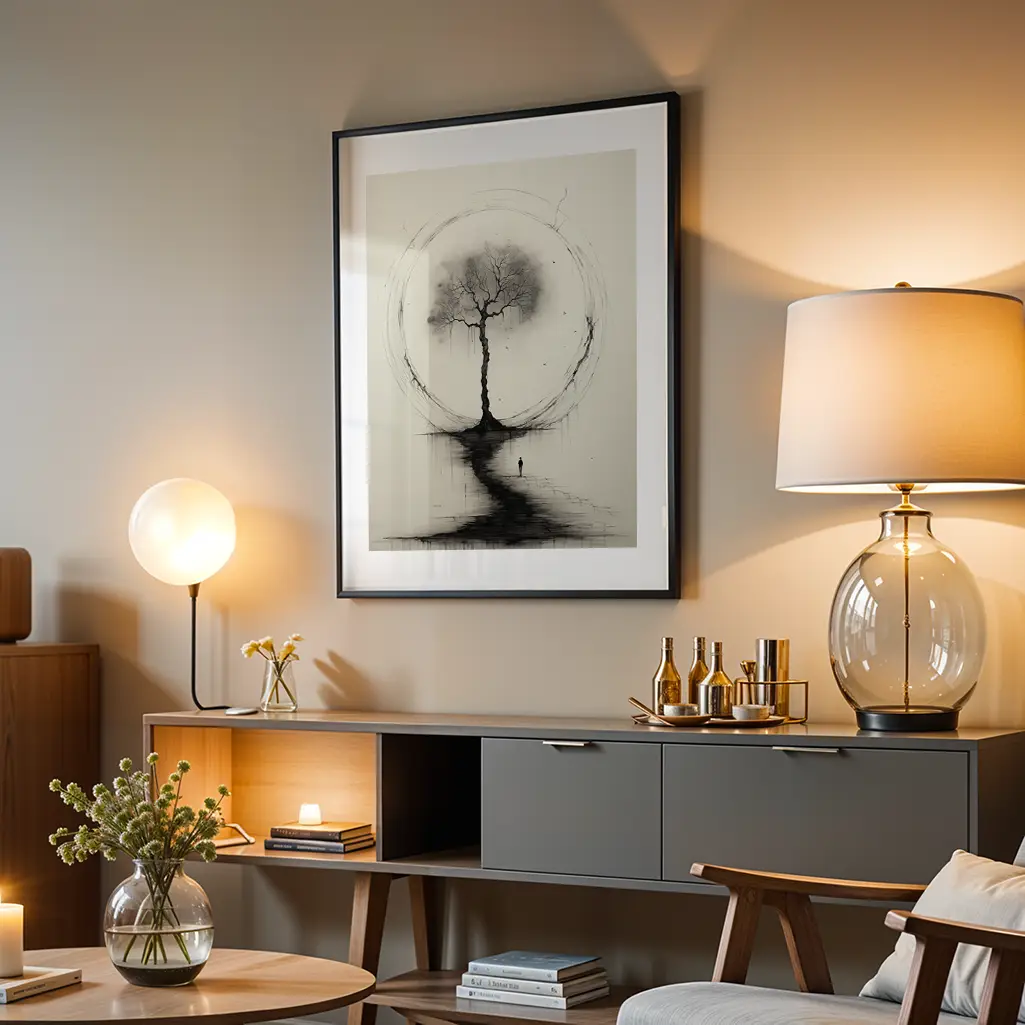
Traditional interiors, at least in a Western sense, are an accumulation of centuries: moldings, framed art, pattern, furniture with curves and ornament. Their proportions tend to be vertical and dignified; chairs with higher backs, lamps with silhouettes, curtains that reach the floor. Materials lean toward wood with deeper stains, brass that is allowed to age, linen, velvet and patterned rugs. The mood is "settled." If you like this feeling but dread heaviness, borrow only the elements that speak of history: a framed landscape in an otherwise modern room, or a turned‑wood side table next to a clean‑lined sofa. Traditional need not mean cluttered; it can simply mean you have allowed time to be visible in your space.
Mixing Styles Without Losing Yourself
Most homes today are hybrids. The tension you feel is usually not from mixing styles, but from mixing them unconsciously. When you understand proportion, material and mood, you can blend with intention.
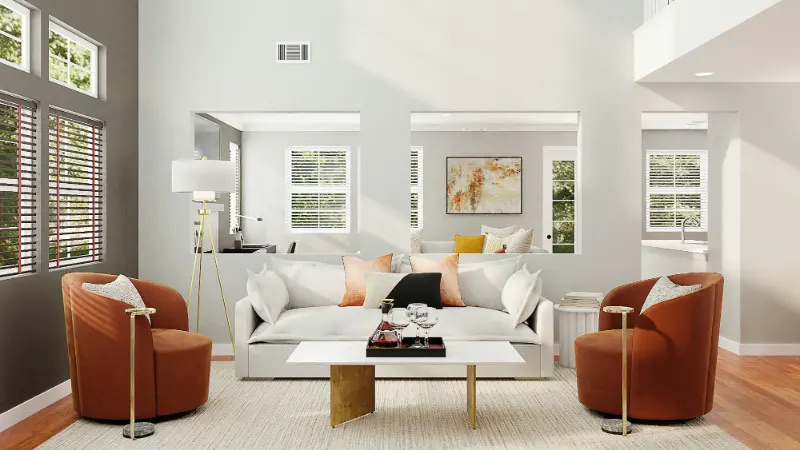
A practical way to start is to choose one style to guide your proportions, and another to inform your materials. Suppose you are drawn to minimalist lines but also to the warmth of Scandinavian spaces. You could keep furniture silhouettes simple and low, following minimalism, while choosing pale woods and textured textiles from Scandinavian design. The overall mood will lean calm rather than stark because the materials are tactile and human.
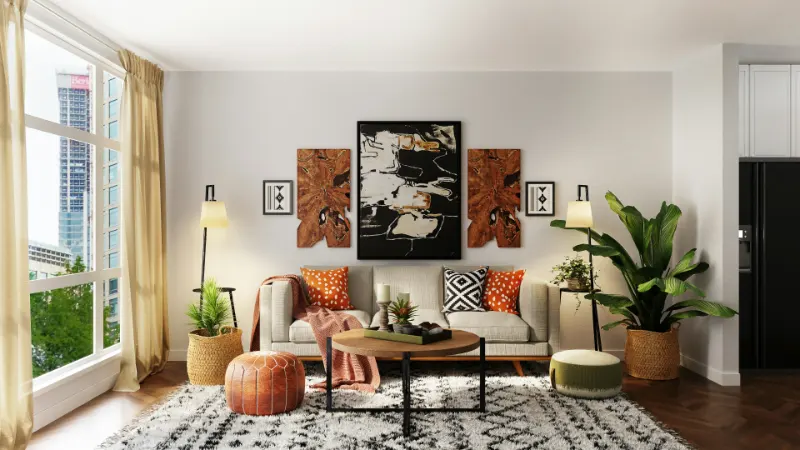
Alternatively, if you love industrial grit and traditional warmth, let industrial guide your materials: metal, brick, worn wood. But use traditional proportions: lamps with curves, framed art hung at eye level, substantial curtains softening large windows. The result feels like a story rather than a showroom, because your eye can trace both the rawness and the refinement.
Color and light are the final, quiet arbiters. They can reconcile almost any mix. Restricting your palette, even loosely, is the fastest way to make diverse pieces speak to each other. Three main hues, repeated in different textures, will usually calm a room more than any single adherence to a style label. The same sofa looks industrial with a charcoal wall and metal lamp, or Scandinavian against a chalky white wall with a woven pendant, because the surrounding color and light change its mood.
Designing a nicer home, then, is less about chasing the latest named style and more about noticing which moods you want to live inside. Ask: where do I need calm, and where do I welcome energy? Which materials make me exhale when I touch them? Which proportions feel generous in my rooms, given their size and light? When you answer these questions, the labels become flexible. You are no longer trying to match a photograph. You are composing a space that understands you, using styles as a fluent but secondary language.