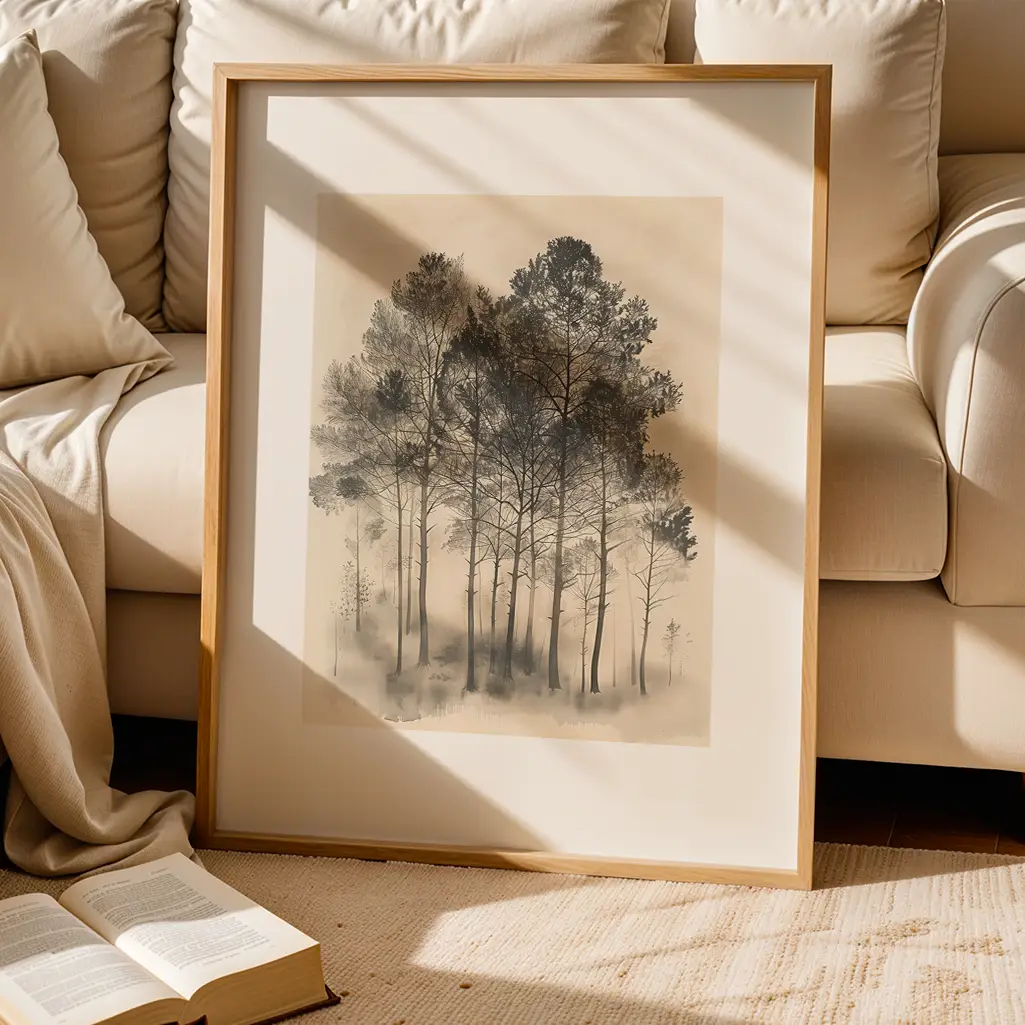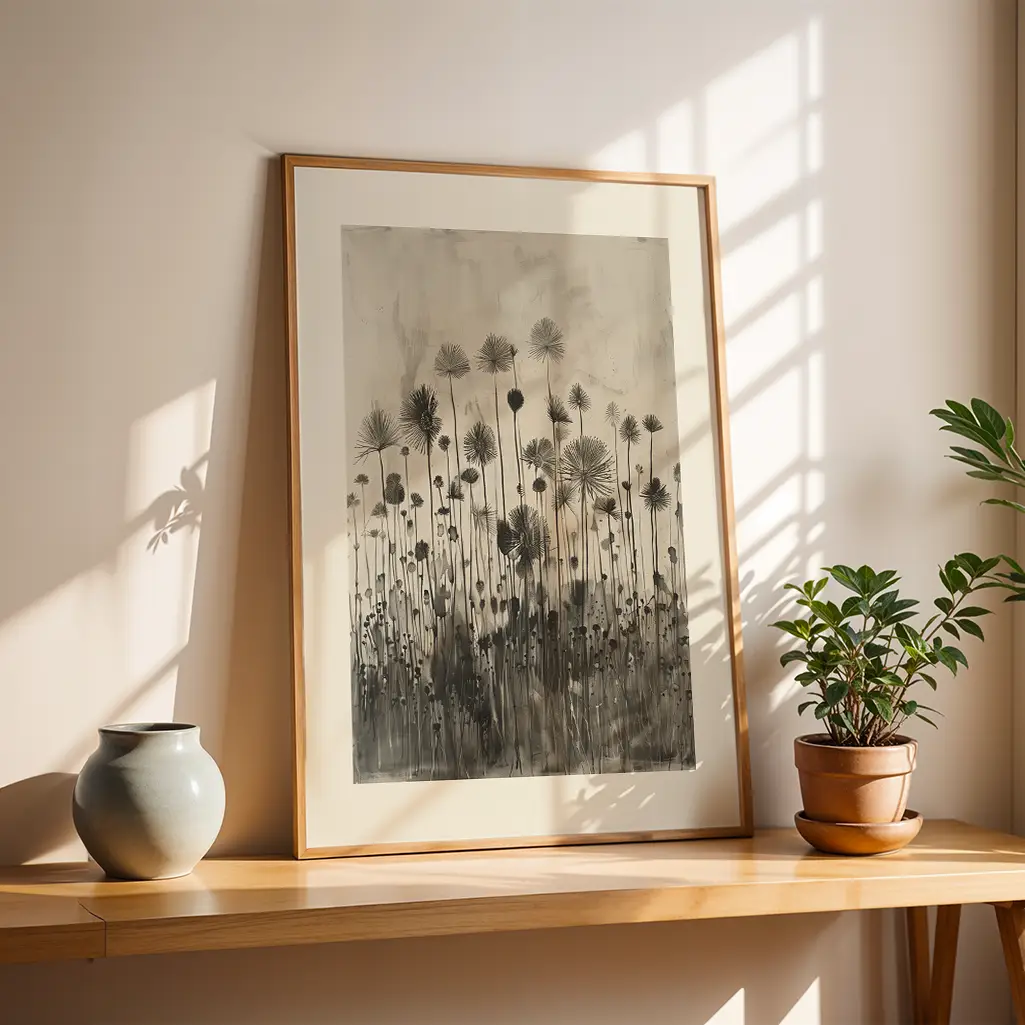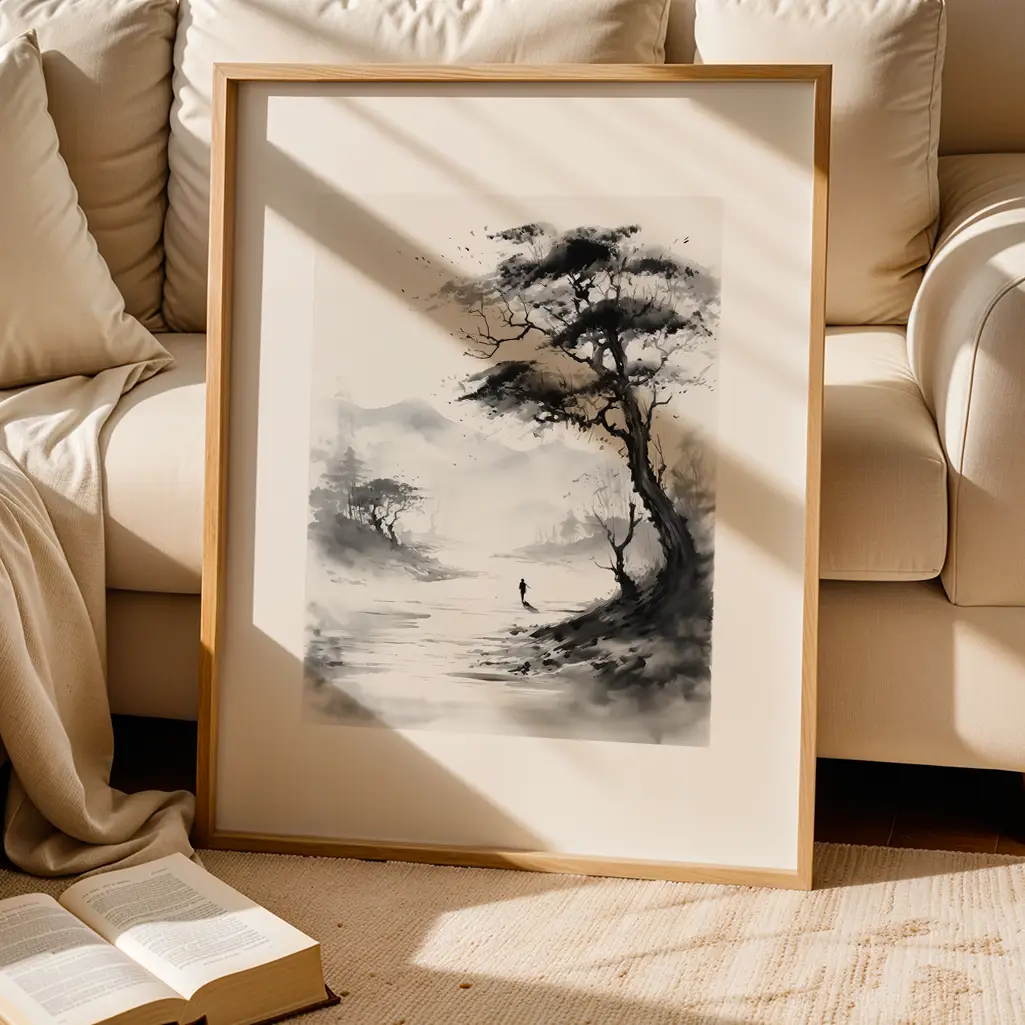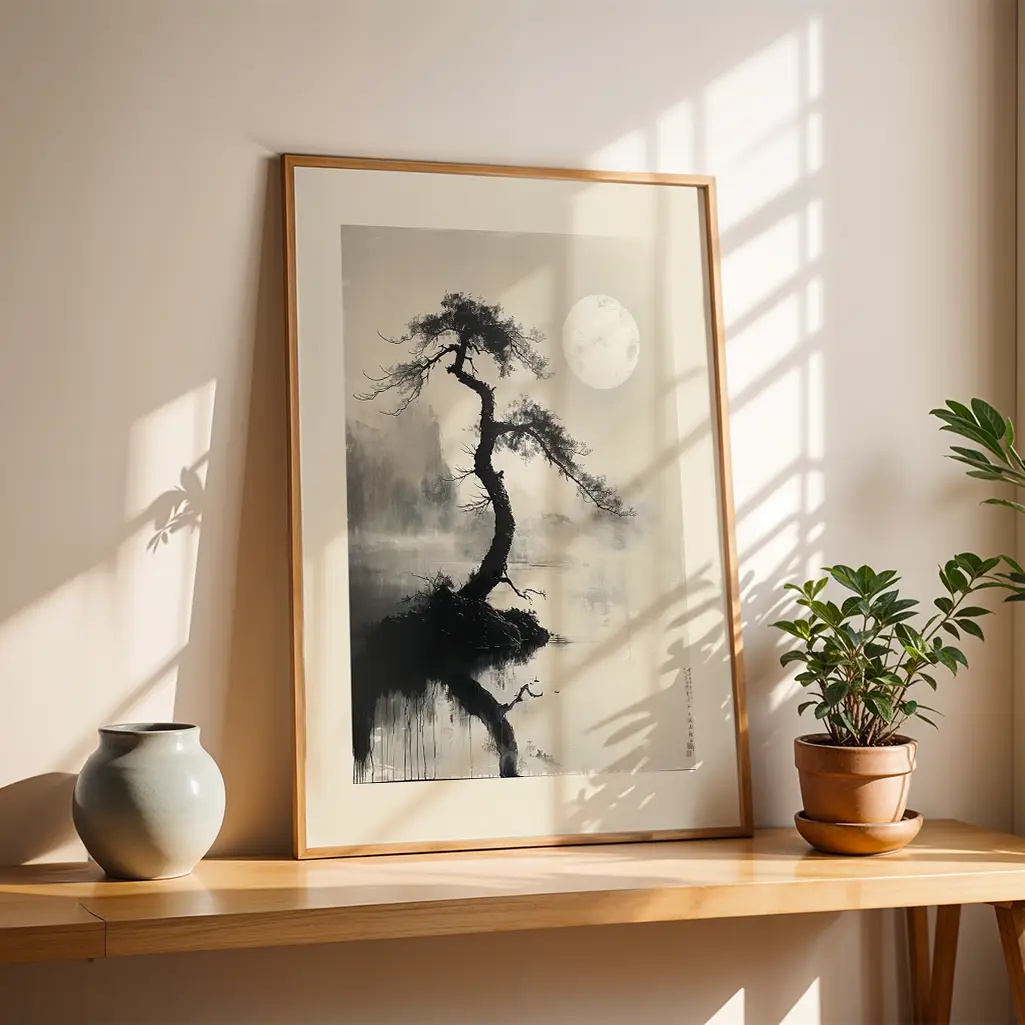
What Japandi Really Is (Beyond a Trend)
Japandi began as a social-media-ready portmanteau, but the idea reaches much deeper than a mash-up of aesthetics. It braids two cultures that have long revered simplicity, nature and craft, even if they approached those values from different latitudes and histories. When people say they want Japandi, what they often mean is that they are tired of living with visual noise and want a home that feels both composed and kind.Japanese interiors rest on the philosophy of "ma," the charged pause between things. It is the deliberate space that allows form to breathe and function to emerge. Scandinavian design brings its own attitude, a pragmatic humanism that insists that well-made chairs, honest materials and soft light are not luxuries but baselines for a decent life. Combined, you get rooms that are pared back but not forbidding, ordered yet not rigid.
Where some minimalism can veer into a kind of aesthetic austerity, Japandi leaves room for life to leak in. It allows a favorite mug to live on the table, provided that mug has been chosen with care and given enough air around it. The guiding question is never "How do I make this emptier" but "What here actually serves me, and how can it be placed with intention". The result aims less at cinematic perfection and more at a continuous, quiet livability.
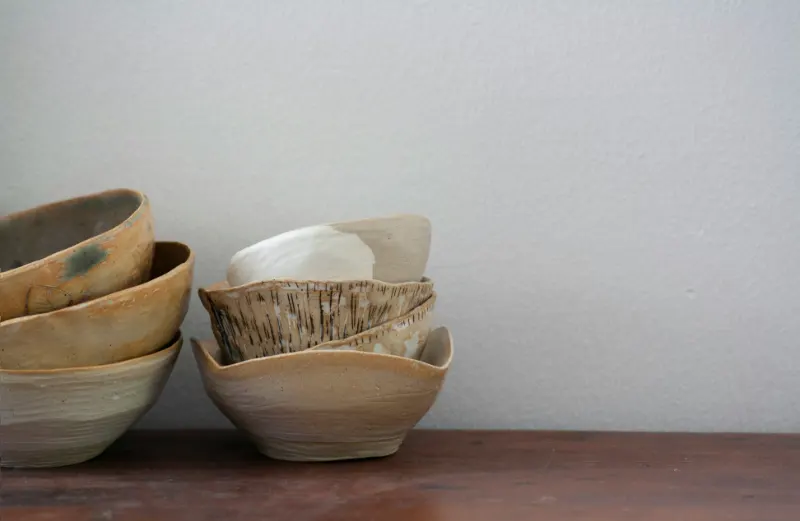
The style also draws energy from two complementary ideas of beauty. The Japanese concept of "wabi-sabi" finds grace in imperfection and age. A tabletop gains character from a hairline crack or a roughened edge, not despite these marks but because of them. Scandinavian hygge, often reduced to candles and blankets, is really a search for a gentle, shared comfort in everyday rituals. In Japandi, a slightly uneven stoneware bowl beside an orderly, pale wood console feels entirely at home. Together they say that life is both fragile and held.
So when you set out to get the look, the first task is not to buy anything. It is to decide what your home is supposed to hold space for. Is it slow mornings, focused work, unrushed dinners. Japandi is less a palette and more a filter, a way of allowing only what helps those rituals rise to the surface.
Materials, Color and the Art of Calm Function
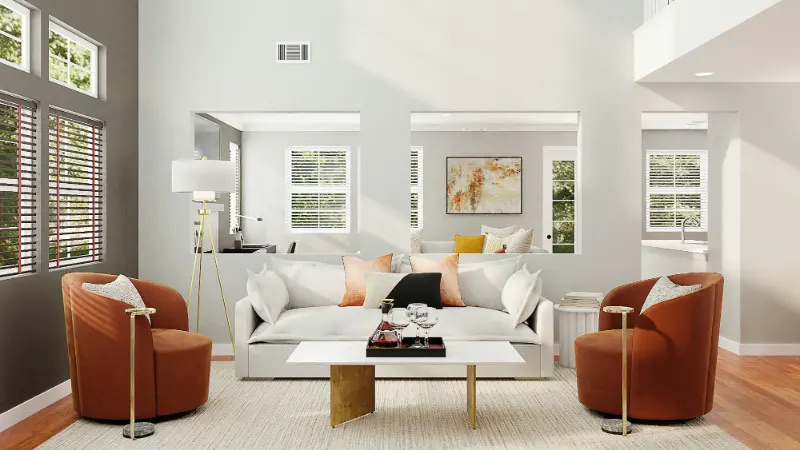
In practice, Japandi starts under your feet. Flooring and large surfaces do more emotional work than most accessories ever will. Light woods such as oak, ash and birch anchor the Scandinavian side, while lower, more grounded silhouettes nod toward Japanese tatami rooms and platform beds. A low, pale wood sofa frame with simple linen cushions already whispers Japandi before you add a single object.Color remains restrained but not monotonous. Think of an off-white that leans a little warm, like unbleached cotton, alongside clay, mushroom, soft charcoal and occasional inky black. These darker notes are not accents in the decorative sense but structural commas, giving the eye rhythm and rest. A black-framed reading lamp or a deep brown ceramic vase can prevent the room from dissolving into a beige blur.
Materials carry much of the emotional tone. Japandi favors what feels close to its original state. Wood should show grain, even if it is sanded smooth. Stone can be honed rather than highly polished. Textiles lean natural and tactile: linen that wrinkles, cotton that softens with washing, wool that has a slight tooth to it. They invite touch, which is important in a style that otherwise keeps visual chatter low.
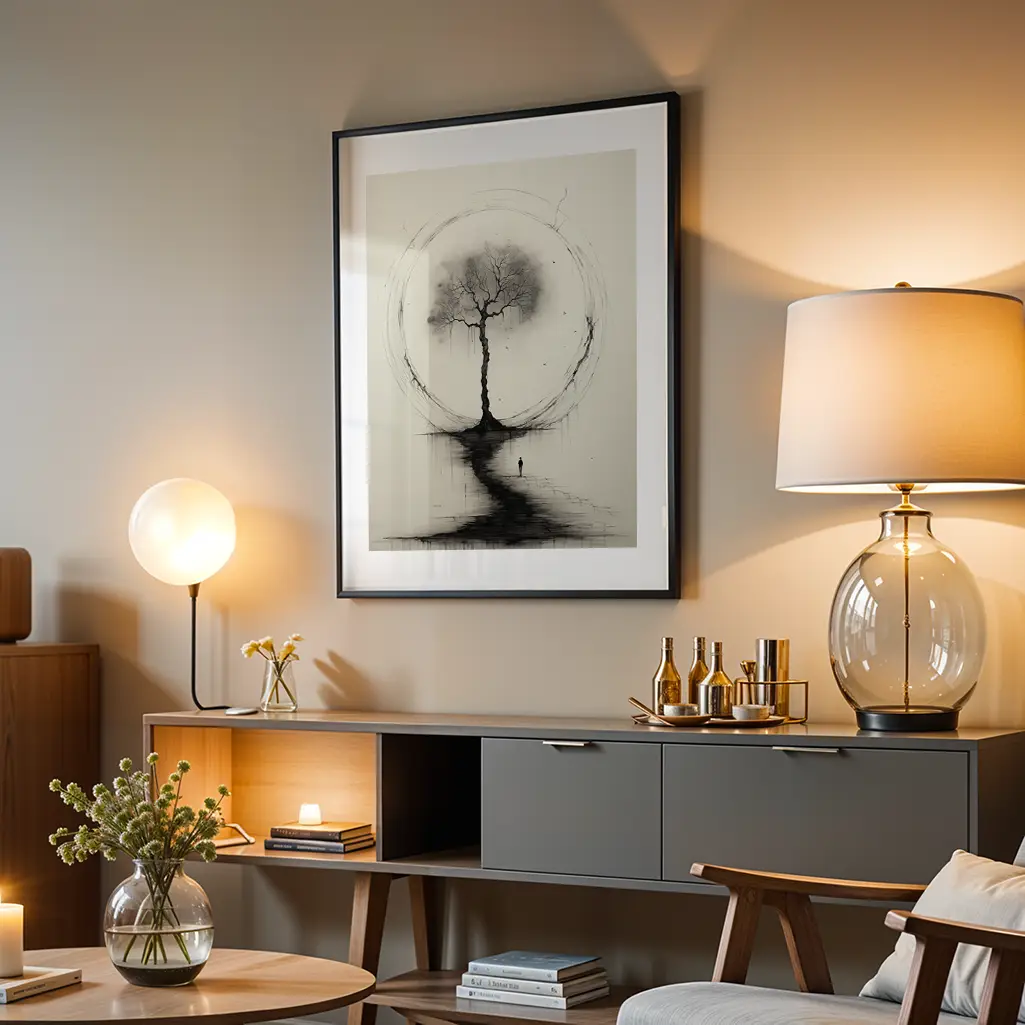
Storage is where the Scandinavian love of function meets the Japanese insistence on clarity. Closed storage keeps the background quiet, but Japandi tends to prefer pieces that read like furniture rather than built-in walls of blank cabinetry. A narrow sideboard in oak with visible joinery, or a low cabinet on legs, contributes to the architecture of the room. The message is that even the pieces that hide your clutter should be beautiful enough to earn their footprint.
Lighting may be the most underestimated ingredient. Overhead glare will flatten even the most carefully chosen palette. Japandi favors layered, low-intensity light: rice-paper pendants, linen shades, slender floor lamps with warm bulbs. Light is directed where life happens, leaving other corners softly dim. This allows your attention to gather, which is the real purpose of all this editing.
Plants enter the scene like punctuation, not paragraphs. Instead of filling every empty surface with greenery, select one or two sculptural forms and give them proper stage. A single branch in a tall cylinder vase on a dining table can do more for the space than a jungle of small pots. Again, "ma" applies; what matters is not only the plant but the slice of emptiness around it.
Editing, Imperfection and Living with the Look
The most challenging part of Japandi is not assembling the right ingredients but learning what to leave out. This is less a purge and more a slow negotiation with your belongings. Start by clearing one surface and then reintroduce only the things you actually touch or notice daily. That stack of books you keep meaning to read might belong on a shelf instead of the coffee table. The candle you always light can stay, but perhaps it does not need five companions.There is a risk, especially when following images online, of treating Japandi as a strict visual formula: one neutral rug, one black accent, one branch and you are done. But real homes resist formulas. The spirit of the style allows for the painting your aunt made, or the colorful textile you bought on a trip, as long as they are allowed to stand clearly and are not drowned in competition. The question to ask is whether each item introduces noise or a note of meaning.
Embracing wabi-sabi means accepting a floorboard that has taken on a deeper tone near the window or a coffee table that bears a subtle ring from a careless cup. These signs can keep a minimalist room from feeling museum-like. They remind you that the space is in conversation with time. Scandinavian design’s pragmatism agrees; a home that cannot withstand daily life has missed the point.
Over time, living with Japandi often shifts how you make decisions beyond decor. You become more suspicious of impulse purchases, more drawn to pieces that can move with you from apartment to house, from one phase of life to another. You might save longer for a solid wood dining table and then live with folding chairs until you find the right ones, rather than filling the gap with something that does not sit well with your emerging sense of calm.
In the end, getting the Japandi look is less about mastering a style and more about cultivating a certain tempo in your home. It is an invitation to design for exhale: fewer objects, more air, honest materials, quieter color, and a tolerance for the gentle disorder that proves someone lives there. The goal is not a forever-perfect room but a space that keeps making it easier, day after day, to notice what you actually need and to let the rest quietly fall away.