The Quiet Science Behind Linen’s Calm
Linen decor has a way of making a room exhale. A linen curtain moves and the whole space seems to slow down by a fraction of a second, as if someone lowered the volume on daily life. That calm is not accidental. It begins with what linen is and how it behaves in a room.Linen is made from the fibers of the flax plant, one of the oldest cultivated materials in human history. Compared with the glassy smoothness of synthetics or the tight evenness of high thread count cotton, linen threads are slightly thicker, slubbier, and more irregular. Under your fingertips, that texture registers as real, almost like the difference between walking on a forest path and a paved sidewalk. Your nervous system recognizes it as natural, and the body tends to soften in response.
On a microscopic level, those irregular fibers scatter light rather than reflecting it harshly. When you hang linen drapes, light does not bounce around the room in hard streaks. It is sifted, dispersed, and given a soft edge. The result is a quieter visual field. Your eyes do less work because they are not constantly adjusting to harsh contrasts and sharp reflections, and that reduced visual noise often registers as emotional calm.
Linen also has a surprisingly effective way with sound. A room filled with hard surfaces, from leather sofas to lacquered tables, tends to amplify echoes. Linen upholstery, cushions, and throws do not swallow sound completely, but they absorb enough to take the high pitch off everyday clatter. Conversations lose their brittle edge; a phone notification sounds less invasive. Over time that change in acoustic texture makes a room feel safer and gentler.
There is a temperature element as well. Linen fibers are hollow and breathable. They wick moisture and release heat more readily than many other common decor fabrics, which is why a linen slipcovered sofa never has the faintly clammy sensation of vinyl or polyester on warm days. When your body is not fighting subtle temperature discomforts, you experience the room as more hospitable, even if you are not consciously aware of why.
Psychologically, linen carries the weight of its history. It has dressed monastic cells and Mediterranean houses, the simplest of peasant rooms and the most refined Nordic interiors. Across cultures it is associated with modesty, cleanliness, and a kind of unshowy refinement. Bringing linen decor into a home often feels like aligning with that lineage of quiet simplicity rather than with the churn of short lived trends. That narrative alone can make a room feel calmer, because it suggests you do not have to keep up with anything; you have chosen something that is meant to last.
The Beauty of Imperfection and How to Use It
Part of why linen decor feels so restful is that it refuses to be perfect in the way glossy magazines often suggest perfection should look. Linen wrinkles. It softens and drapes in unexpected ways. Seams may wave slightly; hems may not hang like rulers. Yet that looseness offers a subtle psychological permission slip. If the sofa is a bit rumpled, the person sitting on it is allowed to be rumpled too.Perfection in interiors can produce a kind of low level stress. When every surface is polished and every object aligns to a grid, you are constantly managing yourself to avoid disturbing the arrangement. Linen pushes the aesthetic in the opposite direction. A crumpled linen pillow still looks intentional, even inviting. A casually thrown linen throw does not read as mess; it reads as life. The message is that the room is for living, not for staging.
There is a visual rhythm to linen’s so called imperfections. The small slubs and variations in the yarn break up large flat areas into a field of almost invisible irregularities. The eye can wander without snagging on any one shouting detail. This is similar to why we tend to find stone, sand, and clouds soothing: the pattern is never exactly even, but it is consistently gentle. Linen brings a version of that natural randomness indoors.
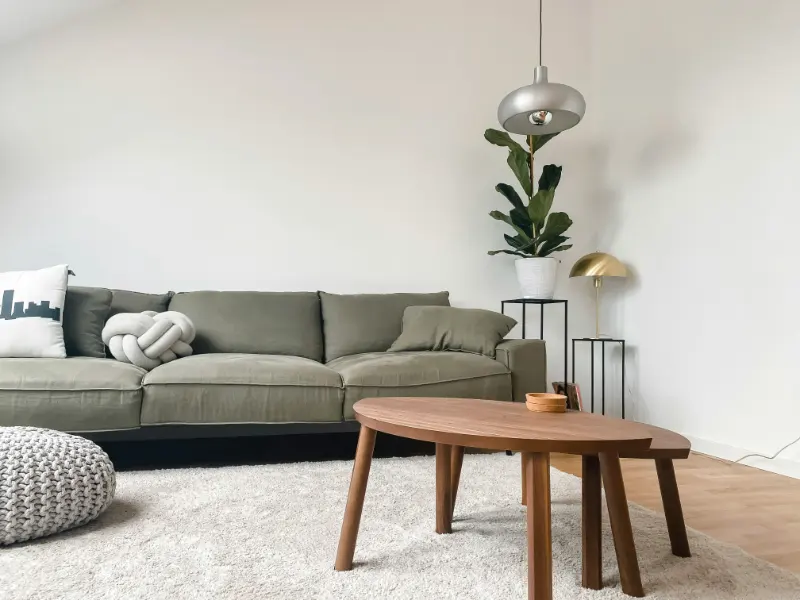
If you want to use linen decor to calm a space, consider starting with the largest surfaces that your body touches. A linen duvet cover can make a bedroom feel like a retreat simply by adjusting the tactility of the bed. The same mattress, with the same amount of light in the room, feels less sharp edged when wrapped in a slightly weighty, cool to the touch linen. In a living room, a linen slipcover over an existing sofa softens both the silhouette and the experience. Even if the underlying frame is angular, the fabric rounds the corners visually.
Color matters as much as fabric. Linen takes dye in a muted, slightly dusty way, as if every color has been filtered through a thin veil of air. Off whites, stone grays, and soft earth tones feel particularly at home on linen because the material’s matte surface keeps them from becoming flat or chalky. When you choose these hues for curtains or large cushions, you create a background that supports rather than competes with the rest of your decor, which can reduce the sense of visual agitation.
Designing a Calmer Home with Linen Decor
The most effective use of linen is not as a decorative accent but as a quiet foundation. Think of it as a canvas that allows other pieces to breathe. A dining table wrapped in a heavy linen cloth instantly looks less formal and more welcoming, even if you are serving takeout instead of a multi course meal. People linger longer at tables like this because the environment tells them that staying is expected.In small spaces, linen can prevent the feeling of being overfurnished. A compact apartment with a linen curtain instead of a door between rooms feels less cramped because the fabric moves, admits shifting light, and suggests permeability. Likewise, a simple linen covered headboard in a narrow bedroom softens the visual bulk of the bed, turning it into a cloudlike anchor rather than a hard block.
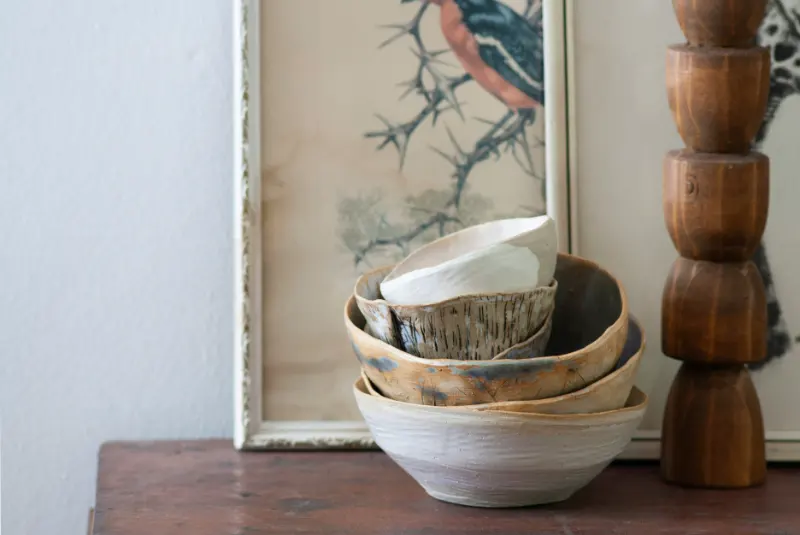
It is also useful to pay attention to contrast. Linen decor pairs beautifully with woods that show grain, ceramics with a bit of wobble, and metal with a brushed or patinated finish. Together they build an environment of layered softness instead of stark opposites. When you place linen next to high gloss surfaces or mirror bright metals, the contrast can be exciting, but it pulls the room back toward drama and away from quiet. Deciding how calm you want a room to feel means deciding how much of that contrast you allow.
Over time, linen records the life of a household. It softens where people sit most often, fades slightly in the places where the sun is kindest, and gains a patina that is more story than stain. This living quality is at the heart of why linen feels so reassuring. You are not fighting to keep it frozen in its original state. Instead, you are watching it evolve with you, and that makes the home feel less like a showroom and more like a landscape you inhabit.
Ultimately, the calming power of linen decor lies in its invitation to slow down your expectations. It tells you that creases are allowed, that softness can be strong, and that a room is at its best when it accommodates your actual life. When you choose linen, you are making a quiet design decision that your home does not have to shout to feel complete. It only has to breathe.