Reading the Room Before You Hang Anything
Your living room walls are often treated as blank space to be filled, but they behave more like a second conversation happening behind the furniture. Before you choose a single frame, it helps to decide what you want that conversation to say. The easiest way to do this is to anchor your choices in an existing or desired interior style, then let the art quietly echo that language instead of shouting over it.Start by noticing three things: the dominant lines, the textures and the mood. A room with low, horizontal sofas and long coffee tables tends to feel modern. One with turned wood legs and soft curves leans traditional. Linen, cane and pale woods hint at Scandinavian or coastal influences, while metal, concrete and leather push toward industrial. The mood can be as simple as “bright and awake” or “dim and cocoon-like.” You do not need textbook labels; you just need a direction.
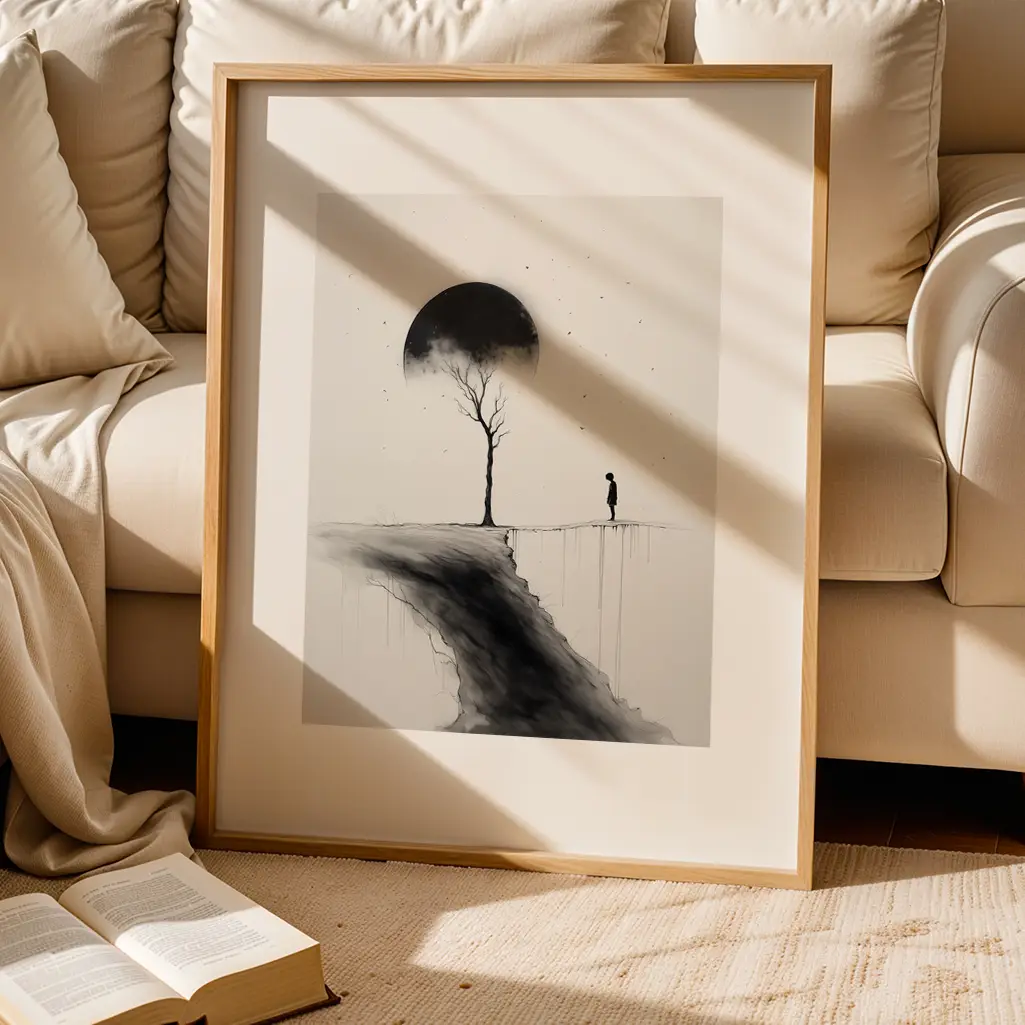
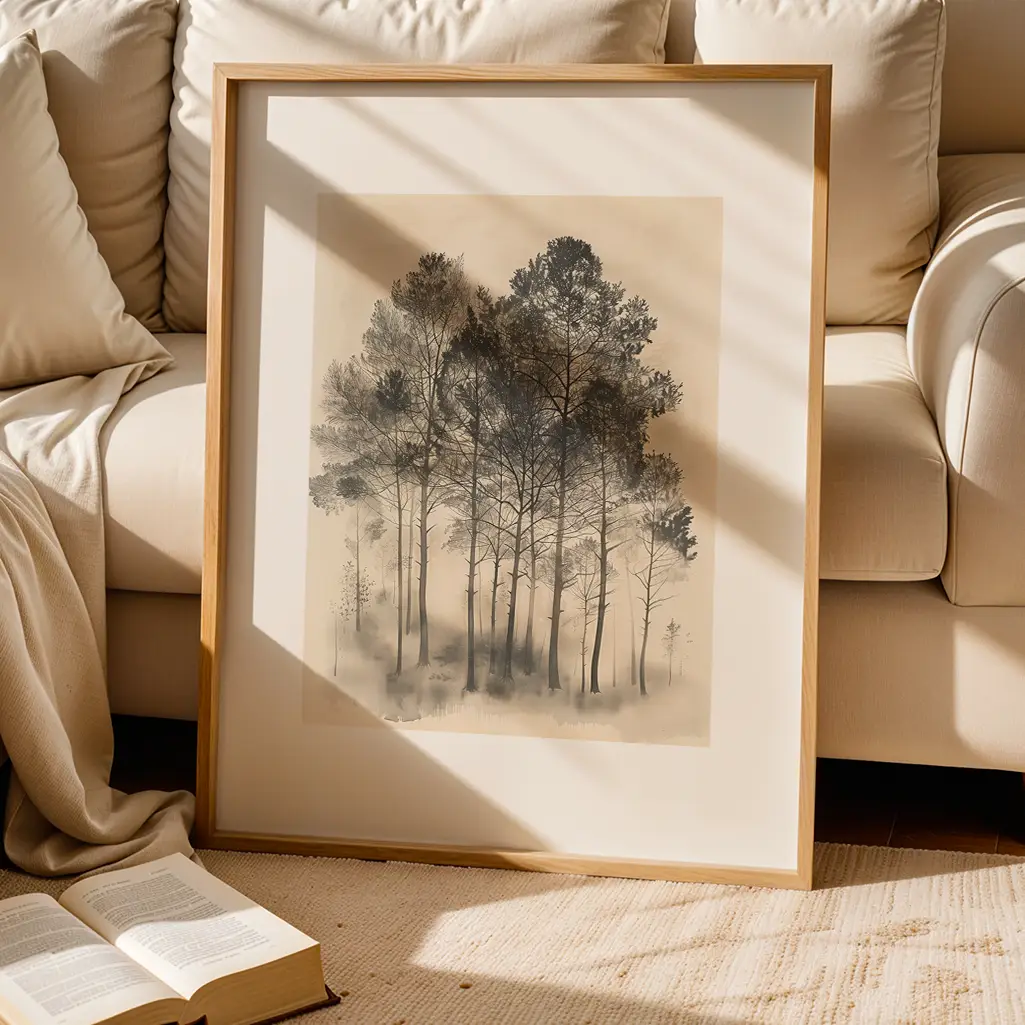
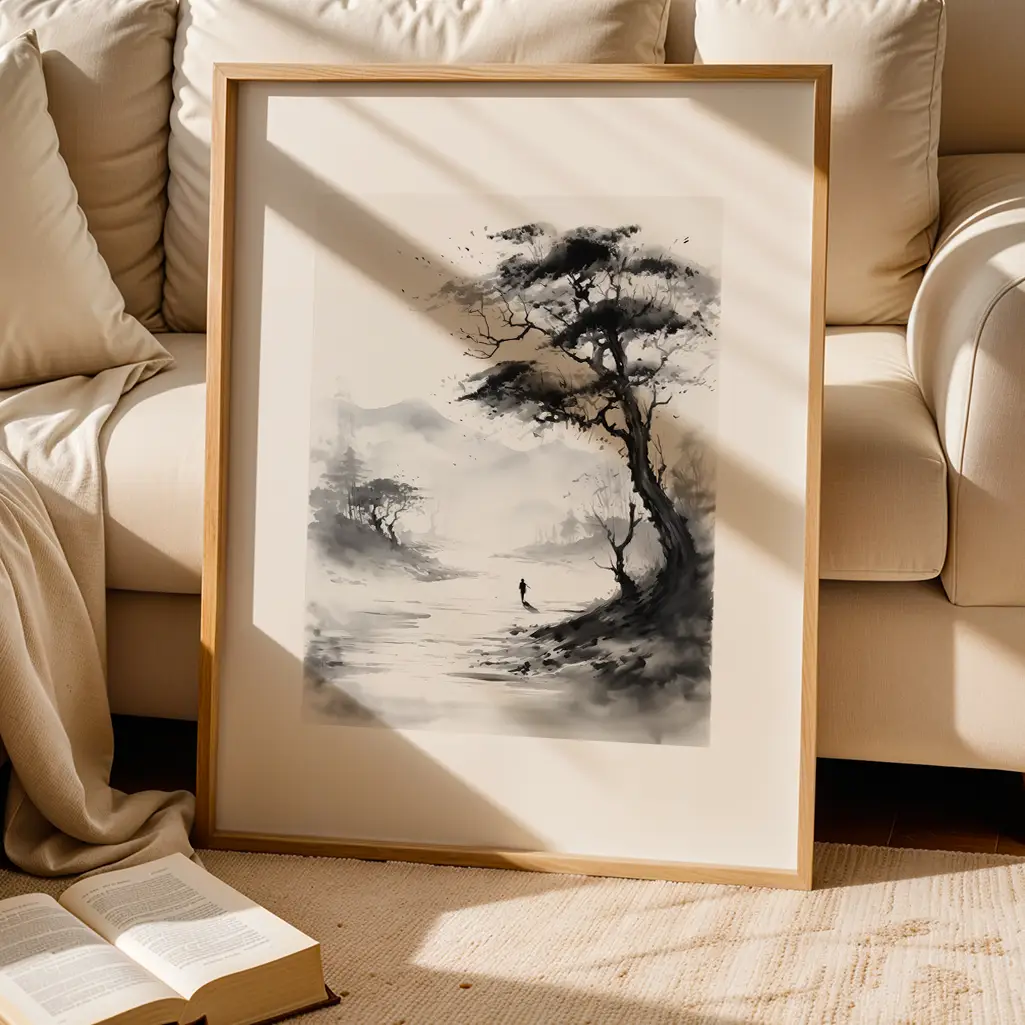
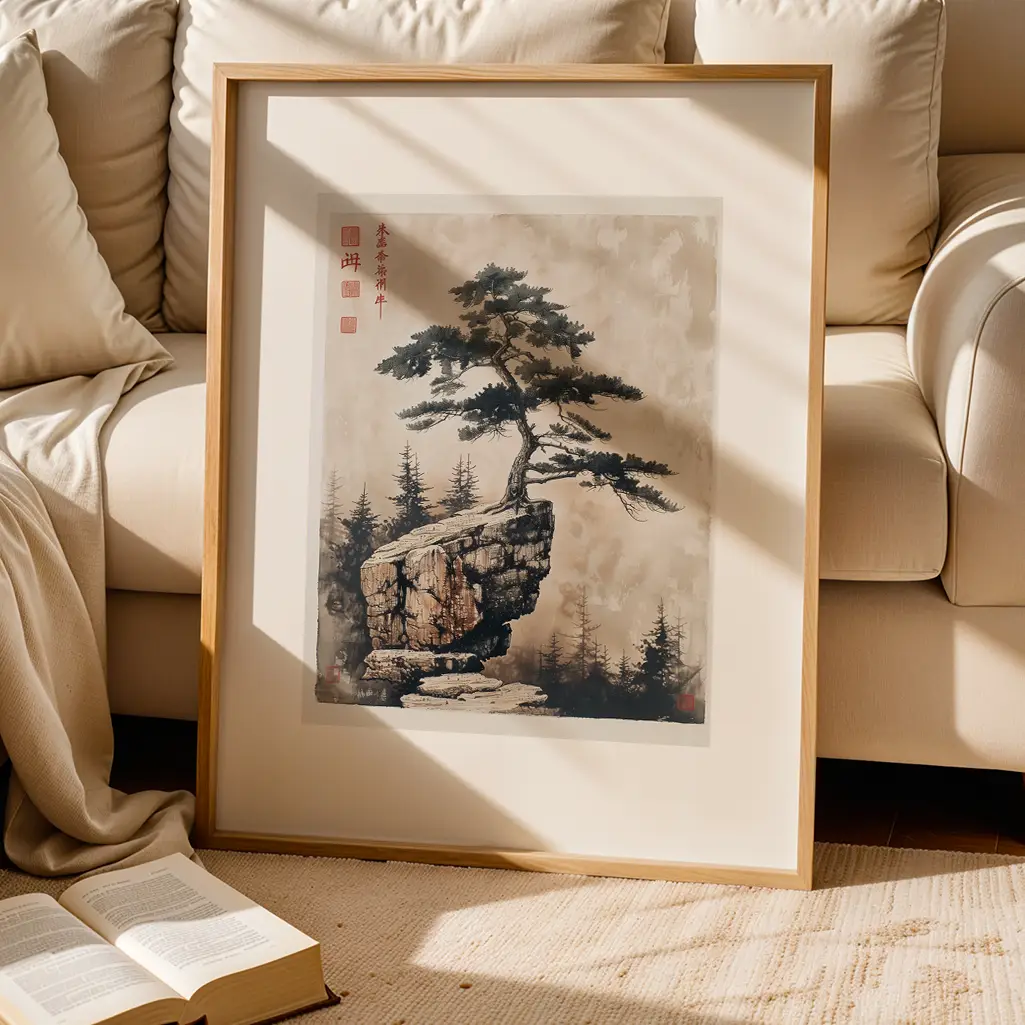
Once you have that direction, your wall art becomes less about the image itself and more about its relationship to what already exists. A botanical print in a sleek black frame will read differently in a classical room than in a stark, minimalist one. The same photograph, framed in warm oak and floated with generous white matting, can slip into a soft, Nordic space. In practice, this means you can work with pieces you already own, adjusting scale, framing and placement so they align with the style story, rather than shopping for an entirely new collection.
It also helps to think in terms of families rather than one-off purchases. Wall art that shares a visual thread, whether it is color temperature, subject, or frame finish, will feel intentional even if it was collected over years. When you are unsure, err toward fewer colors, larger pieces and simpler framing; this slows the visual tempo of the room and lets the furnishings and natural light do more of the work.
Matching Art to Modern, Minimal and Scandinavian Spaces
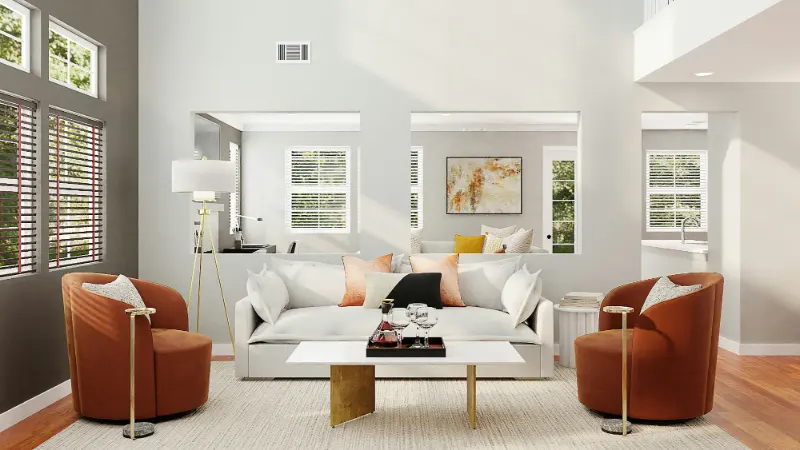
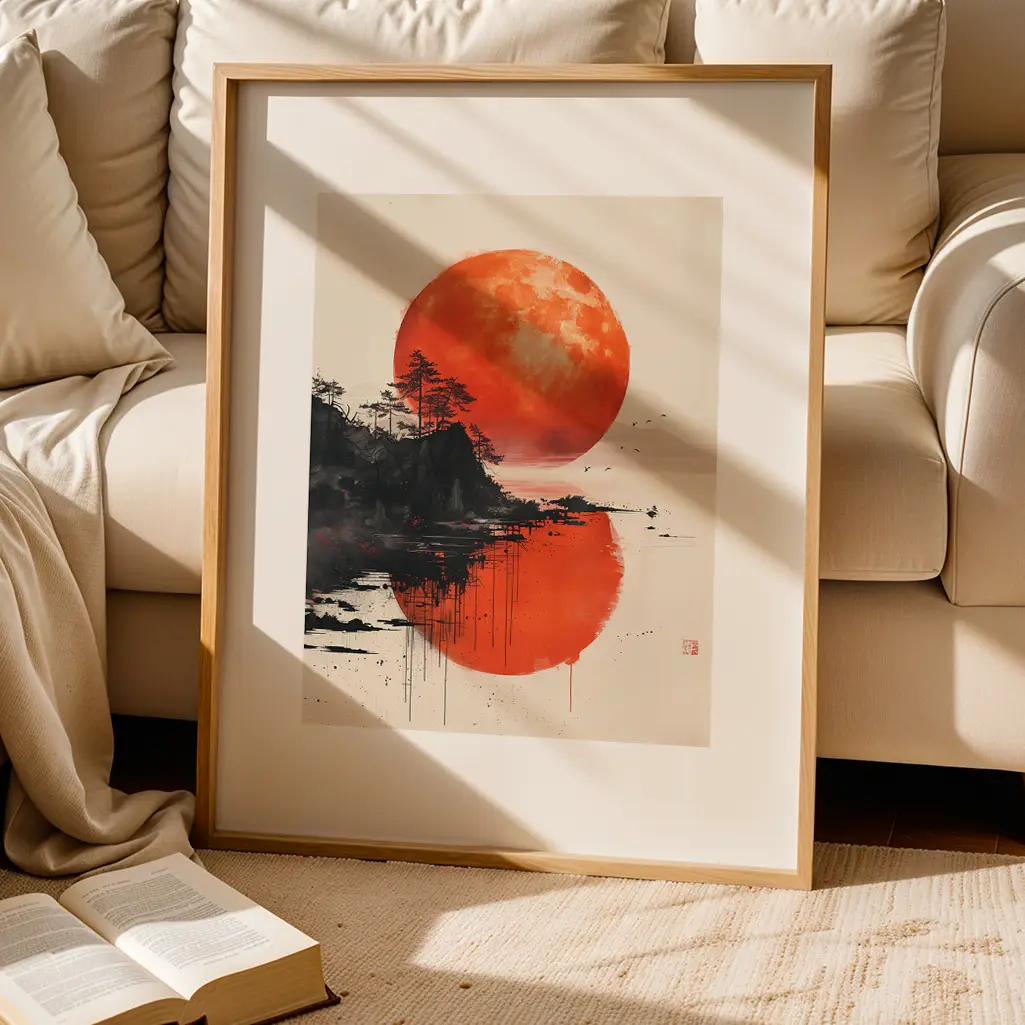
Modern and minimal interiors are often defined less by what is present and more by what is edited out. Wall art in these rooms has the difficult role of adding character without clutter. A single large piece above the sofa usually feels calmer than a busy gallery wall. Look for works with clear, legible forms from across the room. This might be a bold abstract with one or two strong shapes, or a high contrast photograph with a simple composition.In a minimalist setting, color behaves like sound in a quiet house. A mostly neutral painting with one saturated stripe can become enough of a focal point that you do not need additional pieces. If your sofa and rug are already dark, consider art with more negative space, allowing the wall color to show through and act as a soft halo around the work. Float mounting or wide matting gives the eye a place to rest between the intensity of the image and the clean lines of the architecture.
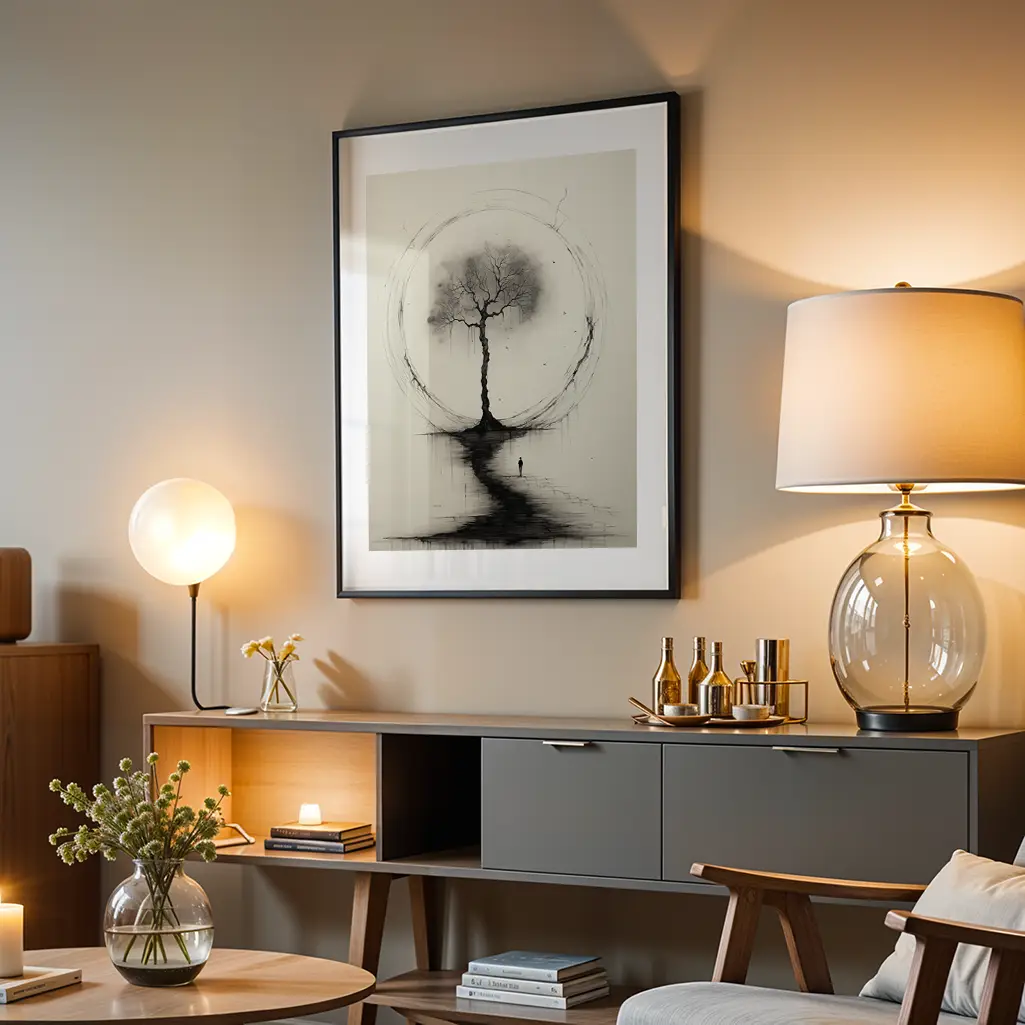
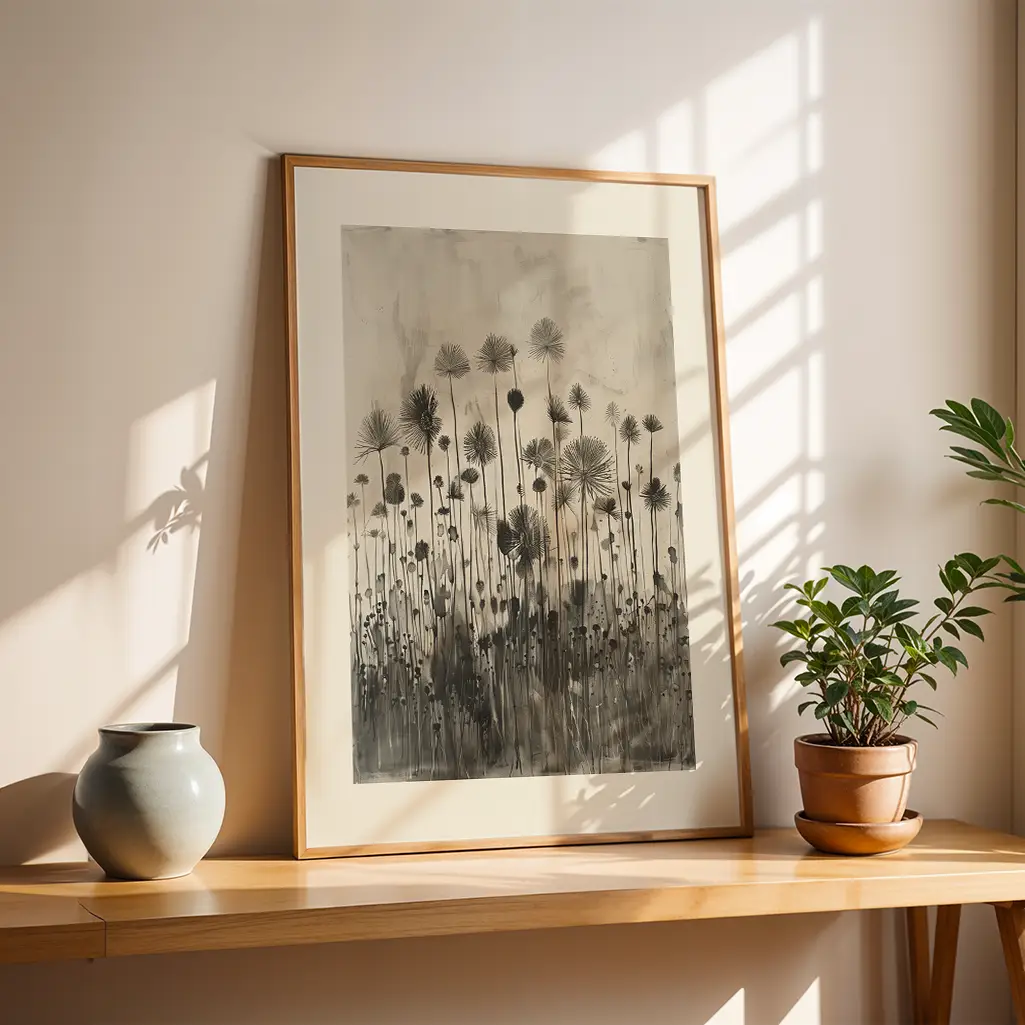
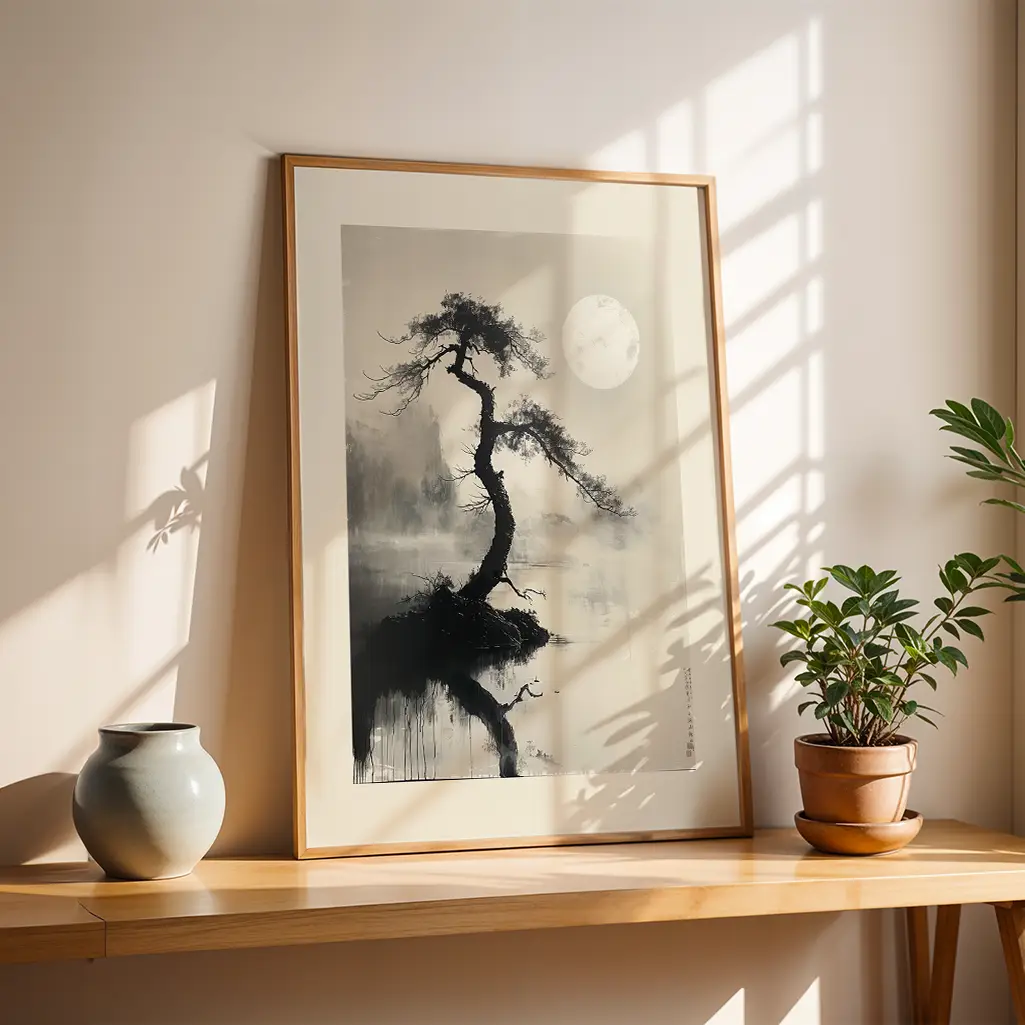
Scandinavian inspired rooms ask for a slightly different nuance. They tend to be bright but gentle, with pale woods, white walls and textures that invite touch. Art here often works best when it feels like an extension of nature brought indoors. Think “quiet landscapes,” line drawings, pressed botanicals and photography of ordinary objects treated with respect. The palette can stay largely within soft blacks, warm grays, muted blues and gentle browns, occasionally punctuated by a single color that echoes a throw or cushion.
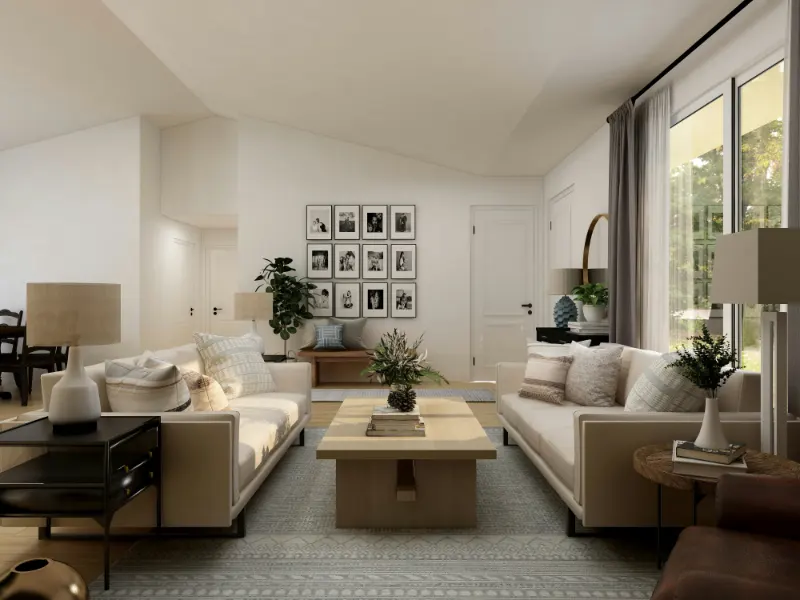
When hanging in these spaces, pay attention to height and breathing room. Art centered at eye level will feel more relaxed than pieces that drift upward in search of unused wall. Leave enough space between frames so that each work reads as its own thought. If you do choose a small grouping, keep the frames related in tone, as though they were all variations on one material. The aim is to let the walls hum with quiet interest rather than chatter.
Traditional, Eclectic and Bohemian Walls with Intent
Traditional and eclectic interiors are often where the urge to hang everything at once becomes strongest. Patterned textiles, heirloom furniture and layered objects suggest that the walls should be just as full. They can be, but fullness does not have to mean chaos. In a traditional room, think of your wall as a formal arrangement, even when the art itself is casual. Pairs and symmetrical groupings work especially well here. Two landscapes in similar frames flanking a mirror can calm an ornate mantel. A grid of botanical prints brings structure to a room with curving, carved furniture.Frame choice is crucial. Gilded or dark wood frames can echo the weight of traditional pieces, but you can keep the mood from feeling heavy by varying the mat size. Generous mats around smaller images introduce lightness and give older works some breathing space. Consider mixing family portraits, sketches and oil paintings within a single palette of frames rather than scattering them across styles; this creates the feeling of a collected history rather than a random collage.
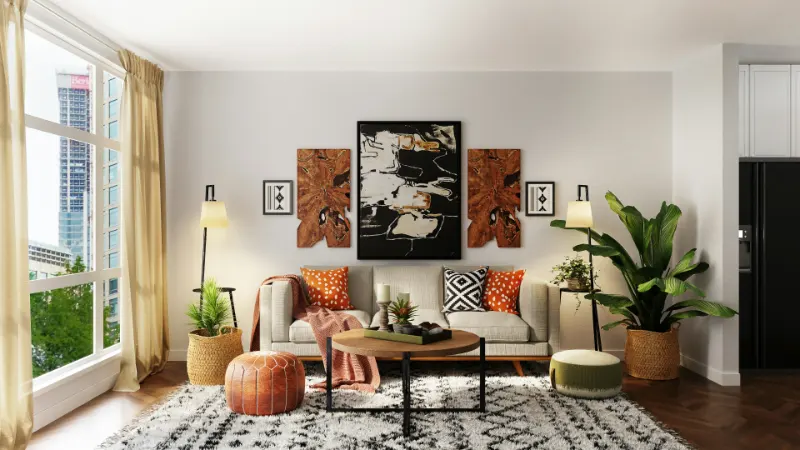
Eclectic and bohemian leaning rooms invite more freedom, yet they benefit from a hidden logic. Instead of matching frames, you might connect works through color or theme. A woven wall hanging, a small painting picked up while traveling and a black and white photograph can coexist if they share one element, such as warm earth tones or repeating circular shapes. The wall becomes a kind of “visual diary,” but a curated one.
When creating a gallery wall in these styles, start on the floor. Lay out the pieces and look for a visual anchor, usually the largest or darkest work. Build outward with smaller pieces, staying roughly within an invisible rectangle. Irregular edges are fine as long as the overall shape feels gravitational rather than scattered. Once on the wall, the collection should echo the energy of the room without overwhelming it. If your textiles and objects are already exuberant, edit ruthlessly. If the furnishings are simpler, your art can take the lead.
Across all styles, the deepest shift happens when you stop treating wall art as decor and start treating it as a tool for adjusting how the room feels. Calm, energized, nostalgic, expansive. Residential spaces do not need museum quality pieces; they need works that quietly align with their architecture, light and furniture. When your walls and your style are in conversation rather than competition, the room starts to feel like it finally exhaled.