
The Quiet Architecture of Light
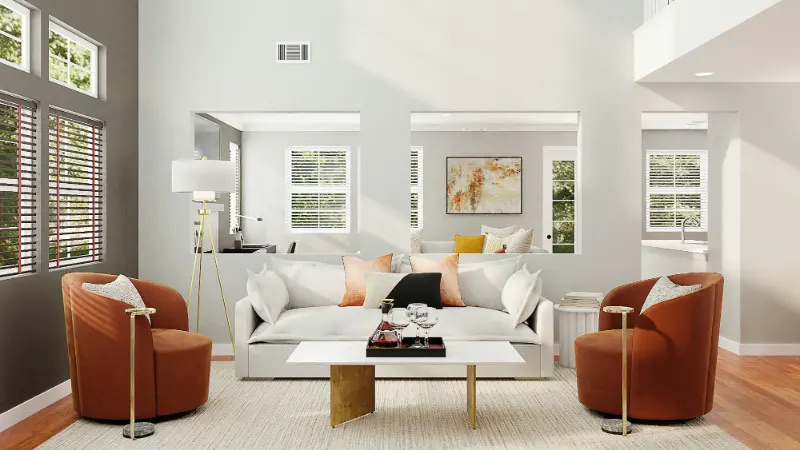
Mediterranean interior style is less a set of rules than a way of receiving light. Homes from Greece to Spain and Italy evolved as instruments for softening a hard sun and cooling heavy heat. When you design with that in mind, your rooms begin to feel calmer, even if you live far from any sea.The architecture of this look is deceptively simple. Walls tend toward solid planes rather than visual noise, often in white or warm neutrals that bounce light rather than swallow it. Think of the wall as a reflector, not a backdrop for clutter. Visual weight stays low: floors are sturdy and grounding, ceilings visually light, furniture frames raised on legs so air and light can pass underneath. When you stand in such a room, there is a sense of space breathing around you.
Color plays a precise role in this atmosphere. Mediterranean interiors are not randomly colorful; they are edited, like a landscape at a certain hour of the day. The base palette is quiet: chalky whites, sand, oat, pale stone. Onto this, color appears in doses that recall what you would see from a shaded terrace. Deep sea blues, mineral greens, terracotta, sun-baked ochre, the muted plum of a fig skin. These hues are rarely glossy; they arrive softened, as if bleached slightly by years of light.
To bring this into your own home, begin by asking how light actually moves through your space. Notice the brightest wall at midday; this is often where white or off-white will do the most work, scattering illumination into darker corners. In a dimmer room, you may get more warmth from a creamy, slightly yellowed neutral rather than a stark gallery white. Mediterranean style is not about making everything bright; it is about allowing whatever light you have to feel generous.
Once the base is set, decide where your color will live. In a small bedroom, one band of blue at the window frame can be enough to shift the mood. In a living room, a terracotta linen sofa or a single washed indigo rug can supply all the saturation you need. The test is this: if you mentally remove the colored pieces, the room should still feel composed. Mediterranean color acts like spice, not the entire meal.
Texture and shadow deepen the experience. Rough plaster, limewash, or even a matte paint with a bit of movement can keep large surfaces from feeling flat. When light skims across these imperfect planes, it throws subtle shadows that make the room feel more alive. If changing finishes is not possible, you can borrow the same effect through layered textiles: gauzy curtains that break the sun into soft bands, a nubby cotton throw over a too-smooth sofa, a woven runner where the floor feels cold or echoing.
Materials that Breathe with Time
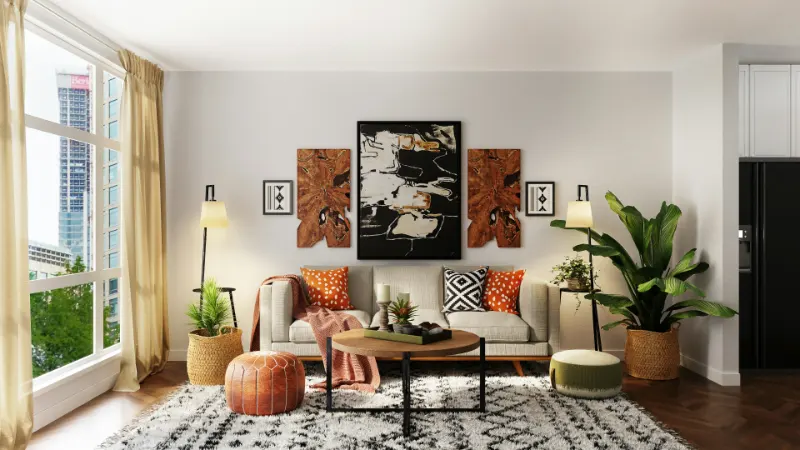
If the colors in Mediterranean style are borrowed from the horizon, the materials are borrowed from the ground underfoot. Stone, clay, wood, and metal form a quiet chorus. The logic is practical as well as aesthetic: these materials age well, cool in summer, and accept patina rather than resisting it. Together, they create a kind of visual honesty that is soothing in an age of surfaces that try too hard to be something else.Floors are key. Traditional Mediterranean homes lean on stone, terracotta, or weathered wood. You may not be replacing floors, but you can still borrow the feeling. A flat-woven wool rug in earth tones, a jute or sisal runner, or even a simple cotton dhurrie introduces that dry, tactile character. The point is to avoid plush, high-pile pieces that trap light and air; you want surfaces that feel close to the earth and invite bare feet.
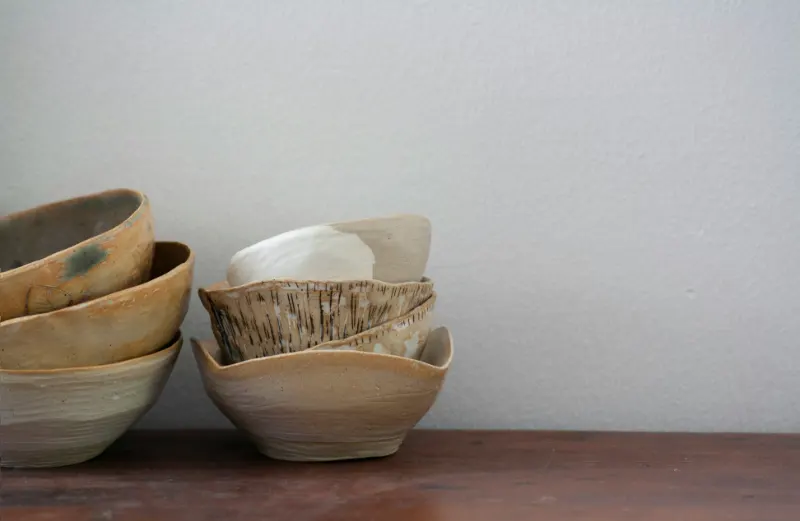
At the level of the hand, favor materials that are honest about what they are. Clay pottery, even if imperfect, looks at home in this style because its irregularities catch the light. Glazed tiles in blue or green can act as accents, perhaps as a small backsplash, a tabletop insert, or a tray. When the sun hits them, they send back a discreet shimmer, like water glimpsed from a distance.
Wood, too, has its own dialect here. Rather than gleaming mahogany, think of softer, sun-faded tones: oak, ash, pine that has been limed or naturally worn. The finish can be matte or lightly waxed, more about touch than shine. A simple wooden bench by a window can feel more Mediterranean than an ornate armchair, because it echoes the functional humility of old coastal houses where each piece earned its keep.
Metal shows up in touches: blackened iron in a slim floor lamp, a simple curtain rod, or a trio of hooks by the door. Brass and bronze appear in small, burnished notes rather than polished spectacle. When possible, let these pieces gather fingerprints and age. A Mediterranean room becomes more itself not when it is perfect, but when it reveals how you live.
Plants and natural fibers complete the conversation between inside and outside. Olive trees, rosemary, or lavender in pots will not thrive in every climate, but you can mimic their presence with silvery-green foliage and simple terracotta containers. Avoid overly stylized planters; the clay itself is part of the visual vocabulary. Nearby, baskets of woven palm or rattan can hold throws, shoes, or firewood, functional objects that double as texture.
The cumulative effect of these materials is a home that feels cool, tactile, and quietly grounded. As you layer them, listen for balance. Too much stone and metal without linen or cotton can feel severe; too many textiles without a counterpoint of wood and clay can become vague. When the materials feel like a walk across a sunlit courtyard, from tile to shadow to a rough bench and back to light, you are close.
Composing Mood: Simplicity, Air, and Ritual
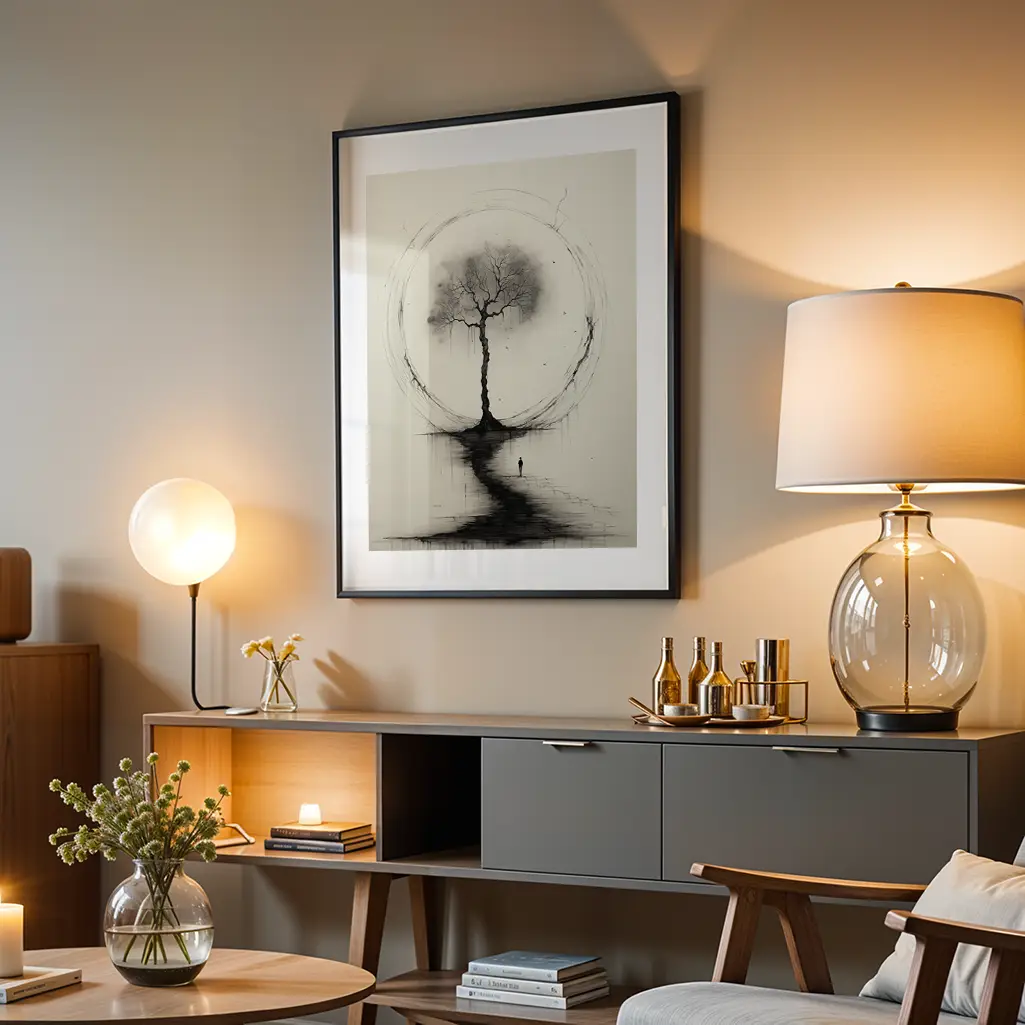
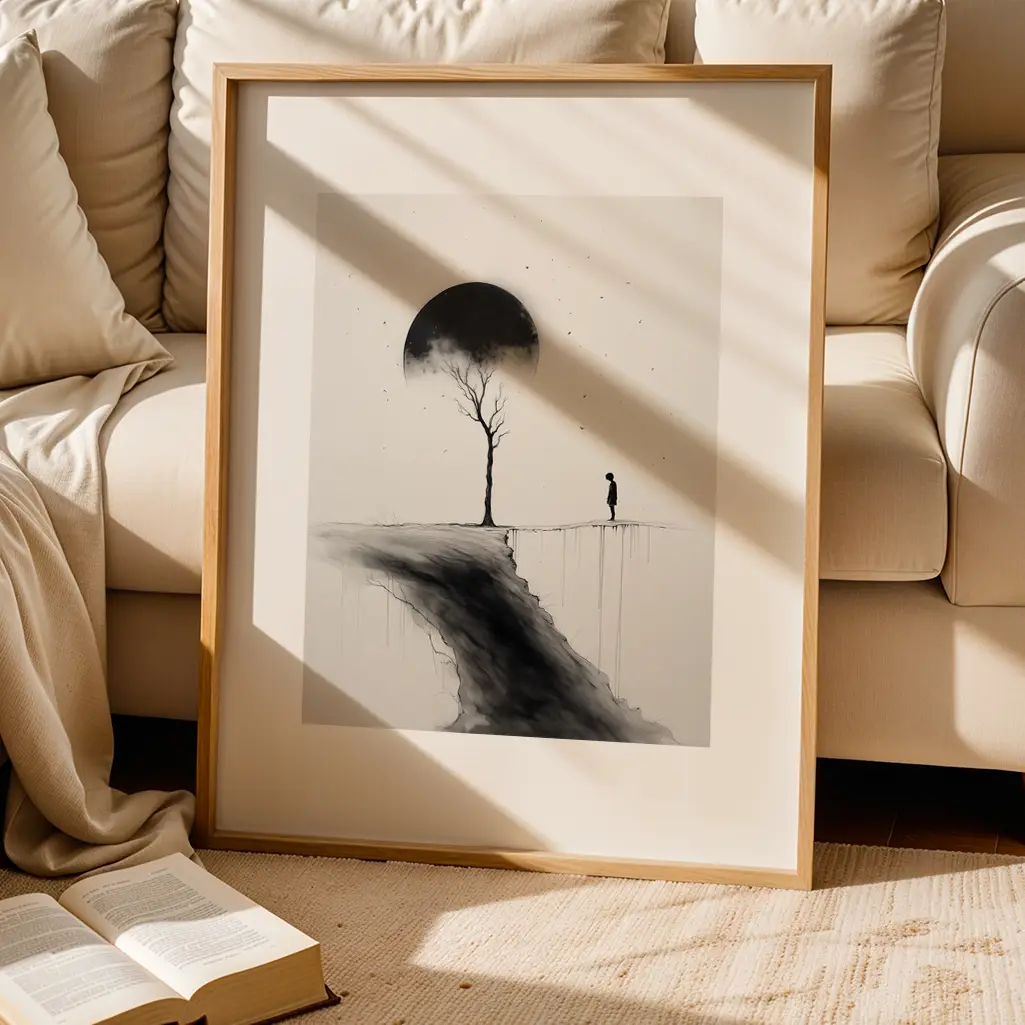
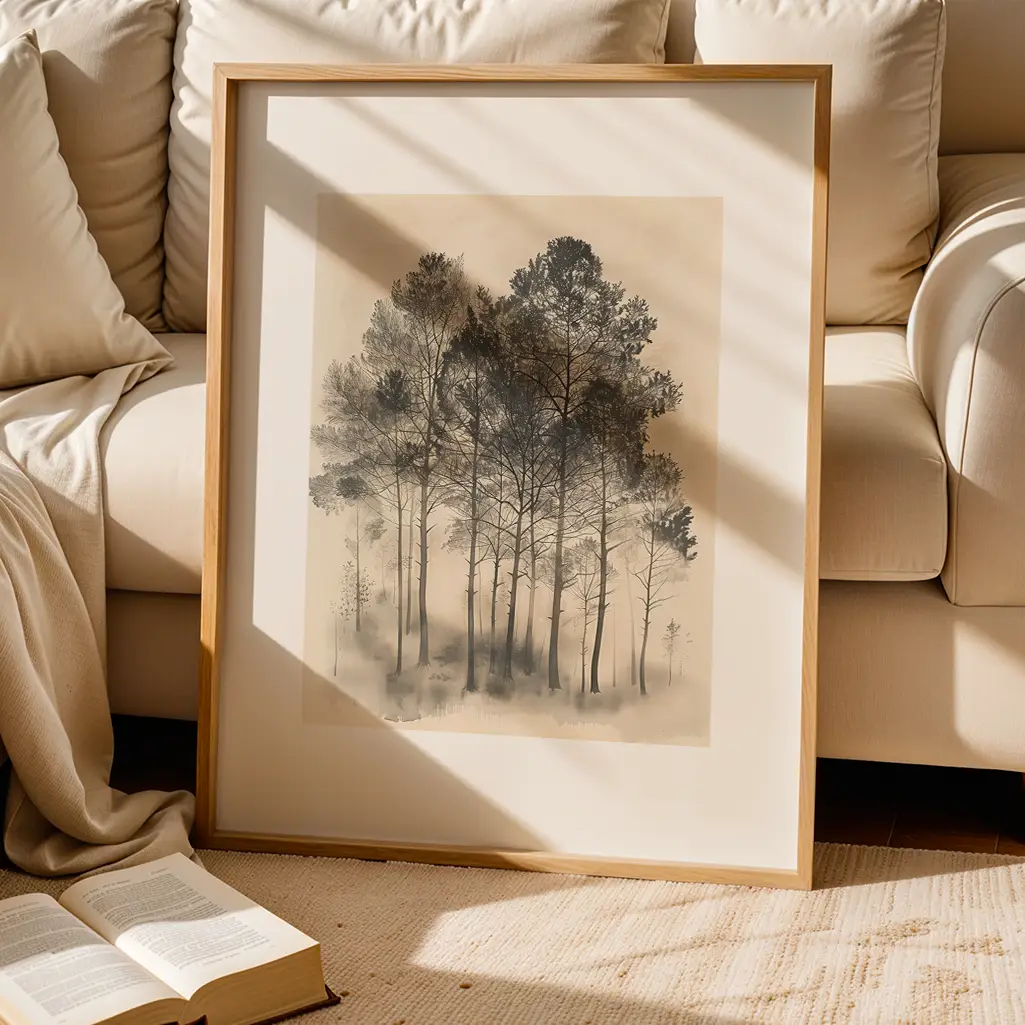
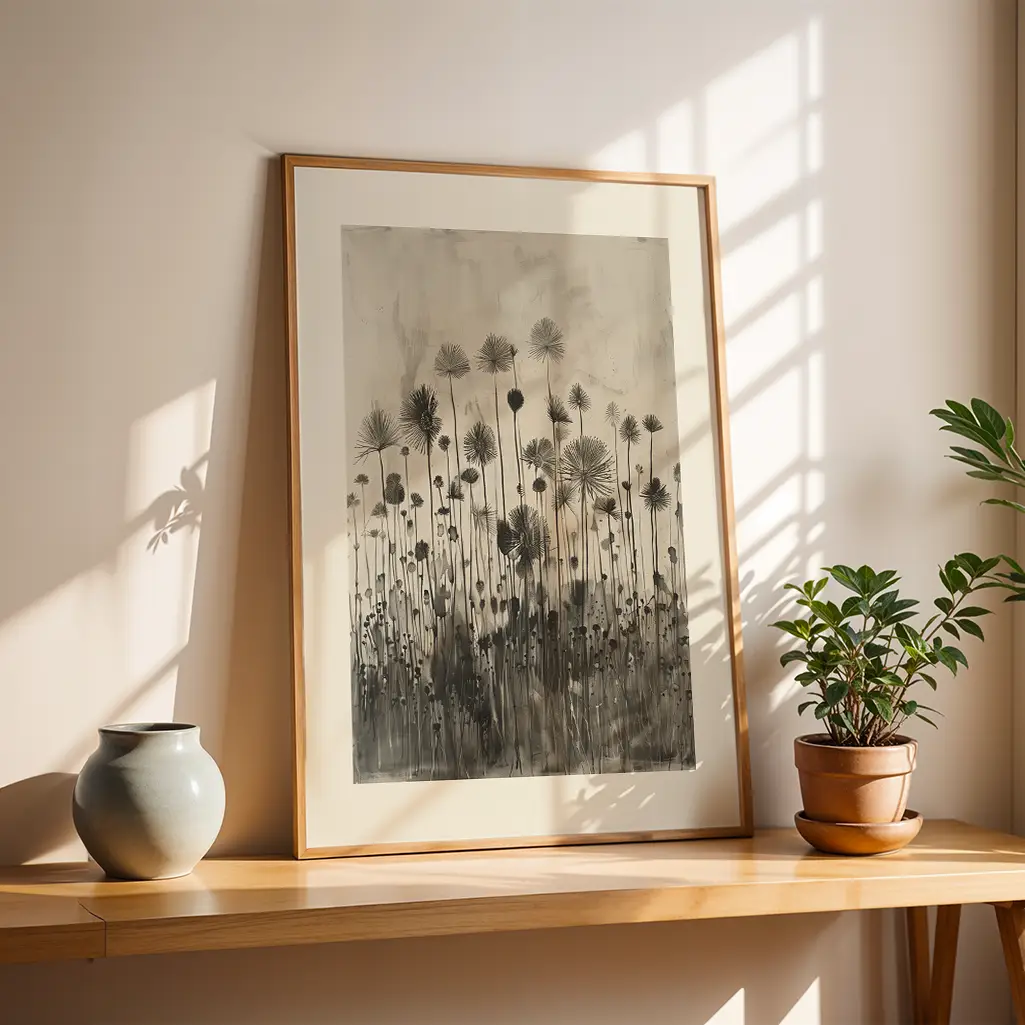
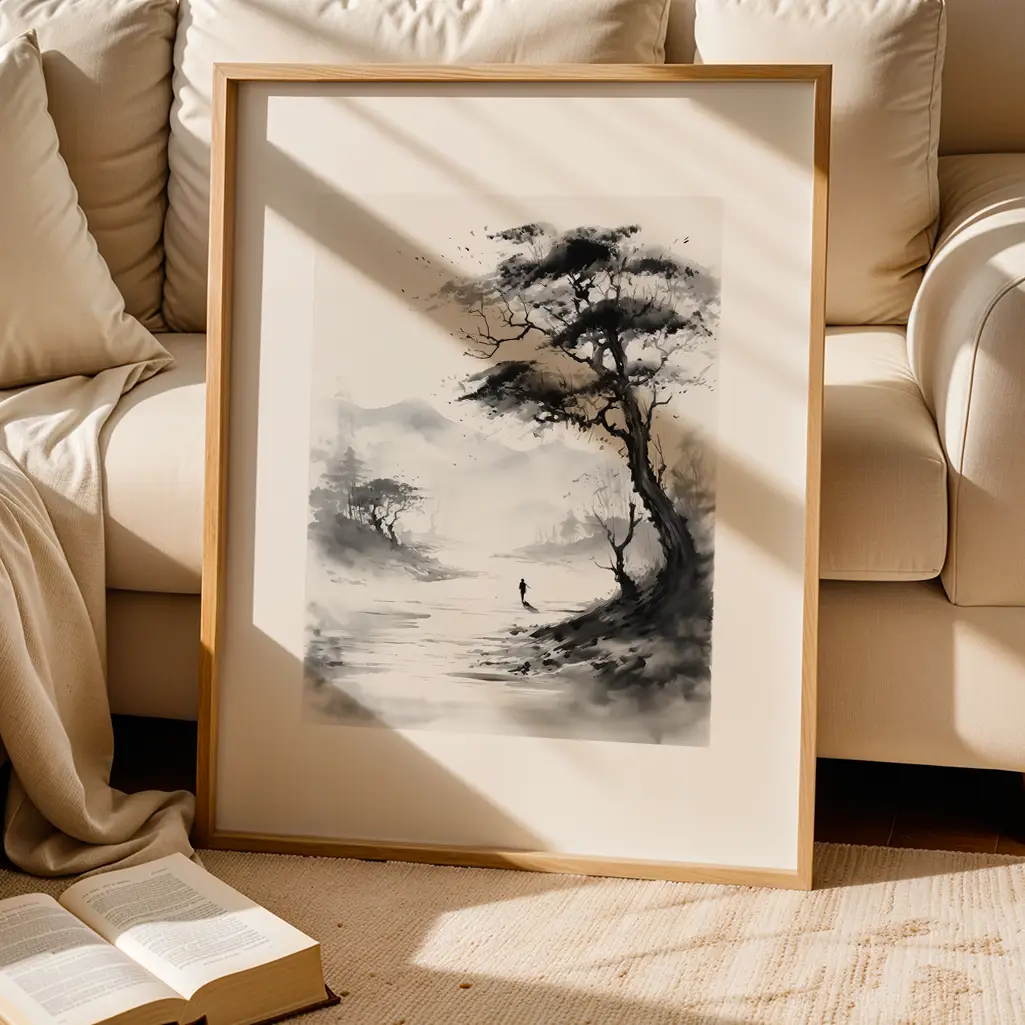
What people often respond to in Mediterranean interior style is not only the visuals but the mood: a sense that life has room to unfold slowly. You can cultivate that feeling with a few conscious choices about space and ritual.First, consider emptiness as a design tool. Many of the most compelling Mediterranean rooms are not full; they are edited. A white wall with one ceramic plate or a single framed print asks the eye to rest. Negative space becomes an active ingredient, allowing the objects you do keep to matter more. When you declutter, do it not as punishment, but as hospitality toward your own attention.
Next, think about how air moves. Sheer curtains that billow slightly, shutters that can filter light, and doors that open wide all contribute to a sense of permeability between indoors and out. If you lack a balcony or garden, you can still echo this by keeping window areas clean and unblocked, using slim furniture near them, and aligning a chair or daybed so it faces the light source. The room begins to organize itself around its best natural asset.
Finally, shape the mood through small rituals that borrow from Mediterranean rhythms. A low table set with a carafe of water and two glasses suggests shared pause. A bowl of lemons on the counter brings both color and a gentle scent. A woven tray with a candle, a book, and a small plant can migrate from room to room, following you as the light changes. These gestures are not decoration for its own sake; they are invitations to use the space more thoughtfully.
In the end, Mediterranean interior style is less about reproducing a coastal villa and more about absorbing its logic. You are asking how to make your home cooler in its calm, warmer in its welcome, and truer to the light it already receives. When the colors echo the landscape you long for, the materials feel honest under your hand, and the mood allows you to breathe a little deeper, you have found your own version of this enduring, sunlit language.