Why Mid-Century Modern Still Feels So Calm
Mid-century modern is one of those phrases that gets thrown around like a paint color: everyone swears by it, few can define it. At its core, it is less a trend than a way of living with things. Born roughly between the 1940s and late 1960s, it grew out of postwar optimism, new materials, and a belief that good design should make everyday life simpler, lighter, more humane.In a home, that belief shows up as clarity. Lines are clean but not severe, curves are gentle but not cute. Surfaces feel open, with furniture raised on lean legs so that air and light can move beneath. The style respects craftsmanship but is unafraid of industry; a walnut credenza might happily share a wall with a molded plastic chair. The overall sensation is of a room that breathes.
If you are looking to design a nicer home space, the appeal is obvious. Mid-century modern offers a vocabulary for calm without sterility, warmth without clutter. The secret is to think in layers: furniture that is structurally simple but texturally rich, colors that are both grounded and surprising, and wall art that acts almost like punctuation, clarifying the rhythm of the room.
It helps to resist the urge to “theme” the space. A mid-century modern room does not need every piece to be a museum-correct reproduction. What matters is that the objects agree on a few quiet principles: honesty of materials, clarity of form, and a certain relaxed optimism. Within that framework, you can introduce contemporary pieces and personal artifacts and still keep the room coherent.
Start by observing your space as it is now. Notice the natural light, the proportions of the room, the existing floors and trim. Mid-century modern works with what is there, instead of staging a revolt. A small apartment can feel more expansive with a few lifted, leggy pieces and a controlled color palette. A larger home can use the style to create islands of intimacy so that open space does not become emotional emptiness.
Think of the style as an attitude toward editing. Each piece has room to breathe, and that negative space is not emptiness but the visual equivalent of a pause in conversation. In mid-century modern interiors, those pauses are where your eye rests and your nervous system settles, which is why the style, when done well, feels curiously restful even in a busy household.
Furniture, Color, and the Quiet Architecture of a Room
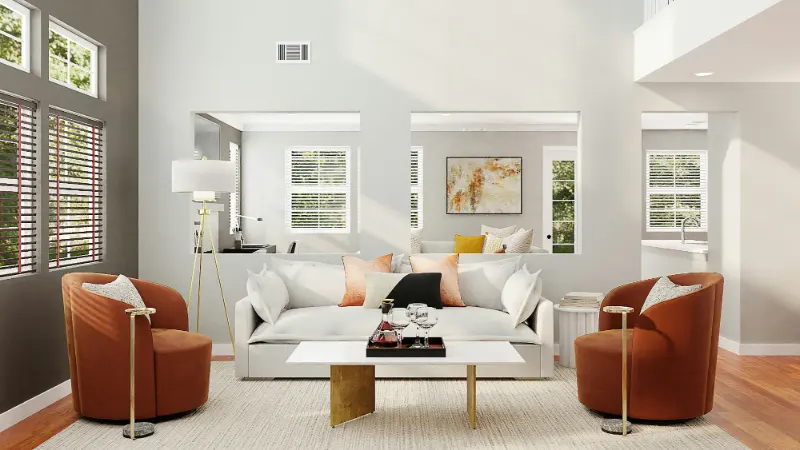
Begin with furniture because it is the low, physical architecture of the space. Mid-century modern seating tends to be slim and structured, closer to a tailored jacket than a puffy parka. Sofas and lounge chairs usually show their legs, often in tapered wood or slender metal, which keeps the room visually lighter. When you choose a sofa, pay attention to the side profile as much as the front; the best mid-century inspired pieces look composed from every angle, as though someone thought about how they would float in the middle of a room, not just against a wall.Tables and storage pieces are where wood does the talking. Look for visible grain, clean planes, and minimal hardware. A credenza with sliding doors, for example, performs a subtle trick: it hides visual noise without adding the clatter of swinging doors in a tight hallway or living room. The idea is to let these pieces act as calm, horizontal anchors. Once they are in place, smaller objects and textiles can vary without making the room feel chaotic.
Chairs are an opportunity to introduce softness of shape without losing discipline. Classic mid-century silhouettes often curve to hold the body, but their legs remain slim, almost calligraphic. When you select contemporary chairs, follow the same logic: a generous seat, a gentle curve at the back, and a base that allows light to slip underneath. The room will feel more open, and cleaning the floor becomes less of a battle with heavy furniture.
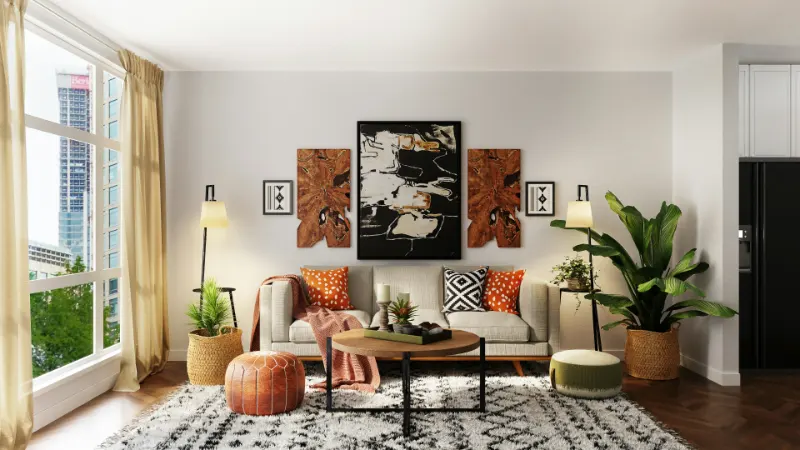
Color in mid-century modern design operates a bit like jazz: there is a stable rhythm underneath, and then the occasional bright note. The underlying palette usually leans earthy and muted: warm whites, soft grays, tobacco browns, olive greens. These tones echo the woods and leathers that define the period, making the room feel grounded. Against that, you can introduce pockets of saturated color: an ochre cushion, a teal accent chair, a rust throw draped over the arm of the sofa.
What keeps it all from feeling chaotic is restraint. Rather than scattering many bright colors in small doses, gather them into deliberate moments. A pair of burnt orange pillows and a matching ceramic vase on the credenza will do more for the space than a dozen uncoordinated accents. The goal is to create calm contrast: warm against cool, light against dark, matte against gloss. Each contrast sharpens the others, much like the way a frame sharpens a painting.
Texture is where the room becomes physically inviting. Nubby wool, linen, and bouclé work beautifully with the lean lines of mid-century furniture, softening the architecture without smothering it. A flatweave rug can extend the geometry of the furniture, while a slightly shaggy one offers gentle relief. The key is to stay honest to the materials. Plastic should look unapologetically plastic, wood should show its grain, metal can gleam or patinate but not pretend to be something else. That honesty is one reason mid-century modern spaces age so gracefully.
Wall Art as Rhythm, Not Decoration
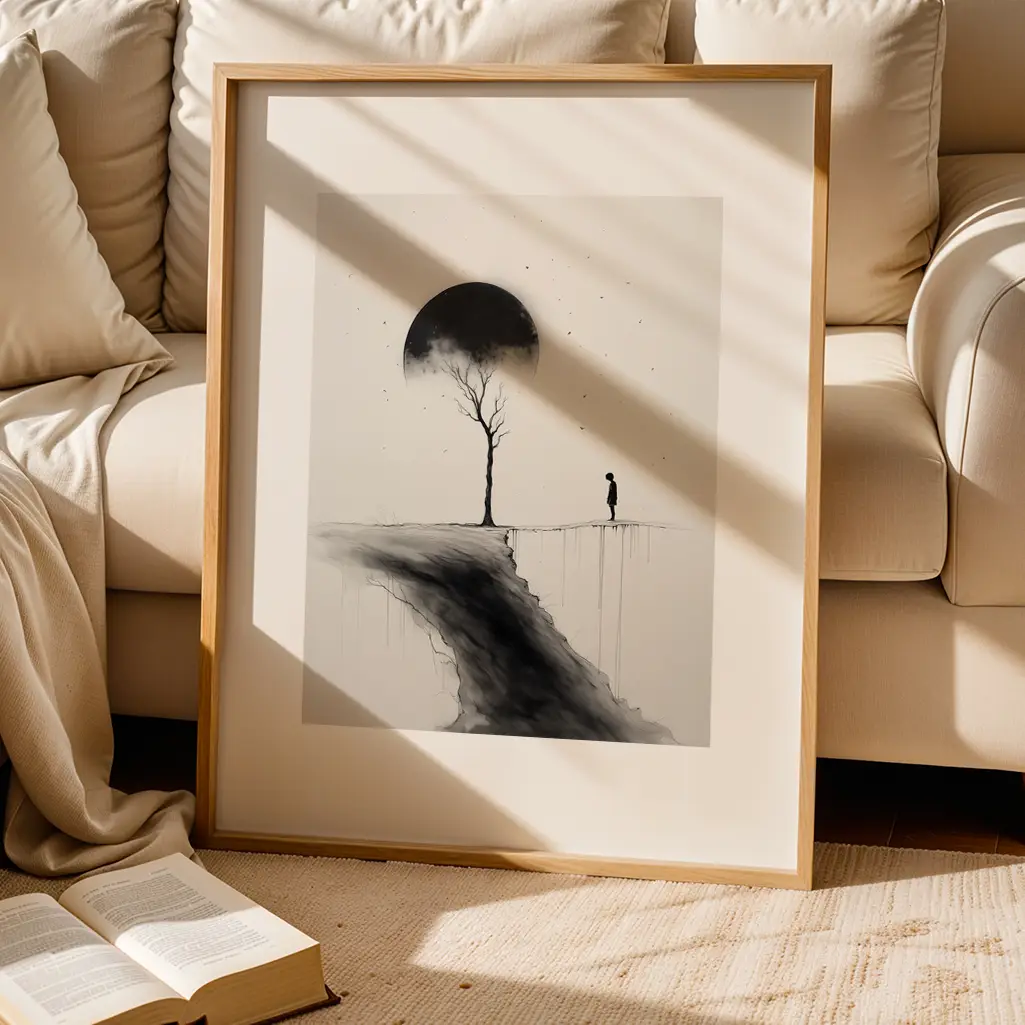
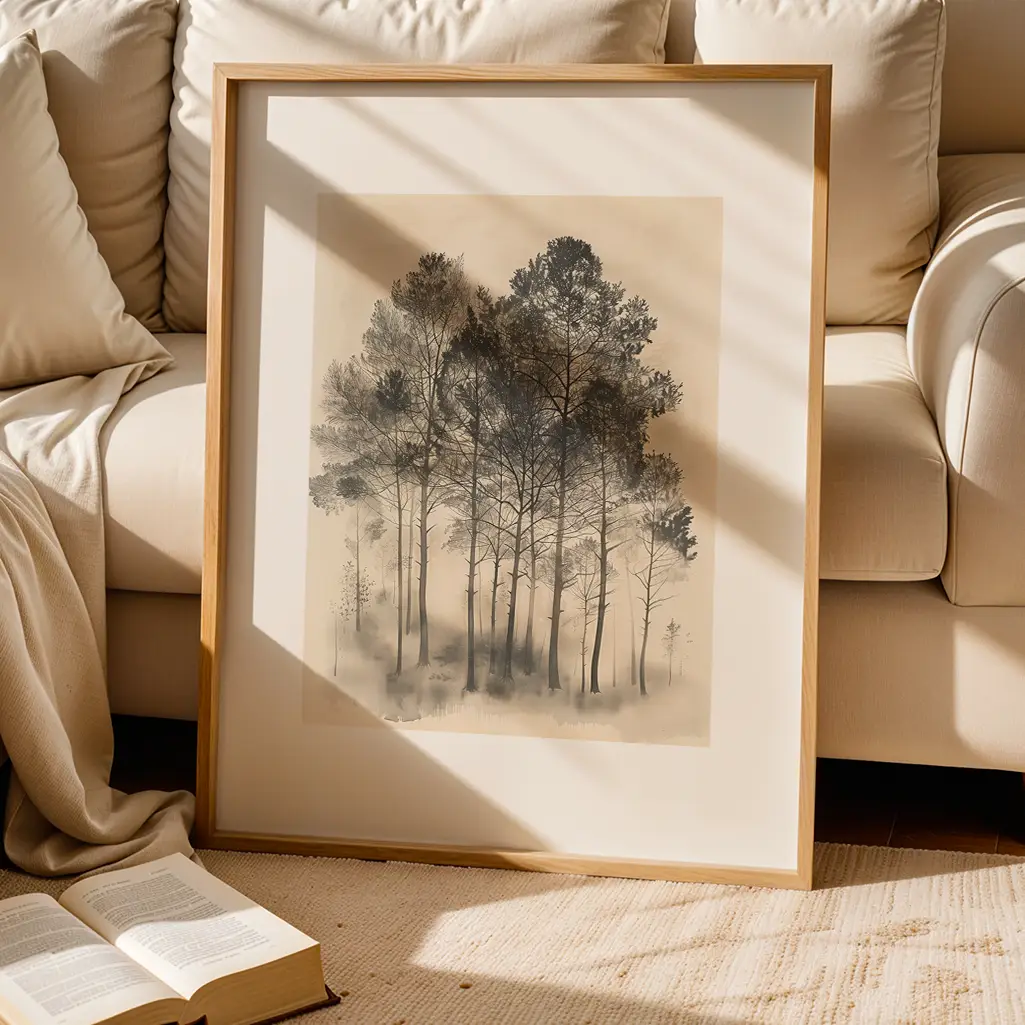
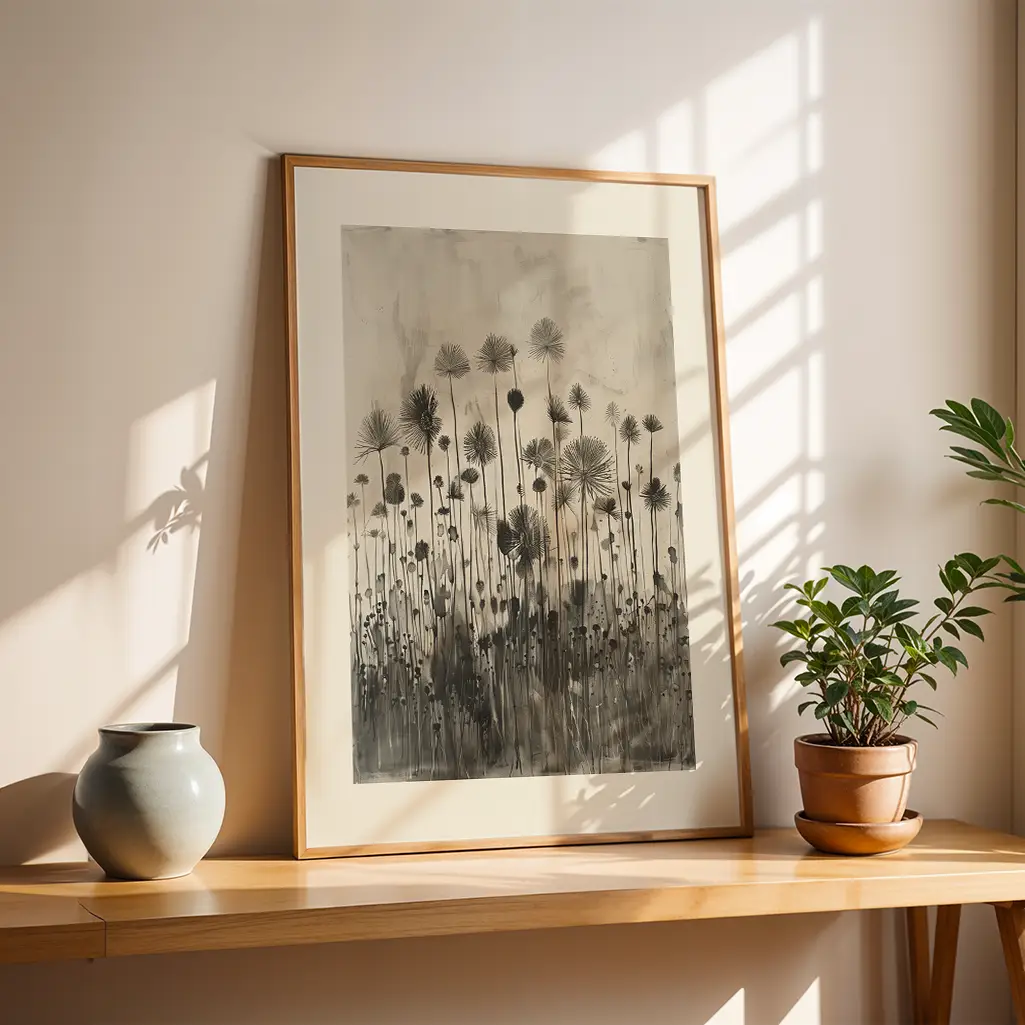
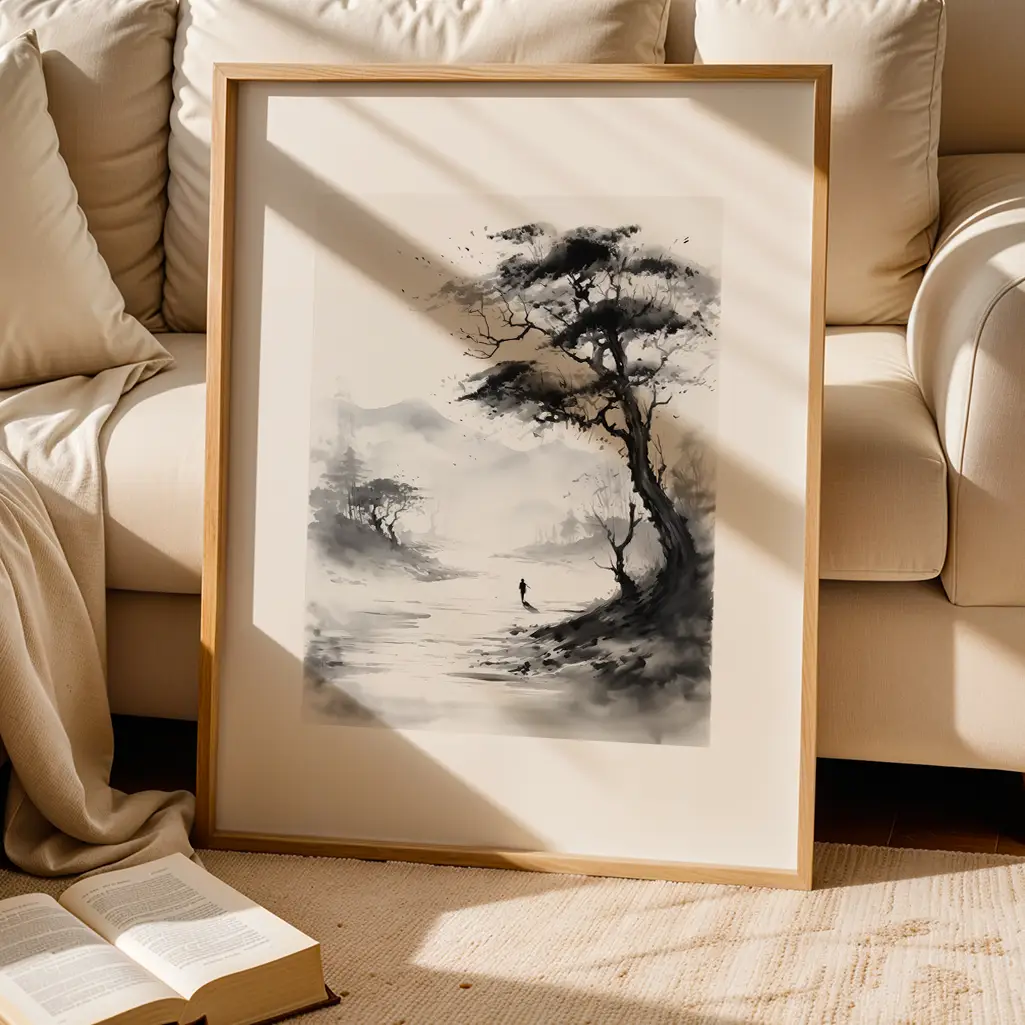
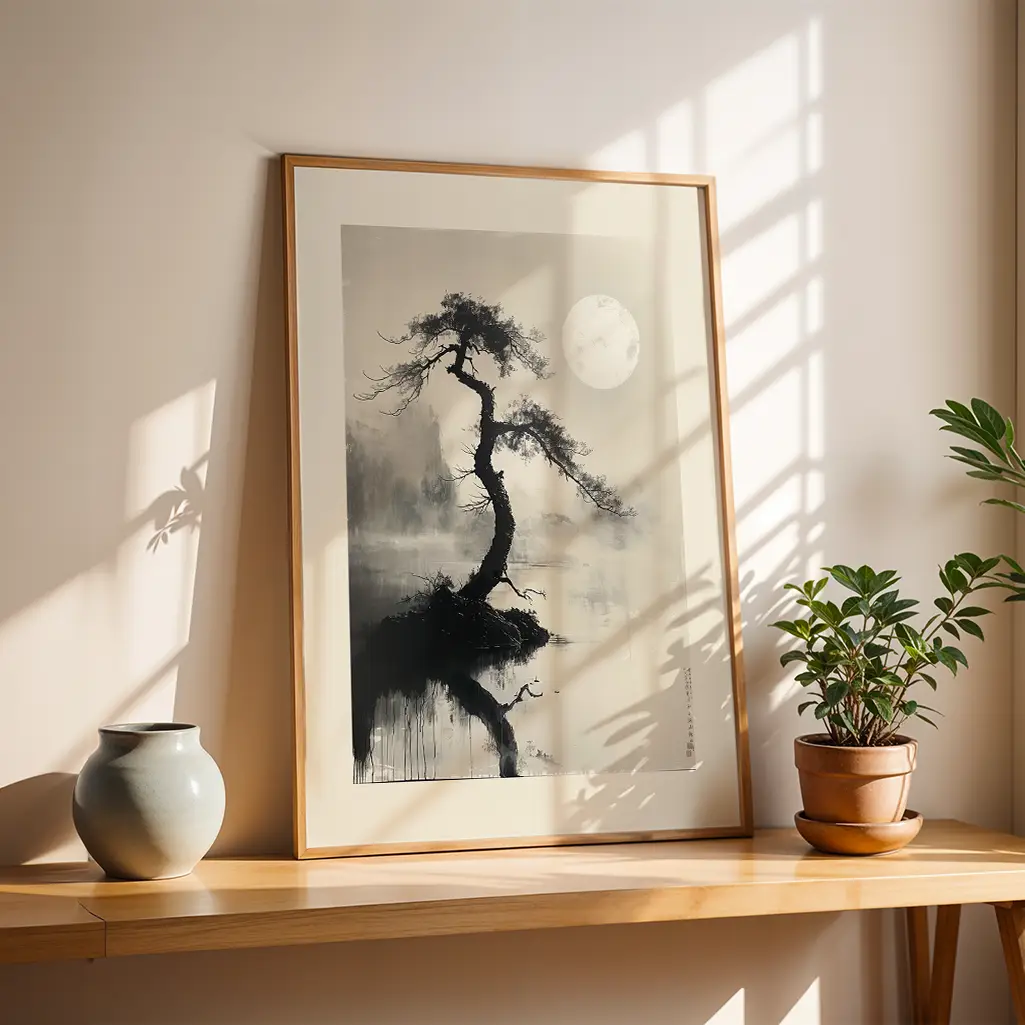
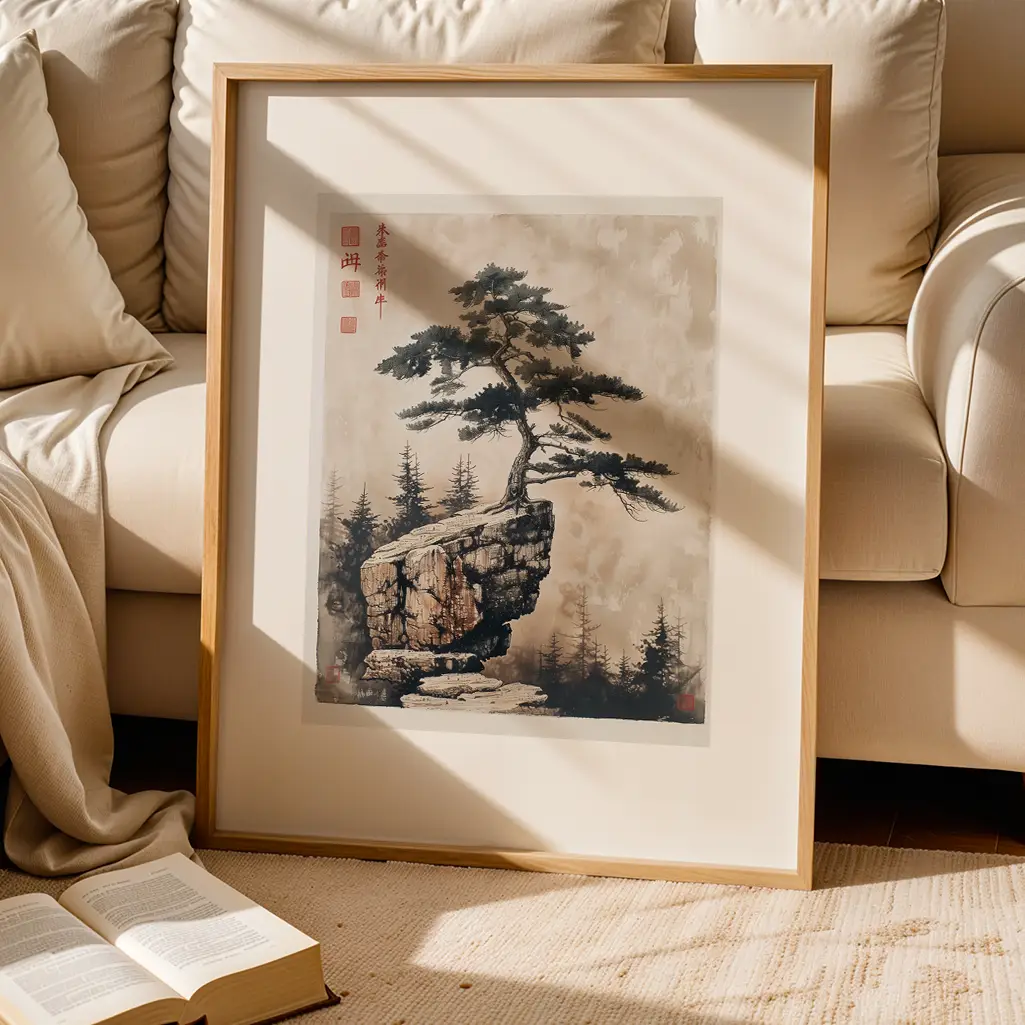
In a mid-century modern room, wall art is not an afterthought but a kind of visual metronome. It sets the pace at which your eye moves through the space. Rather than filling every open stretch of wall, choose a few strong pieces and give them room. The negative space around a painting or print is part of the composition, the way silence is part of music.Abstract and geometric works harmonize easily with the style, echoing the lines of the furniture. Think of a large abstract canvas above a low sofa, its shapes subtly mirroring the rectangles and curves in the room below. But you need not restrict yourself to period-correct prints. Photographs with strong light and shadow, simple botanical drawings, or even a single, quietly offbeat piece picked up on a trip can feel right if the scale and color are considered.
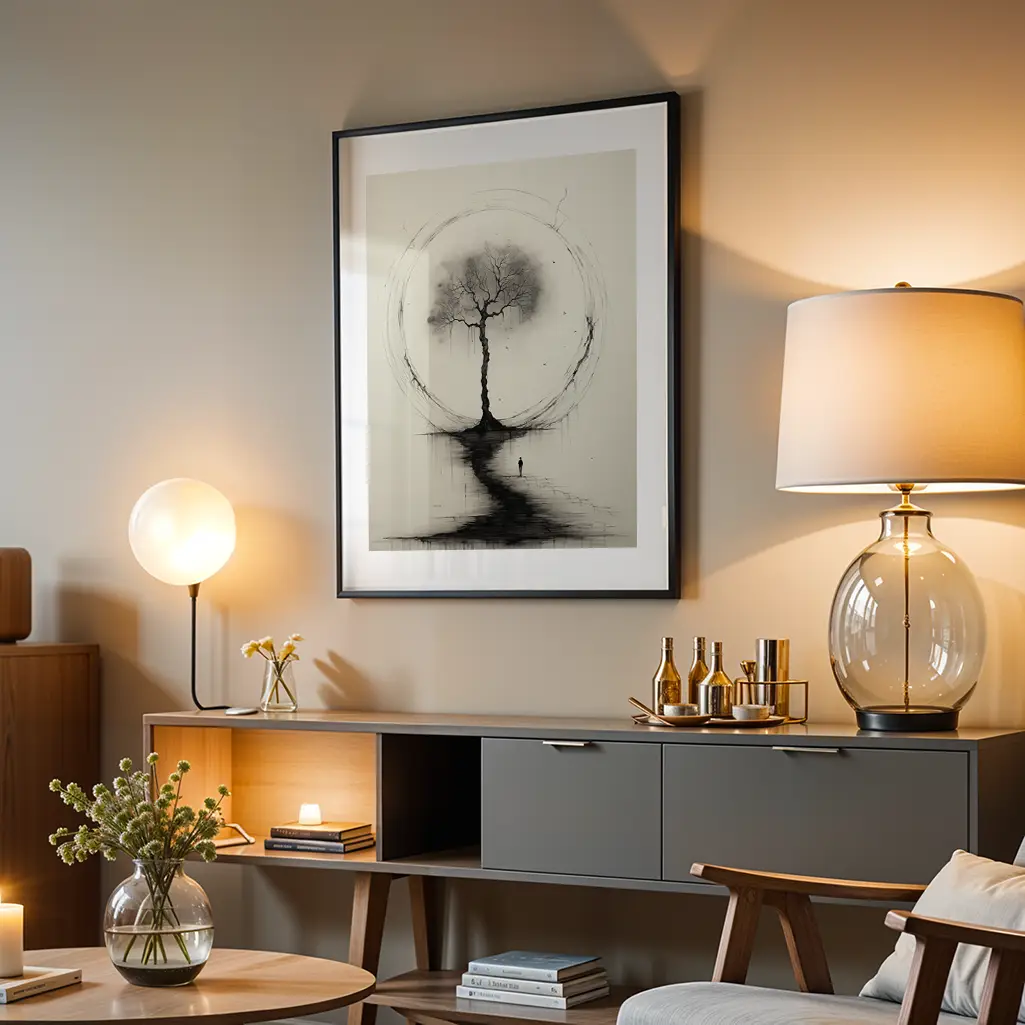
Scale is crucial. Because many mid-century inspired pieces sit low, wall art often needs to be a bit larger than your instinct suggests. A modest room can usually tolerate one generous piece anchoring the main seating area. Smaller works can be grouped into a loose grid above a console or along a hallway, their frames aligning with the horizontals of doors and shelves. Avoid scattering many tiny frames across the room; they tend to create a dusting of visual noise that runs counter to the style's calm intent.
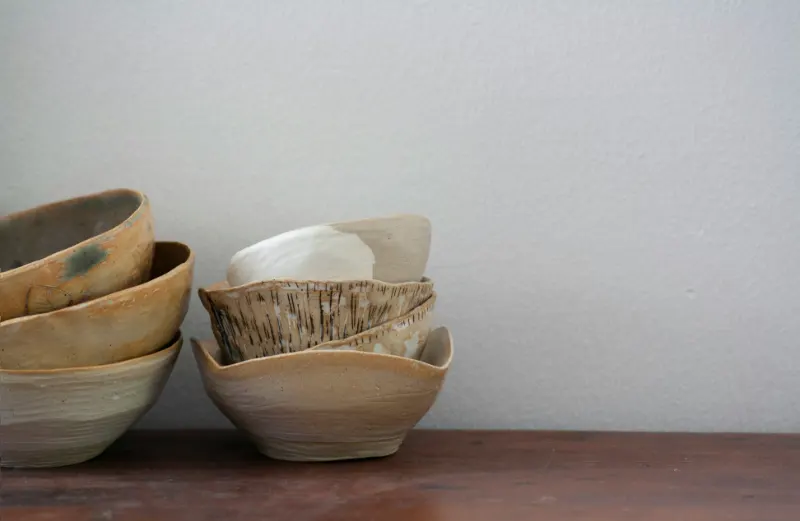
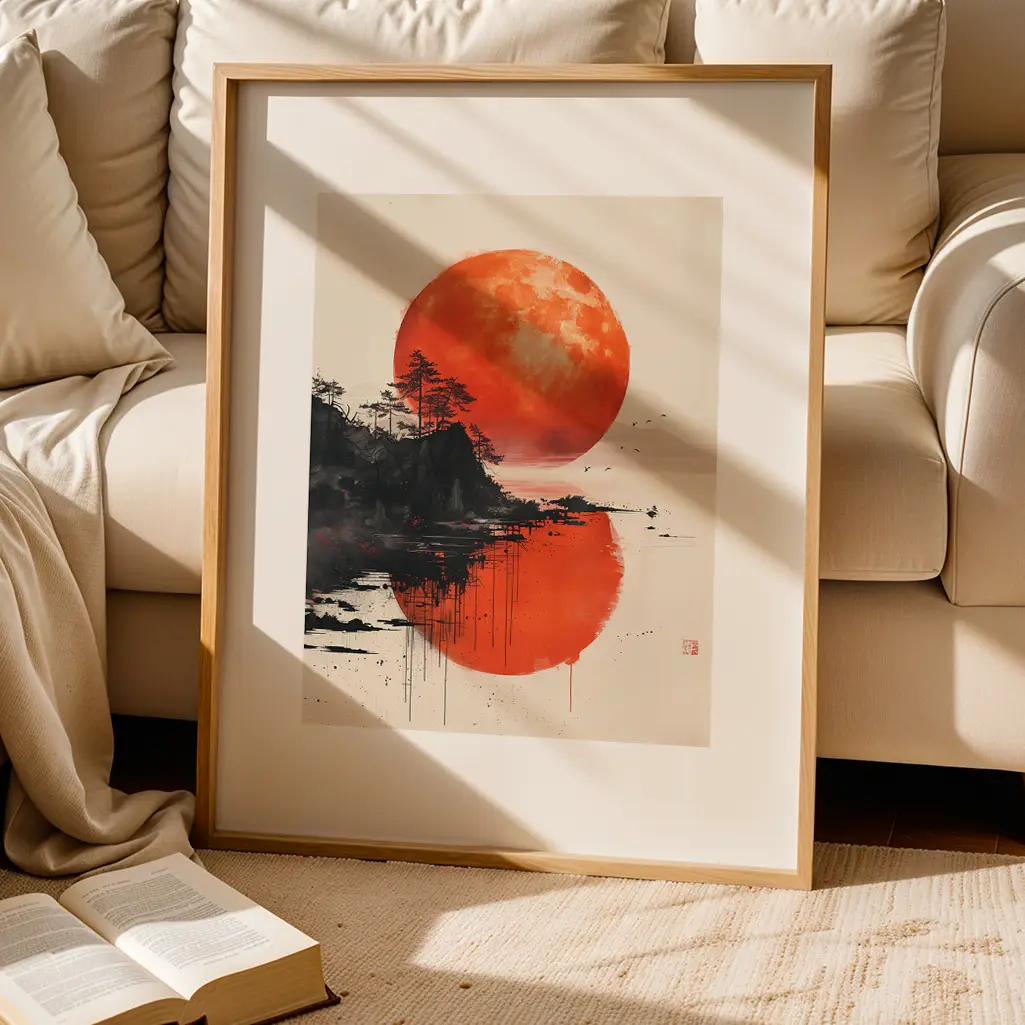
Color in art should speak to the palette already in the room, but not parrot it exactly. Let the artwork introduce a new note that appears nowhere else, then echo that hue once or twice in textiles or ceramics. This gives the space a sense of intention, as though the art and furniture are in conversation. A print with deep indigo can be answered by a single indigo cushion or a small glazed bowl; the repetition makes the color feel at home.
Frames and mats act as subtle architecture on the wall. Simple wood or thin black metal frames generally sit well with mid-century modern furniture, but what matters most is consistency. A mix of two frame finishes is usually enough. Too many, and the wall begins to feel like a crowded street. A wide white mat can give a small work the breathing space it needs, echoing the generous margins in mid-century graphic design.
Above all, remember that wall art in this style is there to clarify the mood, not to shout it. A well placed piece can slow the eye, calm the room, and quietly tell you that you have arrived home. In a true mid-century modern interior, that sense of arrival is the real luxury: not the pedigree of any single chair or painting, but the way the whole space invites you to sit down, exhale, and stay awhile.