The Rooms You Live In, and the Story They Tell
Walk into a room and your nervous system answers before your mind does. Your shoulders either drop with relief or tighten in vague unease. A bare, sunlit living room with a single linen sofa and one carefully chosen artwork might feel like oxygen to one person, and like an unfurnished waiting room to another. A book-lined den buzzing with pattern and color might feel like home to one visitor and like visual static to someone else.Seen this way, "minimalism vs maximalism" is less a decorating trend than a diagnostic tool. It helps you notice how you respond to space, stuff and sensory information. Instead of asking which look is more fashionable, it is more useful to ask which style makes you kinder, calmer and more fully yourself in your own home.
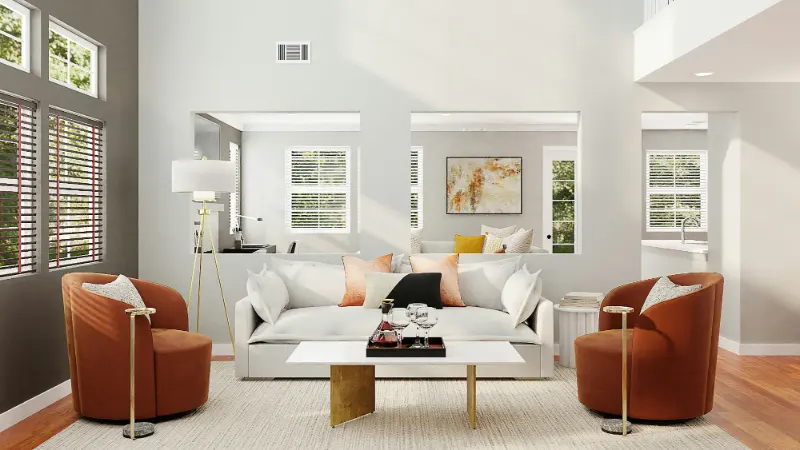
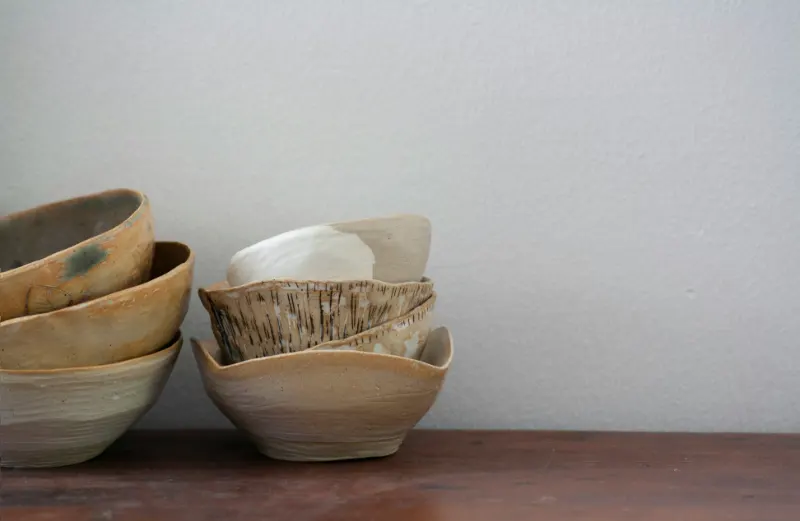
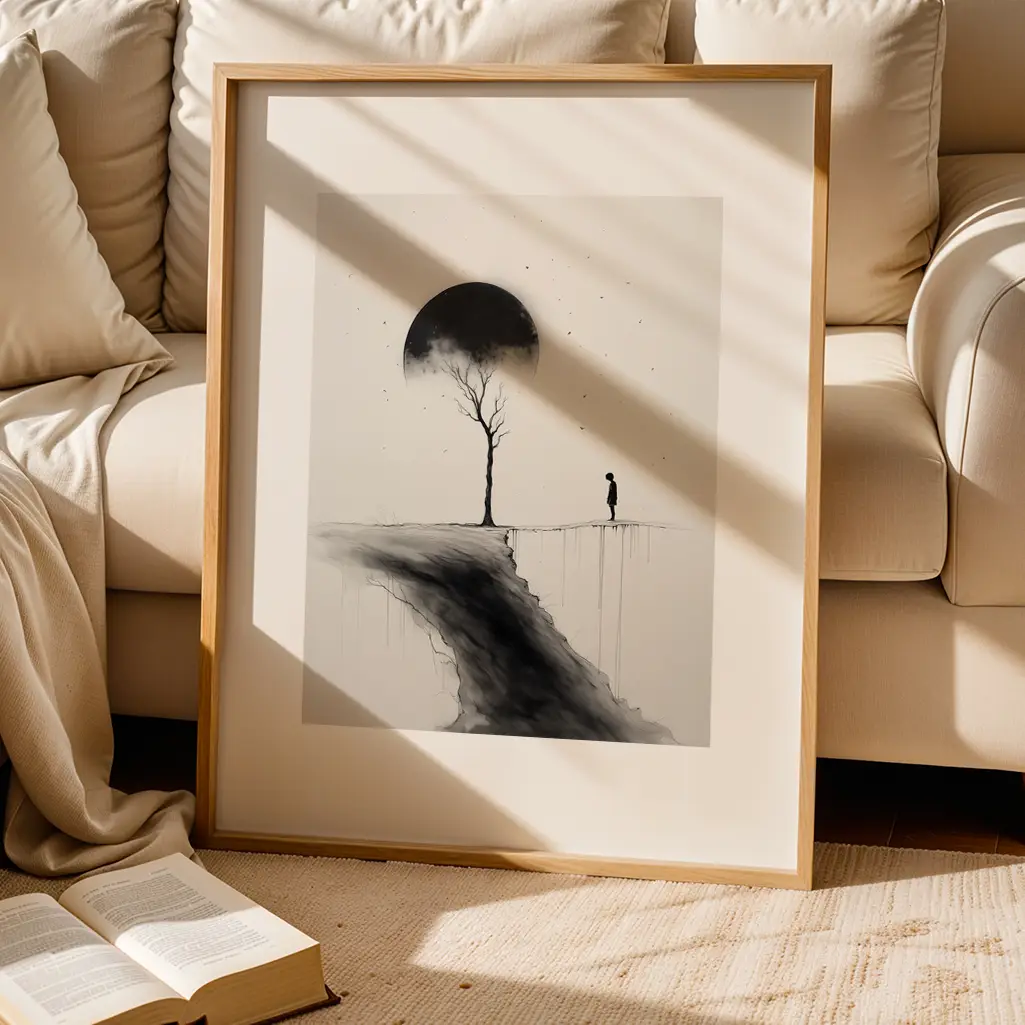
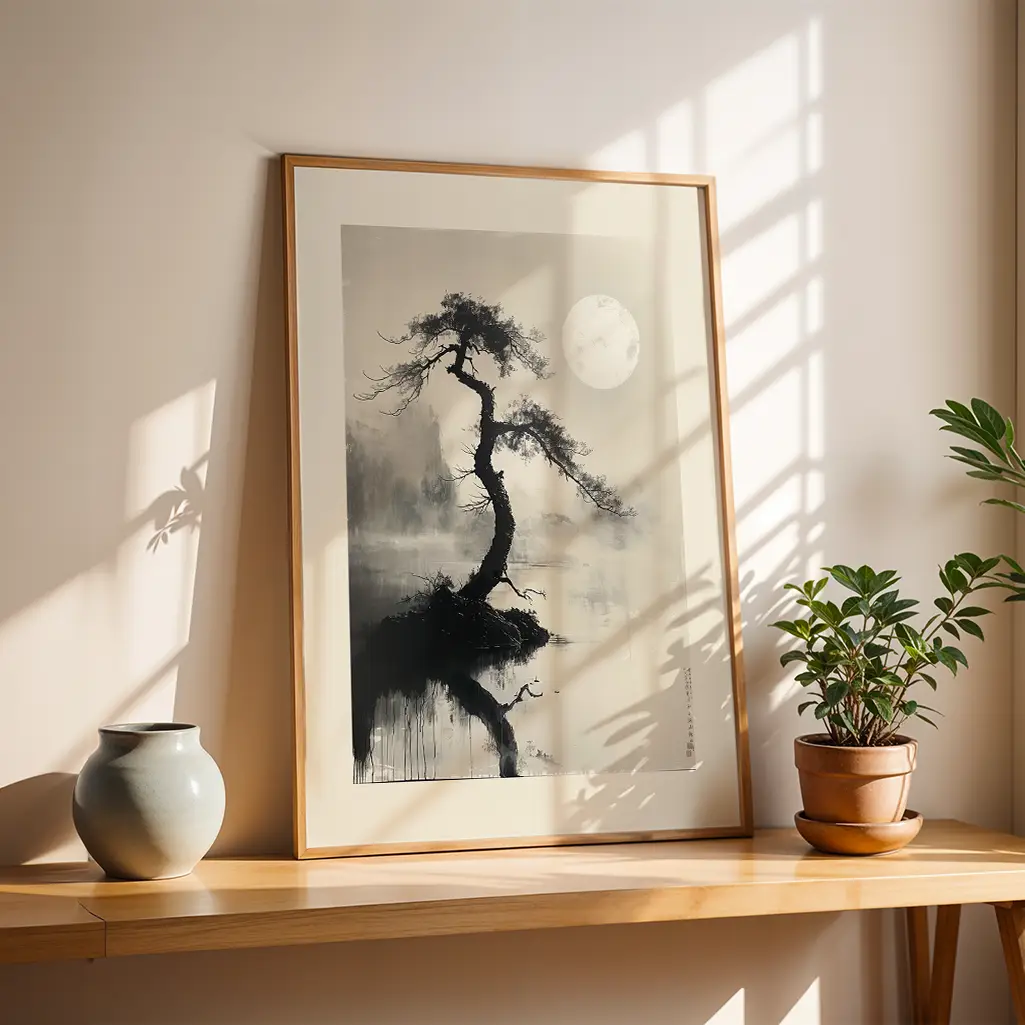
Minimalism, in its gentler, post‑austerity form, is no longer about bragging that you own almost nothing. At its best, it is a commitment to clarity: fewer but better objects, space left intentionally open, color used as a quiet backdrop rather than a shout. The underlying belief is that visual silence helps you hear your own thoughts. A minimalist kitchen, with one knife you love and a clear counter, implies trust that doing one thing at a time is enough.
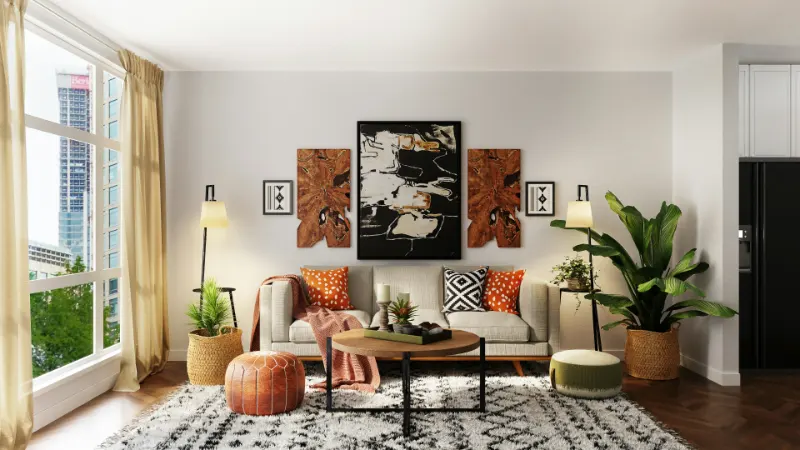
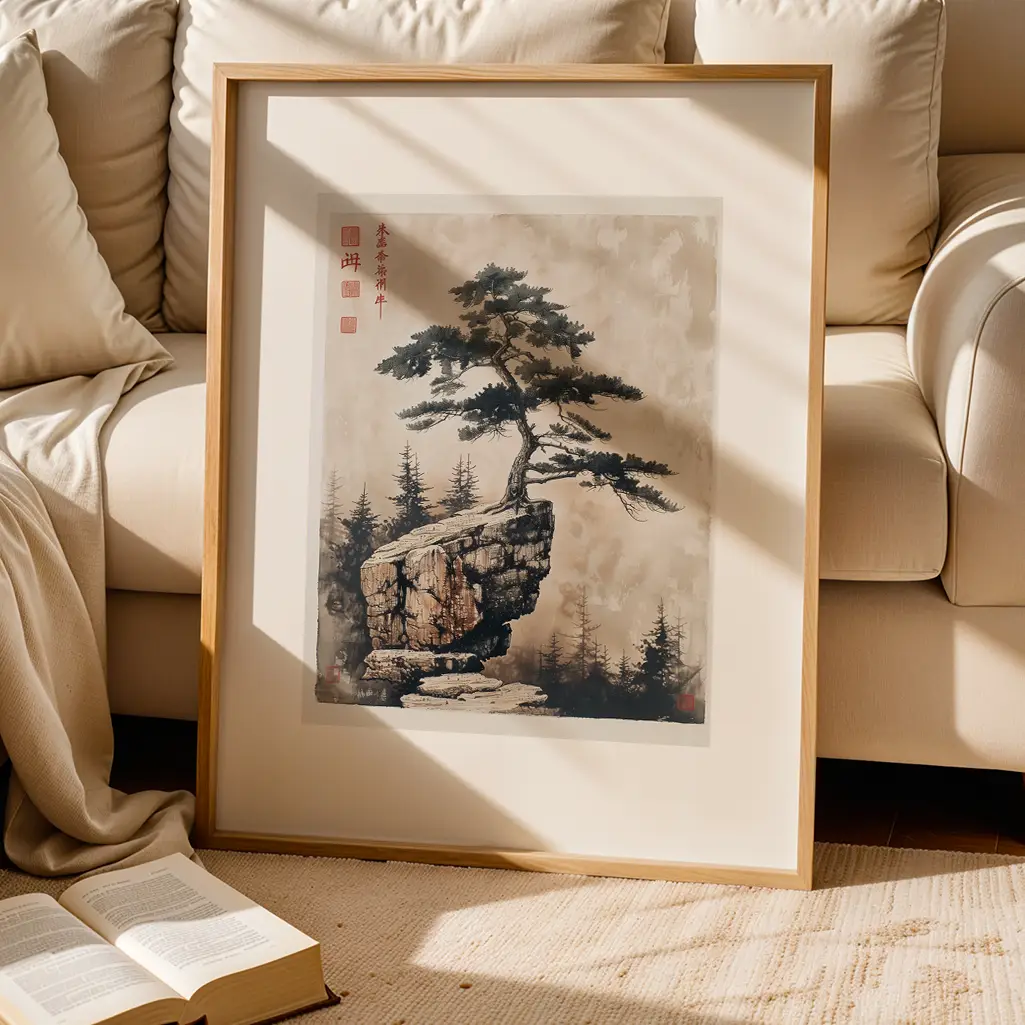
Maximalism, at its best, insists that soul matters more than restraint. It trusts that meaning survives abundance. Walls hold art stacked nearly to the ceiling, shelves mix flea‑market finds and heirlooms, textiles layer pattern upon pattern. The assumption is that your attention is capable of wandering and delightedly returning; that life is richer when your environment tells many small stories rather than one perfect sentence.
The question beneath the style debate is personal: how much information, color and memory do you want your home to feed back to you every day? Your answer is not fixed. It can shift with life stages, mental health, even the season. The point is not to pick a team but to tune the dial of your surroundings to match who you are right now.
How Your Mind Responds to Space
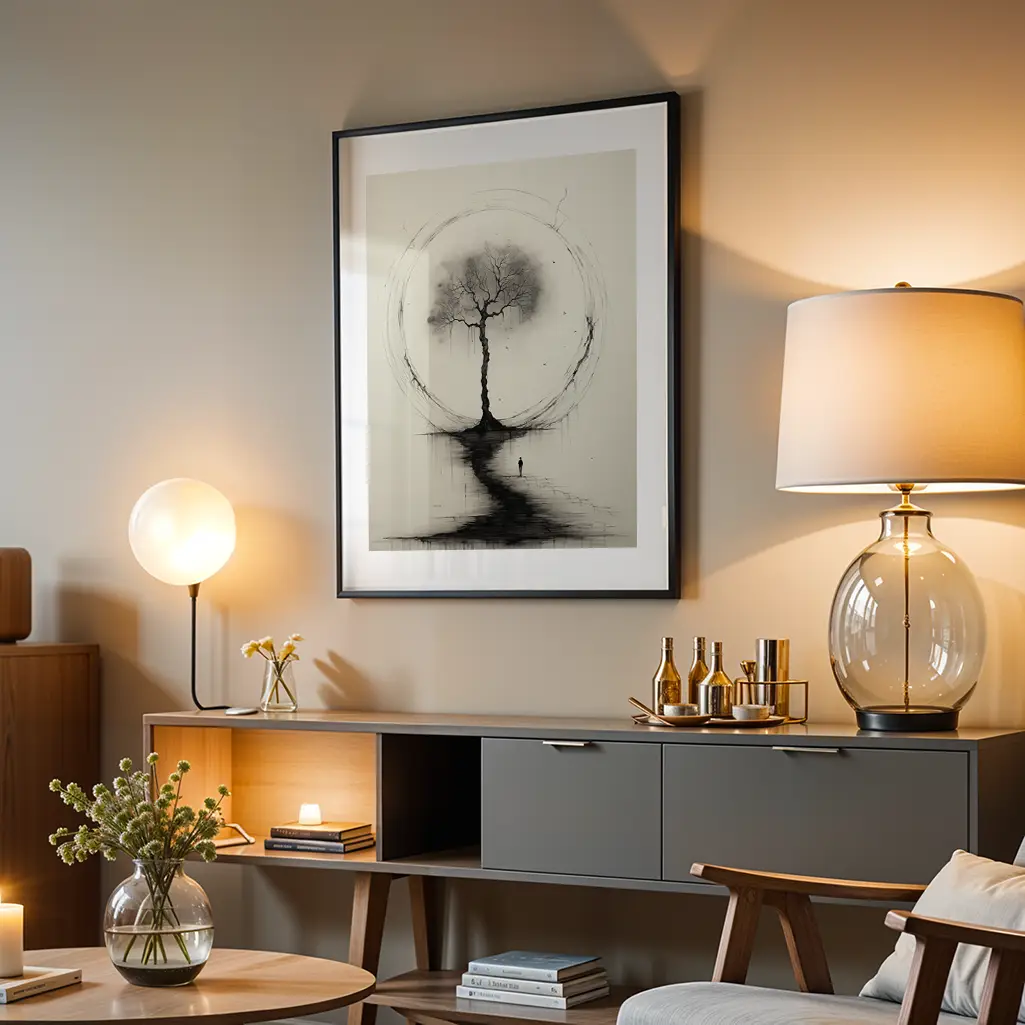
Begin with how you process the world. Some people are acutely sensitive to visual input. An open closet makes them restless, a cluttered coffee table interrupts their train of thought. For them, minimalism can feel like a protective shell, a way to quiet background noise so the foreground of life can sharpen. Empty floor around the bed makes mornings feel possible; one painting on a wall becomes an anchor for the entire day.If you recognize yourself here, notice how you react after even a small clearing‑out. Perhaps you sleep better in a bedroom where surfaces are mostly bare and lamps cast soft, indirect light. You may find that neutral walls, a restrained palette and a few tactile materials like wool and wood give you all the stimulation you need. In that case, minimalism is not a moral victory; it is simply good ergonomics for your nervous system.
Others are nourished by what looks, from the outside, like excess. Their thinking is associative; one object sparks a memory, which sparks an idea. A densely layered room gives them more starting points. They do not see clutter where critics do. They see a map. The ceramic rooster from a grandparent’s kitchen, the stack of travel magazines, the framed concert ticket on the wall: together they create a landscape of identity that a bare room cannot match.
If you feel more alive surrounded by such cues, forced minimalism can feel like erasure. You may find that a so‑called empty mind is not your goal. You think better when your eyes have multiple places to land, when textures, colors and objects talk to each other across the room. Maximalism, in that case, becomes a form of cognitive hospitality; your home offers your mind an inviting crowd rather than an empty hall.
Neither response is superior. They simply point in different directions when you make design decisions. The key is to notice when your environment tips from supportive to stressful. A minimalist room can become sterile if every personal trace is edited out. A maximalist room can become oppressive when objects lose their story and hang around out of inertia. Periodically walking through your home and asking "Does this still feed me?" is more helpful than enforcing any strict rule about quantity.
Designing a Home that Matches Your Inner Weather
To translate all this into rooms you actually inhabit, start small and specific rather than theoretical. Think about the first three minutes of your day. Do you want to wake into calm emptiness or into a sense of life already in motion? If the former, push your bedroom toward minimalism: closed storage, limited but satisfying textures, one or two meaningful objects in view. Let your bedside table hold three things you truly reach for, and move everything else into a drawer. The goal is not a showroom but a clear path from sleep into waking.If you crave a feeling of continuity when you open your eyes, allow your bedroom to be gently maximalist. A wall of photographs, a crowded bookshelf within reach, a patterned headboard that greets you each morning: these can act as a soft chorus reminding you who you are. The important distinction is between density and chaos. Group like with like, give collections a defined boundary and let empty space frame the fullness so your eye has a rhythm to follow.
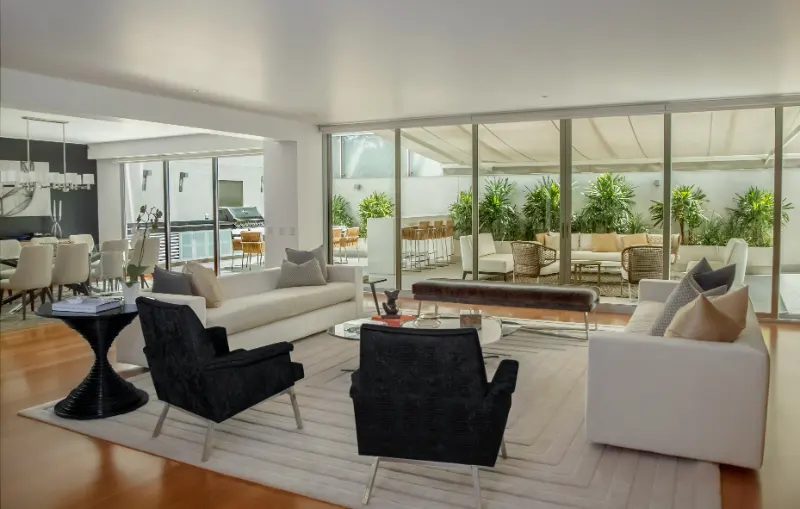
Shared spaces expose another layer of personality: how you relate to others. A minimalist living room tells guests "there is room for you here" in a literal way; there is physical and psychological space to enter. But if it goes too far, visitors may feel they have stepped into a gallery where touching is discouraged. In a maximalist living room, the invitation is different. Guests are given immediate conversational scaffolding. They can ask about the unusual lamp or the painting that almost seems to watch from the wall. The room does some of the social labor for you.
As you choose between restraint and abundance, treat design as an experiment rather than a verdict on your taste. Create one corner of radical minimalism: a chair, a lamp, nothing else. Sit there with a book or a cup of tea and watch how your body responds. In another corner, try intentional maximalism: stack books, layer textiles, pin postcards in a loose grid above a reading chair. See where your attention settles more happily.
You may discover that you are minimalist in the spaces where you work and maximalist where you rest, or the reverse. You might prefer a spare, almost monastic kitchen that makes cooking feel like meditation, and a dining area layered with inherited plates and mismatched chairs that turns every meal into a small festival. The most livable homes rarely obey a single doctrine. They follow the contours of the people inside them, changing as those people change.
In the end, the contest between minimalism and maximalism dissolves into a quieter question: what kind of silence, and what kind of music, do you want your home to offer you each day? If you listen closely, your personality is already answering. Your task as a designer of your own life is simply to let your rooms respond in kind.