Why Minimalism Often Feels Cold — And How Texture Fixes It
Minimalist homes are often blamed for feeling like “beautiful waiting rooms”: pristine, photogenic, and slightly hostile to actual life. The irony is that the core promise of minimalist design is comfort. It asks you to keep only what you truly need and love, to ease visual noise and mental clutter. The disconnect usually appears in the surfaces, not the philosophy. Rooms look “minimal” because they are empty, but they feel cold because every remaining surface is flat, hard, and visually thin.
Texture is the missing layer. It is the quiet dimension that makes a stripped-back room feel like it is holding you instead of putting you on display. You can think of it as emotional insulation: the more varied, intentional textures you introduce, the more your body registers a space as safe, warm, and worth lingering in. The magic is that you do not need more stuff; you need different surfaces doing more work.
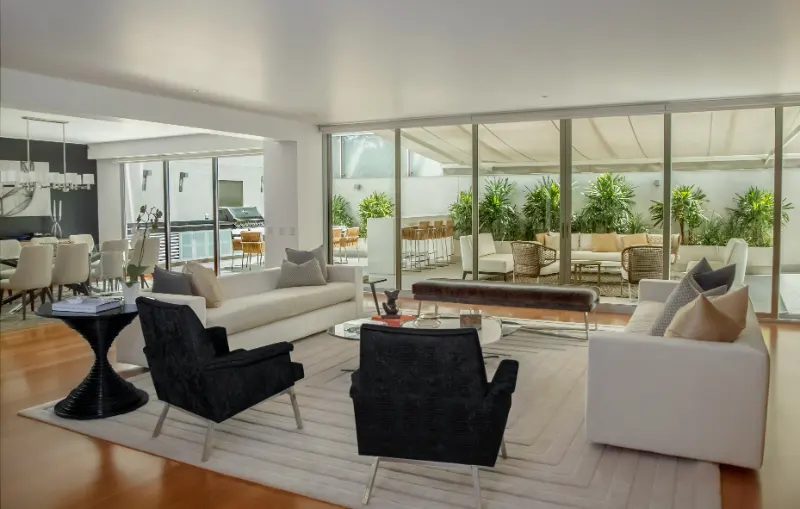
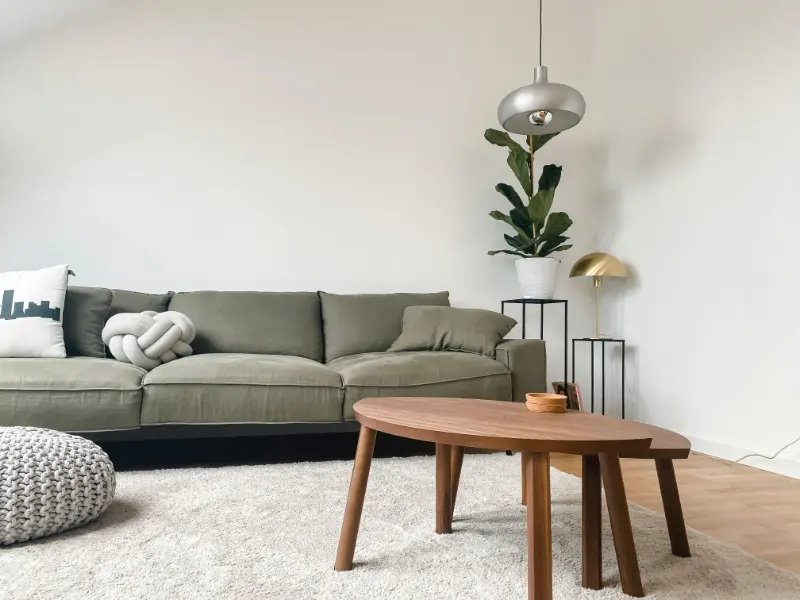
Consider two nearly identical minimalist living rooms: same low-profile sofa, same neutral palette, same simple coffee table. In one, the sofa is a flat gray cotton, the rug is a tight synthetic weave, the walls are a bare eggshell, and the table is glossy. Everything reflects a bit of light, everything is smooth, and the eye slides quickly across the room. In the other, the sofa has a slightly nubby linen, the rug is a dense wool that casts small shadows, the walls are painted in a matte finish, and the table is oiled wood with visible grain. You have not added clutter, but your senses now have places to “land.” The room has more friction, in the best way.
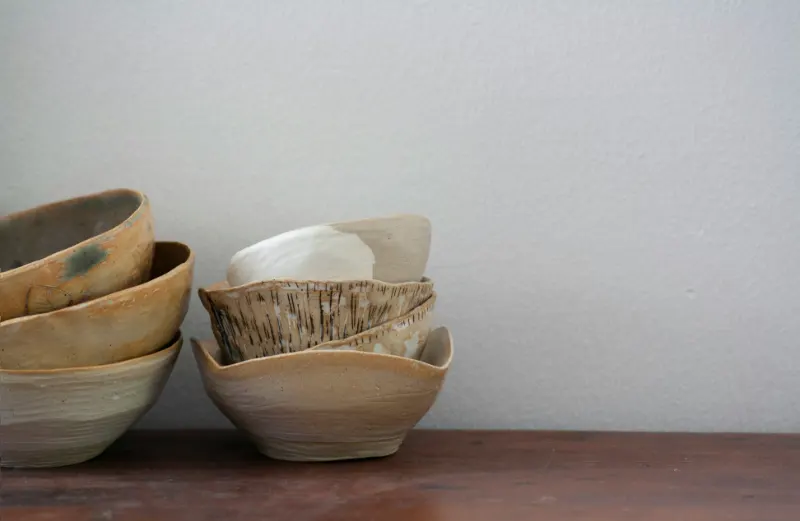
Your brain reads texture even when you are not touching anything. Micro-shadows in a wool throw, the soft bluntness of a limewashed wall, the uneven edge of a handmade ceramic lamp base: these are quiet visual cues that say “this space is lived in, not staged.” Minimalism, at its most generous, is about making room for that kind of sensory honesty. The discipline of having fewer objects actually gives texture more power, because each surface becomes a character in the room rather than part of a crowd.
There is also a time dimension. Smooth, glossy, identical surfaces tend to feel timeless only in photographs. In real life, they scuff, chip and scratch in ways that read as damage. Textured materials often age in a way that feels like patina instead of decay: leather softens, wood deepens, linen wrinkles into an easy topography. In a minimalist home, this evolution matters, because there is nowhere to hide. When you choose forgiving textures, you are not only creating instant coziness; you are designing how the room will feel five years from now on a winter morning when the light hits every flaw. Texture anticipates that future and makes it part of the charm rather than a problem to fix.
The secret, then, is not to abandon minimalism but to let texture carry some of the emotional weight that color, pattern and sheer quantity of objects used to handle. Clean lines and open space remain, but they are softened and grounded by tactile depth. The result is a room that feels both calm and human, like a deep breath you can sit in.
How To Layer Texture Without Losing Your Minimalist Calm
If clutter is noise, texture is like a low, steady hum. The goal is not to throw in every tactile element you can find but to curate a few intentional contrasts so that your eye and hand can move slowly through the space. Start by thinking in pairs. For every hard surface, introduce a softer neighbor; for every cool material, a warmer counterpart.
Imagine a minimalist bedroom with a simple platform bed and two nightstands. Left alone, the scene can feel almost monastic. Keep the clean silhouettes but shift the surfaces: a lightly slubbed linen duvet that looks a little undone even when smoothed, a wool or cotton rug with a thick loop underfoot, a ceramic lamp with a matte shade instead of shiny metal. You are still working with a narrow palette, yet the room now has a kind of quiet density. The lines are minimal, but the feeling is layered.
Texture is not only about softness. Glass, metal, stone, and tile all have their place in a cozy minimalist home; they simply need partners. A cool concrete floor gains warmth from a single woven runner placed where bare feet land first. A streamlined metal dining chair becomes more inviting with a felt seat pad or a draped sheepskin. The point is not to disguise the original material but to put it in dialogue with something more yielding. The contrast is what makes the arrangement feel intentional rather than austere.
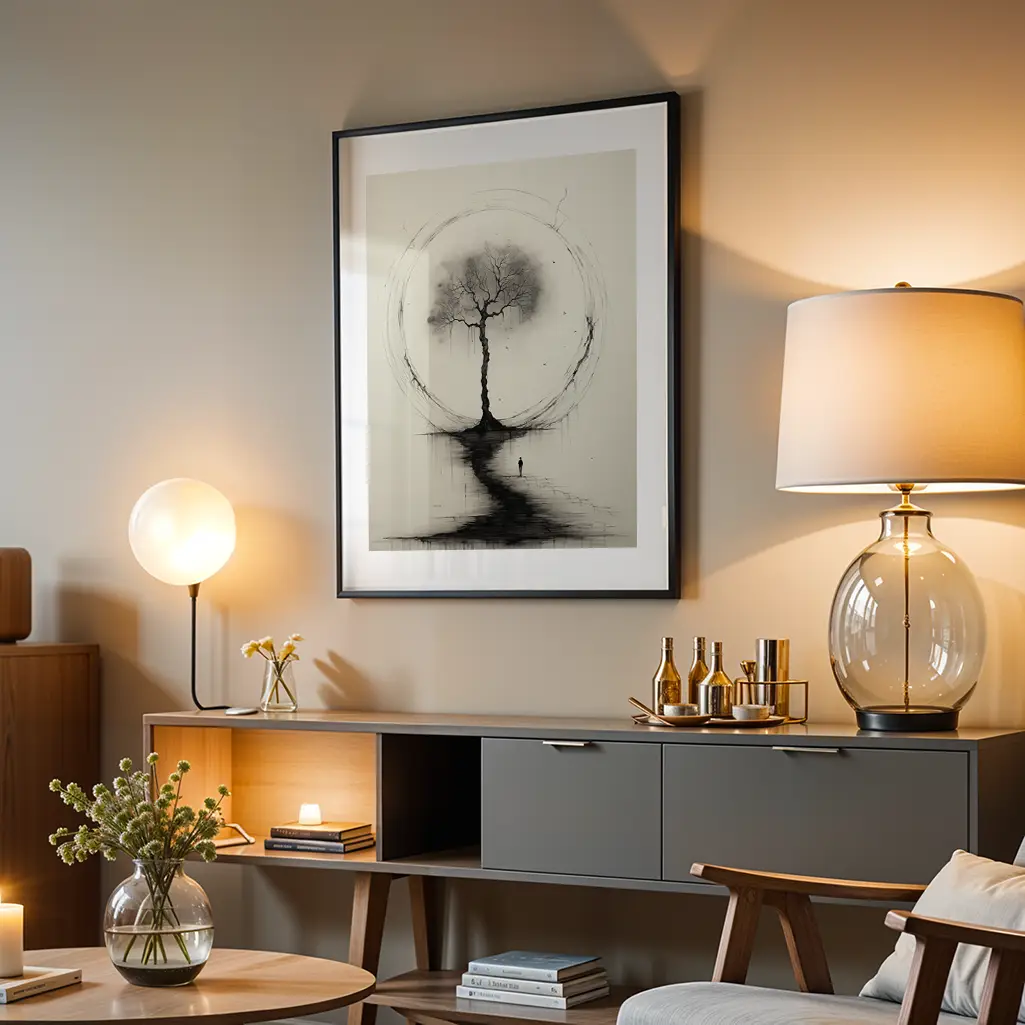
Light is its own kind of texture, and it becomes crucial when you are keeping spaces visually simple. Matte finishes on walls and ceilings diffuse daylight, softening edges and deepening shadows around textured objects. A rough plaster wall or even a subtly rolled paint application will catch light differently over the course of a day, giving a quiet room a surprising amount of movement. At night, warm, low-level lighting close to textured surfaces turns them into small landscapes: the grain of a wooden headboard, the weave of a curtain, the folds in a throw at the end of a sofa. You are not adding more objects; you are simply illuminating the depth that is already there.
Scale matters as well. In a pared-back space, a large, clearly textured element often works better than many small decorative pieces. One oversized jute or wool rug, one thickly knit throw, or one heavy linen curtain panel can stand in for a whole shelf of accessories. Because minimalist rooms rely on negative space, giving a single textured piece room to breathe lets it feel like an anchor rather than an embellishment. The emptier the room, the more your textures can afford to be generous.
The most satisfying minimalist homes are honest about use. Let your textures reflect how you actually live. A kitchen stool that shows wear at the seat, a table that has gained faint rings despite your best efforts, a sofa cushion that has permanently softened at one corner where you always read: these are not failures of discipline but records of presence. When chosen thoughtfully, textures are resilient enough to accept those marks and fold them into the story of the room.
In the end, a minimalist home that feels cozy is less about strict rules and more about listening with your eyes and hands. If a space looks calm but feels tense, pay attention to the surfaces that greet you. Ask whether there is enough softness underfoot, enough unevenness to catch the light, enough warmth to invite touch. Every adjustment in texture is a way of quietly renegotiating how your home meets your body. The lines stay simple, the palette stays soft, but life itself becomes the final, most important layer.