Modern farmhouse has become a kind of domestic shorthand. A sliding barn door here, a shiplap wall there, and suddenly a suburban split-level is costume-playing as a country house. But beneath the trend and television gloss, there is a quieter idea worth keeping: a home that feels composed, practical and gentle on the eyes, but still offers the warmth of a lived-in farm.
To get there, the question is not how many "farmhouse" objects you can gather, but how you can interpret the honesty of rural spaces in a way that feels right for a contemporary life. That means paring back, editing, and letting light and proportion do as much talking as décor.
The first wave of modern farmhouse revival traded in amplified nostalgia: heavily distressed woods, faux antiques, scripted signs reminding everyone to "gather", and a near-monopoly of gray paint. The effect could be cozy, but often felt more like a stage set than a home. The updated version asks a different question: How do we keep the spirit of that practicality without living inside a postcard?
Start by thinking in verbs instead of nouns. Rather than "I need a farmhouse table," try "I need a surface where we eat, work, and spread out projects." This subtle shift pushes you toward pieces that earn their keep. A table with a solid wood top and sturdy legs, even if it is crisply modern, honors the same logic as its rural ancestor.
There is also a shift in how texture is handled. Old-school rustic leaned heavily on rough beams and dark, knotty surfaces. A cleaner modern farmhouse look softens the contrast. Wood is lighter and less aggressively distressed, often finished smoothly so it reflects light. The room becomes a dialogue between matte and soft sheen: a linen slipcovered sofa against a pale oak floor, a glazed ceramic lamp on a honed stone console. You still get warmth, but the eye can rest.
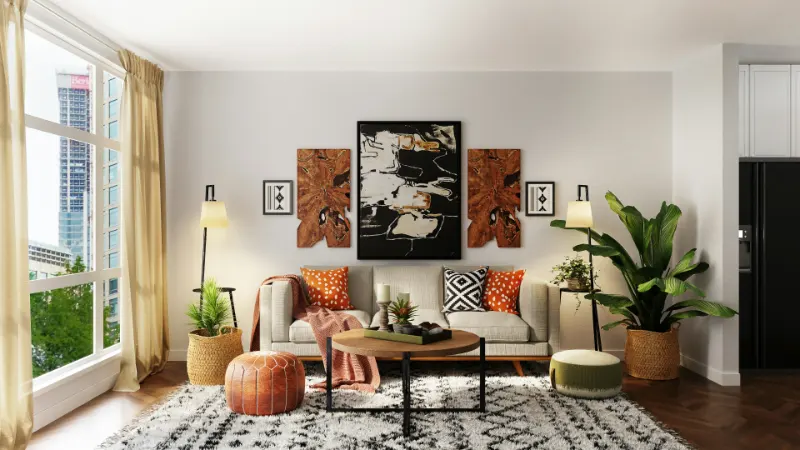
Color follows the same editing principle. Instead of pure white everything, think of a family of gentle neutrals—warm whites, oatmeal, greige, mushroom—interrupted by small, grounded moments of charcoal, black, or deep green. The farmhouse component is the sense of calm continuity; the modern component is the discipline to stop before it becomes monotone. A single striped rug or a clay-red throw can be enough contrast to keep the room from dissolving into beige fog.
Function, too, wants a quieter update. Vintage crates stacked in a corner may photograph well, but they are unpleasant to rummage through. Closed storage with clean lines—a simple armoire, well-built kitchen cabinets with shaker fronts, a bench with hidden compartments—gives you better daily life while still nodding to the visual order of old farmhouses, where clutter had to be contained.
Begin with the envelope of the room. Walls, floors and ceilings are your background, and in a clean modern farmhouse approach, they stay quiet. Painted walls in a warm off-white will bounce light without feeling sterile. If you have original wood floors, let their imperfections stand; they are your most authentic farmhouse feature. If you do not, a simple, light-toned wood or even a matte-finish laminate can still reference the idea of a working surface underfoot rather than a precious one.
Next, consider a few architectural gestures instead of many small decorations. A single, well-proportioned exposed beam, a wide farmhouse sink sitting in an otherwise streamlined kitchen, or a simple black metal stair railing can carry more visual weight than a dozen themed accessories. These gestures are like underlining in a sentence: sparingly used, they clarify intent.
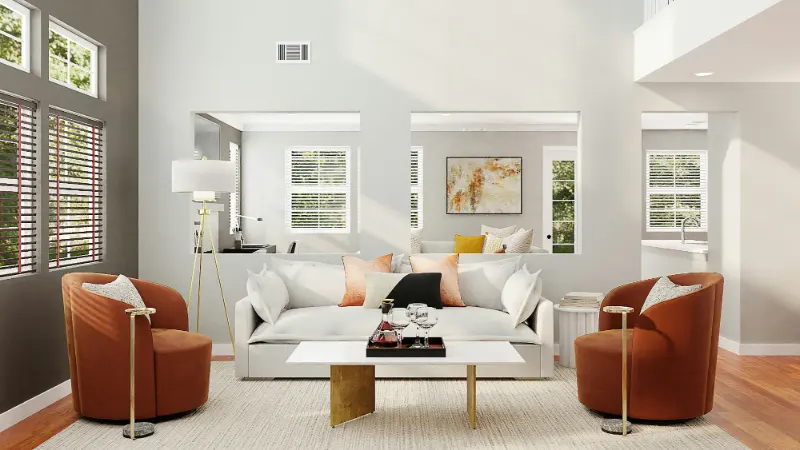
Furniture should feel generous without being bloated. Think long, low sofas in natural fabrics, chairs with visible wood frames, tables that prefer solid legs to sculptural pedestals. Sharp gloss and chrome tend to fight the mood; soft edges, canvas, linen and pale leathers support it. You are aiming for rooms where you can imagine muddy boots at the door and a pot on the stove, even if your real life is more laptops and delivery dinners.
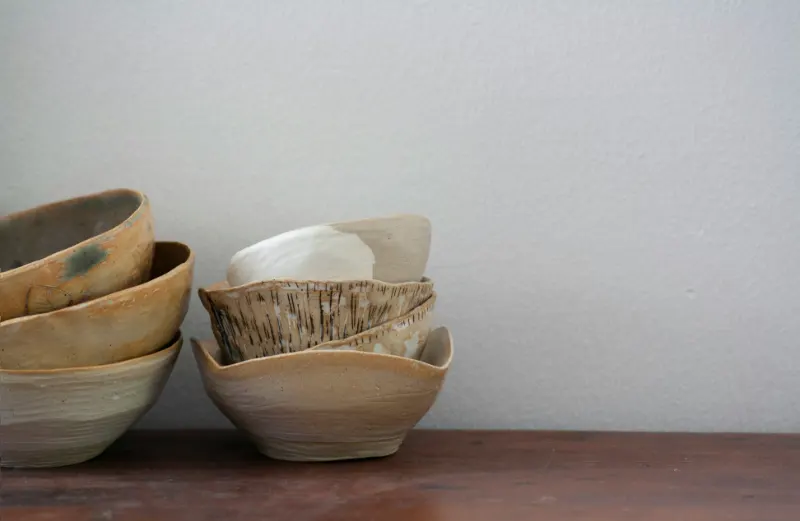
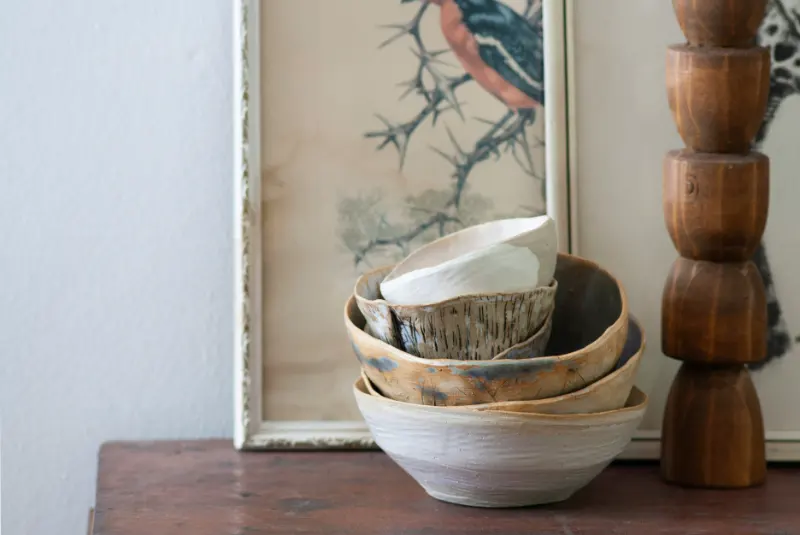
It is also worth reconsidering what you display. Modern farmhouse is often associated with open shelving and constantly styled vignettes, but an updated version invites restraint. A modest open shelf can hold everyday bowls, glasses and a single plant, while less photogenic items live behind closed doors. On a console, you might group a lamp, a stack of well-thumbed cookbooks and a handmade bowl, leaving the rest of the surface empty. The negative space is not a missed opportunity; it is what lets each object feel intentional.
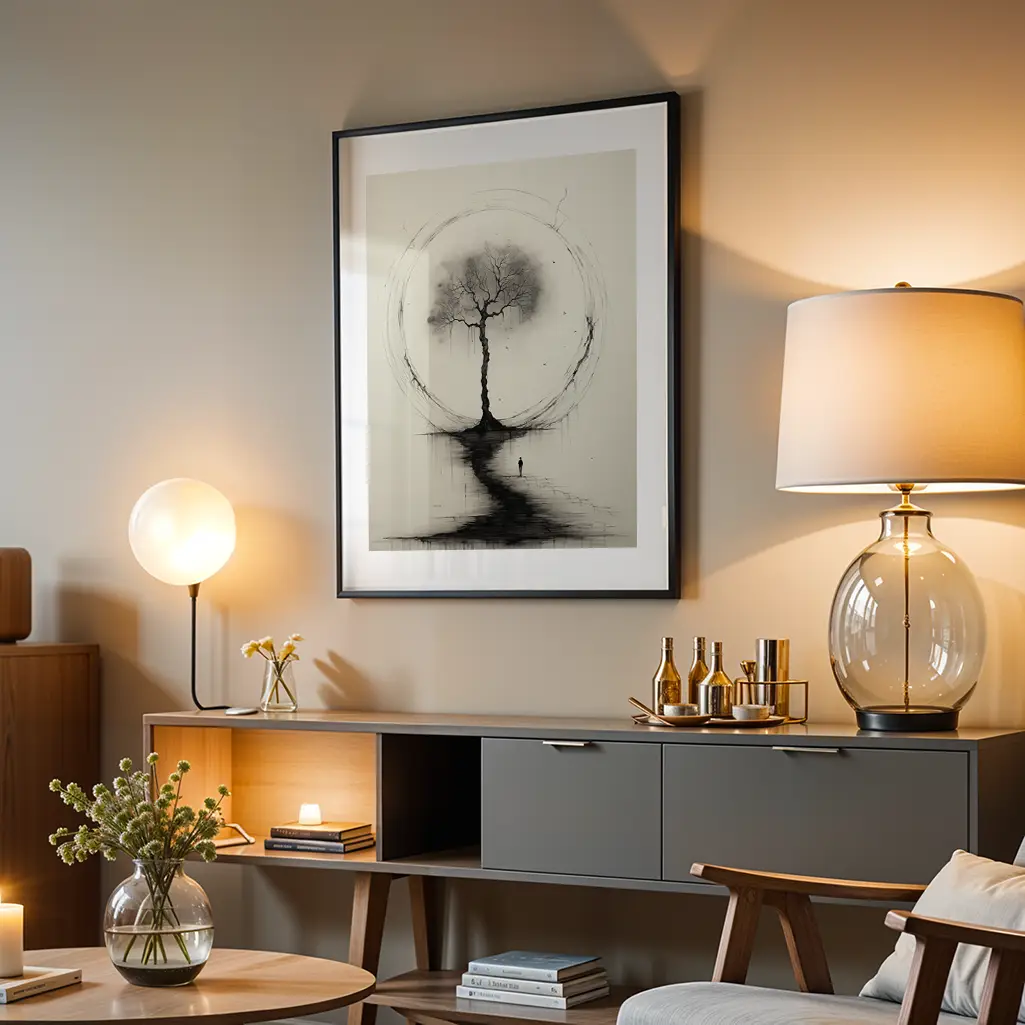
Light plays a quiet but decisive role. Large, lantern-like pendants or simple drum shades in natural fabrics bring scale without fuss. At night, multiple smaller light sources—a lamp on the sideboard, a sconce by the sink, a reading lamp by the armchair—mimic the layered glow of an old house that never had a single overpowering downlight. This layered approach softens modern lines and makes even a new build feel settled.
Finally, resist the temptation to buy the look all at once. A modern farmhouse home feels most convincing when it shows a mix of times and attitudes: the inherited quilt on a very current bed frame, the clean-lined sofa paired with a scarred wooden trunk, the ultra-efficient induction cooktop above a drawer of cast-iron pans. Let pieces arrive slowly. Let some surfaces stay intentionally bare. The style at its best is less about a performative rural fantasy and more about an honest, edited comfort—a place where you can exhale, look around, and feel that everything present is there for a reason.
To get there, the question is not how many "farmhouse" objects you can gather, but how you can interpret the honesty of rural spaces in a way that feels right for a contemporary life. That means paring back, editing, and letting light and proportion do as much talking as décor.
From Rustic Fantasy to Edited Reality
The classic American farmhouse was not styled; it was solved. Materials came from nearby, furniture was durable, and everything earned its place through use. What we now remember as charm began as necessity: painted floors that could be scrubbed, long tables that held more than one generation, hooks and pegs instead of closets.The first wave of modern farmhouse revival traded in amplified nostalgia: heavily distressed woods, faux antiques, scripted signs reminding everyone to "gather", and a near-monopoly of gray paint. The effect could be cozy, but often felt more like a stage set than a home. The updated version asks a different question: How do we keep the spirit of that practicality without living inside a postcard?
Start by thinking in verbs instead of nouns. Rather than "I need a farmhouse table," try "I need a surface where we eat, work, and spread out projects." This subtle shift pushes you toward pieces that earn their keep. A table with a solid wood top and sturdy legs, even if it is crisply modern, honors the same logic as its rural ancestor.
There is also a shift in how texture is handled. Old-school rustic leaned heavily on rough beams and dark, knotty surfaces. A cleaner modern farmhouse look softens the contrast. Wood is lighter and less aggressively distressed, often finished smoothly so it reflects light. The room becomes a dialogue between matte and soft sheen: a linen slipcovered sofa against a pale oak floor, a glazed ceramic lamp on a honed stone console. You still get warmth, but the eye can rest.
Color follows the same editing principle. Instead of pure white everything, think of a family of gentle neutrals—warm whites, oatmeal, greige, mushroom—interrupted by small, grounded moments of charcoal, black, or deep green. The farmhouse component is the sense of calm continuity; the modern component is the discipline to stop before it becomes monotone. A single striped rug or a clay-red throw can be enough contrast to keep the room from dissolving into beige fog.
Function, too, wants a quieter update. Vintage crates stacked in a corner may photograph well, but they are unpleasant to rummage through. Closed storage with clean lines—a simple armoire, well-built kitchen cabinets with shaker fronts, a bench with hidden compartments—gives you better daily life while still nodding to the visual order of old farmhouses, where clutter had to be contained.
Designing a Calm, Warm Space You Can Actually Live In
If you look closely at rural houses that have aged gracefully, a pattern emerges: they do not try too hard. The objects in them look like they were chosen one by one, in response to real needs, not to satisfy a checklist. To bring that feeling into a modern home, it helps to think less about recreating a style and more about curating a mood.Begin with the envelope of the room. Walls, floors and ceilings are your background, and in a clean modern farmhouse approach, they stay quiet. Painted walls in a warm off-white will bounce light without feeling sterile. If you have original wood floors, let their imperfections stand; they are your most authentic farmhouse feature. If you do not, a simple, light-toned wood or even a matte-finish laminate can still reference the idea of a working surface underfoot rather than a precious one.
Next, consider a few architectural gestures instead of many small decorations. A single, well-proportioned exposed beam, a wide farmhouse sink sitting in an otherwise streamlined kitchen, or a simple black metal stair railing can carry more visual weight than a dozen themed accessories. These gestures are like underlining in a sentence: sparingly used, they clarify intent.
Furniture should feel generous without being bloated. Think long, low sofas in natural fabrics, chairs with visible wood frames, tables that prefer solid legs to sculptural pedestals. Sharp gloss and chrome tend to fight the mood; soft edges, canvas, linen and pale leathers support it. You are aiming for rooms where you can imagine muddy boots at the door and a pot on the stove, even if your real life is more laptops and delivery dinners.
It is also worth reconsidering what you display. Modern farmhouse is often associated with open shelving and constantly styled vignettes, but an updated version invites restraint. A modest open shelf can hold everyday bowls, glasses and a single plant, while less photogenic items live behind closed doors. On a console, you might group a lamp, a stack of well-thumbed cookbooks and a handmade bowl, leaving the rest of the surface empty. The negative space is not a missed opportunity; it is what lets each object feel intentional.
Light plays a quiet but decisive role. Large, lantern-like pendants or simple drum shades in natural fabrics bring scale without fuss. At night, multiple smaller light sources—a lamp on the sideboard, a sconce by the sink, a reading lamp by the armchair—mimic the layered glow of an old house that never had a single overpowering downlight. This layered approach softens modern lines and makes even a new build feel settled.
Finally, resist the temptation to buy the look all at once. A modern farmhouse home feels most convincing when it shows a mix of times and attitudes: the inherited quilt on a very current bed frame, the clean-lined sofa paired with a scarred wooden trunk, the ultra-efficient induction cooktop above a drawer of cast-iron pans. Let pieces arrive slowly. Let some surfaces stay intentionally bare. The style at its best is less about a performative rural fantasy and more about an honest, edited comfort—a place where you can exhale, look around, and feel that everything present is there for a reason.