Two Words We Use Interchangeably, But Shouldn’t
Modern vs contemporary style is one of those design riddles people nod along to in showrooms and Pinterest comment threads, quietly hoping no one asks for a definition. They look similar at first glance: clean lines, open space, lots of light, very few frills. Yet under the surface, they tell different stories about time, values and how a home should feel.Think of "modern" as a snapshot from a very specific era and "contemporary" as a live broadcast. Modern design refers to a historical movement, most notably from the early to mid 20th century. It was shaped by architects and designers who believed homes should be honest, functional and stripped of excess. Contemporary design, by contrast, is whatever feels current now. It is a moving target, constantly absorbing new materials, technologies and cultural moods.
Getting this distinction wrong is not a crime, but understanding it can change how you decorate. Suddenly, you know why a walnut credenza with tapered legs feels different from a glossy white console floating on a nearly invisible base. You start to see why one room whispers "calm" and another leans into drama, even though both are technically minimal.
The difference also matters emotionally. Modern interiors often feel grounded, warm and quietly orderly, as if your home has found its rhythm and intends to keep it. Contemporary rooms tend to feel lighter on their feet, perfectly willing to update themselves when your life or the culture shifts. Knowing which rhythm suits you is a surprisingly practical way to make better choices and stop buying pieces that only feel right for a season.
What "Modern" Really Means at Home
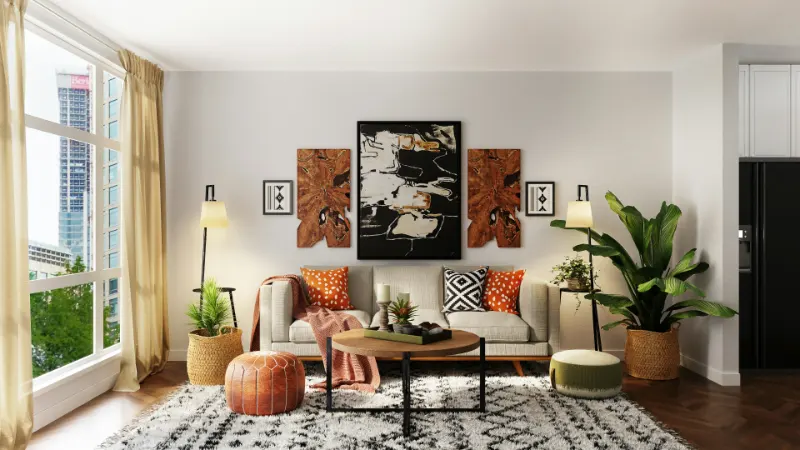
Modern interiors grew out of a reaction to industrial clutter and historical ornament. Designers looked at crowded Victorian rooms and said, in essence, there is too much noise. The response was "form follows function": every piece of furniture should earn its place by doing its job well and looking like what it is.In a modern living room, you will notice low, horizontal furniture that respects the line of the architecture rather than trying to dominate it. Think of a rectilinear sofa in a textured neutral fabric, a simple wood coffee table with visible grain, a chair that feels like a thoughtful drawing made three dimensional. Surfaces tend to be matte or softly reflective rather than shiny. The palette leans toward warm whites, beiges, browns, black and occasional primary colors, used sparingly.
The warmth is important. Modern design is often confused with cold minimalism, but its best rooms feel human. Natural materials carry the weight here. Wood with visible grain, stone with variation, wool and linen textiles, perhaps a woven rug that anchors the room. The lines remain clean, but the textures invite touch. A modern kitchen, for instance, might pair flat front wood cabinets with a simple stone countertop, hardly any upper cabinet clutter and a long, unbroken work surface. You see the architecture and the material, not the hardware.
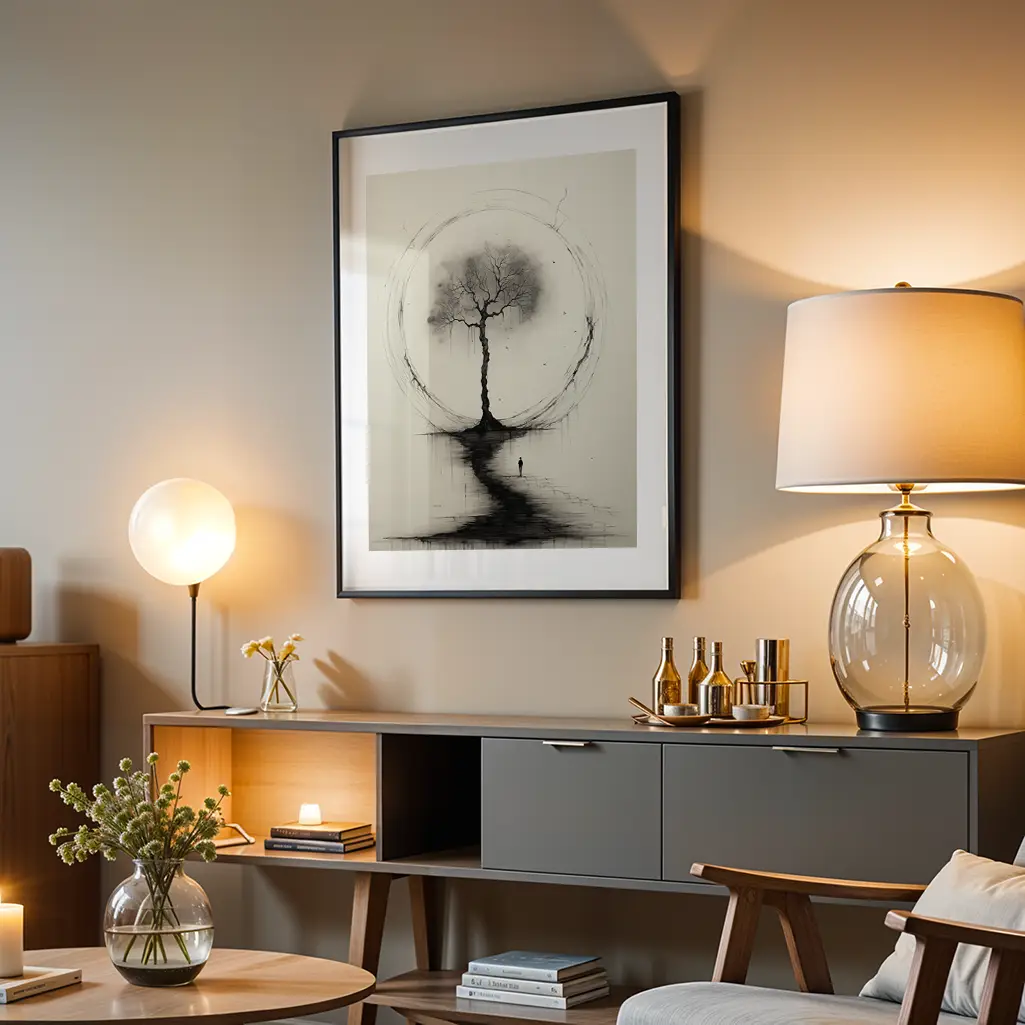
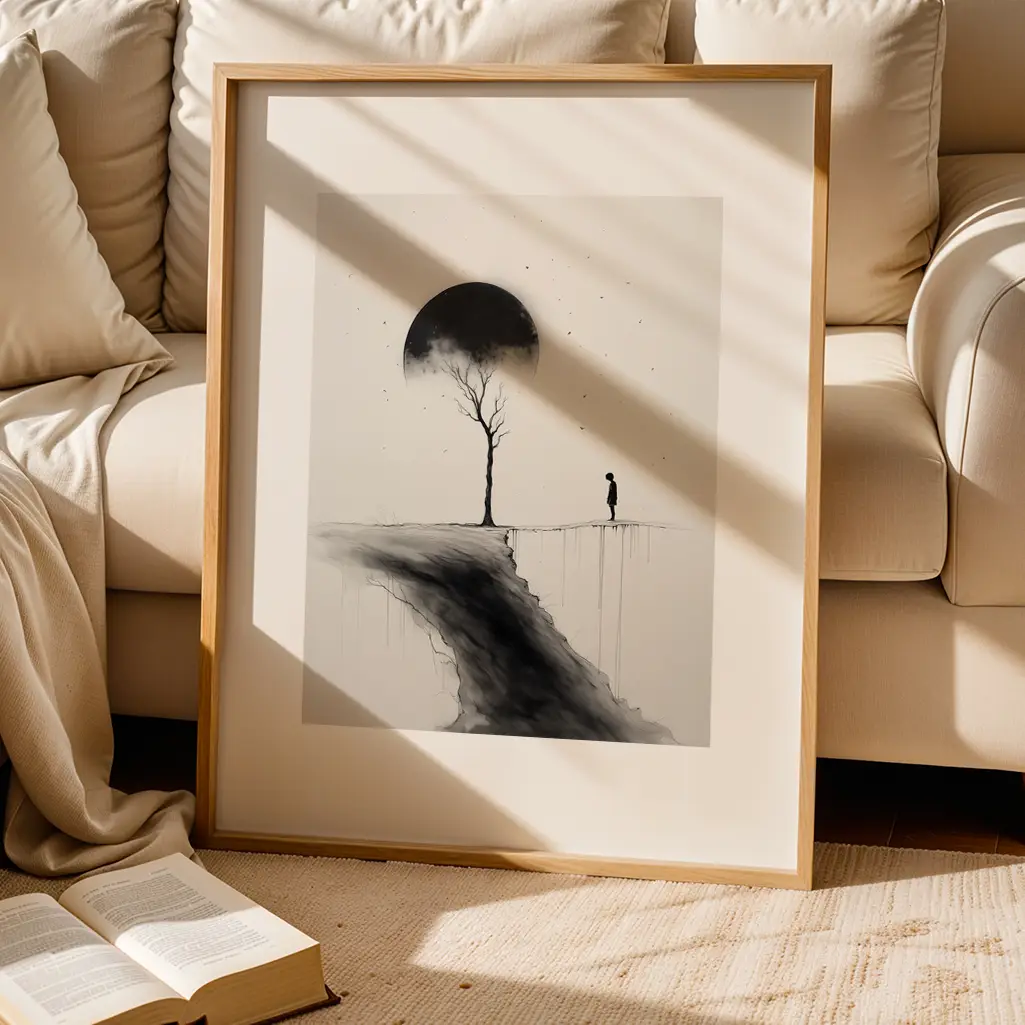
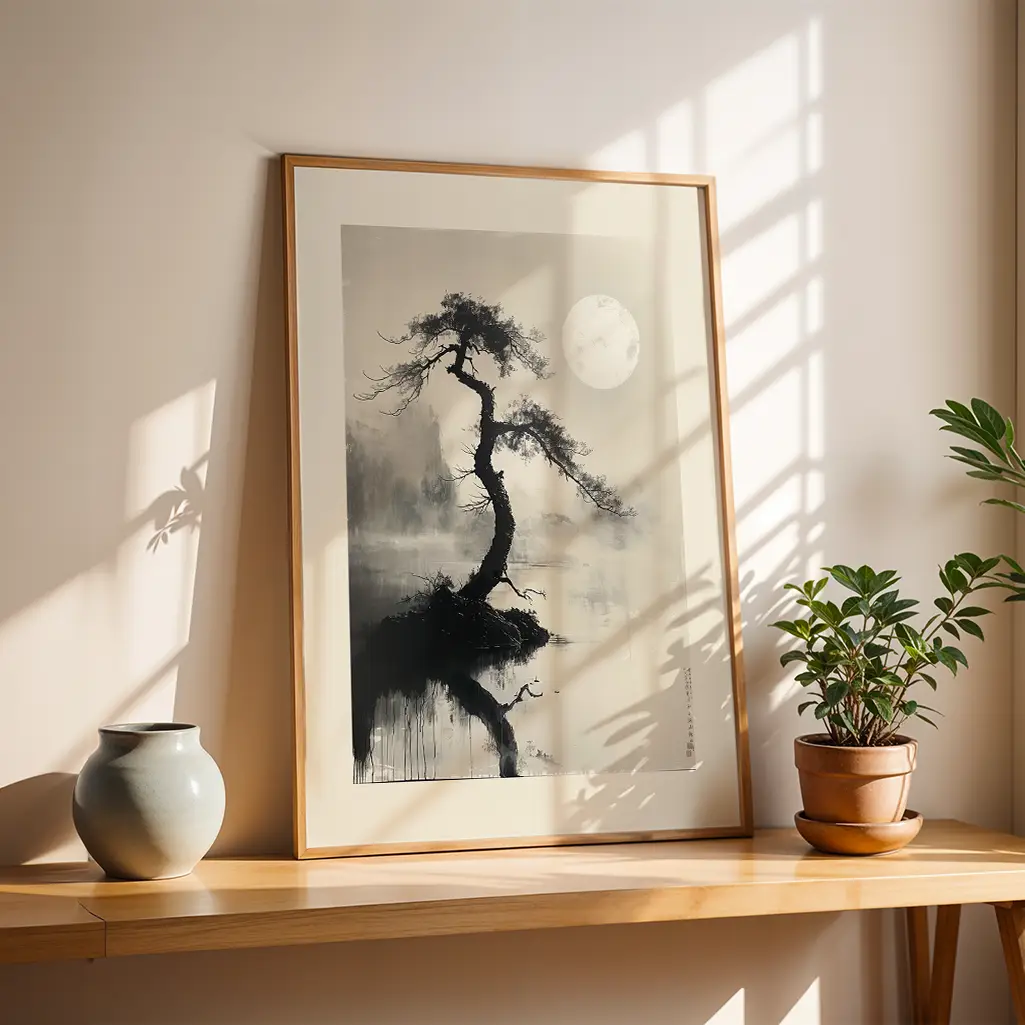
Modern spaces are also unusually calm because they treat negative space as an active ingredient. Instead of filling every corner, they leave intentional gaps in the composition. A single large artwork on a clean wall, a pendant lamp with room to breathe, a reading chair that does not need a companion piece to justify itself. This is where the connection to certain Zen principles quietly shows up: less visual noise, more attention to what remains.
Living in this kind of modern space tends to feel like living with a set of considered rules. There is a visual language and it rarely changes: straight lines more than curves, limited color, a preference for honest materials over decorative surfaces. For some people, this clarity is deeply soothing, a way to come home to a place that feels timeless rather than trendy.
Why Contemporary Feels Different, Even When It Looks Similar
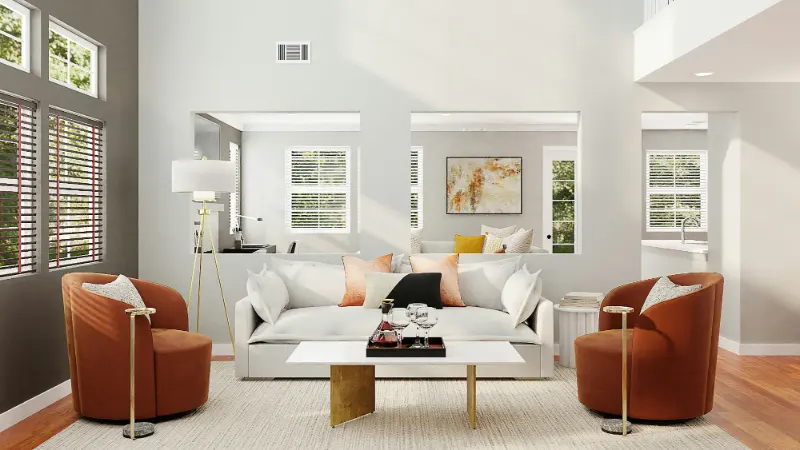
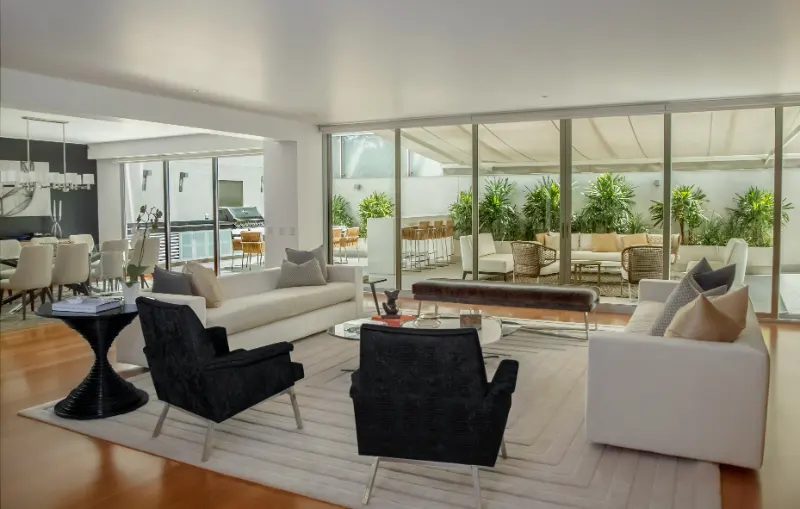
Contemporary design borrows freely from modernism but refuses to stay in one era. It looks around at what architects, artists, furniture makers and even technology companies are doing and folds that into the home. The result is minimal at times, eclectic at others, but always tied to the present moment.Where modern spaces often privilege wood and stone, contemporary interiors are more likely to mix in glass, polished metals, engineered surfaces and unexpected textures. A contemporary living room might pair a sleek sectional with curved edges, a sculptural coffee table in stone or resin and a statement light fixture that feels more like jewelry than infrastructure. The color palette can still be quiet, but it is less rule bound. Muted greens, dusty blues, even a saturated accent wall can sit comfortably in a contemporary composition.
The lines soften too. Contemporary rooms are more open to curves, asymmetry and pieces that feel almost futuristic. A chair with a continuous swooping form, a sofa that floats on hidden legs, a dining table with an irregular live edge. There is often a playfulness in proportion, like an oversized pendant above a very simple table, or artwork that intentionally resists perfect centering.
Because contemporary design is always updating, it is particularly receptive to new ways of living. Hidden storage for devices, integrated charging, flexible furniture that can shift from work to gathering, fabrics designed to be kid and pet friendly without looking utilitarian. In many contemporary spaces, sustainability, wellness and digital life are design problems to solve, not afterthoughts.
For a home that aims to feel contemporary rather than strictly modern, the question becomes less about following a historical vocabulary and more about aligning your space with your current life. You might keep the restraint and openness of modernism but allow yourself a bolder rug, a curved sofa, a color that feels like this particular decade. You can layer vintage modern pieces with newer designs and not worry if a purist would object.
Deciding between modern vs contemporary style is less about picking a team and more about choosing an anchor. If you are drawn to a stable, almost meditative backdrop, let modern principles guide you and treat deviations as accents. If you prefer a home that can evolve and flirt with what feels fresh, lean contemporary and allow yourself to edit as your taste matures.
Either way, the most successful spaces share a discipline: they know when to stop. Leave room for light to travel across a bare section of wall, for a single piece of furniture to hold the eye, for your own life to be the most decorative thing in the room. When you work with that kind of intention, the labels fade, and what remains is a home that feels quietly, unmistakably like you.