
Reading the Year Like a Room
Designing a home that really supports you has less to do with buying the perfect sofa and more to do with learning how to read the seasons. Nature moves through a cycle of brightening, opening, grounding and retreating. Your space can mirror that same rhythm, not with themed decor or holiday clutter, but with small, deliberate shifts in light, texture and air.Think of each season not as a weather report, but as a mood: "spring light," "summer air," "autumn earth," "winter quiet." These four phrases describe a psychological climate as much as a physical one. When you let them guide how your rooms look and feel, your home stops being a fixed backdrop and starts becoming a living companion.
Most interiors are stuck in one emotional gear. A perpetually bright, white, hard-surfaced apartment can feel exhilarating in June and strangely brittle in January. A cozy, low-lit nest works beautifully in November, then feels heavy by April. Seasonal tuning is about quietly adjusting your surroundings the way you might adjust clothing: layers on, layers off, according to what your body and mind need.
You do not need four sets of furniture or a storage unit full of seasonal gimmicks. You need a few flexible elements: how you handle light, how much visual openness you allow, what textures touch your skin, and how you invite or protect yourself from sound. The rest is a practiced attentiveness, the kind that notices when the first spring ray hits your floor or when the air in your bedroom starts to feel like it wants to thicken and hold you.
This is less about style and more about alignment. If you tend toward anxiety, spring and summer might ask for more restraint in color and clutter. If you lean toward low energy, autumn and winter might benefit from deliberate sparks of brightness. Start by observing your own internal weather across the year. Which months feel light, which feel dense, which feel frantic, which feel fruitful? Then let each seasonal nature mood become a gentle prescription for your rooms.
Spring Light and Summer Air: Rooms That Breathe
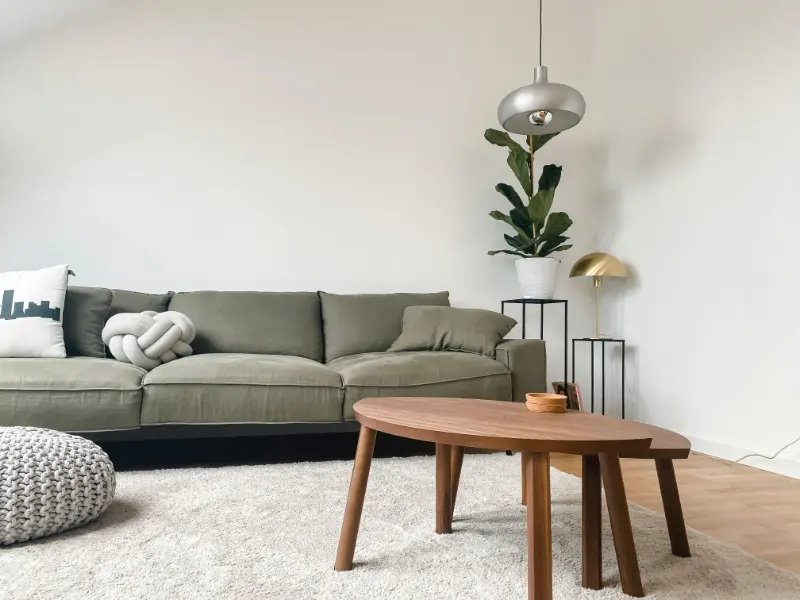
"Spring light" is less a season than a sensation: that first thin, almost watery brightness that arrives after months of gray. It does not yet warm you, but it reveals surfaces, dust, forgotten corners. In the home, spring light is about permission to see again. Instead of rushing to add pastels or floral prints, start by subtracting. Clear a horizontal surface until it feels almost bare and notice how light behaves on it through the day. Wash or change a single curtain panel so the fabric diffuses light rather than swallowing it. Clean a window not for the chore, but to honor the first sunbeam that will cross your floor like a drawn line.Spring is the right time to question what has become visually heavy. A stack of blankets that felt like a cocoon in January may now look like a pile of fatigue. Pare back textiles to a minimum that still feels kind. Introduce living green quietly: a sprig in a glass, a single plant that feels upright and fresh rather than lush and jungly. The point is not a makeover but a subtle shift from introspection to curiosity. "Could this corner hold more light if I moved that chair two inches?" becomes your guiding question.
When the year leans into "summer air," the light is no longer tentative; it is expansive. Rooms can breathe more deeply if you let their edges blur a little. Consider how air flows through your home. Open opposing windows even for a few minutes each morning to allow a cross-breeze that changes the emotional temperature of a room. Lighten what touches your skin: crisp cotton sheets, thinner curtains that catch and billow, a rug rolled back in one area so bare floor can feel cool underfoot.
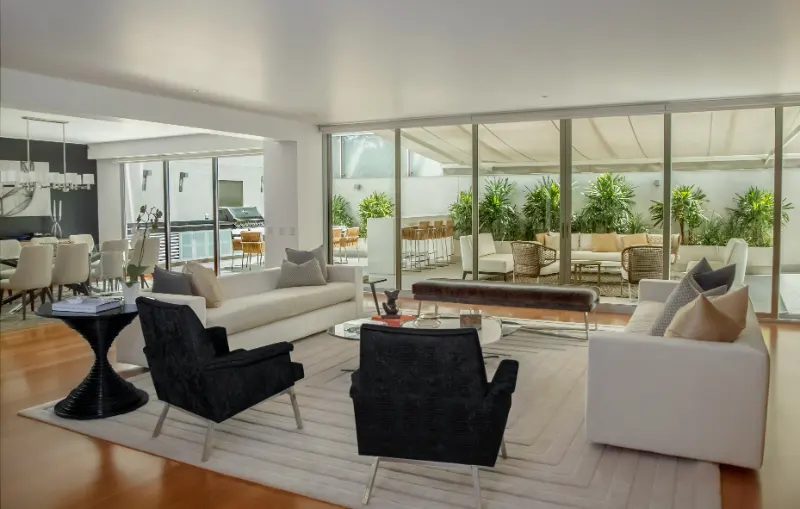
Summer air in a room is also about a sense of ease. Objects that demand too much attention, visually or mentally, feel off-key. This is a good season to simplify patterns and foreground emptier surfaces that act like pauses for the eye. Resist the urge to fill every wall. A blank, sunlit section of plaster is a summer luxury, the visual equivalent of lying under an open sky. If you can, let one chair or reading spot face not a screen but a window, balcony or even a small container garden. You are creating tiny invitations to step mentally outside, even if your life is mostly lived indoors.
The risk of summer interiors is overexposure: too much glare, too much openness, a loose, unfocused energy. If the long days leave you restless, soften the light with a sheer fabric or a woven shade that filters instead of blocks. A bowl, a tray or a single grounded object on a table can act as an anchor, preventing all that air from tipping into agitation. Summer is not only about expansion; it is about learning how wide you personally can expand without dissolving.
Autumn Earth and Winter Quiet: Rooms That Hold
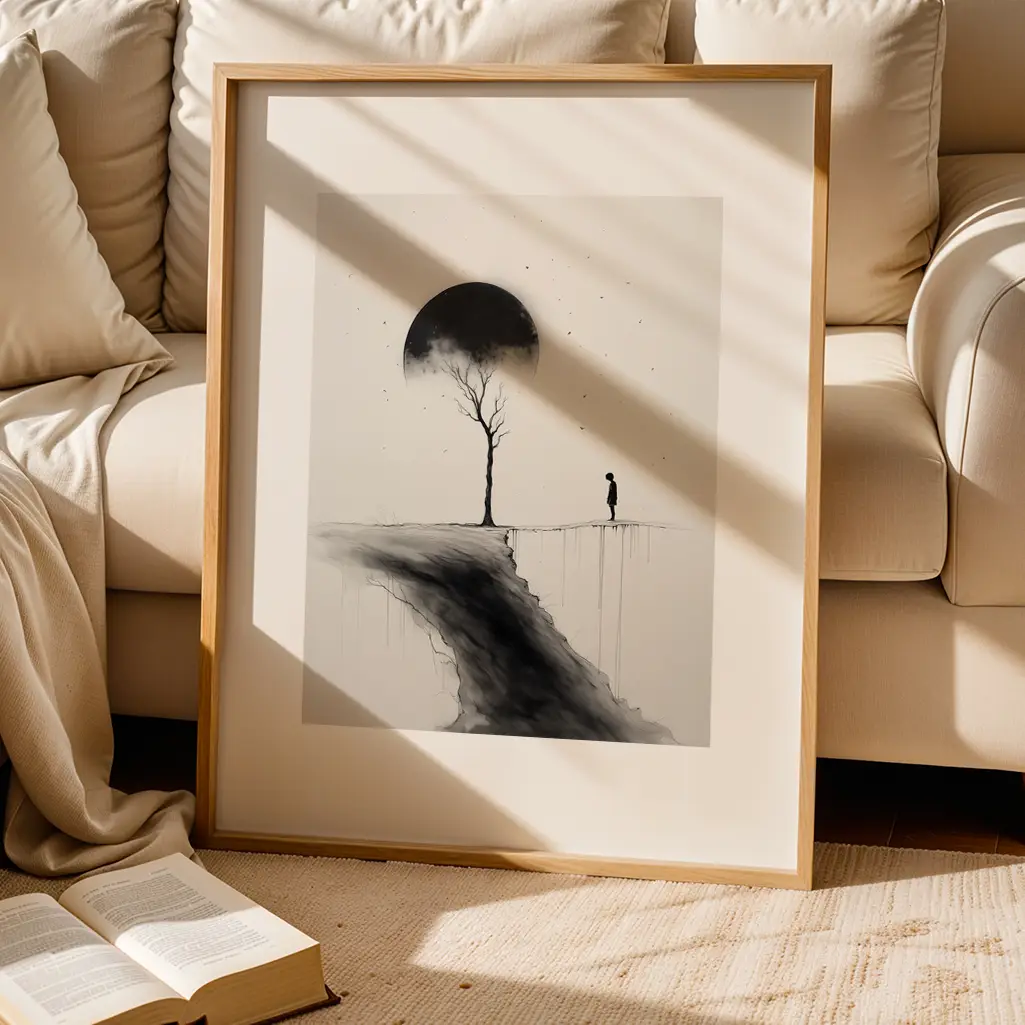
By the time "autumn earth" arrives, your attention naturally drops from the sky to the ground. The world outside thickens: soil, leaves, the smell of rain. Indoors, this is the season for deliberate weight. Not clutter, but depth. Add textiles that feel slightly denser: a wool throw at the foot of the bed, a cushion with a textured weave, a heavier curtain panel that reshapes the sound in a room. Color can descend a few tones into the soil range: rust, moss, umber, deep olive. Even a single object with an earthy presence, like an unglazed ceramic vessel or a wooden bowl, can re-tune a whole surface.Autumn earth asks your home to support focus and harvest. This is a good moment to define a work table or reading corner with more intention. Arrange books you want to actually read within arm’s reach. Bring a lamp closer so light becomes more localized and golden rather than general and white. The feeling you are after is not dimness, but concentration, as if the room itself were leaning in with you. Let nature in, but in gathered form: a branch, dried grasses, the last green leaves. These become quiet reminders that outside is preparing to rest, and you are allowed to follow.
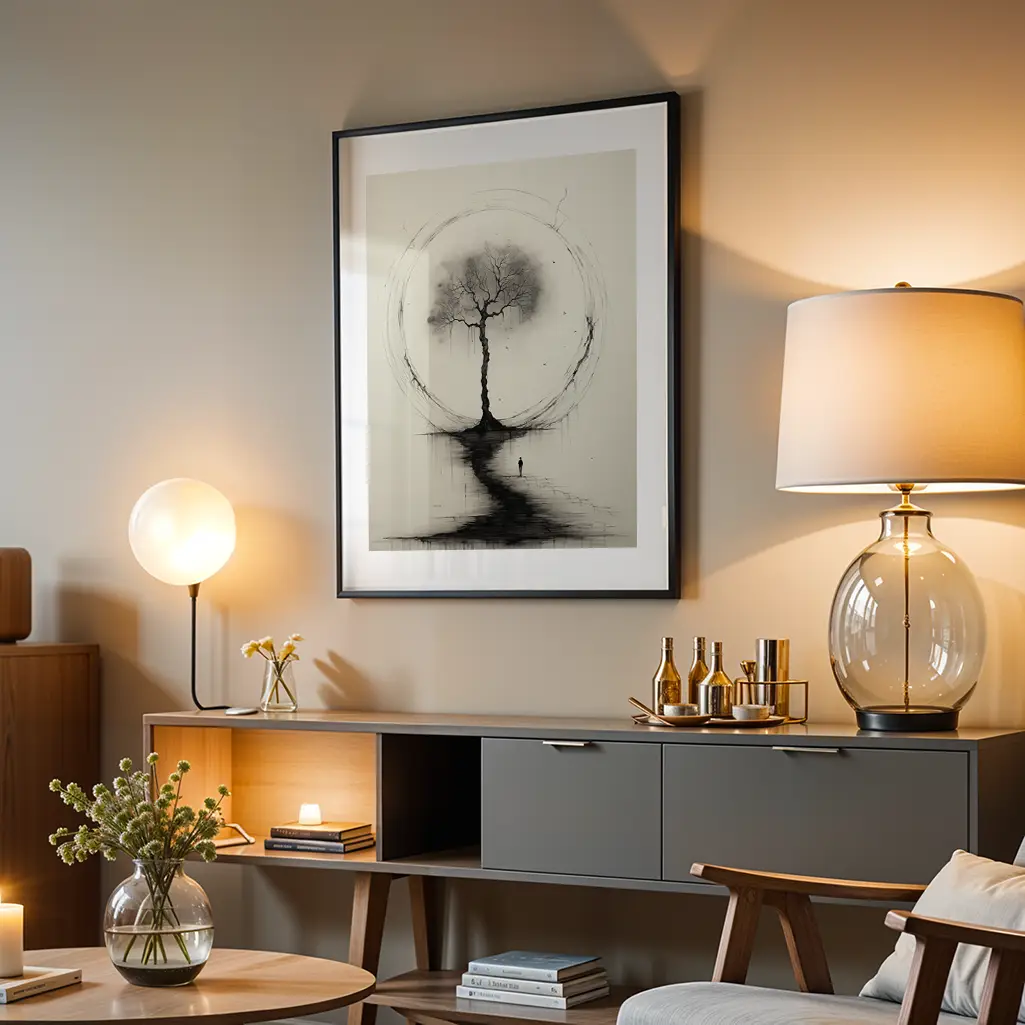
"Winter quiet" is the deepest inward turn. The landscape simplifies to silhouettes and shadows. Indoors, sound carries differently, and darkness comes earlier than your to-do list would like. Design that fights this reality with endless brightness often feels harsh. Instead, work with the quiet. Use layered, lower points of light: a table lamp here, a small glow in the kitchen there, leaving some corners deliberately in shadow. Shadow is not neglect; it is where the eye and mind can finally relax.
Winter quiet in a room is also tactile. Elevate contact surfaces: the mug you reach for, the blanket edge against your wrist, the rug under your bare feet when you step out of bed. Fewer, better textures make a larger emotional impact than more decorative objects. Sound becomes part of design too. Heavy curtains, bookshelves and textiles all soften the acoustic edges, making a room feel more like a held note than an echoing hall.
The emotional risk of winter is stagnation. To keep the quiet from tipping into numbness, maintain small signs of life: a candle lit for no reason other than marking dusk, a bowl of citrus on the table, a lamp on a timer so one warm square of light greets you before you enter a dark apartment. These are not decorations so much as tiny rituals that keep you in conversation with your home.
Across the year, allow yourself to move with these four seasonal nature moods rather than imposing a single, unchanging aesthetic. Spring light invites you to reveal and edit. Summer air encourages expansion with gentle anchors. Autumn earth asks for substance and focus. Winter quiet offers rest and depth. Your space does not need to shout any of this. Soft, almost invisible shifts are enough. Over time, you may notice that your nervous system recognizes the cycle before your calendar does, and your home becomes not just where you live, but how you live through the year.