The psychology of hard materials
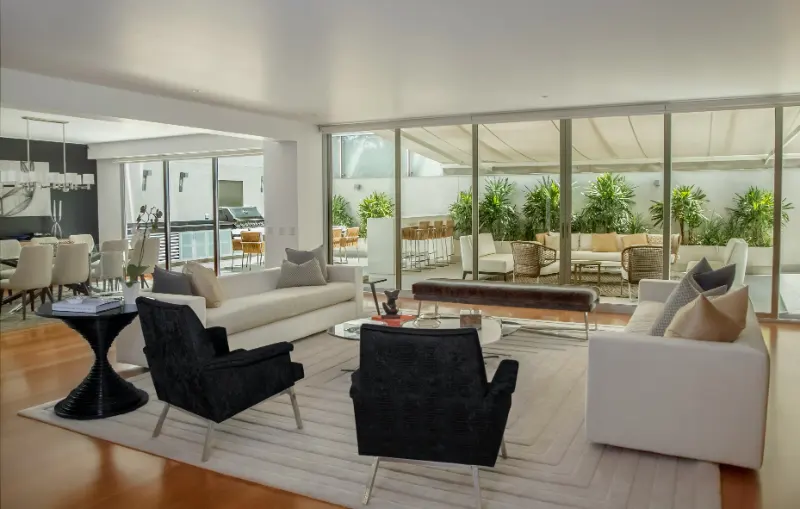
Stone and concrete have a reputation problem. They are read as "cold" long before we register their color, texture or temperature. The reaction is mostly psychological, rooted in the way our brains equate softness with safety and roughness with exposure. Yet walk into a centuries-old stone farmhouse or a minimal Japanese concrete house and you may feel surprisingly held and calm. The hardness did not change; the context did.What makes the difference is how these materials are balanced and framed. Hard surfaces reflect light; soft surfaces absorb it. If a room is dominated by stone and concrete, light tends to ping around in sharp highlights and deep shadows. That contrast can feel austere or even unforgiving. When the same materials are surrounded by matte finishes, textiles and warm colors, reflections soften and the eye stops searching for escape routes. The room reads as a cohesive envelope rather than a stage set.
Temperature also plays a subtler role than we assume. Stone and concrete often feel cool because they conduct heat away from our skin quickly. We interpret that as emotional distance. But underfloor heating, a heavy rug or simply slippers can flip the narrative. The stone has not changed character; our bodily experience of it has. Rather than fighting the material, it helps to ask how you want to feel as you move through the room and then design micro moments of comfort against the hard shell. A chair that hugs the back under a concrete beam or a wool runner over a stone corridor can persuade your nervous system that the space is on your side.
Scale matters as well. When stone and concrete appear in large uninterrupted planes, they can feel monumental and impersonal. Breaking those planes into human scaled elements allows your body to relate. A kitchen island carved from a single block of stone can feel imposing, but pulled away from the wall, paired with upholstered stools and warmed by pendant lights, it becomes a gathering point. The same material that once felt like a boundary turns into an anchor. Warmth is less about softening every surface and more about giving the body clear cues about where to rest, gather and pause.
Using light, color and texture to soften edges
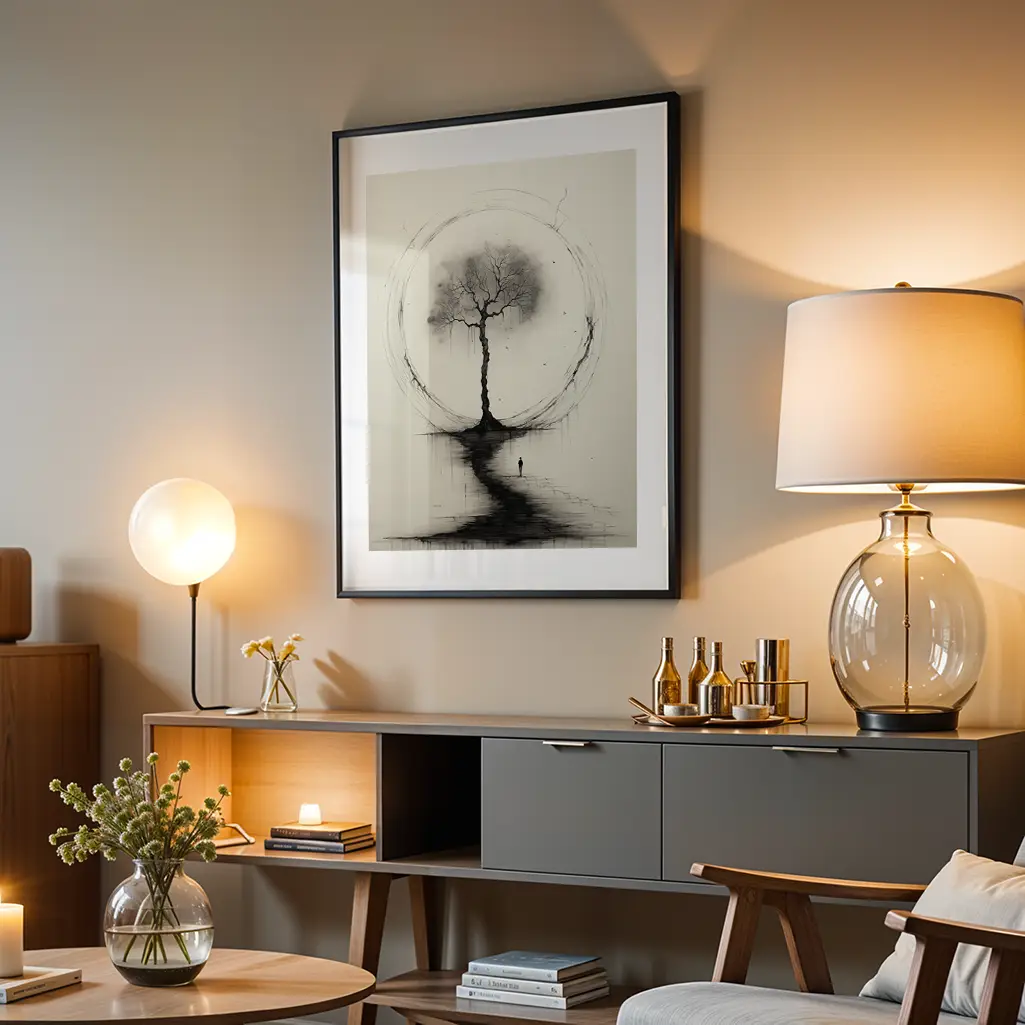
Light is the most powerful tool for warming stone and concrete interiors, and it does not need to be dramatic. Hard surfaces can create glare if lit only from a single strong source, especially overhead. When light hits concrete at a steep angle, every pore and trowel mark sharpens, giving an industrial edge. Introduce layered lighting and the mood shifts. A combination of low table lamps, wall lights that wash gently across stone and small pools of light near seating allows the surfaces to glow rather than stare back at you.Color temperature matters as much as placement. Bulbs that lean toward warmer whites make stone veining look more nuanced and concrete more complex, like wet riverbed pebbles rather than sidewalk slabs. A very blue white light exaggerates the "parking garage" feeling. When in doubt, choose a warm, consistent color temperature and repeat it throughout one room so your eye experiences continuity instead of a patchwork of competing whites.
Color in furnishings and finishes can also challenge the stereotype of hard equals cold. Stone and concrete have deep, quiet undertones that tend to harmonize with earthy palettes. A concrete wall with a hint of green gray comes alive next to tobacco leather, rust linen or chalky plum. Pale limestone floors feel warmer when paired with creams, sands and browns that echo their mineral variations. Even if you love a mostly neutral room, introducing a handful of deeper tones grounds the space and keeps it from floating in a blur of beige and gray.
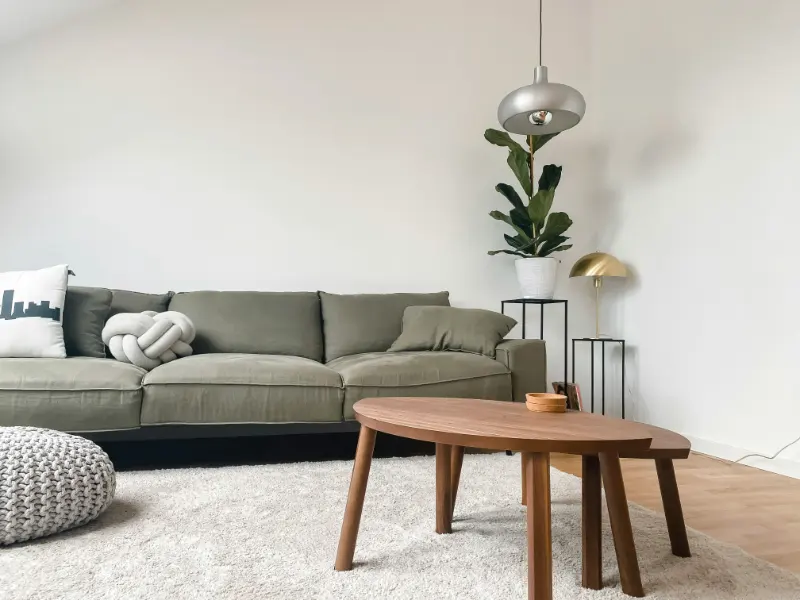
Texture is where the alchemy really happens. Polished concrete can read almost like glass. Honed or lightly brushed finishes diffuse reflections and invite touch. The more irregular the surface, the more forgiving the space feels, because it already anticipates wear and patina. Surround these hard surfaces with textiles that have a story in their weave. Wool rugs, quilted throws, linen curtains that pool slightly at the floor and cushions with subtle patterning all offer micro scales of softness that counterbalance the macro hardness of stone and concrete.
Even a single textile can recalibrate the room. A long runner along a concrete hallway breaks up the echo of footsteps. Sheer curtains across a stone framed window soften the outline of the opening and modulate sun and shadow throughout the day. Instead of trying to hide the stone or cover every square inch of concrete, aim to create a rhythm: hard, then soft, then hard again. That alternation keeps the space visually interesting while giving your body continuous pockets of comfort.
Composing a warm narrative with objects and ritual
A stone and concrete interior can feel like a gallery if there is no evidence of life. The key is to curate objects that can hold their own against the weight of the architecture without competing for attention. Natural woods are an obvious ally. Oak, ash, walnut and even humble pine introduce warmth through tone and grain. Their organic lines contrast with the rectilinear logic of concrete forms, reminding you that the house is for living, not just looking. A simple timber bench along a concrete wall can act as both seating and a quiet bridge between materials.Metal, used thoughtfully, can also soften rather than sharpen. Aged brass, bronze and blackened steel have depth and variation that echo the mineral qualities of stone. A brass reading lamp on a concrete ledge or a dark metal frame around a stone fireplace inserts a human scale detail into the larger composition. The surfaces catch light differently across the day, introducing a sense of time that counters the static feeling solid materials sometimes convey.
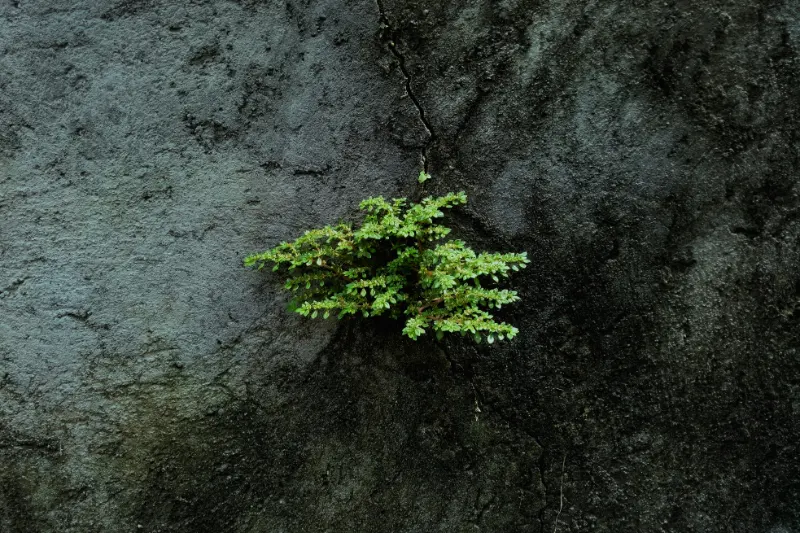
Plants might seem like the obvious antidote, but their role is more than decorative. Against stone and concrete, greenery acts as moving color. Leaves shift with air currents, catching shadows on rigid surfaces. A tall tree in a concrete corner or a low trough of herbs along a stone windowsill breaks the geometry and subtly directs sightlines. Choose fewer, larger plants rather than many small ones to avoid visual clutter; each should feel almost architectural in its own right, partnering with the walls and floors rather than apologizing for them.
Finally, warmth emerges from how you actually use the space. A concrete kitchen island becomes welcoming when there is proof it hosts real meals: wooden boards leaning casually, a bowl of fruit, linen towels draped rather than perfectly folded. A stone hearth feels like a gathering point once there are logs stacked nearby, a basket for blankets and perhaps a chair positioned as if someone has just stepped away. These traces of ritual signal that the hard shell of the home is in service to daily life, not the other way around.
Think of stone and concrete as the bones of a calm, enduring interior. Their presence allows everything softer to resonate more fully. When you tune light, color, texture and object to your own sense of comfort, the materials lose their chill and begin to feel like guardians. The result is not a space that is merely "softened" but one where hardness and warmth coexist, each making the other more legible, and your home more quietly alive.