The Quiet Logic Behind Wabi-Sabi
Wabi-sabi is often reduced to a mood board of beige linens and handmade ceramics, but its power lies in the way it quietly rewires how you see your home. It is less a style than a way of noticing: an agreement to honor imperfection, impermanence and the textured record of daily life. Where many interiors promise control and polish, wabi-sabi suggests a gentler aim: to inhabit your rooms honestly, to let them age with you and to accept that beauty is often slightly off-center.
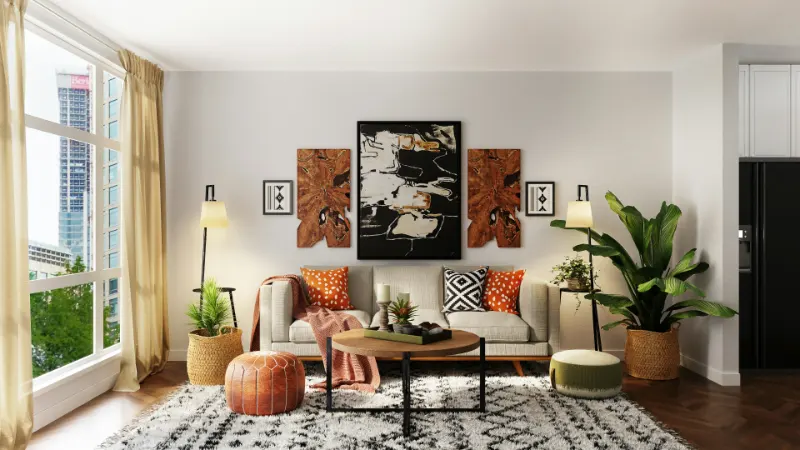
The phrase “wabi-sabi” braids together two old Japanese ideas. “Wabi” once described rural simplicity and a kind of dignified austerity; “sabi” referred to the patina of time, the way a surface mellows and softens. In a living room, those concepts translate into a calm, pared-back space in which materials have visible grain and history. A perfectly smooth, glossy coffee table shouts; a plank of wood with a knot and a tiny split merely introduces itself and then steps aside.
Understanding this distinction changes how you decorate. Instead of asking whether a piece looks new or expensive, you begin to ask whether it feels honest and whether you can live with it as it wears. That mindset can be unnerving if you are used to protecting every surface. Wabi-sabi quietly suggests that the watermark on the table and the softened edge of the stair tread are not failures but evidence that the house has been doing its job: sheltering a life.
This does not mean cultivating mess or neglect. Wabi-sabi still respects intention and care. The difference is that the goal shifts from perfection to presence. A wobbly chair can be lovely if it is sturdy and well loved; a flawless object can feel sterile if it refuses to enter into a relationship with the rest of the room. When you accept that everything will eventually chip, fade or warp, you are freed to choose materials and arrangements that can age visibly without falling apart. That is the quiet logic under the aesthetic: your home becomes calmer because you are no longer in an adversarial struggle with time.
From this angle, decor becomes less about impressing guests and more about how your nervous system feels at 7 a.m. on a Tuesday. A single handmade mug, slightly misshapen, can make an early morning less abrasive. A linen curtain that wrinkles easily but catches light softly can make a cramped rental feel gentle instead of temporary. These small, almost private improvements are where wabi-sabi decor does its deepest work.
Choosing Art That Breathes, Not Shouts
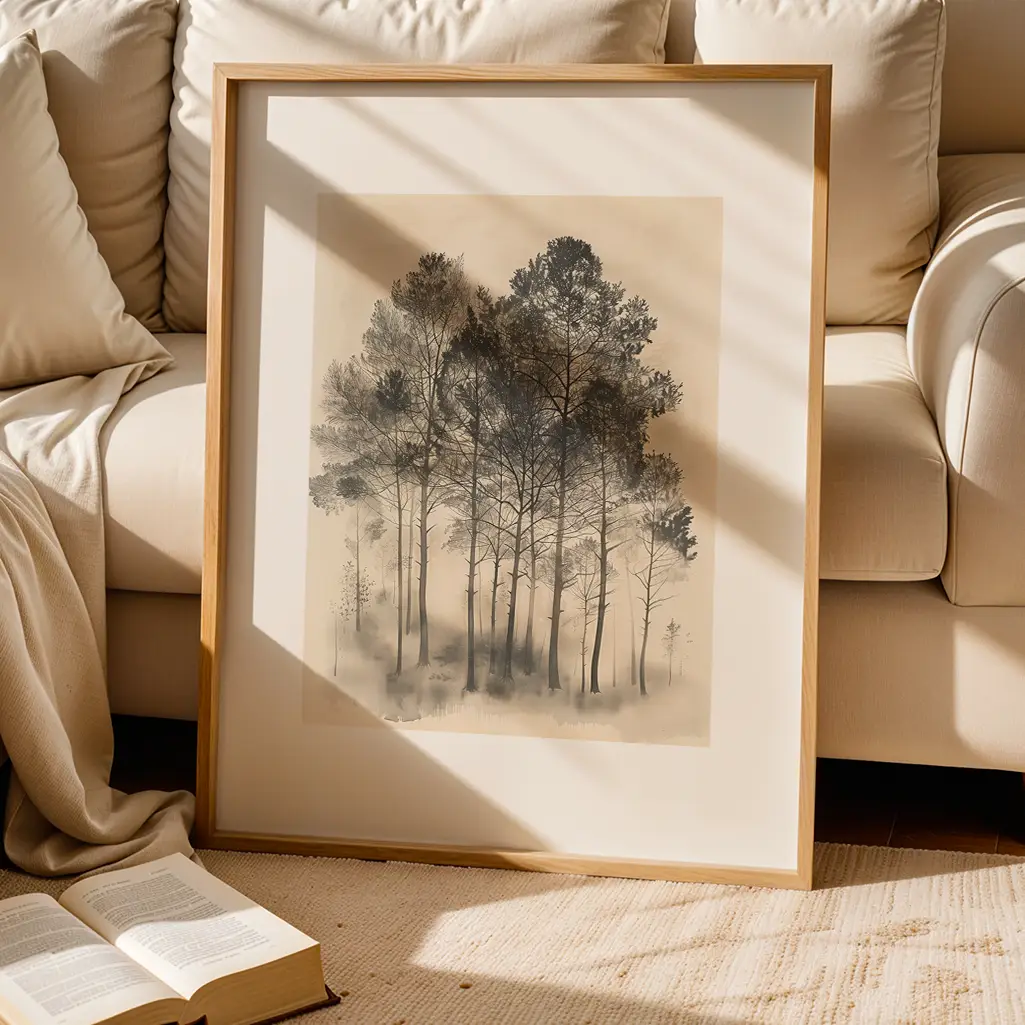
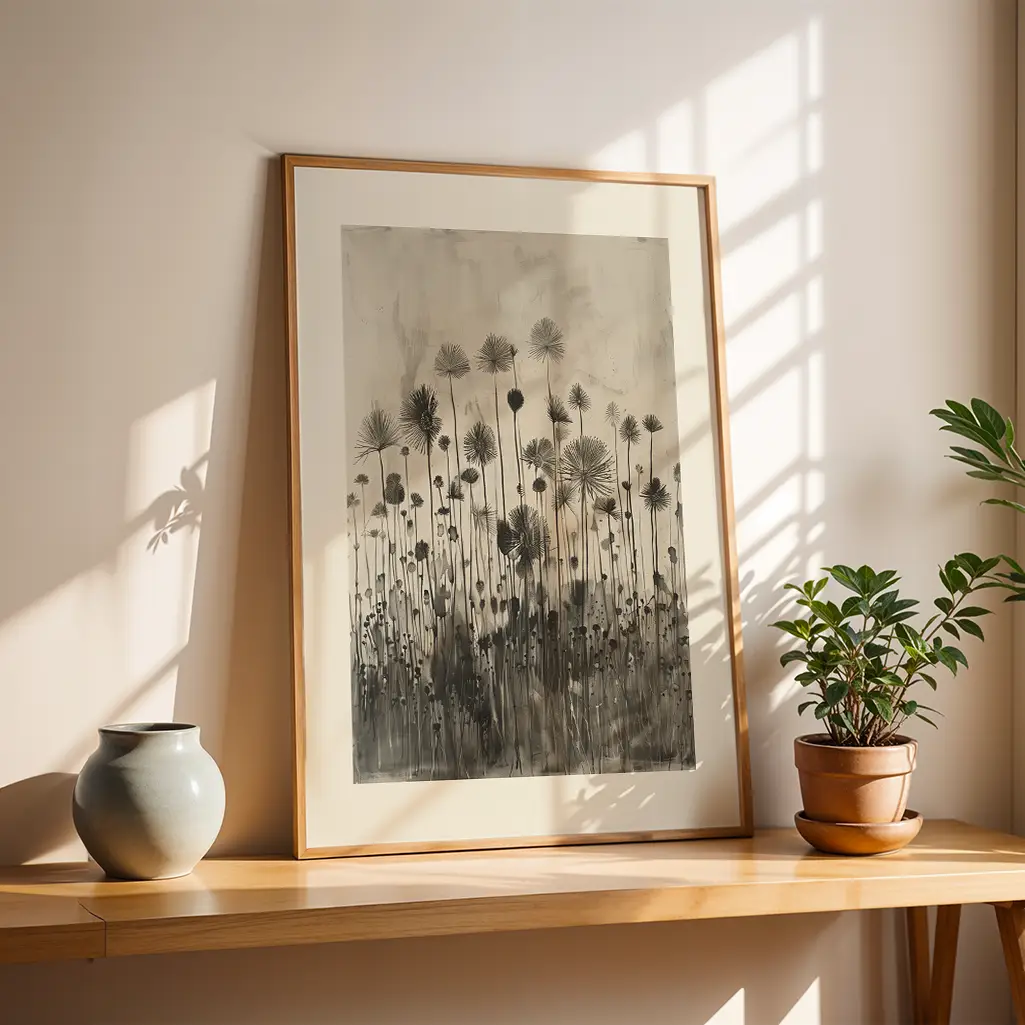
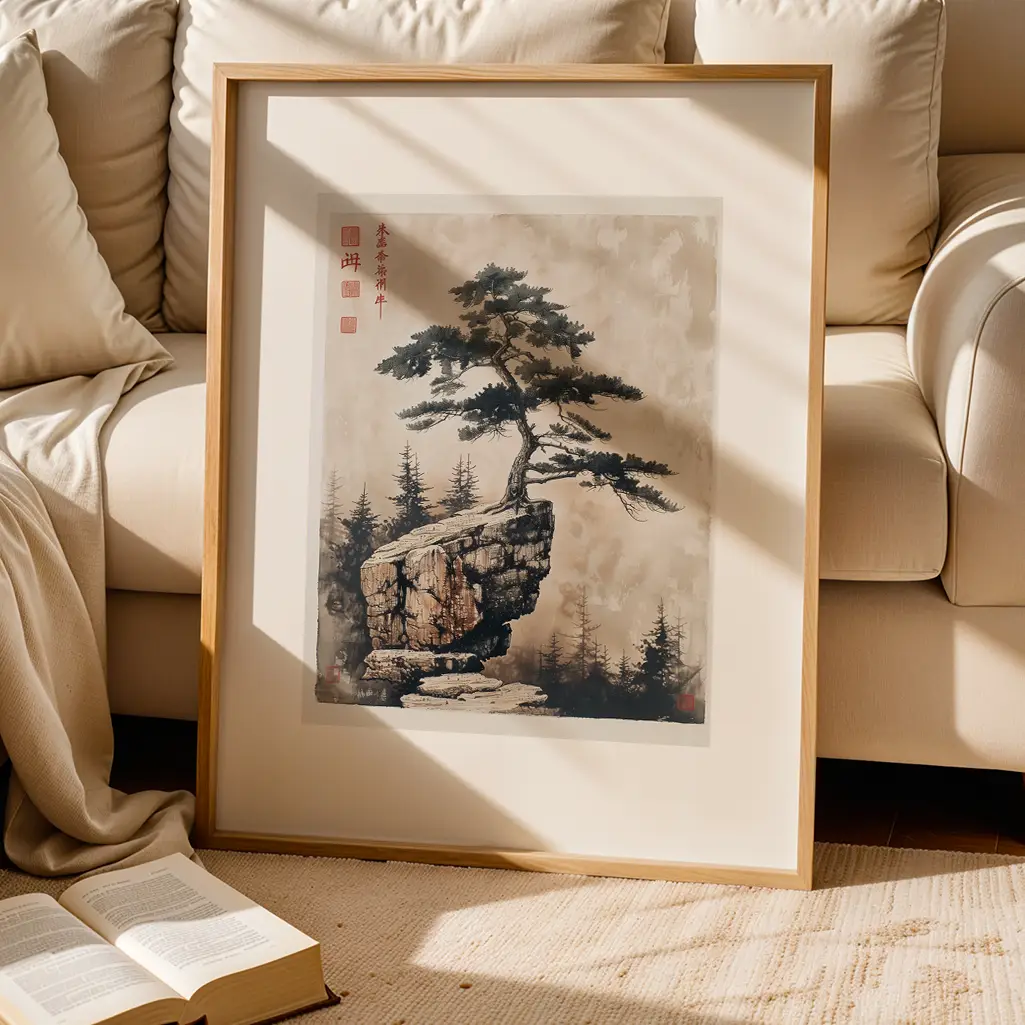
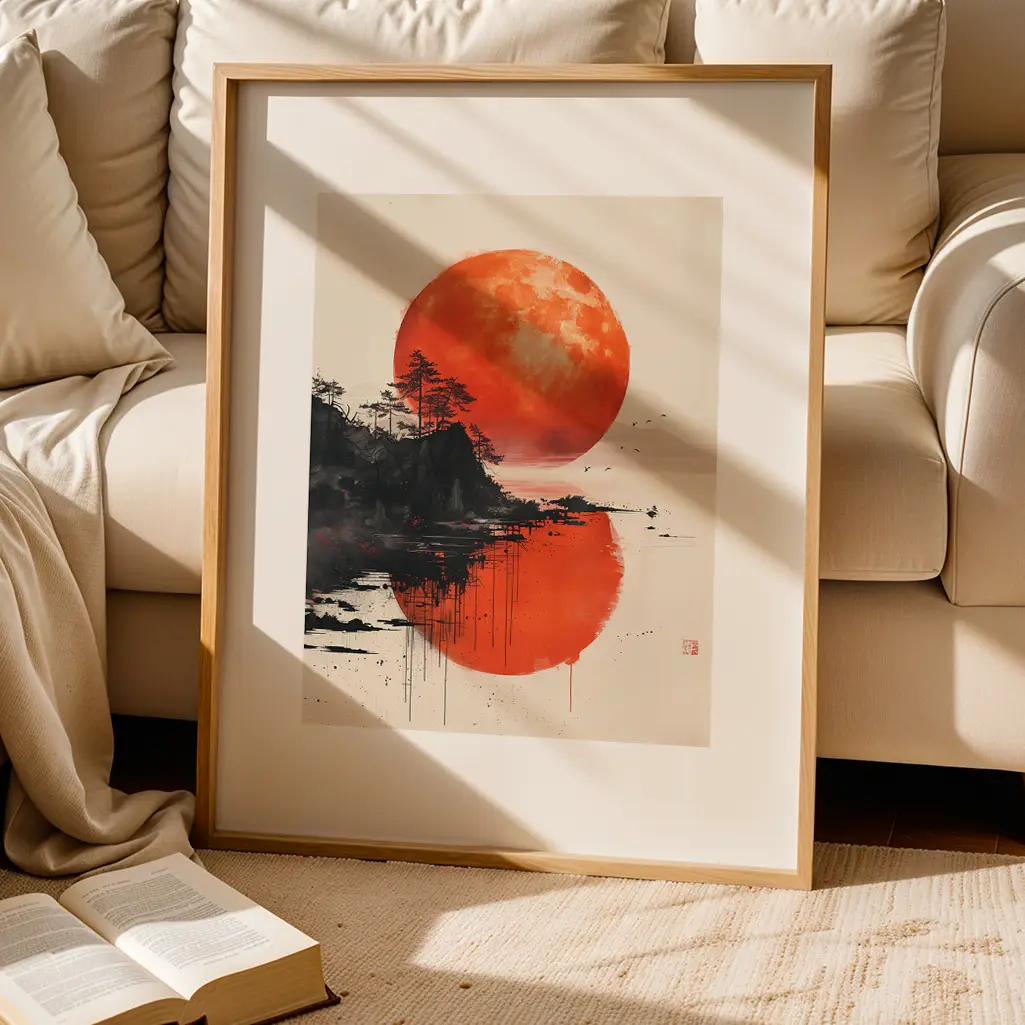
Art in a wabi-sabi home is not there to dominate a room or to prove that you have taste. Instead it is chosen like a companion, with an eye toward quiet conversation over time. The artwork does not need to be obviously Japanese or minimal; it simply needs to carry an honest sense of process and an acceptance of small irregularities. You might notice brushstrokes that falter, a slightly skewed horizon, a ceramic sculpture whose glaze pools unpredictably at the base. Those deviations are not mistakes to hide but the places where your eye can rest and return.
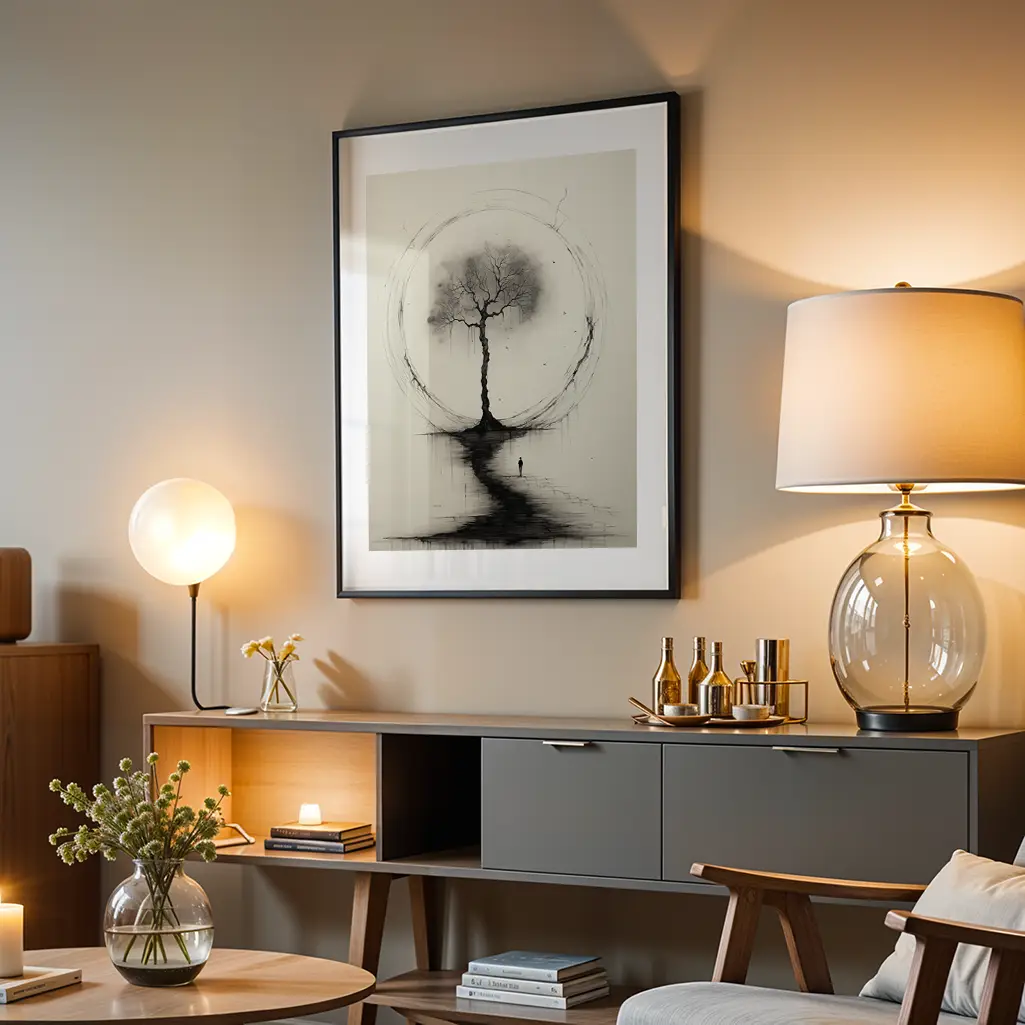
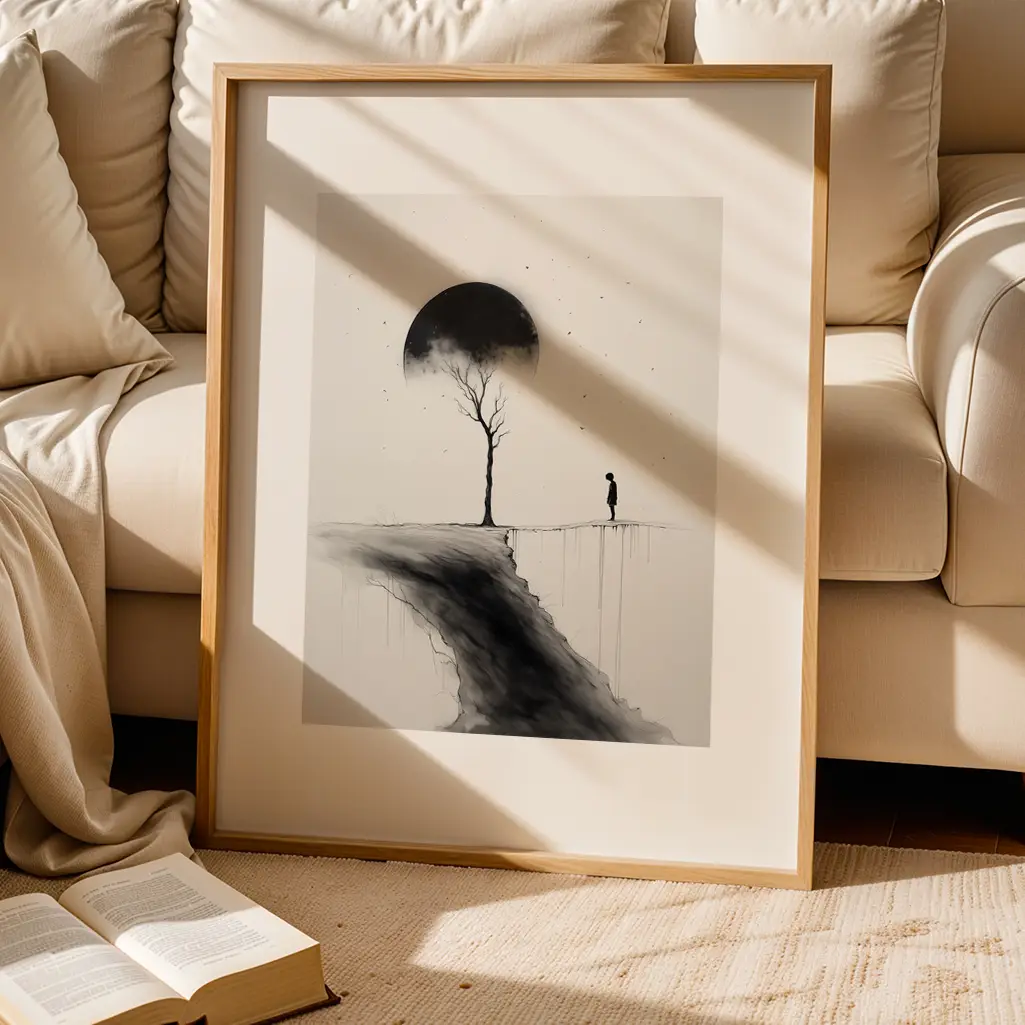
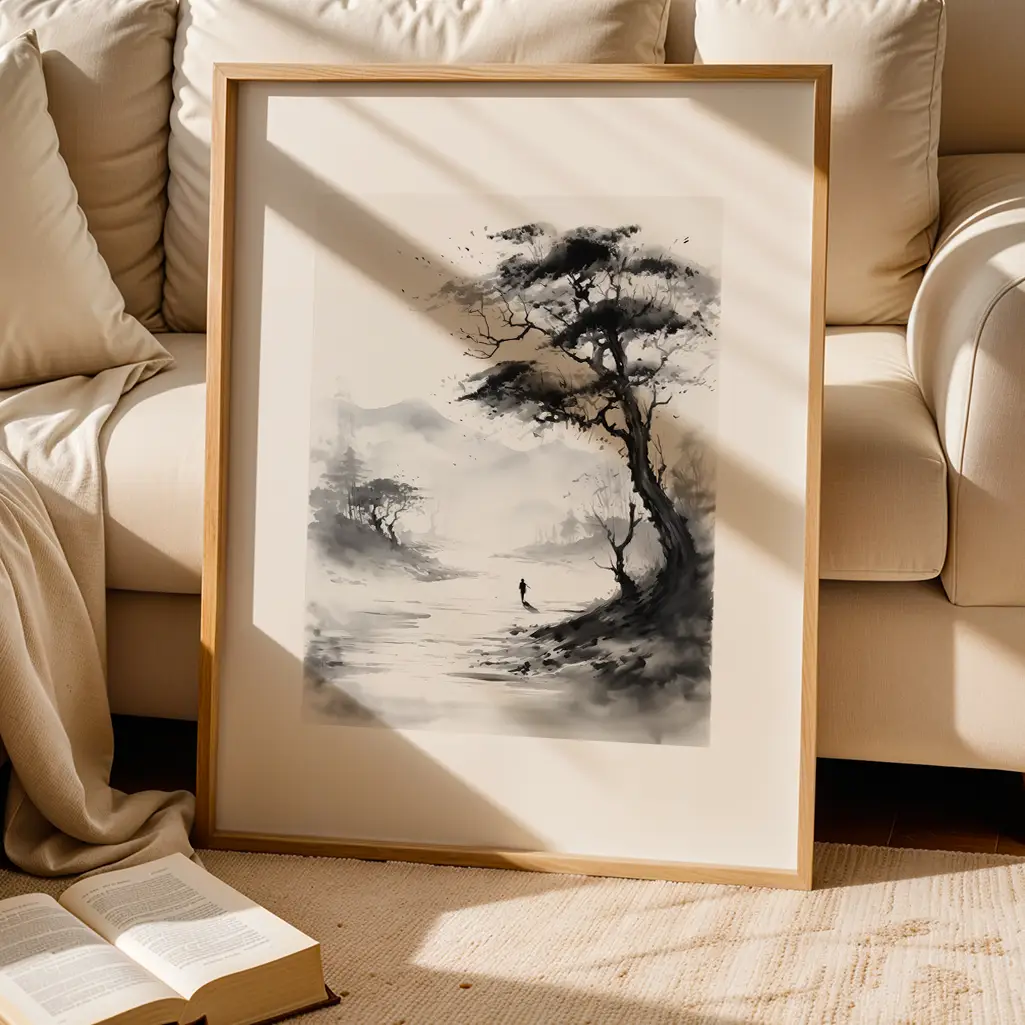
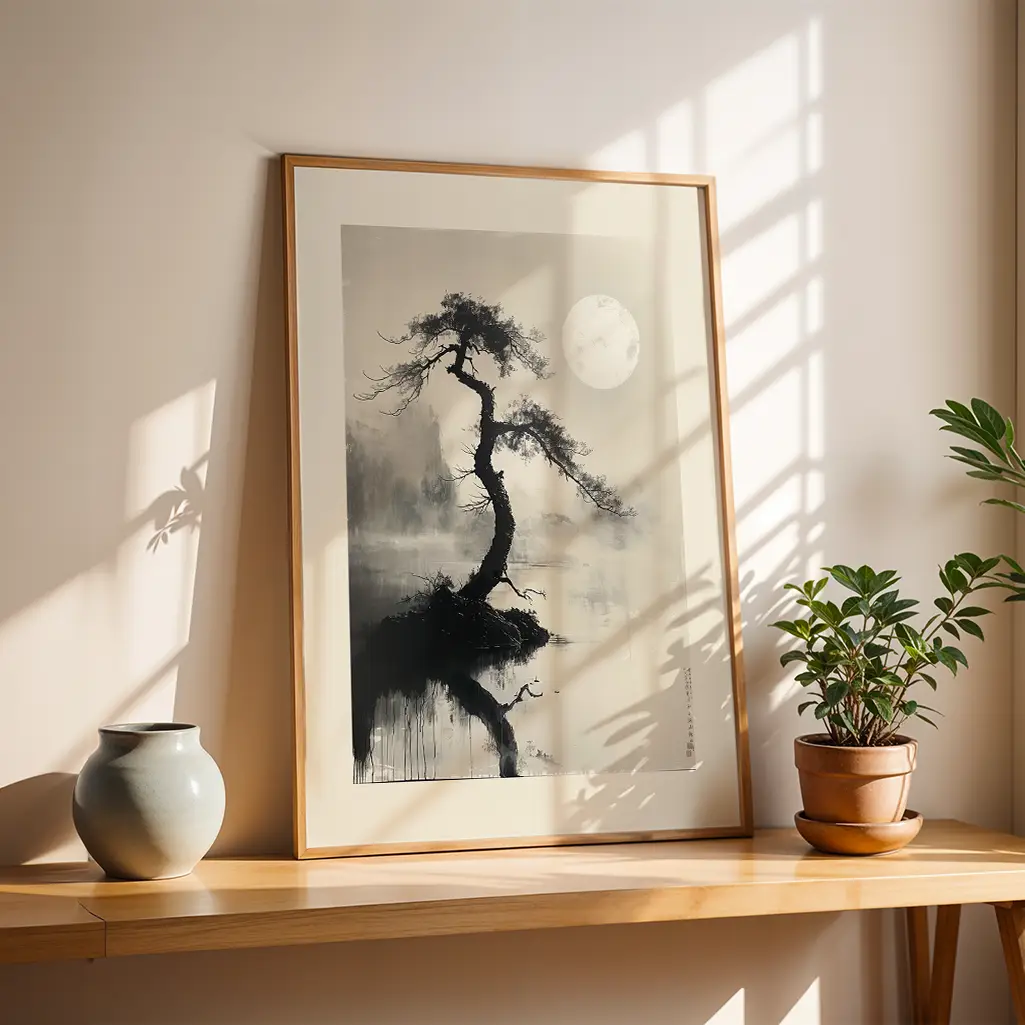
This kind of art often looks underwhelming in photographs, especially online where everything competes for attention. Yet in person, the subtle textures and muted shifts of tone engage you more deeply. A pale ink drawing with a single dark line can do more for a room’s atmosphere than a large, glossy canvas full of drama. The drawing leaves room for your own thoughts instead of dictating what you should feel. That sense of emotional space is central to wabi-sabi decor: beauty is allowed to be “half-finished,” to ask for your participation as a viewer and as a person living alongside it.
When you are choosing pieces, it helps to pay attention to your body rather than your mental checklist of what seems sophisticated. Do you breathe a bit more slowly when you stand in front of this object? Does your gaze soften rather than dart around? Those are useful signals. A painting with a restrained palette but layered, almost whispering brushwork might serve you better than a loud statement piece that impresses you for a week but slowly exhausts you.
Placement matters as much as selection. Wabi-sabi rooms are not crowded with art; they allow empty wall space to function as visual rest. A single small piece above a low bench can feel more complete than a dense gallery wall. The surrounding emptiness is not a lack but a frame, giving the object space to resonate. Similarly, leaning a work casually on a shelf instead of hanging it with precise symmetry introduces a sense of ease and changeability, as if the room is allowed to evolve with your mood rather than maintain a fixed, curated pose.
Texture, Patina and the Practice of Quiet Beauty
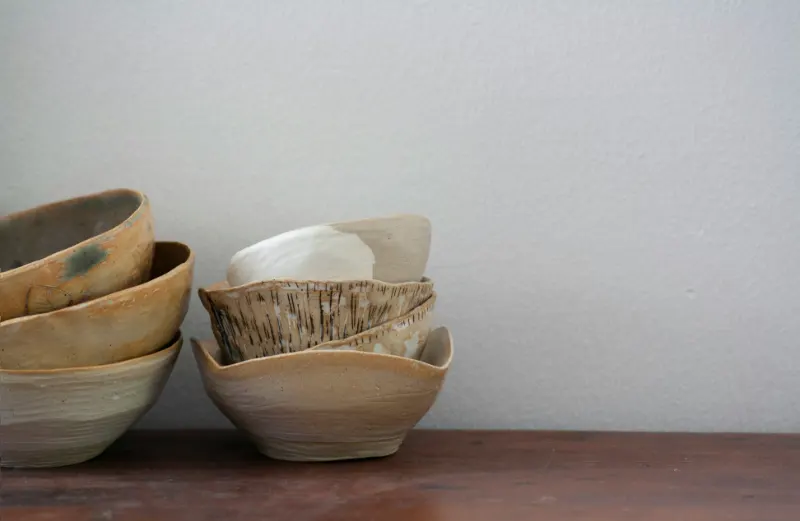
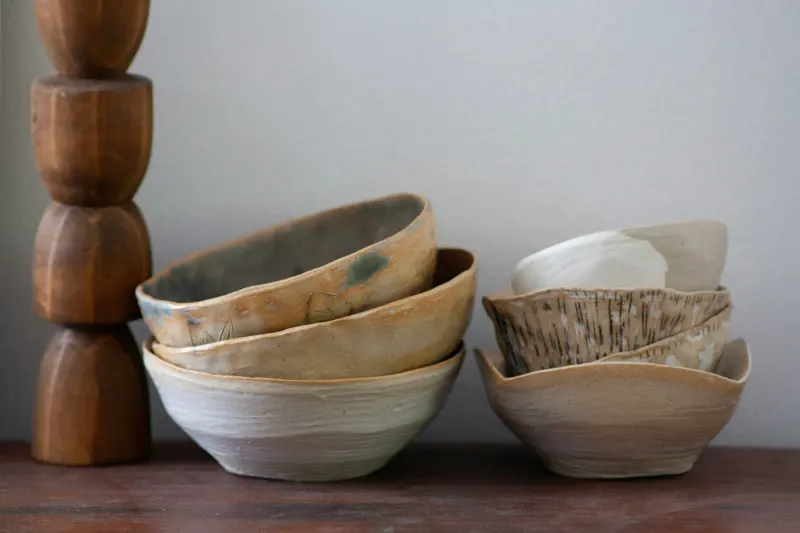
If wabi-sabi has a primary language, it is texture. Smoothness tends to erase time; texture records it. A wool rug that pills slightly, a plaster wall with trowel marks, a clay vase whose surface alternates between matte and faintly glossy: these surfaces catch light in ways that feel more like weather than like finish. They invite touch and reward repeated looking. Over months and years, they will soften, fade and scratch, and that gradual shift is part of their charm rather than a reason for replacement.
The trick is to assemble textures that are modest but deeply felt. Rough linen next to finely sanded wood; a cool ceramic bowl on a warm, worn tabletop; paper shades that diffuse light into a grainy, atmospheric glow. None of these elements shout, yet together they create a sensory richness that makes a room feel inhabited even when it is perfectly tidy. Texture also helps reconcile older, less-than-ideal architecture with your desire for beauty. Instead of fighting a crooked wall or an uneven floor, you allow textured materials to echo those irregularities so they appear intentional, almost inevitable.
Patina is where texture and time meet. It can be cultivated without becoming theatrical. Leaving a brass tray unpolished so it deepens to a mellow brown, oiling a cutting board instead of replacing it when it scars, keeping a frayed but clean linen throw at the foot of the bed: such decisions signal a shift in values. You are no longer trying to freeze your home at the moment it looked newest. You are collaborating with it as it changes. That collaboration can feel strangely calming, because it aligns your domestic life with what you already know about everything else you care about: relationships, work, even your own body all gain depth as they accumulate marks.
Quiet beauty emerges when the elements of a room begin to echo this stance. Color softens into earth tones and smoky neutrals, but not as a rule, more as a natural consequence of favoring materials drawn from the physical world. Light is filtered rather than blocked or flooded, arriving through gauzy curtains or bouncing off matte surfaces instead of glass and chrome. Scents are subtle, coming from wood, paper, clay and fresh air rather than insistent diffusers. The room does not need constant styling because the underlying choices are stable, forgiving and coherent.
Living with wabi-sabi decor is not a static achievement but an ongoing practice. You edit rather than accumulate, noticing when an object has stopped speaking to you and letting it go without drama. You accept that the bowl you love may crack and that sometimes the most loving response is to repair it visibly instead of hiding the break. Over time, these small, steady decisions reshape your experience of home. Your space begins to feel not perfect, not showcase-ready, but deeply companionable, like an old friend whose face has become more interesting with every passing year.